We Bring Back the Sparkle in Your Smile.

Inner Lip Ulcer From Braces – Dental Case Analysis
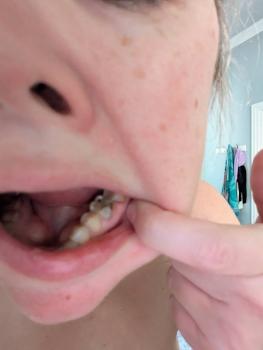
Image:
Severity:
Teeth Problems:
Additional Clinical Guide: Inner Lip Ulcer From Braces — Causes, Healing, and Dental Management
An ulcer on the inside of the lip is a common concern during orthodontic treatment. Metal brackets, archwires, hooks, and other orthodontic components can repeatedly rub against the delicate oral lining, producing a painful sore. Although many friction-related ulcers heal without complications, persistent or recurring lesions require a closer dental examination.
From an orthodontic perspective, the priority is not simply to relieve the pain. It is to identify the source of irritation, protect the injured tissue, and ensure that the braces are functioning correctly.
1. How to Recognize a Braces-Related Lip Ulcer
A traumatic ulcer caused by braces may have the following features:
-
Location: Inside the upper or lower lip, often directly opposite a bracket or wire.
-
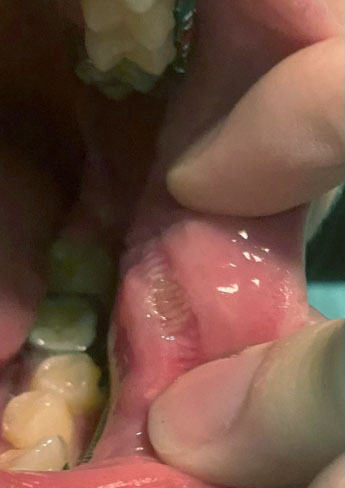
Appearance: A shallow, round or oval sore with a white, yellowish, or gray center and a reddish border.
-
Symptoms: Burning, tenderness, or sharp pain when eating, speaking, brushing, or moving the lip.
-
Trigger: Symptoms may begin after braces are fitted, following an adjustment, or when a wire or bracket starts rubbing against the same spot.
-
Progression: The sore should gradually improve once repeated friction is eliminated.
These features can suggest mechanical irritation, but appearance alone cannot confirm the diagnosis. Aphthous ulcers, infections, and other oral conditions may look similar.
2. Why Do Braces Cause Ulcers Inside the Lip?
Several factors can contribute to ulcer formation during orthodontic treatment.
Repeated friction from brackets: The metal or ceramic surface of a bracket may rub against the inner lip, particularly while talking, chewing, or smiling.
A protruding archwire: A wire that extends beyond its intended position may scratch or repeatedly press against the oral lining.
A loose or damaged component: A loose bracket, displaced wire, or sharp attachment can create a localized pressure point.
New braces or recent adjustments: The lips and cheeks may need time to adapt to the appliance. Temporary irritation can occur, although severe or persistent pain should not be ignored.
Other ulcer triggers: Some ulcers develop independently of braces. Stress, accidental lip biting, certain foods, and recurrent aphthous stomatitis may also contribute.
The important clinical distinction is whether a specific orthodontic component repeatedly contacts the ulcer. If it does, reducing that contact is an essential part of treatment.
3. Safe Home Care for a Lip Ulcer From Braces
For a small ulcer without concerning symptoms, the following measures can help reduce discomfort while the tissue heals.
Step 1: Apply orthodontic wax.
Wash your hands and dry the irritating bracket or wire area as much as possible. Roll a small piece of orthodontic wax into a ball, then press it over the component causing friction. Replace the wax when it becomes loose or dirty, following the product instructions.
Orthodontic wax acts as a protective barrier. It does not repair a broken bracket or correct a wire that is out of position.
Step 2: Rinse with warm salt water.
Dissolve half a teaspoon of salt in one glass (about 240 mL or 8 ounces) of warm water. Gently rinse your mouth and spit the solution out. Repeat as needed if it feels soothing.
Do not swallow the rinse, and stop if it causes significant irritation.
Step 3: Choose soft, non-irritating foods.
Temporarily favor yogurt, porridge, soft rice, eggs, mashed vegetables, and other foods that require minimal chewing. Avoid spicy, acidic, very hot, sharp, or crunchy foods that may aggravate the ulcer.
Step 4: Maintain gentle oral hygiene.
Brush twice daily with a soft-bristled toothbrush and fluoride toothpaste. Carefully clean around brackets and the gumline, and use appropriate interdental cleaning aids. Avoid scrubbing the ulcer directly.
Step 5: Manage pain cautiously.
If pain interferes with eating, ask a pharmacist or dental professional about an appropriate oral ulcer product or pain reliever. Follow the product instructions and age restrictions. Avoid applying aspirin directly to the ulcer because it can injure the tissue.
Do not use antibiotics or prescription steroid treatments without professional advice. They are not routinely required for a simple traumatic ulcer.
4. When Does a Braces-Related Ulcer Need Dental Treatment?
Contact your orthodontist promptly if a wire is poking the lip, a bracket is loose, the sore repeatedly develops in the same location, or pain is worsening rather than improving.
A dental examination may include checking the wire ends, bracket position, appliance stability, ulcer location, and surrounding tissue. Depending on the findings, the orthodontist may smooth or reposition an irritating component, replace a damaged part, or recommend temporary protective measures.
Do not cut wires, remove brackets, or bend the appliance forcefully at home. If a wire cannot be made comfortable with wax, seek professional guidance.
Most uncomplicated traumatic ulcers improve within approximately one to two weeks after the source of irritation is removed. Arrange a dental or medical assessment if an ulcer persists for more than three weeks, grows, bleeds without an obvious cause, develops increasing redness or pain, or repeatedly returns. Earlier evaluation is appropriate for an unusually large or suspicious lesion.
Seek urgent medical care if there is rapidly increasing mouth or facial swelling, uncontrolled bleeding, difficulty swallowing, or difficulty breathing. These symptoms are not typical of a simple friction ulcer.
5. How Can Orthodontic Patients Prevent Future Lip Ulcers?
Prevention starts with identifying and controlling the source of repeated irritation.
-
Keep orthodontic wax available, particularly after adjustments.
-
Attend scheduled orthodontic appointments and report loose brackets or protruding wires.
-
Avoid hard, sticky, and excessively chewy foods that may damage appliances.
-
Maintain consistent brushing and interdental cleaning.
-
Do not repeatedly bite, rub, or pick at the ulcer.
-
Ask the orthodontist to assess recurrent sores rather than relying on wax indefinitely.
A recurring ulcer in exactly the same location may indicate a persistent mechanical problem. Repeated injury should be investigated instead of being treated as an unavoidable part of braces.
Clinical Takeaway
A small inner-lip ulcer caused by braces is often a temporary soft-tissue injury, not a sign that orthodontic treatment is failing. The most effective approach is to reduce friction, protect the ulcer, maintain oral hygiene, and monitor healing.
However, not every mouth ulcer in a person wearing braces is caused by the appliance. Persistent, unusual, or worsening sores deserve a proper examination to exclude other conditions and determine whether additional treatment is necessary.
Medical information note: This educational guide supports, but does not replace, an individual examination by a licensed dentist or orthodontist.
Frequently Asked Questions: Inner Lip Ulcers From Braces
1. How long does an ulcer inside the lip from braces take to heal?
Many minor traumatic ulcers improve within several days and heal in about one to two weeks once repeated friction is stopped. Healing may take longer if a wire continues to rub against the sore or if another condition is responsible. An ulcer lasting more than three weeks should be examined by a dentist or doctor.
2. Is it normal for braces to cause ulcers inside the lips?
Minor irritation is common, especially shortly after braces are fitted or adjusted. However, ongoing or severe pain is not something you should simply tolerate. Check for rubbing and contact your orthodontist if the sore persists, worsens, or keeps returning.
3. Does orthodontic wax help heal lip ulcers?
Orthodontic wax helps by placing a barrier between the bracket or wire and the injured tissue. It does not directly cure the ulcer, but reducing repeated friction allows the tissue to heal more effectively.
4. Can I use salt water for an ulcer caused by braces?
Yes. A gentle rinse made with half a teaspoon of salt in a glass of warm water may soothe the area. Spit it out after rinsing. Salt water can support comfort and oral cleanliness, but it will not correct a protruding wire or damaged bracket.
5. Should I remove my braces if an ulcer develops?
No. Do not remove braces yourself. Most minor ulcers can be managed while orthodontic treatment continues. If the appliance is causing repeated injury, your orthodontist can assess whether an adjustment or repair is needed.
6. Can a braces-related ulcer become infected?
A traumatic ulcer is not automatically infected. Increasing pain, spreading redness, worsening swelling, pus, or fever warrants prompt professional assessment because these findings may indicate infection or another problem. Rapidly increasing swelling or difficulty swallowing or breathing requires urgent care.
7. Why does my lip ulcer keep coming back in the same place?
Repeated friction from a bracket, wire, or other appliance is one possible explanation. Recurrent aphthous ulcers or lip biting can also cause repeated sores. Have your orthodontist or dentist examine the location to determine the likely cause.
8. Can I use mouth ulcer gel while wearing braces?
Some oral ulcer gels may provide temporary pain relief, but suitability depends on the ingredients, age, and medical circumstances. Ask a pharmacist or dentist to recommend an appropriate product. Do not use prescription medication or prolonged topical anesthetics without guidance.
9. What foods should I avoid when I have a lip ulcer from braces?
Avoid spicy foods, citrus fruits and juices if they sting, very hot foods, and hard or crunchy foods that may scrape the sore. Soft foods and cool drinks are often more comfortable until healing occurs.
10. When should I worry about an ulcer inside my lip?
Seek an examination if the ulcer lasts more than three weeks, becomes progressively larger or more painful, bleeds without a clear cause, or repeatedly returns. An unusual lump, persistent red or white patch, or a firm area around the sore also needs assessment. Do not assume a persistent lesion is caused by braces without having it checked.
11. Can a braces-related lip ulcer leave a scar?
Most small, superficial traumatic ulcers heal without noticeable scarring. Larger or deeper ulcers may heal more slowly and can occasionally leave a scar. Preventing repeated trauma helps support normal healing.
12. Do I need antibiotics for a mouth ulcer caused by braces?
Usually not. A simple traumatic ulcer does not routinely require antibiotics. Treatment focuses on relieving friction and allowing the tissue to heal. A dentist or doctor should assess signs of infection before deciding whether medication is appropriate.
13. Can children and teenagers develop lip ulcers from braces?
Yes. Children and teenagers may develop friction ulcers from brackets and wires, especially soon after braces are fitted or adjusted. Parents should help with orthodontic wax, gentle cleaning, and monitoring. Persistent pain, difficulty eating or drinking, or a damaged appliance warrants contact with the orthodontist.
14. Is a white or yellow center on the ulcer a sign of pus?
Not necessarily. A white or yellow coating can be part of the normal appearance of a mouth ulcer as it heals. Do not scrape it off. If there is increasing swelling, spreading redness, worsening pain, or discharge, arrange a professional assessment.
15. Can I continue orthodontic treatment while the ulcer heals?
Usually, yes. A minor ulcer does not automatically require stopping treatment. Your orthodontist can determine whether the appliance needs adjustment and whether treatment can continue safely.
Suggested Internal Links
Use relevant existing pages on your website where the linked topic is already covered:
-
Main article: Inner Lip Ulcer From Braces — Dental Case
-
Supporting topic: Mouth ulcers and common causes
-
Supporting topic: Orthodontic wax and braces-related irritation
-
Supporting topic: Oral hygiene during orthodontic treatment
-
Related clinical topic: When a mouth sore needs professional evaluation
Link only to relevant pages that actually exist on your site. Use descriptive anchor text and avoid adding several links to the same destination unnecessarily.
Publishing note: FAQ schema should accurately match the questions and answers visible on the page. Structured data does not guarantee a Google rich result.
An inner lip ulcer caused by braces is a common orthodontic problem that occurs when metal brackets or wires repeatedly rub against the soft tissues inside the mouth. Although these ulcers are usually temporary, they can make eating, speaking, and brushing your teeth uncomfortable.
In this dental case analysis, we explain the causes of brace-related mouth ulcers, common symptoms, treatment options, and practical tips to promote faster healing. Learn when a simple sore can be managed at home and when it may require evaluation by your orthodontist or dentist.
Inner Lip Ulcer From Braces – A Real-Life Story from Texas
When 17-year-old Emily from Dallas, Texas, had her braces adjusted, she expected a little soreness. Her orthodontist had warned her that tightening the wires could make her teeth ache for a few days.
What she didn't expect was a painful sore developing on the inside of her lower lip.
Two days after her appointment, Emily noticed that one of the metal brackets kept rubbing against the same spot whenever she talked or smiled. At first, it felt like a small irritation, but by the next morning, it had turned into a white ulcer with a red border. Eating sandwiches, drinking orange juice, and even laughing became painful.
"I thought something was wrong with my braces," Emily later shared. "Every time I spoke, it felt like the bracket was cutting my lip."
She searched online and discovered that many braces patients in the United States experience the same problem, especially after orthodontic adjustments. Following her orthodontist's advice, she covered the sharp bracket with orthodontic wax, rinsed her mouth several times a day with warm salt water, and avoided spicy and acidic foods.
Within a few days, the irritation became less painful. After about a week, the ulcer had almost completely healed. During her follow-up visit, the orthodontist slightly adjusted the wire that had been causing the constant friction.
Emily was relieved to learn that inner lip ulcers are one of the most common temporary side effects of braces and usually heal once the irritation is removed.
Today, she keeps orthodontic wax in her backpack and never leaves home without it.
If you develop an ulcer from your braces that lasts longer than two weeks, becomes increasingly painful, or is accompanied by swelling, fever, or pus, contact your orthodontist or dentist as soon as possible for evaluation.
Read the complete dental case analysis:
https://cebudentalimplants.com/inner-lip-ulcer-from-braces-dental-case
Related Clinical Cases
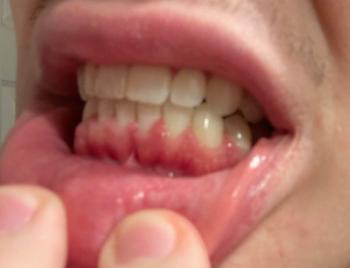
Patients with lower front gum inflammation may also experience tartar buildup, periodontal disease, gum abscesses, or tooth decay. Explore these related clinical case studies.