Where Bright Smiles Begin.

Gum Abscess Between Back Teeth Case Analysis
Image:
Severity:
Teeth Problems:
Gum Abscess Between Back Teeth and the Warning Signs of Gum Recession
Why an Abscess Between Molars Needs Professional Attention
A gum abscess between the back teeth is a localized collection of pus caused by infection. It may develop when bacteria accumulate in a periodontal pocket, food debris becomes trapped between molars, or an existing gum or tooth problem allows infection to develop.
The back teeth are particularly challenging to clean because their contact surfaces are difficult to reach. Patients may first notice redness, tenderness, swelling between the teeth, bleeding while brushing, an unpleasant taste, or pain when chewing.
An important clinical distinction: A periodontal abscess originates in the supporting gum tissues, while a tooth-root abscess develops from infection inside the tooth or around its root. Both may cause gum swelling, and a dental examination is needed to determine the source.
Can Gum Recession Cause an Infection Between Back Teeth?
Gum recession occurs when gum tissue moves away from the tooth, exposing more of its root surface. Recession can occur alongside periodontal disease, but it does not automatically mean that an abscess is present.
When periodontal disease damages the supporting tissues, the gums may recede and periodontal pockets may form. These pockets can retain plaque and bacteria, making cleaning more difficult and increasing the risk of inflammation and infection.
Exposed roots may also become sensitive to cold drinks, hot foods, or brushing. If recession occurs together with persistent bleeding, pus, swelling, or a bad taste, a dentist should investigate the possibility of active periodontal disease or an abscess.
What a Dentist Should Evaluate
A dentist assessing a suspected abscess between molars may perform the following checks:
-
Gum examination: Look for redness, swelling, bleeding, pus, and gum recession.
-
Periodontal probing: Measure the depth of the gum pockets around the affected teeth.
-
Tooth vitality and structural assessment: Check whether decay, a crack, or damage to the tooth pulp could be contributing to the infection.
-
Dental X-rays when indicated: Evaluate the supporting bone and investigate possible infection around the tooth roots.
These findings help determine whether the problem is primarily periodontal, tooth-related, or caused by trapped food and localized irritation.
Treatment Options for a Gum Abscess
Treatment depends on the source and severity of the infection.
1. Drainage and removal of the cause
If pus has accumulated, a dentist may need to drain it and clean the affected area. Trapped debris or other factors contributing to the infection must also be addressed.
2. Periodontal treatment
If periodontal disease is present, professional cleaning, scaling and root planing, or additional periodontal treatment may be recommended. The aim is to reduce bacterial deposits and help control inflammation.
3. Root canal treatment or extraction
If the abscess originates from an infected tooth pulp, root canal treatment may be needed to preserve the tooth. Extraction may be necessary if the tooth cannot be predictably restored.
4. Antibiotics when clinically indicated
Antibiotics are not routinely necessary for every localized dental abscess. A dentist may prescribe them when there is spreading infection, systemic illness, or another specific clinical indication. Antibiotics do not replace drainage or treatment of the underlying cause.
A suspected dental abscess requires urgent dental assessment rather than waiting for it to disappear on its own.
Safe Home Care Before Your Appointment
While arranging professional treatment:
-
Brush gently with a soft-bristled toothbrush and fluoride toothpaste.
-
Rinse gently with warm salt water if comfortable, then spit it out.
-
Eat soft foods and chew on the opposite side.
-
Avoid smoking and foods that aggravate the affected area.
-
Use an over-the-counter pain reliever only if it is safe for you and follow the product instructions.
Do not squeeze, puncture, or attempt to drain the swollen gum yourself. Avoid inserting sharp objects into the gum pocket or forcing floss through a painful, swollen area. Never use leftover antibiotics without professional advice.
Seek emergency hospital care immediately if you develop difficulty breathing or swallowing, rapidly spreading facial or neck swelling, or severe difficulty opening your mouth. Fever, facial swelling, or feeling generally unwell alongside a suspected abscess also warrants urgent assessment.
Short Patient Story: A Gum Abscess in Dipolog City
This is an illustrative fictional case for educational purposes, not a documented patient record.
A 38-year-old resident of Dipolog City, Zamboanga del Norte, noticed a small swollen area between two lower back teeth after several days of food becoming trapped in the same spot. Initially, the discomfort was mild, so the patient continued brushing and chewing normally.
Over the next few days, the gum became red and tender. The patient also noticed occasional bleeding during brushing and an unpleasant taste near the affected molars. Concerned that the swelling might disappear on its own, the patient considered using a leftover antibiotic.
Instead, the patient arranged a dental appointment. The dentist examined the gum tissues, assessed the teeth, measured the periodontal pockets, and obtained an X-ray because the source of the infection was uncertain.
The examination helped the dentist determine the appropriate treatment rather than assuming that the problem was simply trapped food. The patient received treatment directed at the cause of the infection, together with instructions for cleaning between the teeth and attending a follow-up visit.
Clinical lesson: A small gum swelling can be an early warning sign of a deeper dental problem. Prompt assessment may help prevent further damage to the supporting tissues and reduce the risk of complications.
Frequently Asked Questions
1. Can a gum abscess between back teeth heal on its own?
Symptoms may temporarily decrease if the abscess drains, but this does not necessarily mean the infection has resolved. Professional dental treatment is needed to identify and address the underlying cause.
2. Does gum recession mean I have a gum infection?
No. Recession can result from several factors, including periodontal disease, brushing trauma, and individual gum anatomy. However, recession accompanied by swelling, bleeding, pus, or persistent bad breath should be evaluated by a dentist.
3. Why does the gum between my molars bleed when I brush?
Bleeding may result from gingivitis, periodontitis, food impaction, or local irritation. Repeated bleeding, especially when accompanied by swelling or pain, should not be ignored.
4. Can food trapped between teeth cause an abscess?
Food impaction can irritate the gum and contribute to inflammation. An abscess may develop when bacteria infect the surrounding tissues, particularly where a periodontal pocket or another underlying dental problem is present.
5. Will antibiotics cure an abscess between my teeth?
Not necessarily. Treatment usually focuses on draining the infection when necessary and eliminating its source. Antibiotics are reserved for situations in which a dentist determines that they are indicated.
6. How long does gum abscess treatment take to heal?
Pain and swelling may improve within a few days after effective treatment, but healing time varies with the infection's severity and the treatment performed. Periodontal tissues and supporting bone may require longer monitoring. Follow the dentist's review schedule.
7. Can an abscess cause bone loss around my back teeth?
Yes. An abscess associated with periodontitis can occur alongside damage to the supporting bone. An infection around a tooth root may also affect surrounding bone. The extent of damage must be assessed clinically and, when appropriate, with dental imaging.
8. Should I keep flossing when the gum between my teeth is swollen?
Continue maintaining oral hygiene, but do not force floss into a painful or swollen area. Brush gently, avoid traumatizing the tissue, and seek professional advice about safely cleaning the affected space.
9. When should I see a dentist in Dipolog City?
Arrange an urgent dental appointment if you suspect an abscess, especially when there is pus, persistent swelling, increasing pain, or pain when biting. Seek emergency hospital care if breathing or swallowing becomes difficult or swelling spreads rapidly.
10. Can I save a tooth affected by a gum abscess?
Often, the tooth can be preserved if it remains structurally sound and the infection can be treated. Depending on the diagnosis, treatment may involve periodontal care, root canal treatment, or other procedures. Extraction is considered when the tooth cannot be predictably saved.
Expert Clinical Takeaway
A gum abscess between back teeth should not be assessed by appearance alone. Gum recession, periodontal pocketing, tooth decay, and root infection can produce overlapping symptoms but require different treatment approaches.
The safest course is to obtain a timely dental examination, treat the underlying cause, maintain gentle oral hygiene, and attend follow-up appointments. Early intervention can help protect the remaining gum attachment, preserve supporting bone where possible, and improve the long-term outlook for the affected teeth.
Medical note: This educational content does not replace an examination, diagnosis, or individualized treatment plan from a licensed dentist.
Gum Abscess Between Back Teeth Case Analysis
What Is Seen in This Case
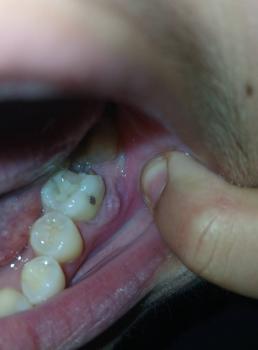
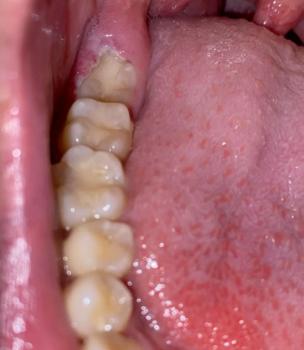
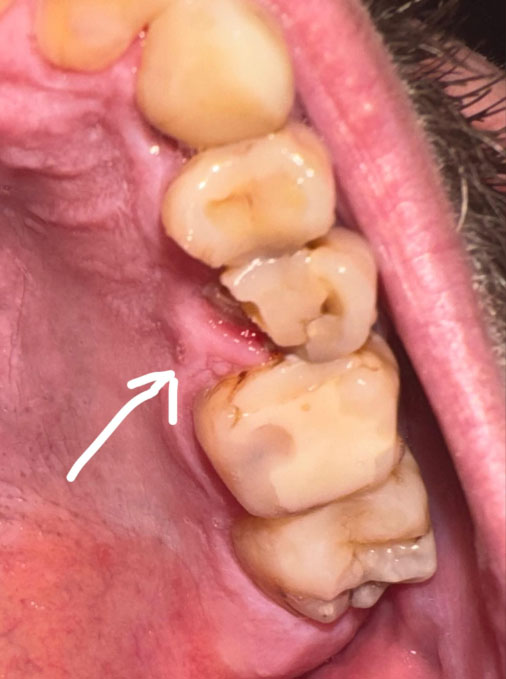
The image shows a localized red and swollen gum area between the back teeth, clearly marked by an arrow. The surrounding molars appear to have deep grooves and visible wear, and the gum tissue between them looks inflamed and irritated, suggesting a localized infection.
This area is difficult to clean and is a common site for gum abscess formation.
Most Likely Diagnosis
Based on visual examination, the most likely conditions include:
-
Localized gum abscess between molars
-
Periodontal (gum) infection
-
Bacteria trapped between adjacent teeth
-
Early bone irritation under the gum
-
Inflammation caused by food impaction
A dental exam and X-ray are recommended to confirm the depth of infection.
What Causes a Gum Abscess Between Teeth
Common causes include:
-
Food trapped between molars
-
Plaque and tartar buildup
-
Deep gum pockets
-
Cracked or heavily worn tooth surfaces
-
Poor flossing between back teeth
Back teeth are especially prone to this problem due to tight contact points.
Is This a Serious Problem
Yes. Even though the swelling looks localized, it is an active infection. If ignored, it may scale up into:
-
Increasing pain and swelling
-
Pus discharge and bad taste
-
Bone loss between teeth
-
Tooth loosening
-
Spread of infection to jawbone
Early treatment prevents long-term damage.
Recommended Treatment Process
Initial Assessment (Days 1–3)
-
Dental examination
-
Gum probing around affected teeth
-
Dental X-ray to assess bone involvement
Active Treatment Phase (Days 4–7)
Treatment may include:
-
Drainage of the abscess
-
Deep cleaning between teeth
-
Removal of trapped debris
-
Treatment of the infected gum pocket
-
Medication if infection is spreading
Healing and Follow-Up Phase (Days 8–14)
-
Swelling should reduce
-
Pain improves significantly
-
Gum tissue begins to heal
Further periodontal care may be recommended.
Expected Healing Time
-
Pain relief: 2–4 days after treatment
-
Gum healing: 7–14 days
-
Full stabilization depends on infection severity
What Happens If Treatment Is Delayed
If delayed beyond 14 days, this condition may lead to:
-
Worsening abscess
-
Bone loss between molars
-
Tooth mobility
-
Need for surgical gum treatment
-
Higher risk of tooth extraction
Prompt care is essential.
Home Care While Waiting for Treatment
These steps may reduce discomfort but do not cure infection:
-
Rinse gently with warm salt water
-
Floss carefully to remove trapped food
-
Avoid chewing on the affected side
-
Avoid sugary or sticky foods
Seek dental care as soon as possible.
Professional Comment
This case shows a gum abscess forming between back teeth, a common but serious condition. Early drainage and deep cleaning usually result in good healing and prevent bone loss.
Visit a Dental Clinic Near You
For professional gum abscess treatment, visit:
https://cebudentalimplants.com/map-dental-clinic
Related Clinical Cases
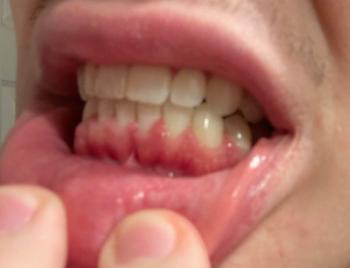
Patients with lower front gum inflammation may also experience tartar buildup, periodontal disease, gum abscesses, or tooth decay. Explore these related clinical case studies.