We Bring Back the Sparkle in Your Smile.

Swollen Tongue Case Analysis and Healing Timeline
Image:
Severity:
Teeth Problems:
Swollen Tongue: Clinical Assessment, Possible Causes, Treatment, and Warning Signs
Understanding Tongue Swelling
Tongue swelling, medically known as tongue edema, occurs when fluid accumulates in the tongue tissues or when inflammation causes the tissue to enlarge. It may affect the tip, sides, upper surface, or the entire tongue.
Depending on the cause, a swollen tongue may be accompanied by redness, tenderness, burning, altered taste, difficulty speaking, or discomfort while eating. Some cases are mild, while others can threaten the airway.
A swollen tongue should not automatically be diagnosed as an oral infection. Allergic reactions, medication-related angioedema, trauma, infections, and other medical conditions can produce similar symptoms.
Common Causes of a Swollen Tongue
1. Allergic reactions and angioedema
Allergic reactions to foods, medicines, insect stings, or other triggers can cause sudden swelling of the tongue or lips. Angioedema can also occur without a typical allergy, including as a reaction to certain medications.
Tongue swelling accompanied by difficulty breathing, throat tightness, difficulty swallowing, faintness, or rapidly progressing facial swelling is an emergency.
2. Physical injury or irritation
Accidentally biting the tongue, burns from hot food or drinks, sharp teeth, dental appliances, and recent dental procedures may cause localized swelling or tenderness.
Minor injuries may improve as the tissue heals, but increasing swelling, uncontrolled bleeding, or signs of infection require professional assessment.
3. Oral infections and inflammation
Some infections and inflammatory conditions can affect the tongue. Associated findings may include pain, ulcers, fever, redness, or difficulty eating.
A dental abscess or spreading infection may cause swelling in nearby tissues and sometimes the floor of the mouth. Rapid progression or difficulty swallowing or breathing requires emergency care.
4. Medication-related swelling
Certain medicines can cause angioedema, sometimes even after the medication has been taken for a long time. ACE inhibitors, a class of blood pressure medication, are one recognized cause.
If medication-related tongue swelling is suspected, seek urgent medical assessment. Do not take another dose of a suspected causative medicine until you have received urgent professional advice, and do not independently stop or change other essential medications without guidance.
5. Nutritional deficiencies and other medical conditions
Iron, vitamin B12, or folate deficiencies can sometimes cause glossitis, an inflammation of the tongue that may make it appear smooth, red, sore, or swollen.
Dry mouth, hormonal or metabolic conditions, and other systemic illnesses may also contribute to tongue symptoms. Persistent or recurrent swelling requires a medical evaluation to identify the underlying cause.
Treatment and Recovery: What Patients Should Know
Treatment depends on the cause. There is no single medicine or home remedy that safely treats every type of tongue swelling.
Step 1: Assess for an emergency
If the tongue is suddenly swelling, especially after eating a new food, taking medication, or experiencing a possible allergic exposure, do not wait for symptoms to resolve.
Call your local emergency service if there is difficulty breathing or swallowing, throat tightness, voice changes, faintness, or rapidly worsening swelling. In the Philippines, call 911 where available.
If anaphylaxis is suspected and an epinephrine auto-injector has been prescribed, use it according to the emergency plan and seek emergency care. Antihistamines are not a substitute for epinephrine in anaphylaxis.
Step 2: Arrange an appropriate examination
A dentist may assess localized tongue injury, oral ulcers, dental sources of infection, and other problems within the mouth. A physician or emergency clinician is appropriate for unexplained, generalized, sudden, recurrent, or medication-related swelling.
Depending on the findings, assessment may include a review of medications, allergy history, oral examination, blood tests, or other investigations.
Step 3: Follow cause-specific treatment
-
Minor trauma: Avoid further irritation and follow professional advice for oral care.
-
Allergic reactions or angioedema: Urgent medical assessment is necessary when tongue swelling is present; treatment depends on the type and severity of the reaction.
-
Bacterial infection: A clinician determines whether drainage, dental treatment, antibiotics, or other interventions are needed.
-
Nutritional deficiency: Testing may be appropriate before starting targeted supplementation.
-
Persistent inflammation: Further investigation may be needed to identify an underlying medical or oral condition.
Antibiotics are not appropriate for every swollen tongue, and steroids or antihistamines should not be self-prescribed as a substitute for assessing potentially dangerous swelling.
How Long Does a Swollen Tongue Take to Heal?
Recovery depends on the cause and severity.
-
Minor irritation or trauma: Mild symptoms may begin improving over a few days if the source of irritation is removed.
-
Inflammatory conditions: Improvement varies depending on the underlying condition and treatment.
-
Infections: Recovery depends on the infection, its extent, and whether appropriate treatment is provided.
-
Allergic swelling or angioedema: The duration varies, and serious cases can progress quickly. Never use an expected healing time to decide whether emergency care is necessary.
Seek medical or dental assessment if swelling persists, recurs, worsens, or is accompanied by unexplained ulcers, pain, fever, or difficulty eating.
Safe Home Care for Mild Tongue Irritation
Home care is appropriate only when symptoms are mild, the cause appears to be minor irritation, and there are no emergency warning signs.
-
Drink cool water and maintain hydration.
-
Avoid very hot, spicy, acidic, or irritating foods until the tissue settles.
-
Avoid smoking, alcohol, and tobacco products.
-
Maintain gentle oral hygiene.
-
Do not scrape, puncture, or attempt to drain a swollen area.
-
Avoid applying aspirin, concentrated essential oils, or irritating chemicals directly to the tongue.
If the cause is unclear or swelling is more than mild, obtain professional advice rather than relying on home remedies.
Frequently Asked Questions About a Swollen Tongue
1. What causes a tongue to swell suddenly?
Sudden tongue swelling can result from allergic reactions, angioedema, or medication effects. Injury and infection are also possible causes. Because swelling can obstruct the airway, sudden or rapidly worsening tongue swelling requires urgent medical assessment.
2. Is a swollen tongue a dental problem?
Not always. Dental trauma, oral inflammation, and infections originating in the mouth can affect the tongue, but allergic reactions, medication effects, and systemic medical conditions can also cause swelling. A dentist or physician should evaluate the symptoms according to their presentation.
3. Can a dental infection cause tongue swelling?
A spreading infection from a tooth or surrounding oral tissues can cause swelling in nearby areas, including the floor of the mouth and tissues around the tongue. This may be serious, especially when accompanied by fever, worsening pain, difficulty opening the mouth, or difficulty swallowing or breathing.
4. How long does tongue swelling last?
Mild irritation may improve within a few days, but the duration depends on the underlying cause. Allergic swelling, medication reactions, and infections can behave differently. Seek care if symptoms persist or worsen, and seek emergency care for airway symptoms.
5. Can dehydration cause a swollen tongue?
Dehydration commonly causes dry mouth and may contribute to oral discomfort, but it should not be assumed to explain significant tongue enlargement. Persistent or visible swelling needs assessment for other causes.
6. Can vitamin deficiencies make the tongue swollen?
Yes. Iron, vitamin B12, and folate deficiencies may cause glossitis, which can make the tongue sore, smooth, red, or swollen. A clinician can determine whether testing or supplementation is appropriate.
7. Should I take antihistamines for a swollen tongue?
Do not rely on antihistamines alone for tongue swelling. They may help certain mild allergic symptoms, but they do not reliably prevent airway obstruction or adequately treat anaphylaxis. Sudden tongue swelling requires urgent medical assessment.
8. Are antibiotics needed for a swollen tongue?
Only when a bacterial infection requiring antibiotics has been identified or is strongly suspected by a clinician. Allergies, trauma, nutritional deficiencies, and many inflammatory conditions do not respond to antibiotics.
9. Can a swollen tongue affect speech or swallowing?
Yes. Enlargement or pain can interfere with speech, chewing, and swallowing. Difficulty swallowing saliva, drooling, throat tightness, voice changes, or breathing problems are emergency warning signs.
10. When should I see a dentist or doctor?
Seek emergency care for sudden or rapidly worsening tongue swelling, particularly with breathing or swallowing difficulties. Arrange prompt professional assessment for unexplained persistent swelling, recurrent episodes, ulcers that do not heal, significant pain, fever, or suspected oral infection.
Clinical Takeaway
Tongue swelling has multiple possible causes, and treatment must be guided by the clinical findings. Minor irritation may settle with gentle care, but unexplained or persistent swelling deserves professional assessment. Sudden tongue swelling can be life-threatening even before severe breathing difficulties develop.
Medical disclaimer: This educational article does not diagnose an individual patient or replace medical care. Emergency symptoms require immediate evaluation by qualified healthcare professionals.
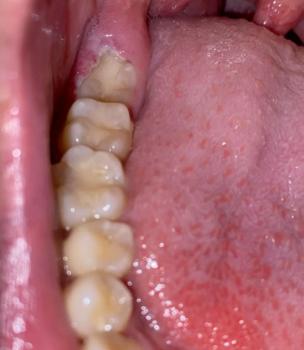
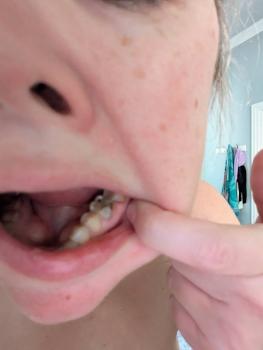
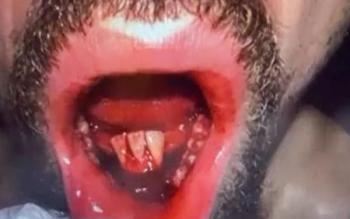
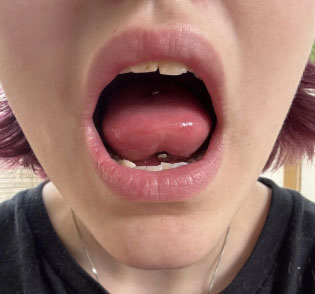
Teeth Case – Full Analysis and Provisional Diagnosis (Zoom 100%)
This assessment is based on a single photographic image. A definitive diagnosis requires an in-person oral examination. Tongue swelling can have multiple causes; persistent or worsening symptoms require prompt professional evaluation.
1. Visual Findings (Deep Examination)
-
Tongue (dorsal surface):
-
Noticeable generalized swelling with a rounded, enlarged appearance.
-
Mild surface redness suggesting inflammatory change.
-
No obvious deep laceration visible in this image.
-
-
Surrounding oral tissues:
-
Lips and oral mucosa appear intact.
-
Airway does not appear compromised in the image, but swelling must be monitored.
-
-
Possible contributing factors:
-
Recent trauma or accidental biting
-
Acute inflammation (glossitis)
-
Allergic reaction or irritation
-
Infection (bacterial or fungal)
-
Dehydration or nutritional deficiency
-
2. Most Likely Diagnosis (Provisional)
-
Acute inflammatory glossitis
-
Traumatic tongue swelling
-
Localized soft-tissue inflammation
3. Differential Diagnosis (If Symptoms Persist or Worsen)
-
Allergic tongue edema
-
Infected tongue lesion
-
Oral candidiasis with inflammatory response
-
Systemic condition–related glossitis
4. Recommended Treatment Process
Phase 1: Immediate Care (Days 1–3)
-
Clinical oral examination to identify cause.
-
Remove or avoid source of trauma if present.
-
Cold compress externally if advised.
-
Saline mouth rinses 2–3 times daily.
-
Soft, non-irritating diet.
Phase 2: Healing Support (Days 4–7)
-
Continue gentle oral hygiene.
-
Avoid spicy, acidic, hot foods, alcohol, and smoking.
-
Use prescribed topical or systemic medication if indicated.
Phase 3: Re-evaluation (Days 8–14)
-
Swelling should gradually subside.
-
If swelling persists, increases, or affects breathing or swallowing, urgent medical evaluation is required.
Expected healing time:
-
Mild to moderate tongue inflammation typically improves within 7–14 days, depending on cause.
5. If Healing Takes 14 Days – What May Scale Up
-
Persistent pain and swelling
-
Secondary infection
-
Difficulty eating, speaking, or swallowing
-
Airway risk in severe cases
-
Need for further diagnostic tests
6. Home Care Recommendations (Interim)
-
Maintain hydration.
-
Avoid irritants and rough foods.
-
Do not bite, press, or scrape the tongue.
-
Monitor size and discomfort daily.
7. Professional Commentary
Tongue swelling is often reversible when the underlying cause is addressed early. Any tongue swelling that does not improve within two weeks, or that interferes with breathing or swallowing, requires immediate professional care.
Visit Nearest Dental Clinic
Find a nearby clinic for proper assessment and management:
https://cebudentalimplants.com/map-dental-clinic
Related Clinical Cases
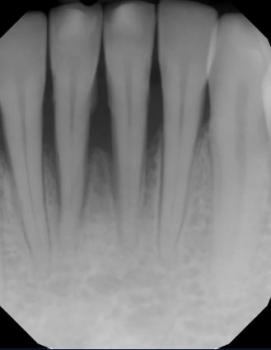
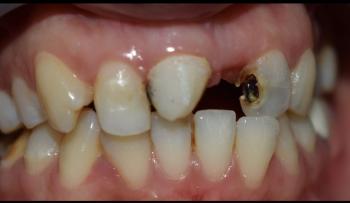
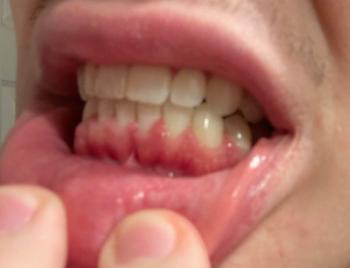
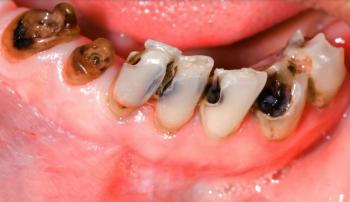
Patients with lower front gum inflammation may also experience tartar buildup, periodontal disease, gum abscesses, or tooth decay. Explore these related clinical case studies.