Missing Teeth? Find Your Smile Again.

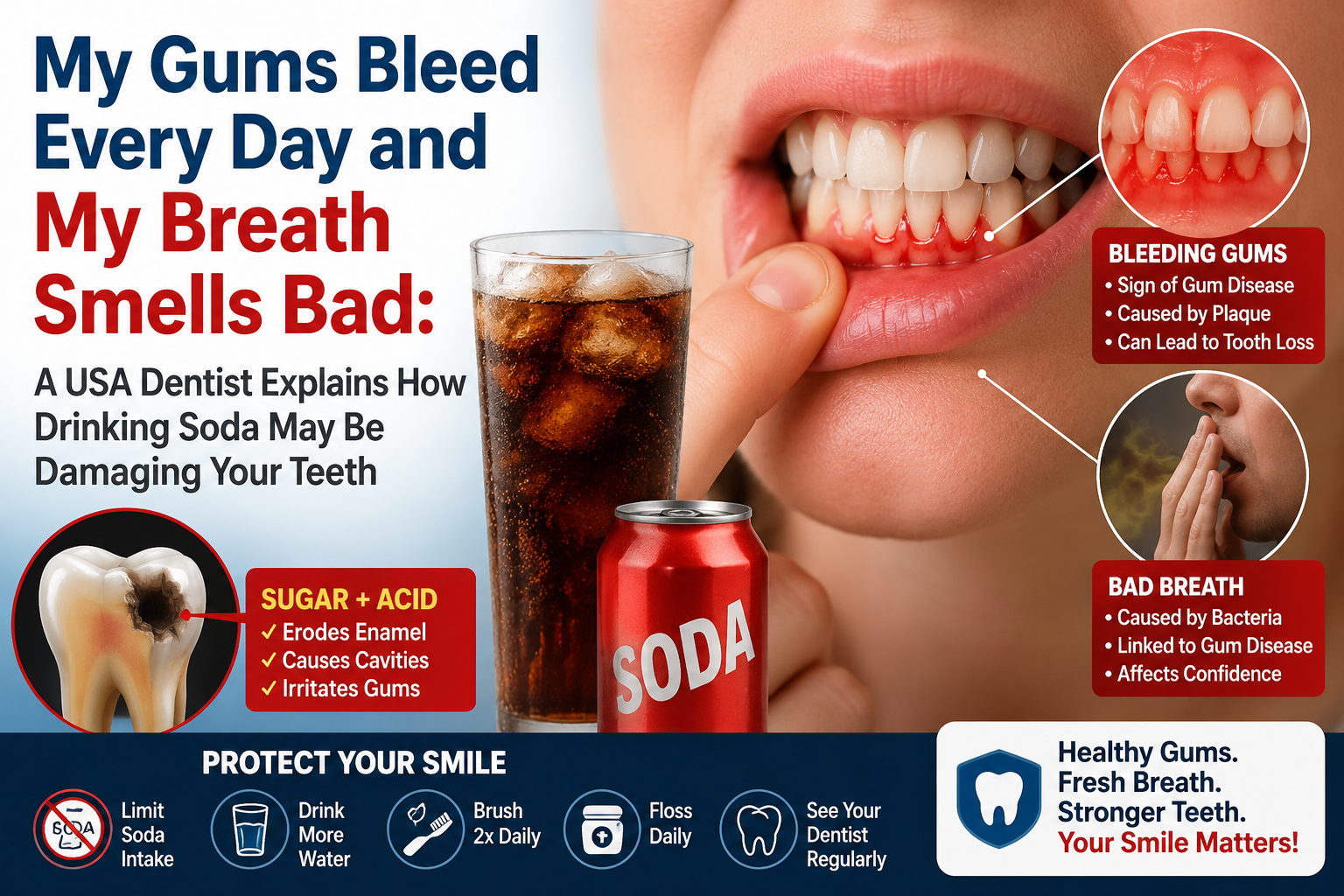
My Gums Bleed Every Day and My Breath Smells Bad: A USA Dentist Explains How Drinking Soda May Be Damaging Your Teeth
Language :
Topics:
I Drink Coca-Cola Every Day and Now My Gums Smell Bad and Bleed: A USA Dentist Explains the Warning Signs, Causes, and How to Protect Your Oral Health
"I live in the United States, and drinking Coca-Cola has become part of my daily routine. I usually drink one or more cans every day, sometimes with lunch, dinner, or while working. At first, I never thought much about it. But over the past few weeks, I noticed something isn't right with my mouth. My gums bleed a little almost every day when I brush my teeth. My breath doesn't smell fresh anymore, even after brushing. My gums feel tender, and I'm starting to worry that years of drinking soda may have damaged my teeth and gums. Could Coca-Cola be causing this? Is it something serious? What should I do?"
If this story sounds familiar, you're not alone. Millions of Americans consume sugary soft drinks daily, and many are surprised to learn that these beverages can affect much more than just the teeth. Regular consumption of soda can contribute to enamel erosion, cavities, gum inflammation, persistent bad breath, and, over time, more serious periodontal (gum) disease.
While drinking Coca-Cola alone is usually not the only cause of bleeding gums or bad breath, frequent exposure to sugar and acid creates an environment where harmful bacteria thrive. Combined with inadequate plaque removal, smoking, dry mouth, diabetes, or other health conditions, the risk of oral disease increases significantly.
The good news is that many early gum problems can be treated successfully if recognized early and managed with professional dental care and improved oral hygiene.
First, Make Sure This Is Not a Dental Emergency
It is important to distinguish between common gum inflammation and a serious dental infection.
Most people with bleeding gums have gingivitis or periodontitis, not a life-threatening infection. However, in rare cases, a dental infection can spread beyond the tooth into the soft tissues of the face or neck.
Emergency Warning
Seek immediate medical or dental care if you experience any of the following:
-
Difficulty breathing or tightness in the throat
-
Difficulty swallowing or excessive drooling
-
Swelling that spreads rapidly toward your eye, neck, or chest
-
High fever, chills, or extreme fatigue
-
Confusion, disorientation, or severe headache
-
A stiff neck
These symptoms may indicate dental-origin facial cellulitis, a potentially life-threatening infection that requires urgent treatment.
If You Are NOT Experiencing Emergency Symptoms
If you have bleeding gums, persistent bad breath, or suspect a chipped tooth but do not have the emergency symptoms listed above, you should still arrange a dental appointment promptly.
Dental problems do not heal on their own. Delaying treatment may allow gum disease, tooth decay, or hidden fractures to worsen over time.
If you have a chipped tooth, contact a dentist for an evaluation. Until you are seen:
-
Avoid chewing on the affected tooth.
-
If there is swelling or discomfort, apply a cold compress or an ice pack wrapped in a cloth to the outside of your cheek for 10–20 minutes at a time.
-
Never apply heat to the area, as heat may increase blood flow and potentially accelerate the spread of an underlying infection.
Can Drinking Coca-Cola Every Day Damage My Teeth?
Yes.
Soft drinks such as Coca-Cola expose your mouth to two major threats:
1. Sugar
Sugar feeds harmful bacteria that live in dental plaque. As these bacteria consume sugar, they produce acids that attack tooth enamel and irritate the gums.
2. Acid
Even sugar-free sodas remain highly acidic. The acids can gradually soften and dissolve enamel, increasing tooth sensitivity and making teeth more vulnerable to cavities.
Repeated exposure throughout the day means your teeth spend more time in an acidic environment, reducing the opportunity for saliva to neutralize the acids and repair early enamel damage.
Why Are My Gums Bleeding Every Day?
Healthy gums generally do not bleed during brushing or flossing.
The most common reason for daily bleeding is gingivitis, the earliest stage of gum disease.
When plaque remains along the gumline, bacteria trigger inflammation. The gums become swollen, red, and more likely to bleed with even gentle brushing.
Other possible causes include:
-
Poor oral hygiene
-
Tartar (calculus) buildup
-
Periodontitis (advanced gum disease)
-
Smoking or vaping
-
Diabetes
-
Dry mouth
-
Hormonal changes
-
Certain medications
-
Vitamin deficiencies
-
Ill-fitting dental restorations
Bleeding should never be ignored, even if it is only a small amount.
Why Does My Mouth Smell Bad?
Persistent bad breath, also known as halitosis, often develops when bacteria accumulate in the mouth.
These bacteria release sulfur-containing compounds that create unpleasant odors.
Common causes include:
-
Gum disease
-
Tooth decay
-
Plaque buildup
-
Food trapped between teeth
-
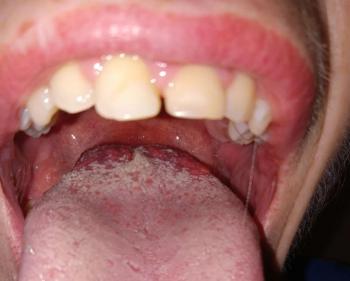
A coated tongue
-
Dry mouth
-
Smoking
-
Poorly fitting dental appliances
Drinking soda frequently can worsen the problem by promoting bacterial growth and increasing the risk of tooth decay.
What Is Gingivitis?
Gingivitis is inflammation of the gums caused primarily by plaque buildup.
Signs include:
-
Bleeding during brushing
-
Bleeding while flossing
-
Red gums
-
Puffy gums
-
Tenderness
-
Bad breath
At this stage, the damage is usually reversible with professional cleaning and excellent oral hygiene.
What Happens If Gingivitis Is Ignored?
Untreated gingivitis can progress to periodontitis.
In periodontitis:
-
The gums begin pulling away from the teeth.
-
Deep periodontal pockets develop.
-
Bone supporting the teeth is gradually lost.
-
Teeth may become loose.
-
Teeth may eventually require extraction.
Early diagnosis offers the best chance of preventing permanent damage.
Can Soda Cause Cavities?
Yes.
The combination of sugar, acid, and frequent sipping creates ideal conditions for tooth decay.
Warning signs include:
-
Tooth sensitivity
-
White spots on enamel
-
Brown or black discoloration
-
Pain when eating sweets
-
Pain while chewing
-
Visible holes in the teeth
Why Does My Mouth Feel Sticky After Drinking Soda?
Sugary beverages encourage plaque bacteria to multiply rapidly.
Plaque becomes thicker and stickier, making it more difficult to remove without thorough brushing and flossing.
If plaque hardens into tartar, only a dental professional can remove it.
How Will My Dentist Diagnose the Problem?
Your dentist may recommend:
-
A comprehensive oral examination
-
Periodontal probing to measure gum pockets
-
Dental X-rays to assess bone levels
-
Evaluation for cavities and enamel erosion
-
Bite assessment
-
Oral cancer screening if appropriate
These tests help determine the cause of bleeding and identify the most appropriate treatment.
Treatment Options
Treatment depends on the underlying cause.
Professional Dental Cleaning
Removes plaque and tartar above the gumline.
Scaling and Root Planing
A deep-cleaning procedure that removes plaque and tartar below the gums for patients with periodontitis.
Filling Cavities
Restores teeth damaged by decay.
Fluoride Treatment
Strengthens weakened enamel and may reduce sensitivity.
Gum Disease Maintenance
Regular periodontal maintenance appointments help control ongoing gum disease.
Lifestyle Changes
Reducing sugary beverage intake, improving oral hygiene, and attending routine dental visits are essential for long-term success.
What Can I Do at Home?
You can support your oral health by:
-
Brushing twice daily with fluoride toothpaste.
-
Flossing every day.
-
Cleaning your tongue.
-
Drinking more water.
-
Limiting sugary and acidic drinks.
-
Rinsing your mouth with water after drinking soda.
-
Waiting about 30 minutes before brushing after consuming acidic beverages to reduce enamel wear.
-
Scheduling regular dental checkups and cleanings.
Should I Stop Drinking Coca-Cola Completely?
You do not necessarily need to eliminate soda forever, but reducing how often you drink it can significantly lower your risk of dental problems.
Helpful habits include:
-
Drink soda with meals rather than sipping throughout the day.
-
Use a straw when appropriate to reduce contact with teeth.
-
Finish the drink instead of sipping for hours.
-
Choose water as your primary beverage.
-
Avoid drinking soda immediately before bedtime without brushing your teeth afterward.
Can Bleeding Gums Heal?
Yes, in many cases.
If bleeding is caused by gingivitis, professional cleaning combined with consistent brushing and flossing often leads to noticeable improvement within a few weeks.
If periodontitis has developed, treatment can control the disease and slow further damage, but lost bone generally cannot regenerate on its own.
Frequently Asked Questions
Is it normal for gums to bleed every day?
No. Healthy gums should not bleed routinely. Persistent bleeding should be evaluated by a dentist.
Can Coca-Cola alone cause gum disease?
Coca-Cola is not usually the only cause, but its sugar and acidity can increase the risk of cavities and contribute to conditions that favor gum disease.
Why does my breath still smell after brushing?
Persistent bad breath may be caused by gum disease, plaque buildup, tongue bacteria, tooth decay, or other medical conditions. A dental examination can help identify the cause.
Should I switch to diet soda?
Sugar-free sodas reduce sugar exposure but remain acidic and can still contribute to enamel erosion.
Can damaged enamel grow back?
No. Enamel does not regenerate naturally. However, fluoride can help strengthen weakened enamel and slow further damage.
Final Thoughts
If you drink Coca-Cola or other soft drinks every day and have noticed bleeding gums, unpleasant mouth odor, or increasing tooth sensitivity, don't ignore these warning signs. While soda is rarely the only cause, its combination of sugar and acid can accelerate plaque buildup, enamel erosion, and gum inflammation—especially when combined with inconsistent oral hygiene or existing dental problems.
The good news is that early gum disease and many dental issues are highly treatable. By reducing sugary beverages, maintaining excellent brushing and flossing habits, and visiting your dentist promptly, you can often stop the progression of disease and protect your natural teeth for years to come.
Finally, remember that routine bleeding gums are very different from a rapidly spreading dental infection. If you develop facial swelling, difficulty breathing or swallowing, high fever, or other emergency warning signs, seek immediate medical attention, as these symptoms may indicate a serious infection requiring urgent care.
Can tooth extraction cause infection? Mild inflammation is normal, but increasing swelling, fever, or severe pain may indicate infection. Learn more about post-extraction infection warning signs in this detailed guide.
Book a consultation with our Cebu dental specialists for proper evaluation and care.
Ready to get expert guidance?
If you’re experiencing severe pain or delayed healing, book a consultation with our Cebu dental specialists to get proper evaluation and care.
Consultation or contact page .
Book a Consultation
For severe discomfort or delayed healing, book a consultation with our Cebu dental specialists today.
Looking for a dentist? Browse our Cebu dental directory to find trusted clinics near you.
Medical Review and Clinical Basis
This article is based on clinical dental guidelines and real patient recovery patterns observed after tooth extraction procedures. The information reflects common post-extraction healing stages, including normal clot formation, gum tissue repair, and signs of possible complications such as dry socket or infection.
While mild discomfort is expected after a dental extraction, worsening pain after Day 3, bad odor, exposed bone, or spreading pain may require professional evaluation. These symptoms are consistent with known post-extraction complications described in standard dental practice.
About Cebu Dental Implants
Cebu Dental Implants provides comprehensive tooth extraction, surgical procedures, and dental implant services in the Philippines. Our team evaluates post-extraction healing, manages complications such as dry socket, and advises patients on proper aftercare to prevent infection and delayed healing.
If you experience severe pain or unusual symptoms after extraction, early professional assessment is recommended to prevent further complications.
Important Medical Disclaimer
This content is for educational purposes only and does not replace professional dental diagnosis. Every patient heals differently. If symptoms worsen or do not improve within a few days, consult a licensed dentist for proper evaluation and treatment.
Author
This article was prepared by the Cebu Dental Implants content team in consultation with licensed dental professionals experienced in tooth extraction and implant procedures.
Related Clinical Cases
Patients with lower front gum inflammation may also experience tartar buildup, periodontal disease, gum abscesses, or tooth decay. Explore these related clinical case studies.



Other topics:
Other Dental Clinic
 |
 |
 |
 |