Other topics:

Does Whiskey Clean Your Teeth? The Surprising Truth About Alcohol & Dental Health

The Whiskey Grin

Can Daily Whiskey Drinkers Have Healthy Teeth? Dentists Weigh In

Chapter 1: The Daily Dram
Every evening at precisely 7:03 PM, Gerald McAllister would pour himself two fingers of single-malt whiskey—neat, no ice, no nonsense. "For the nerves," he’d say, though his nerves were as steady as a surgeon’s. Gerald wasn’t just a whiskey drinker; he was a connoisseur, a man who believed his nightly ritual polished his personality—and, oddly, his teeth.

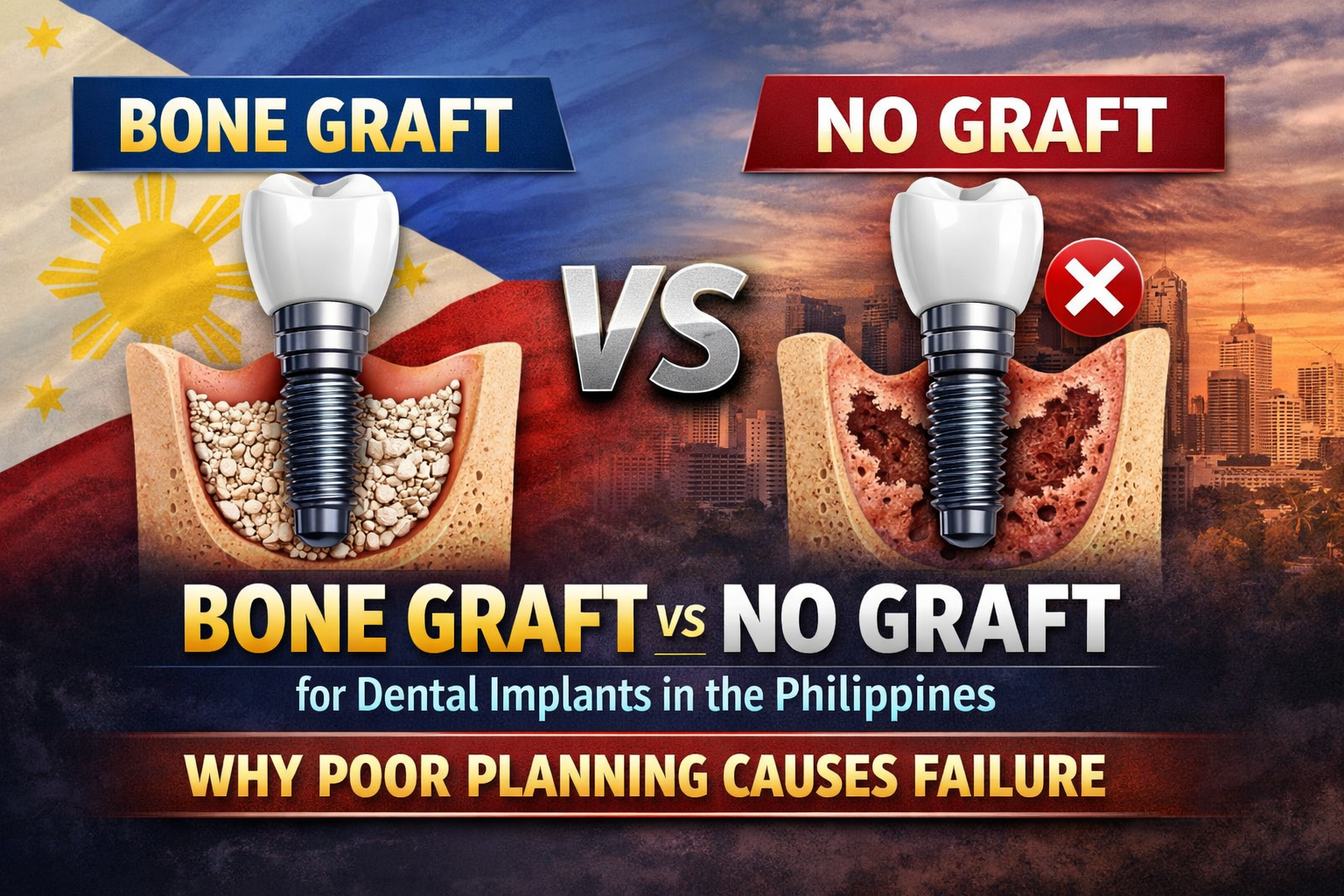
Bone Graft vs No Graft for Dental Implants in the Philippines: Why Poor Planning Causes Failure

Topics: 

Dental implants are one of the best long-term solutions for missing teeth. However, many implant cases fail — not because implants are bad — but because planning was poor.

Two major causes of failure in the Philippines:

  1. Skipping bone graft when needed

  2. Underestimating the total financial investment

This article explains the difference between bone graft vs no graft, and why many Filipino patients experience implant complications.

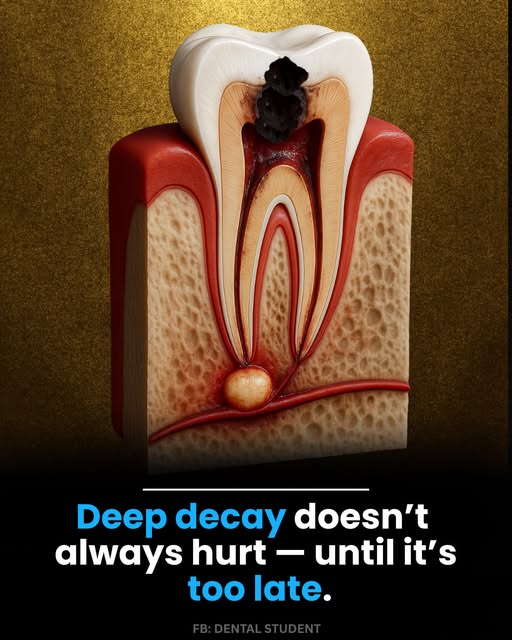
Painless Tooth Decay: Why No Pain Means Bigger Dental Problems

Tooth decay is often seen as a problem that announces itself with sharp pain or sensitivity. But what if the most dangerous cavities are the ones you don’t feel?

The Hidden Progression of Tooth Decay

  1. Enamel Erosion (Silent Stage)

    • Decay starts by demineralizing the enamel, the hardest substance in the body.

    • Since enamel has no nerves, this stage is painless—no warning signs.

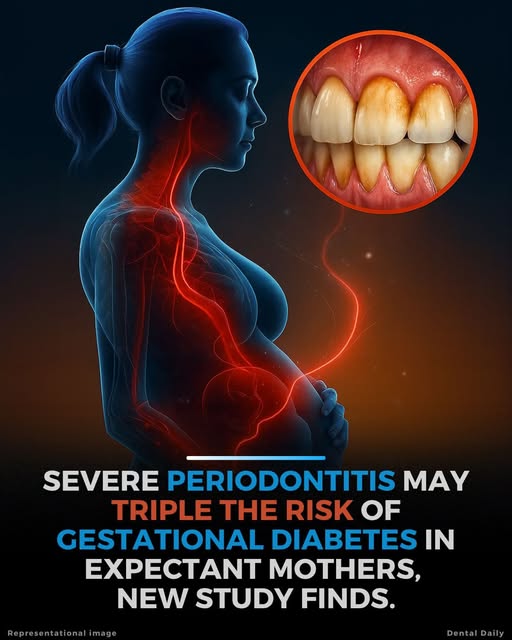
Healthy Gums, Healthy Baby: The Shocking Link Between Gum Disease and Gestational Diabetes

Topics: 

The Silent Threat in Your Smile: How Gum Disease Can Affect Your Pregnancy Journey

A groundbreaking new study in the Journal of Periodontology has delivered a critical message for every expectant mother: the health of your mouth is directly tied to the health of your pregnancy. The research found that women with moderate to severe gum disease (periodontitis) were up to three times more likely to develop gestational diabetes mellitus (GDM).

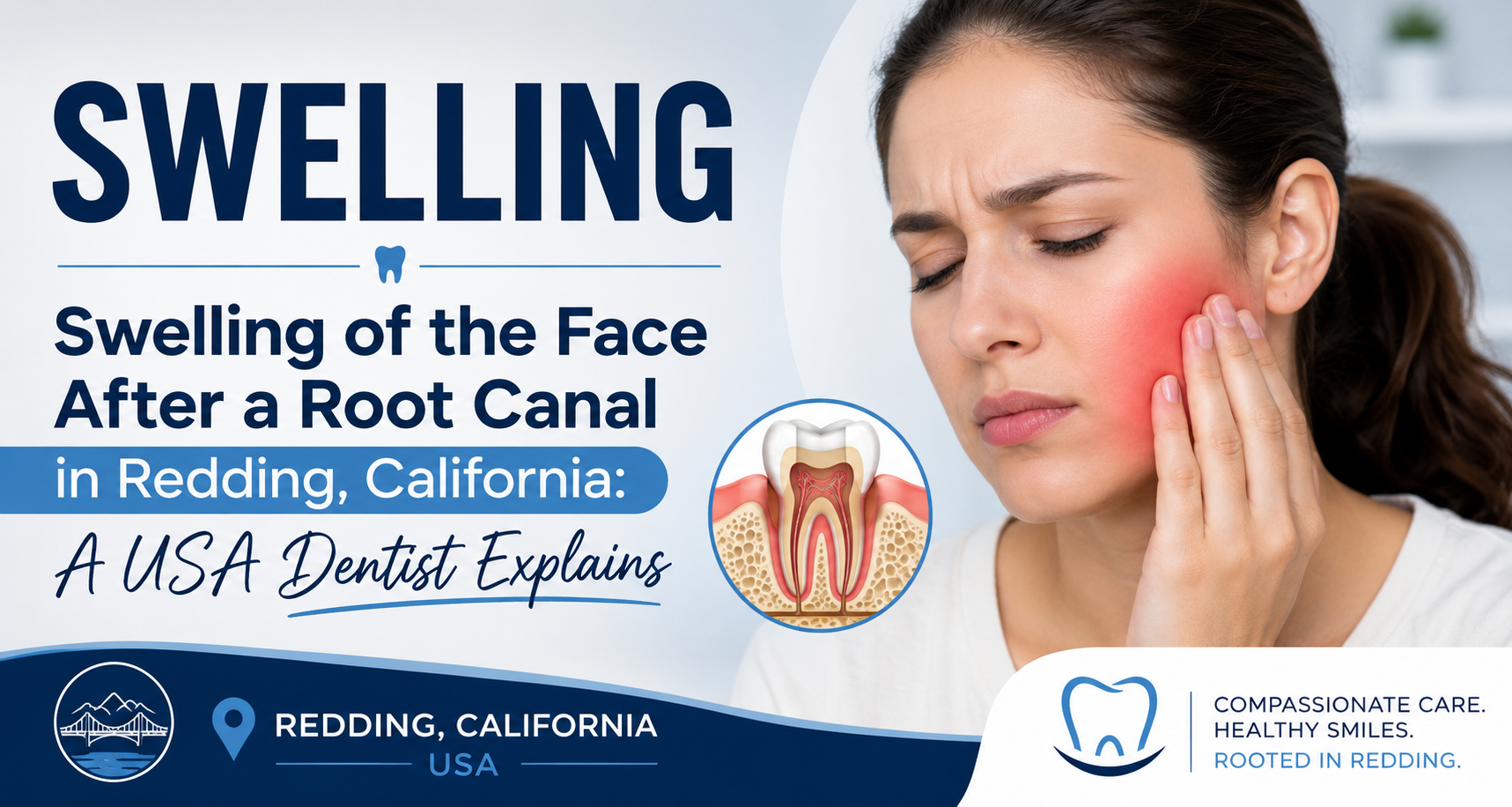
Swelling of the Face After a Root Canal in Redding, California: A USA Dentist Explains Causes, Warning Signs, Treatment Options, and Worst-Case Scenarios (2026 Guide)

One of the most alarming situations for patients is waking up after a root canal treatment and noticing swelling in the face. Whether the swelling is mild around the cheek or severe enough to affect speaking, eating, or opening the mouth, many patients immediately wonder if something has gone wrong.

As a dentist who has treated complex root canal infections and dental emergencies for many years in the United States, I can tell you that facial swelling after a root canal can range from a normal healing response to a serious infection requiring immediate attention.

Black Spots on Teeth – Causes and Solutions

Black Spots on Teeth: What Could Be Happening and How to Address It

Noticing black spots on your teeth can be alarming. These spots may be a sign of various dental issues, ranging from stains to more serious conditions. Here’s what you need to know about black spots on teeth and how to address them.

Possible Causes:

  1. Tooth Decayz: Black spots could indicate cavities or tooth decay. When decay progresses, it can turn dark and affect the tooth’s appearance.

Is Dental Tourism Safe in the Philippines? Addressing Price, Skill, and Guarantees for OFWs and Global Patients

Introduction: The Elephant in the Room

Let’s address the fear directly.

You search for dental implant prices in the United States or Europe and see figures like $30,000 to $60,000 for full mouth reconstruction. Then you look at prices in the Philippines — and they are 60–70% lower.

Your first reaction is natural:

“It looks too cheap to be true. Is it safe?”

This article is not here to sell you anything. It is here to analyze the value proposition versus the risk perception.

If you are:

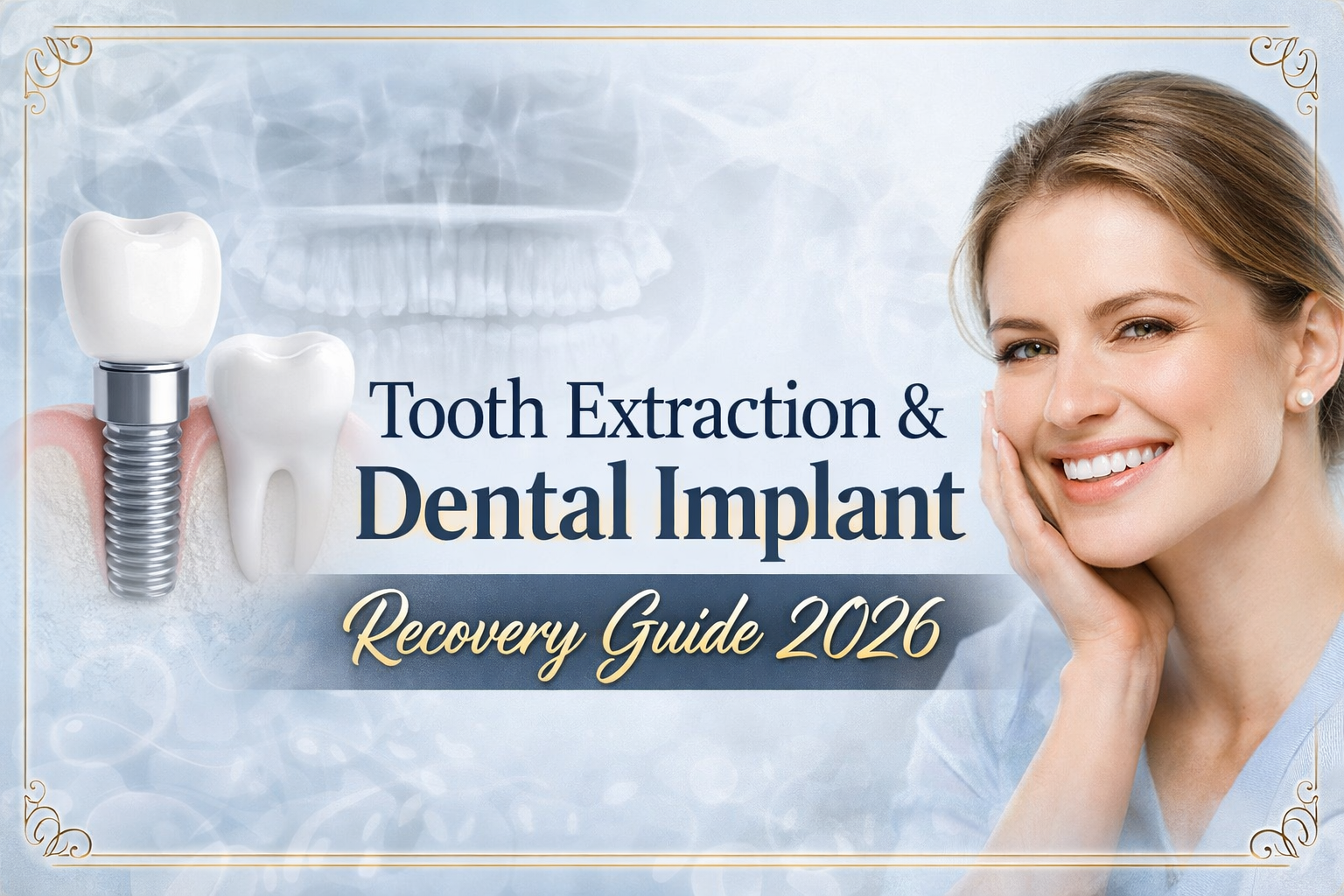
Tooth Extraction & Dental Implant Recovery Guide 2026

Tooth Extraction Healing Stages Day by Day

Tooth extraction healing happens in clear stages, and knowing what to expect helps reduce anxiety.

On Day 1, a blood clot forms in the socket. This clot is very important because it protects the bone and nerves underneath. Slight bleeding and swelling are normal.

By Day 2 to Day 3, swelling may peak, and mild pain is expected. The clot stabilizes, and the body starts repairing the tissue.

Pages