Other topics:

Bone Graft Health Qualification: Who Is Eligible and Understanding the 5–10% Failure Risk
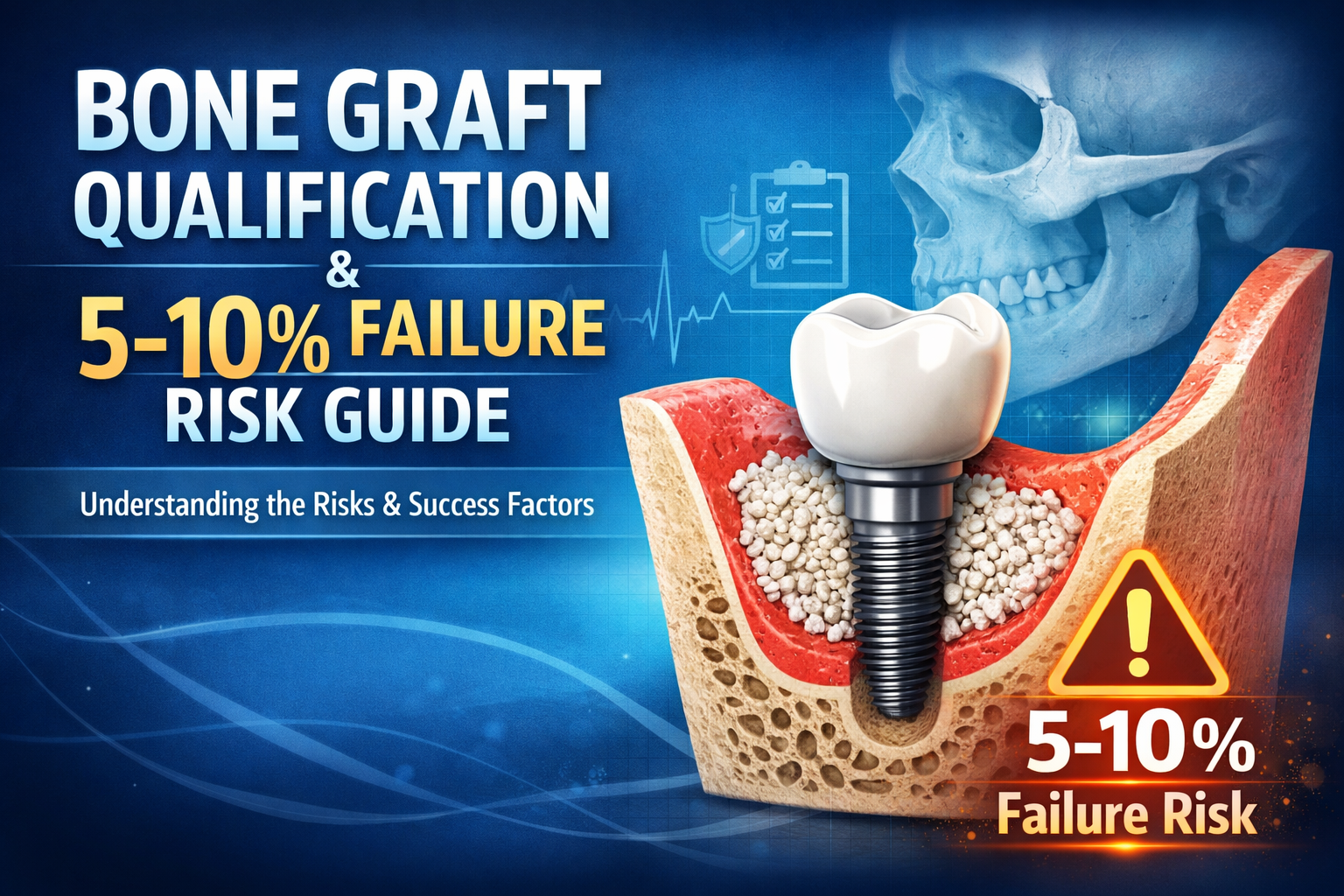
Dental bone grafting is a predictable procedure with a 90–95% success rate worldwide. However, studies consistently show a 5–10% failure rate — even when performed correctly.

One critical reason?
Not all patients are medically qualified for bone graft surgery.

Proper screening before surgery significantly reduces complications, implant failure, and legal disputes.

Bone grafting rebuilds jawbone volume before placing dental implants. It may involve:

  • Autograft (patient’s own bone)

Cheap Dental Implants in Philippines: Why OFWs Fly Home to Save Thousands

"The Smile Worth a Thousand Miles"

Chapter 1: The Overseas Grind

Jose "Jojo" Mendoza had spent the last six years working in Dubai as an electrician, sending money back home to his family in Pampanga. The pay was good—far better than anything he could earn in the Philippines—but the cost of living was high, and luxuries like dental care were painfully expensive. A simple tooth extraction in Dubai could cost him a week’s salary, while a crown or implant? Forget it. That was a month’s wages gone.

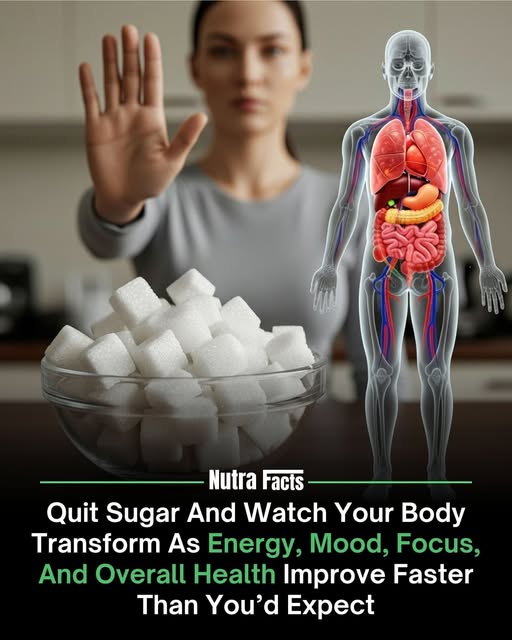
The Sweet Truth: How a Sugar-Free Switzerland Could Own the Healthiest Smiles on Earth

Topics: 

Switzerland is a land of breathtaking alpine beauty, precision engineering, and… world-famous chocolate. It’s a delicious paradox. Yet, imagine for a moment a different Switzerland—one that removed sugar from its daily lifestyle. Beyond the global shock to the confectionery industry, this nation would likely become a global blueprint for a healthy body and, most undeniably, showcase the healthiest teeth on the planet.

Mouth Breathing at Night? Here’s Why It’s Destroying Your Teeth (And How to Fix It)

The Hidden Danger of Mouth Breathing: How Sleeping with Your Mouth Open Causes Tooth Decay

Do you wake up with a dry mouth, bad breath, or a sore throat? You might be sleeping with your mouth open—a habit that silently damages your teeth. While it may seem harmless, chronic mouth breathing at night leads to oral dryness, creating the perfect environment for cavities, gum disease, and enamel erosion.

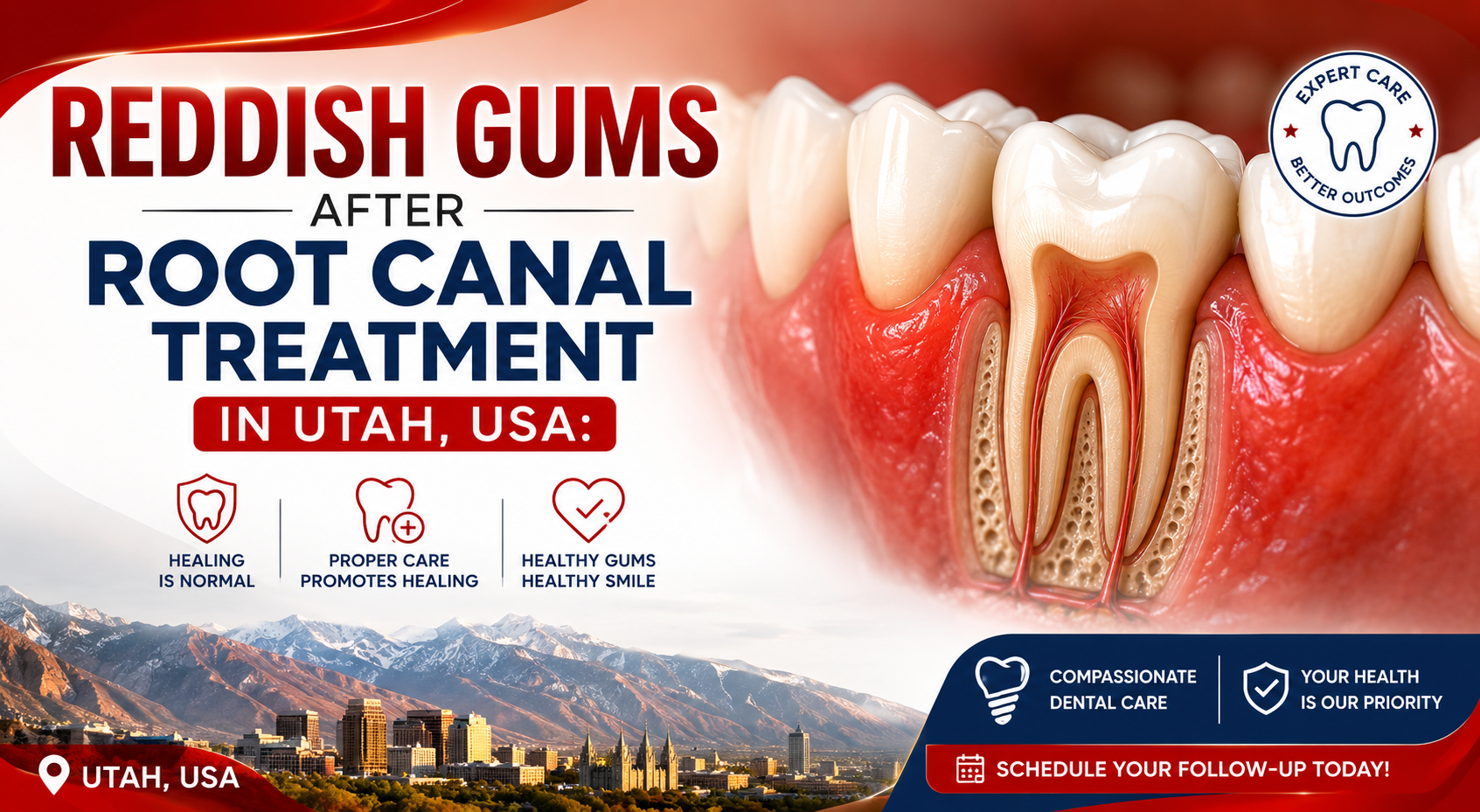
Reddish Gums After Root Canal Treatment in Utah, USA: When a Poor Dental Procedure Makes Things Worse and How a Skilled Dentist Can Save Your Teeth

A root canal treatment is supposed to eliminate pain, remove infection, and save a natural tooth. For thousands of patients across Utah every year, the procedure successfully restores oral health and allows them to keep their teeth for many years.

However, not every root canal treatment ends with a happy outcome.

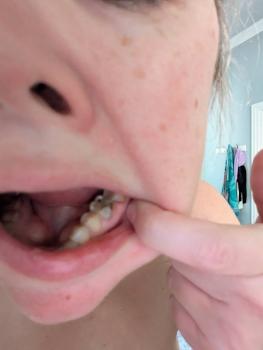
Some patients notice something alarming days or weeks after the procedure. Their gums become red, swollen, tender, and sometimes painful. Instead of feeling relief, they begin wondering whether something went wrong.

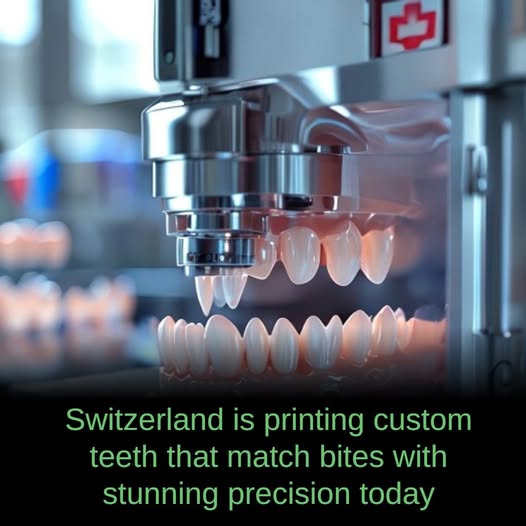
Switzerland’s 3D-Printed Teeth Revolution: AI, Tooth Regrowth, and the Future of Dental Implants

The Future of Teeth Is No Longer Science Fiction

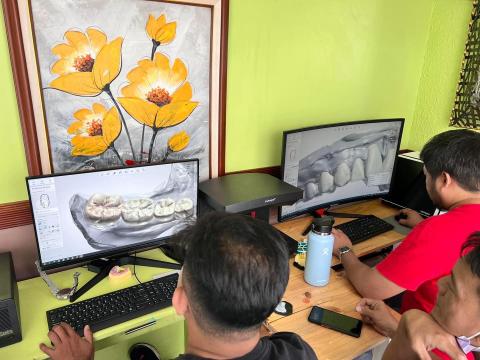
Across the world, dentistry is entering one of the biggest technological revolutions in modern healthcare. In advanced laboratories and research centers in Switzerland, scientists and dental experts are now developing highly precise 3D-printed teeth that can match human bites with extraordinary accuracy.

What once sounded impossible is rapidly becoming reality.

Today, researchers are combining:

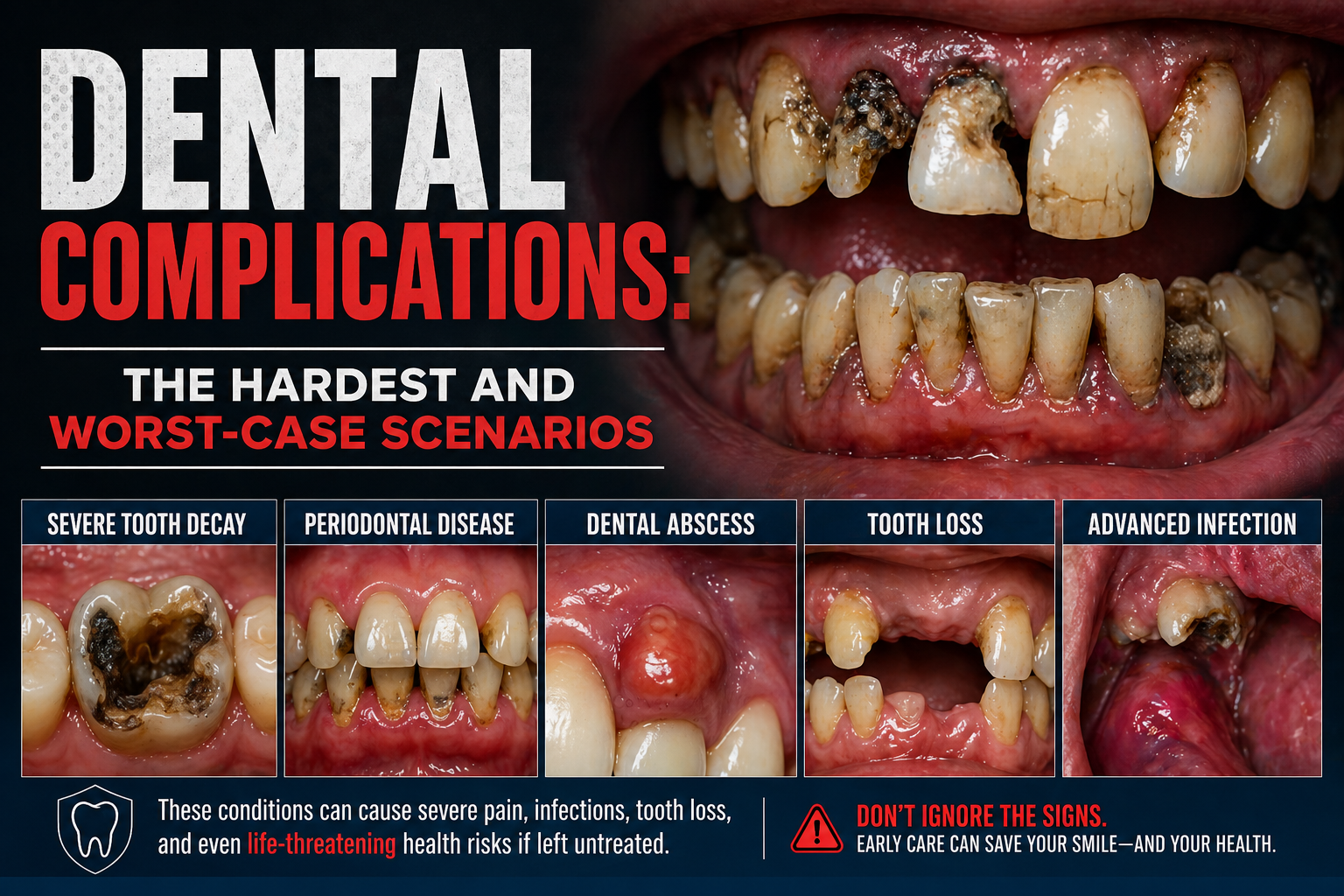
Dental Complications: The Hardest and Worst-Case Scenarios

A Clinical Guide from a Georgia Dental Bone Graft Expert

When most patients think about dental procedures—extractions, implants, or bone grafting—they expect some discomfort, swelling, and a few days of recovery.

And in most cases, that’s exactly what happens.

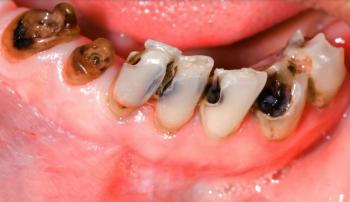
But as a dental bone graft specialist in Georgia, I’ve also seen the other side—the difficult cases, the complications that escalate, and the situations patients wish they had understood earlier.

Let’s be clear:

Tiny Worm Teeth: When Early America Believed Cavities Were Living Creatures

Topics: 

Tiny Worm Teeth: When America Believed Cavities Were Alive

Long before electricity lit homes or science explained disease, early Americans inherited an old belief that tooth pain came from tiny worms living inside the teeth. This idea, carried across oceans from Europe and the ancient world, shaped how people in the United States understood dental suffering for generations.

In colonial towns and frontier settlements, a throbbing tooth was not just decay—it was invasion.

Pages