Smile Again with Comfort and Confidence.

Why Children's Teeth Break So Easily: Dentinogenesis Imperfecta Case Analysis, Diagnosis, Treatment & Recovery
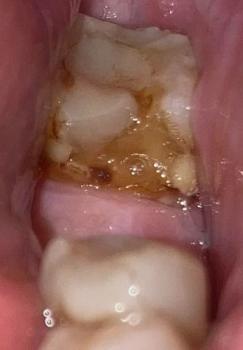
Image:
Severity:
Teeth Problems:
Clinical Disclaimer
This assessment is based only on the provided clinical image. A definitive diagnosis requires an in-person examination, dental history, X-rays, and, when appropriate, genetic evaluation.
Clinical Image Analysis
Overall Appearance
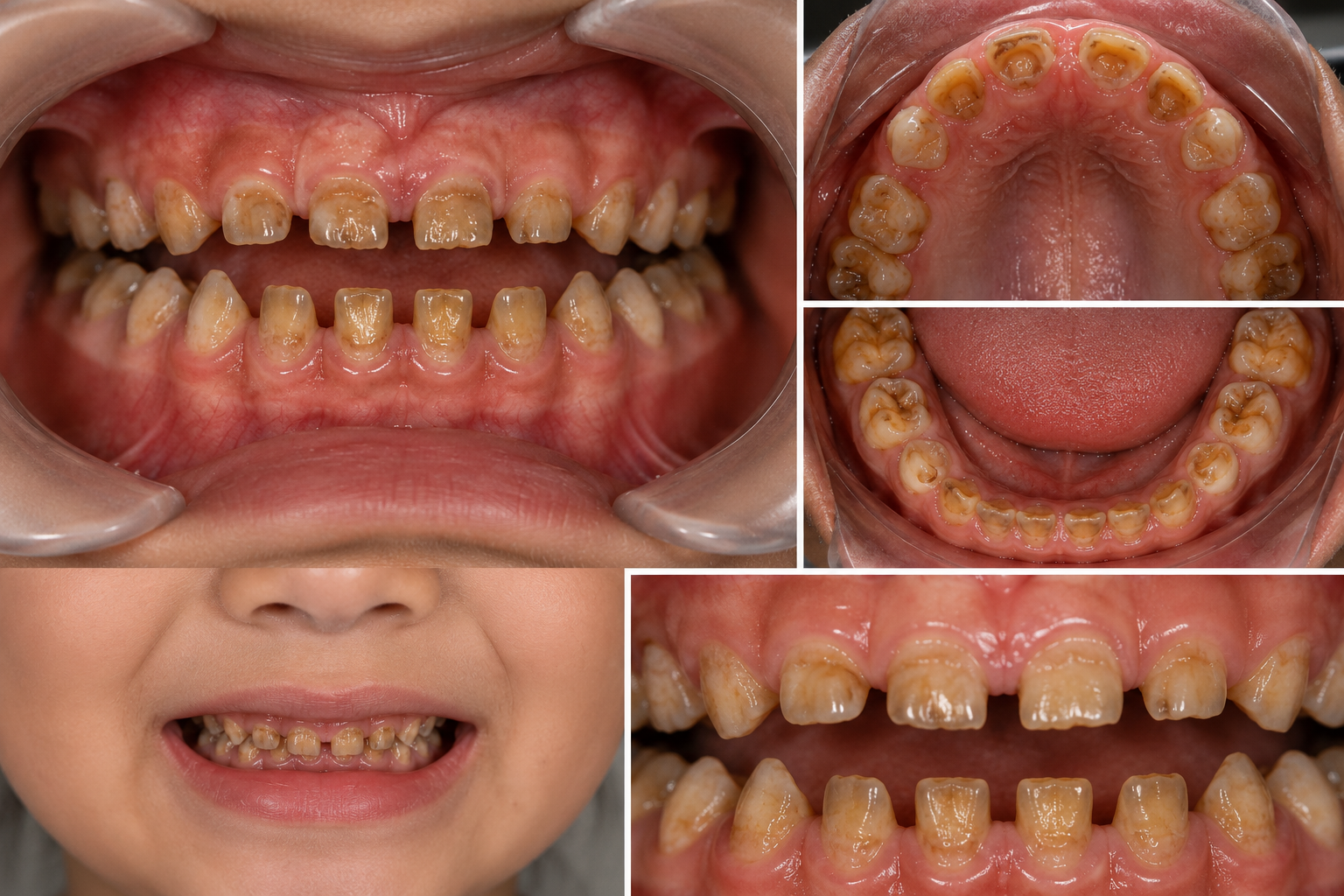
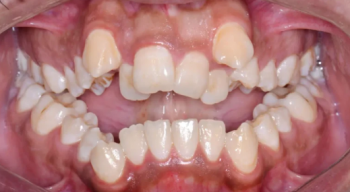
The teeth demonstrate findings highly suggestive of Dentinogenesis Imperfecta (DI), including:
- Generalized yellow-brown discoloration
- Severe enamel wear
- Flattened chewing surfaces
- Extensive dentin exposure
- Multiple chipped and fractured teeth
- Shortened clinical crowns
- Mixed dentition stage
- Uneven bite caused by excessive tooth wear
Estimated Severity
High
Multiple teeth appear structurally compromised and are at increased risk of additional fractures if treatment is delayed.
Most Likely Diagnosis
Primary Diagnosis
Dentinogenesis Imperfecta (DI)
This inherited dental disorder weakens the dentin, making the overlying enamel prone to breaking away. As a result, teeth wear rapidly, become sensitive, and may fracture even during normal chewing.
Other Conditions That Should Be Considered
- Amelogenesis Imperfecta
- Severe enamel hypoplasia
- Dental erosion from acidic foods or drinks
- Bruxism (teeth grinding)
- Other developmental tooth disorders
Teeth Most at Risk
Based on the image, the following teeth appear most affected:
- Primary incisors
- Primary canines
- Primary molars
- Newly erupting permanent incisors
As permanent molars erupt, they may also require early protection if Dentinogenesis Imperfecta is confirmed.
Recommended Diagnostic Examination
Clinical Evaluation
- Complete oral examination
- Bite analysis
- Tooth mobility assessment
- Sensitivity testing
- Family medical and dental history
Dental Imaging
- Panoramic X-ray
- Bitewing X-rays
- Periapical X-rays
Additional Assessment
- Clinical photographs
- Growth monitoring
- Genetic consultation when appropriate
Recommended Treatment Plan
Immediate Protection (Day 1)
Treatment goals include:
- Prevent further tooth wear
- Cover exposed dentin
- Reduce pain and sensitivity
- Preserve chewing function
Recommended treatment may include:
- Stainless Steel Crowns (SSCs) for primary molars
- Composite resin restorations for front teeth
- Fluoride treatment
- Oral hygiene instruction
- Dietary counseling
Follow-Up Care
Every 3–6 months:
- Evaluate restorations
- Monitor eruption of permanent teeth
- Check bite development
- Assess oral hygiene
Protection of Permanent Teeth
As permanent teeth erupt, dentists may recommend:
- Ceramic crowns
- Composite crowns
- Partial coverage restorations
- Preventive sealants
- Bite adjustment when necessary
Healing Timeline
First 24 Hours
- Restorations are completed.
- Sensitivity begins to decrease.
- Soft foods are recommended.
Days 3–7
- Child becomes more comfortable while chewing.
- Bite starts adapting to restorations.
- Gum tissues continue healing.
Around 14 Days
Most children experience:
- Comfortable chewing
- Improved speech
- Better bite stability
- Significant reduction in tooth sensitivity
A follow-up visit confirms that restorations remain stable and comfortable.
What Happens if Treatment Is Delayed Beyond 14 Days?
Without treatment, the condition may continue to worsen.
Progressive Tooth Wear
Every meal can remove additional weakened tooth structure.
Larger Tooth Fractures
Thin enamel can continue breaking away, exposing deeper dentin.
Increased Tooth Sensitivity
Children may experience discomfort when consuming:
- Cold foods
- Hot drinks
- Sweet foods
- Cold air
Bite Collapse
Loss of tooth height may affect:
- Jaw development
- Chewing efficiency
- Tooth alignment
- Facial growth
Higher Risk of Infection
Deep wear may expose the dental pulp, increasing the likelihood of:
- Tooth abscess
- Severe toothache
- Infection
- Need for pulp therapy or extraction
More Complex Future Treatment
Delayed treatment may eventually require:
- Multiple crowns
- Root canal treatment (when appropriate)
- Tooth extraction
- Orthodontic treatment
- Prosthetic rehabilitation
Home Care Recommendations
Parents should:
- Brush twice daily using fluoride toothpaste.
- Use a soft-bristled toothbrush.
- Avoid hard candies, ice, and tough foods.
- Limit sugary snacks and acidic beverages.
- Attend regular dental checkups.
Long-Term Outlook
With early diagnosis and timely protection using full-coverage restorations, most children can maintain healthy function, preserve permanent teeth, and reduce the risk of future fractures.
Without treatment, continued wear may result in extensive tooth destruction and more complicated dental care.
When Immediate Dental Care Is Needed
Seek urgent dental evaluation if the child develops:
- Severe tooth pain
- Facial swelling
- Fever
- Pus around a tooth
- Difficulty chewing
- Broken tooth exposing the pulp
- Persistent bleeding
Find a Dental Clinic Near You
If your child has fragile teeth, rapid tooth wear, or frequent fractures, schedule an examination with a qualified dentist or pediatric dental specialist as soon as possible.
Search for a nearby dental clinic using our directory:
https://cebudentalimplants.com/map-dental-clinic
Expert Clinical Comment
The clinical appearance strongly suggests a hereditary tooth disorder affecting dentin strength. Early protection with Stainless Steel Crowns (SSCs) for primary molars and timely placement of full-coverage restorations on newly erupted permanent teeth offers the best opportunity to preserve tooth structure, maintain normal jaw development, reduce pain, and prevent long-term complications. A definitive diagnosis should always be confirmed through a comprehensive clinical examination and appropriate dental imaging.
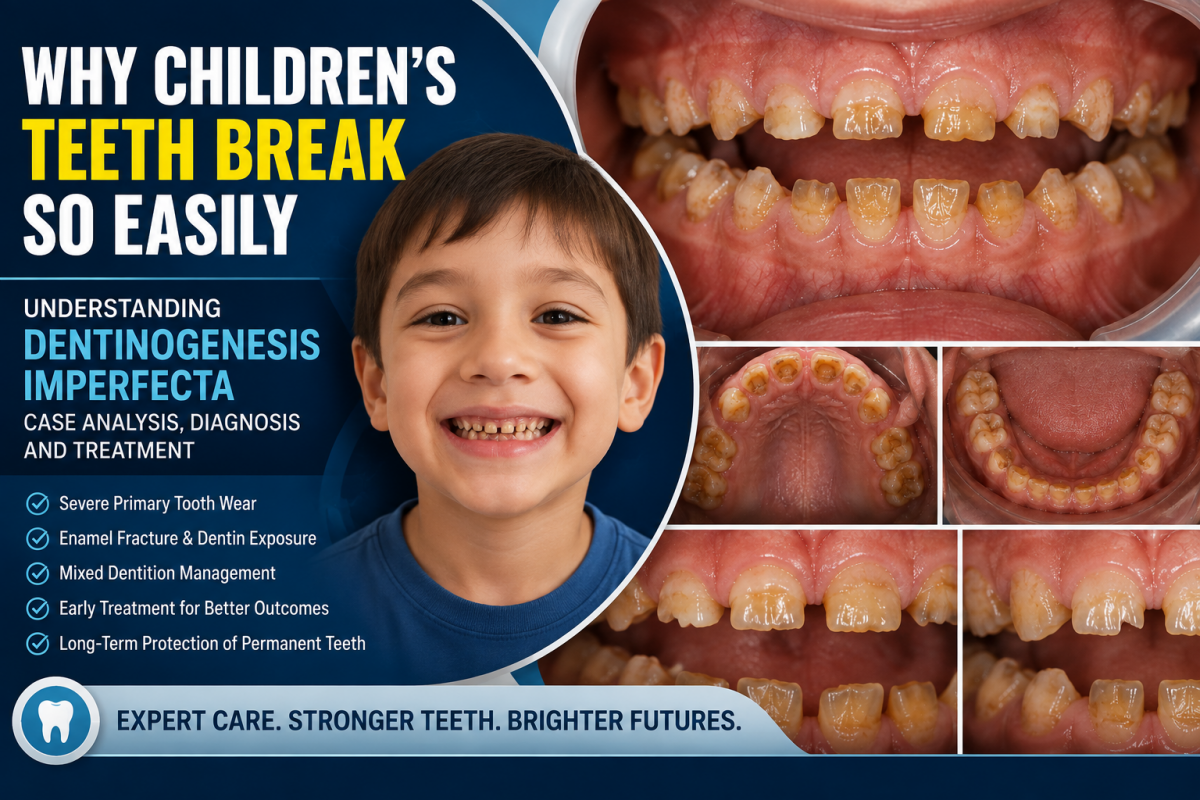
Frequently Asked Questions (FAQ): Dentinogenesis Imperfecta – Expert Answers from a USA Dentist
1. What is Dentinogenesis Imperfecta?
Dentinogenesis Imperfecta (DI) is a rare inherited dental condition that affects the inner structure of the teeth called dentin. Because the dentin is abnormal, the enamel lacks proper support and can easily chip, crack, or wear away. Children with DI often develop discolored, fragile teeth that require early dental treatment to preserve function and prevent extensive damage.
2. Why do children's teeth break so easily with Dentinogenesis Imperfecta?
Unlike healthy teeth, DI teeth contain defective dentin that cannot adequately support the enamel. Even normal chewing forces may cause enamel fractures, rapid tooth wear, or complete loss of tooth structure. In many cases, parents notice their child's teeth becoming shorter, flatter, or darker over time.
3. Is Dentinogenesis Imperfecta inherited?
Yes. Dentinogenesis Imperfecta is usually inherited through an autosomal dominant genetic pattern, meaning a parent with the condition has a significant chance of passing it to their child. A family history of fragile, discolored, or rapidly wearing teeth is an important diagnostic clue.
4. What are the earliest signs parents should watch for?
Common early signs include:
- Blue-gray, amber, or yellow-brown teeth
- Teeth that chip easily
- Rapid tooth wear
- Smooth, flattened chewing surfaces
- Sensitive teeth
- Shortened front teeth
- Frequent dental fractures
Early diagnosis greatly improves long-term outcomes.
5. Can baby teeth be saved?
In many cases, yes. Pediatric dentists commonly protect severely worn primary molars with Stainless Steel Crowns (SSCs) while restoring front teeth with tooth-colored composite materials when appropriate. Early protection helps preserve chewing ability, reduce pain, and maintain space for permanent teeth.
6. Why are Stainless Steel Crowns recommended for primary molars?
Stainless Steel Crowns completely cover weakened primary molars, protecting them from additional fractures and wear. They also restore chewing function, maintain bite height, and help preserve space for erupting permanent teeth. These crowns have an excellent long-term success rate in pediatric dentistry.
7. What happens when permanent teeth begin erupting?
Children with DI require close monitoring as permanent teeth emerge. Newly erupted permanent teeth often benefit from early full-coverage restorations such as ceramic or composite crowns once eruption is complete and gum tissues have matured. Early intervention helps prevent severe enamel fractures and long-term tooth destruction.
8. Does Dentinogenesis Imperfecta cause pain?
It can. Once enamel wears away, the underlying dentin becomes exposed, leading to sensitivity when eating hot, cold, sweet, or acidic foods. If wear progresses into the dental pulp, significant pain and infection may develop.
9. Can untreated Dentinogenesis Imperfecta become serious?
Yes. Delayed treatment can lead to:
- Progressive tooth wear
- Larger enamel fractures
- Bite collapse
- Difficulty chewing
- Tooth abscesses
- Chronic pain
- Premature tooth loss
- More extensive restorative treatment later in life
Early protection significantly reduces these risks.
10. How is Dentinogenesis Imperfecta diagnosed?
Diagnosis typically includes:
- Comprehensive dental examination
- Family history review
- Dental X-rays
- Clinical photographs
- Bite evaluation
- Genetic consultation when indicated
These findings help distinguish DI from other developmental enamel disorders.
11. How long does treatment take?
The timeline depends on the severity of the condition and the number of teeth involved.
- Day 1: Examination, diagnosis, and treatment planning
- Within 1–2 weeks: Placement of restorations or stainless steel crowns when indicated
- Every 3–6 months: Follow-up examinations to monitor eruption and crown integrity
- Long-term: Ongoing protection of permanent teeth as they erupt
Children generally adapt well to restorations within approximately two weeks.
12. Will my child need dental crowns for life?
Not necessarily. Stainless Steel Crowns placed on primary teeth remain until those teeth naturally fall out. Permanent teeth may require long-term protective restorations depending on the severity of DI, but treatment is individualized based on clinical findings and growth.
13. Can children with Dentinogenesis Imperfecta eat normally?
Yes, after appropriate treatment. Once weakened teeth are protected, most children can return to a normal diet, although dentists usually recommend avoiding hard candies, chewing ice, popcorn kernels, and other foods that increase fracture risk.
14. Is there a cure for Dentinogenesis Imperfecta?
There is currently no cure because it is a genetic condition. However, modern pediatric restorative dentistry can successfully protect teeth, improve function, reduce pain, preserve jaw development, and maintain an attractive smile throughout childhood and adulthood.
15. When should parents seek immediate dental care?
Contact a dentist immediately if your child develops:
- Sudden tooth fracture
- Severe tooth pain
- Facial swelling
- Fever with dental pain
- Pus around a tooth
- Difficulty eating due to pain
- Loose or broken restorations
- Bleeding that does not stop
Prompt treatment helps prevent infection and more extensive tooth damage.
Expert Commentary from a USA Dentist
"Dentinogenesis Imperfecta is one of the most challenging hereditary dental conditions we treat in children, but early intervention can dramatically change a child's future. By protecting primary teeth with full-coverage restorations and carefully monitoring erupting permanent teeth, we can preserve chewing function, support normal jaw growth, reduce discomfort, and minimize the need for complex procedures later in life. Parents should never ignore rapid tooth wear or repeated tooth fractures, as timely treatment offers the best long-term prognosis."
Related Clinical Cases
Patients with lower front gum inflammation may also experience tartar buildup, periodontal disease, gum abscesses, or tooth decay. Explore these related clinical case studies.

Other topics:
Other Dental Clinic
 |
 |
 |
 |