We Bring Back the Sparkle in Your Smile.

Dental Tourism Philippines Cost Guide
Language :

Insights and Practical Advice from Dentists in the Philippines
Dental tourism in the Philippines has grown rapidly over the past decade, attracting patients from the United States, Canada, Australia, and the UK. The reason is simple: high-quality dental care at significantly lower costs.
But how much does it really cost? And what should you expect beyond the price?
This guide—written in the voice of dentists practicing in the Philippines—breaks down real treatment costs, travel expenses, planning strategies, and what international patients need to know before booking.
Why Patients Choose the Philippines for Dental Tourism
From a clinical perspective, the Philippines offers a strong balance between affordability and quality.
Key Advantages:
- English-speaking dentists and staff
- Internationally trained professionals
- Modern dental technology
- Lower treatment costs (50%–70% savings)
Patients are not just coming for savings—they’re coming for value and personalized care.
Average Dental Treatment Costs in the Philippines
Below is a realistic overview of dental procedure costs compared to Western countries.
Dental Implants
- Single implant: $800 – $2,000
- Implant with crown: $1,200 – $2,500
- Full-mouth implants (All-on-4): $8,000 – $18,000
Other Common Procedures
- Dental crowns: $250 – $800
- Veneers: $300 – $900 per tooth
- Root canal treatment: $200 – $600
- Teeth whitening: $150 – $400
Total Cost of Dental Tourism (Real Breakdown)
Many patients focus only on treatment cost—but total expenses include travel and accommodation.
Example Budget (10-Day Trip):
- Dental treatment: $10,000
- Flights: $800 – $1,500
- Hotel: $500 – $1,200
- Food & local transport: $200 – $400
Total Estimated Cost:
$11,500 – $13,000
Compared to USA:
Equivalent treatment could cost $25,000–$40,000+
Where to Go in the Philippines
Popular dental tourism locations include:
- Manila – advanced clinics, international patients
- Cebu – strong dental tourism hub
- Davao – growing reputation, less crowded
Each offers modern facilities, but Manila and Cebu remain the most established.
What Filipino Dentists Want You to Know
As dentists practicing in the Philippines, we often see international patients arrive with both excitement and concern.
Here’s what we tell them:
1. Not All Clinics Are the Same
Choose clinics that:
- Have international training
- Use globally recognized implant systems
- Maintain strict sterilization protocols
Avoid selecting a clinic based on price alone.
2. Treatment Planning Is Critical
Dental implants often require multiple phases:
- Initial surgery
- Healing period (3–6 months)
- Final crown placement
Patients should plan for at least two visits.
3. Communication Will Not Be a Problem
English is widely spoken in the Philippines, especially in healthcare settings.
This ensures:
- Clear consultations
- Better understanding of procedures
- Increased patient comfort
4. Recovery Time Should Be Respected
Many patients want to travel immediately after treatment.
We recommend:
- Allowing a few days of rest
- Avoiding intense travel right after surgery
Healing is part of the process.
Short Story: A Patient’s Dental Tourism Success
Meet James, a 53-year-old from Texas.
James needed full-mouth dental implants. His U.S. quote was $38,000.
He decided to explore options abroad.
His Plan:
- Chose a clinic in Cebu
- Verified credentials and patient reviews
- Scheduled a 12-day trip
Costs:
- Treatment: $14,000
- Travel + accommodation: $2,000
- Total: $16,000
Savings:
Over $20,000
Outcome:
- Successful implant placement
- Comfortable experience
- Planned second visit for final restoration
Dentist Perspective:
James succeeded because he planned carefully and chose a reputable clinic—not the cheapest option.
Advantages of Dental Tourism in the Philippines
1. Significant Cost Savings
Patients save up to 70% compared to Western countries.
2. High-Quality Care
Modern equipment and trained professionals.
3. Personalized Treatment
More time and attention per patient.
4. Travel Experience
Opportunity to explore a beautiful country.
Risks and Considerations
1. Follow-Up Care
Implants require long-term monitoring.
2. Travel Logistics
Flights and scheduling must align with treatment phases.
3. Clinic Variability
Quality differs—research is essential.
4. Limited Insurance Coverage
Most international insurance plans do not cover treatment abroad.
How to Plan Your Dental Tourism Trip
Step 1: Research Clinics
Look for reviews, credentials, and case studies.
Step 2: Request a Treatment Plan
Get a detailed cost breakdown before traveling.
Step 3: Schedule Proper Timing
Allow enough time for both treatment and recovery.
Step 4: Budget for Total Costs
Include travel, accommodation, and contingency funds.
FAQ: Dental Tourism Philippines Cost Guide
1. How much can I save with dental tourism?
Typically 50%–70% compared to U.S. prices.
2. Is it safe to get dental implants in the Philippines?
Yes—if you choose a reputable, certified clinic.
3. How long should I stay?
Usually 7–14 days per visit.
4. Do I need multiple trips?
Yes, especially for implant procedures.
5. Will insurance cover it?
Most international insurance plans do not cover overseas treatment.
6. Are materials the same as in Western countries?
Many clinics use globally recognized implant brands.
Related Topics
1. Dental Implants Cost USA vs Philippines
Compare pricing and total savings.
2. Financing Dental Implants Abroad
Learn how to plan and manage treatment costs.
3. Risks of Dental Tourism Explained
Understand potential challenges and how to avoid them.
Final Thoughts from Dentists in the Philippines
Dental tourism in the Philippines offers a unique combination of affordability, quality, and patient-centered care.
However, success depends on preparation.
Patients who achieve the best outcomes are those who:
- Research thoroughly
- Choose reputable clinics
- Plan their finances and travel carefully
Dental implants are not just a procedure—they are a long-term investment in your health.
And when done right, the Philippines can offer that investment at a fraction of the cost—without compromising quality.
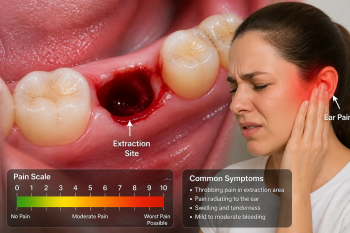
Can tooth extraction cause infection? Mild inflammation is normal, but increasing swelling, fever, or severe pain may indicate infection. Learn more about post-extraction infection warning signs in this detailed guide.
Book a consultation with our Cebu dental specialists for proper evaluation and care.
Ready to get expert guidance?
If you’re experiencing severe pain or delayed healing, book a consultation with our Cebu dental specialists to get proper evaluation and care.
Consultation or contact page .
Book a Consultation
For severe discomfort or delayed healing, book a consultation with our Cebu dental specialists today.
Looking for a dentist? Browse our Cebu dental directory to find trusted clinics near you.
Medical Review and Clinical Basis
This article is based on clinical dental guidelines and real patient recovery patterns observed after tooth extraction procedures. The information reflects common post-extraction healing stages, including normal clot formation, gum tissue repair, and signs of possible complications such as dry socket or infection.
While mild discomfort is expected after a dental extraction, worsening pain after Day 3, bad odor, exposed bone, or spreading pain may require professional evaluation. These symptoms are consistent with known post-extraction complications described in standard dental practice.
About Cebu Dental Implants
Cebu Dental Implants provides comprehensive tooth extraction, surgical procedures, and dental implant services in the Philippines. Our team evaluates post-extraction healing, manages complications such as dry socket, and advises patients on proper aftercare to prevent infection and delayed healing.
If you experience severe pain or unusual symptoms after extraction, early professional assessment is recommended to prevent further complications.
Important Medical Disclaimer
This content is for educational purposes only and does not replace professional dental diagnosis. Every patient heals differently. If symptoms worsen or do not improve within a few days, consult a licensed dentist for proper evaluation and treatment.
Author
This article was prepared by the Cebu Dental Implants content team in consultation with licensed dental professionals experienced in tooth extraction and implant procedures.
Related Clinical Cases
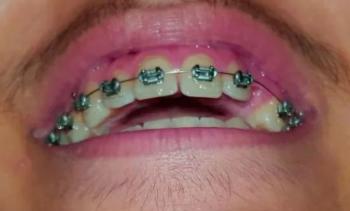
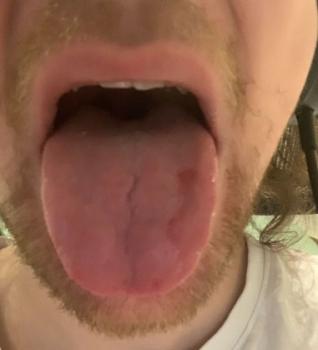
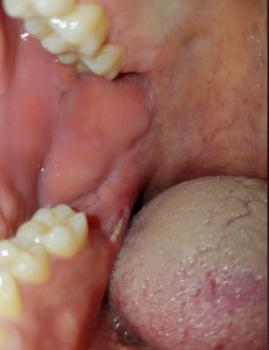
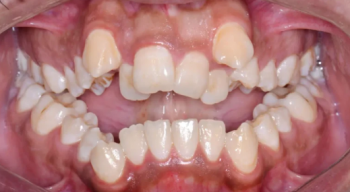
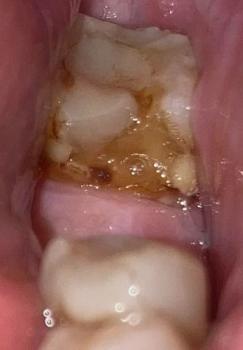
Patients with lower front gum inflammation may also experience tartar buildup, periodontal disease, gum abscesses, or tooth decay. Explore these related clinical case studies.

Other topics:
Other Dental Clinic