Dentures That Feel Natural, Look Beautiful.

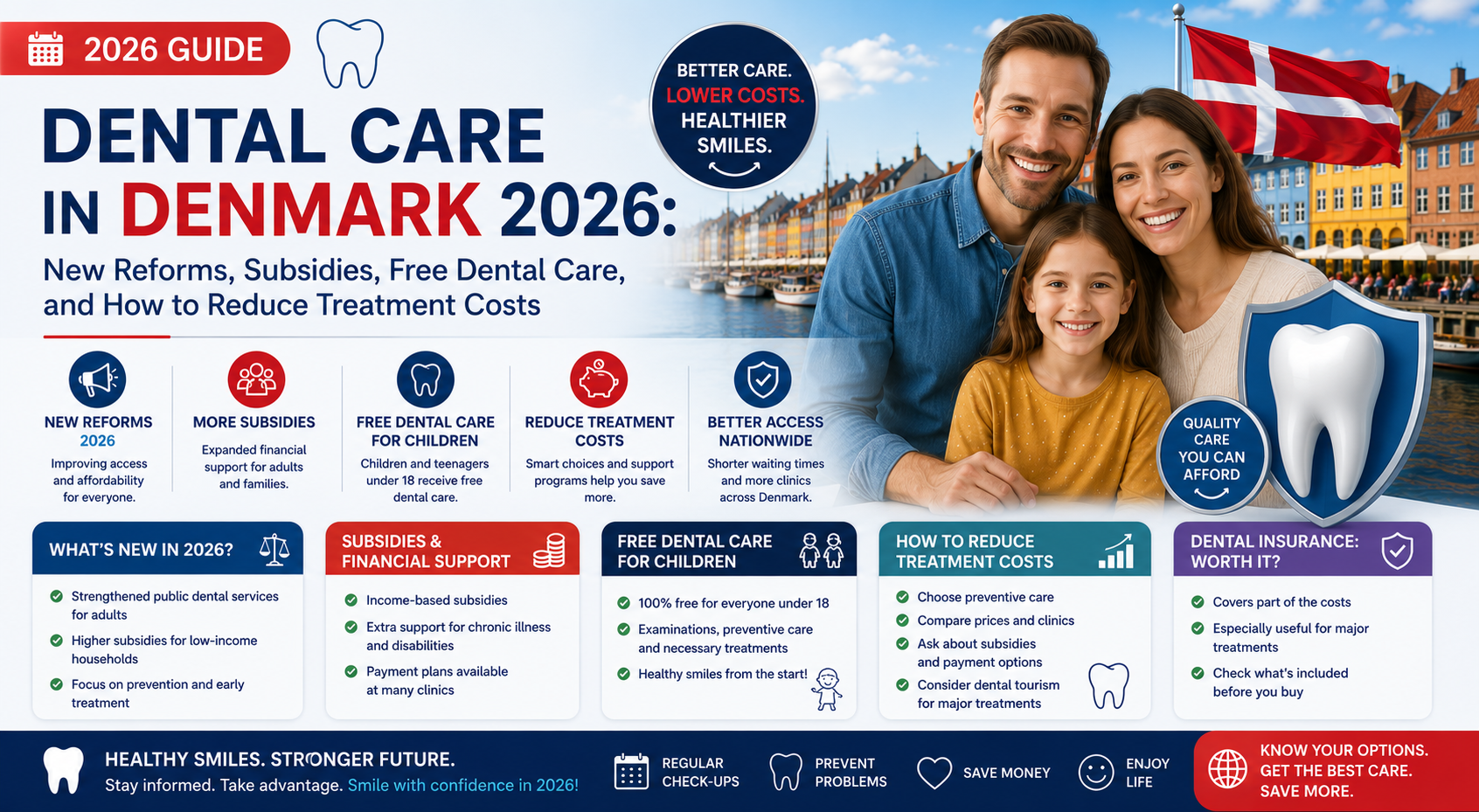
Dental Care in Denmark 2026: New Reforms, Subsidies, Free Dental Care, and How to Reduce Treatment Costs
Language :
Topics:
Denmark has long been recognized for its strong healthcare system, but dental care has traditionally operated differently from most other medical services. While children and young adults receive extensive public support, adult dental treatment has historically involved significant out-of-pocket expenses, particularly for major restorative procedures such as crowns, bridges, and dental implants.
In 2026, Denmark is entering a new era of dental care policy. A major political agreement has introduced reforms designed to improve affordability, encourage preventive treatment, and provide greater support for vulnerable populations. These changes represent one of the most significant developments in Danish dentistry in recent years and aim to address concerns about unequal access to oral healthcare among adults.
For Danish residents, expatriates, students, and newcomers, understanding how the new system works is essential. The reforms introduce a new "Dental Account" model, increased financial assistance for vulnerable groups, improved price transparency, and additional measures intended to help patients manage costs more effectively.
This guide explains the new 2026 dental reforms, outlines how subsidies work, discusses insurance options, and provides practical strategies for reducing dental expenses while maintaining excellent oral health.
Understanding Denmark's Dental Care System
Before examining the reforms, it is important to understand how Danish dentistry has traditionally been structured.
Unlike hospital care and physician services, adult dental treatment has generally operated through private practices supported by government subsidies.
This means:
- Most dentists are private practitioners.
- Patients choose their own dentist.
- The government contributes toward certain services.
- Patients pay the remaining balance.
For many years, this model has provided flexibility but has also created affordability challenges for some groups.
The 2026 reforms seek to address these concerns.
Why Dental Reform Was Needed
Despite Denmark's high healthcare standards, policymakers identified several challenges within the dental system.
These included:
- Unequal access to dental treatment
- Financial barriers for lower-income adults
- Delayed treatment due to cost concerns
- Insufficient emphasis on prevention
- Difficulties comparing prices between clinics
Research consistently demonstrates that untreated dental disease can lead to:
- Tooth loss
- Gum disease
- Chronic pain
- Reduced quality of life
- Higher long-term healthcare costs
The new reforms aim to encourage earlier intervention and better preventive care.
The New Adult Dental Care Reform of 2026
In April 2026, Denmark introduced a new political agreement designed to modernize adult dental care.
The reform includes several major initiatives.
These changes affect:
- Adults aged 21 and older
- Vulnerable populations
- Dental clinics
- Healthcare administrators
The goal is to improve accessibility while maintaining Denmark's high standards of care.
The Introduction of the Dental Account
One of the most important components of the reform is the new Dental Account model.
This initiative represents a significant shift in how preventive dental care is funded.
What Is the Dental Account?
The Dental Account is a new annual financial contribution provided to eligible adults.
The funds can be used for:
- Preventive dental care
- Diagnostic services
- Curative treatment
The system is intended to encourage patients to seek regular care rather than delaying treatment until major problems develop.
Who Is Eligible?
The Dental Account applies to citizens aged 21 and older.
The reform aims to provide support across the adult population while focusing particularly on prevention.
Annual Contribution Amounts
The amount allocated depends on age and policy criteria.
Annual contributions are expected to range from approximately:
- DKK 450
- To DKK 850
While these amounts may not cover extensive treatment, they can significantly reduce the cost of routine care.
Carry-Over Feature
An important advantage of the Dental Account is that unused funds may be carried forward.
Patients can generally retain unused balances for up to two years.
This creates flexibility for individuals who require less frequent treatment.
Rather than losing unused benefits annually, patients can accumulate support for future needs.
Why the Dental Account Matters
The Dental Account is designed to encourage proactive oral healthcare.
Patients often delay treatment because of cost concerns.
By providing annual funding, policymakers hope to increase attendance for:
- Check-ups
- Preventive examinations
- Early intervention
Preventing disease is almost always less expensive than treating advanced problems.
Focus on Preventive Dentistry
The reform strongly emphasizes prevention.
This reflects decades of evidence showing that routine care reduces:
- Cavities
- Periodontal disease
- Emergency treatment
- Tooth loss
The Dental Account helps support this preventive approach.
Expanded Support for Vulnerable Groups
Another major feature of the reform involves increased financial assistance for individuals facing economic hardship.
Dedicated Funding
Approximately DKK 66 million has been allocated specifically to support vulnerable populations.
This funding targets groups that have historically faced barriers to accessing dental care.
Who May Benefit?
Potential beneficiaries include:
- Social assistance recipients
- Low-income individuals
- Financially vulnerable households
- Certain welfare recipients
Eligibility depends on individual circumstances.
Eliminating Co-Payments
A key goal is reducing or eliminating out-of-pocket expenses for qualifying individuals.
This can dramatically improve access to necessary treatment.
For many vulnerable patients, affordability has been the primary barrier to seeking care.
Long-Term Public Health Benefits
Improving access among vulnerable populations may help reduce:
- Emergency dental visits
- Severe oral disease
- Healthcare inequalities
The broader objective is improving population-level oral health outcomes.
Improved Price Transparency
Many patients find it difficult to compare dental prices.
The reform seeks to address this issue directly.
Digital Dentist Selector
A new digital platform is being developed to help patients compare clinics more easily.
This system will improve transparency and consumer awareness.
Benefits of Price Comparison
Patients will be able to:
- Compare costs
- Review services
- Evaluate treatment options
This increased transparency may encourage greater competition among providers.
Stabilizing Treatment Costs
The reform also replaces certain fixed-fee arrangements with maximum pricing structures.
The goal is to create more predictable pricing for patients.
This can help reduce uncertainty before treatment begins.
How Adult Subsidies Continue to Work
Although new reforms are being introduced, traditional subsidy mechanisms remain in place.
Adult patients continue to receive financial support for many services.
Presenting Your Yellow Health Card
When visiting a dentist, patients should present their:
- Yellow Health Card (Sygesikringskort)
This allows the clinic to apply eligible subsidies automatically.
Automatic Processing
Patients generally do not need to submit reimbursement claims.
The subsidy is deducted directly from the invoice.
This simplifies the process significantly.
Typical Subsidy Levels
For many common services, patients are responsible for a portion of the total cost.
Co-payments often range between:
- 35%
- 60%
The exact amount depends on the procedure.
Services Commonly Receiving Subsidies
Government support frequently applies to:
Routine Examinations
Regular check-ups remain a central component of preventive care.
Dental X-Rays
Diagnostic imaging often receives partial support.
Professional Cleanings
Preventive maintenance is encouraged through subsidies.
Basic Fillings
Many restorative procedures continue to qualify for assistance.
Treatments Commonly Excluded
Not all services receive meaningful subsidies.
Patients should expect substantial personal contributions for:
Dental Crowns
Crowns often involve significant out-of-pocket costs.
Bridges
Bridge treatment remains largely patient-funded.
Dental Implants
Implants continue to be among the most expensive procedures.
Government support is generally limited.
Cosmetic Dentistry
Elective aesthetic procedures are usually privately financed.
Sygeforsikring Danmark: One of the Best Ways to Save
For many adults, membership in Sygeforsikring Danmark remains one of the most effective cost-management strategies.
What Is Sygeforsikring Danmark?
Sygeforsikring Danmark is a voluntary, non-profit health insurance association.
Members pay premiums in exchange for reimbursement benefits.
It supplements public healthcare support.
Why So Many Danes Join
The organization helps reduce expenses associated with:
- Dental examinations
- Cleanings
- Fillings
- Crowns
- Other dental procedures
Over time, these reimbursements can produce meaningful savings.
Different Membership Groups
Several membership categories exist.
Coverage levels vary depending on:
- Premium amount
- Benefit structure
- Individual needs
Patients should compare options carefully.
Join Before Problems Arise
One of the most important recommendations is to enroll before significant dental issues develop.
Waiting until major treatment becomes necessary may limit eligibility or benefits.
Municipal Grants Under Section 82
Certain individuals may qualify for additional assistance through local municipalities.
Understanding Section 82
Section 82 of the Active Social Policy Act allows municipalities to provide support for necessary healthcare expenses.
Dental treatment may qualify in specific circumstances.
Who May Qualify?
Potential beneficiaries include:
- Social assistance recipients
- Individuals on rehabilitation benefits
- Financially vulnerable residents
Eligibility is assessed individually.
Apply Before Treatment Begins
This is one of the most important rules.
Patients should obtain approval before treatment starts.
Retroactive applications are rarely successful.
Dental School Clinics: Affordable Quality Care
Another excellent cost-saving option involves university dental clinics.
University of Copenhagen Dental Clinics
Dental school clinics often provide treatment at significantly lower fees.
Patients benefit from:
- Reduced costs
- Academic supervision
- Modern facilities
How Treatment Works
Procedures are performed by advanced dental students under close supervision by licensed professionals.
Quality standards remain high.
Advantages
Benefits may include:
- Lower prices
- Comprehensive evaluations
- Access to specialized expertise
This can be particularly valuable for expensive procedures.
Free Dental Care for Young Adults
Denmark continues to prioritize younger populations through extensive public support.
Current Eligibility Rules
Individuals born in 2004 or later generally qualify for free dental care until age 22.
This represents a significant expansion compared with previous generations.
Why the Extension Matters
Young adulthood is often associated with:
- University studies
- Early career development
- Financial constraints
Maintaining free access during this period supports long-term oral health.
Municipal Dental Clinics
Most free services are provided through municipal dental programs known as Tandplejen.
These clinics emphasize prevention and regular monitoring.
Contracted Private Providers
Some municipalities allow eligible young adults to choose participating private dentists.
This provides greater flexibility while maintaining public funding.
The Importance of Written Cost Estimates
One of the simplest ways to avoid financial surprises is requesting a written treatment estimate.
In Denmark, this is known as a prisoverslag.
Why Estimates Matter
Written estimates allow patients to:
- Understand costs
- Compare providers
- Evaluate alternatives
- Budget effectively
This is particularly important for major procedures.
What Should Be Included?
A quality estimate should specify:
- Diagnosis
- Treatment recommendations
- Materials
- Laboratory fees
- Expected timeline
- Total projected costs
Transparency supports informed decision-making.
Digital Reimbursement Processing
Patients who belong to Sygeforsikring Danmark should ensure that clinics submit claims electronically whenever possible.
Digital processing often results in:
- Faster reimbursement
- Reduced paperwork
- Greater convenience
Always verify that your membership information is current.
Prevention Remains the Best Cost-Saving Strategy
Even with new reforms, prevention remains the most effective way to control dental expenses.
Why Prevention Saves Money
Consider the progression:
Small cavity → Filling
Untreated cavity → Root canal
Lost tooth → Implant
The financial difference can be substantial.
Healthy Habits That Reduce Costs
Patients should prioritize:
- Twice-daily brushing
- Daily flossing
- Routine examinations
- Professional cleanings
- Healthy nutrition
- Tobacco avoidance
These habits reduce long-term treatment needs.
Future Outlook for Danish Dentistry
The 2026 reforms represent a major step toward improving access and affordability.
Future developments may include:
- Expanded preventive programs
- Greater transparency
- Improved support for vulnerable groups
- Enhanced digital services
The long-term success of these reforms will depend on implementation and patient participation.
Final Thoughts
Denmark's 2026 dental care reforms represent one of the most significant changes to adult oral healthcare policy in recent years. The introduction of the Dental Account system, expanded support for vulnerable populations, improved price transparency, and continued investment in preventive care reflect a broader commitment to making dental treatment more accessible and affordable.
Adults aged 21 and older now benefit from annual Dental Account contributions that can be used for preventive and curative care, while vulnerable groups may receive additional financial support aimed at reducing or eliminating co-payments. Existing subsidies remain in place for many routine services, and voluntary insurance through Sygeforsikring Danmark continues to provide an effective way to reduce out-of-pocket expenses.
For younger citizens, free dental care remains available until age 22 for eligible age groups, ensuring continued access during a critical stage of life. Meanwhile, dental school clinics and municipal assistance programs provide additional opportunities for patients seeking affordable treatment.
Ultimately, the most effective strategy for managing dental costs in Denmark combines prevention, early intervention, informed financial planning, and full utilization of available benefits. By understanding the new reforms and taking advantage of the resources available in 2026, patients can protect both their oral health and their finances while navigating Denmark's evolving dental care system.
Can tooth extraction cause infection? Mild inflammation is normal, but increasing swelling, fever, or severe pain may indicate infection. Learn more about post-extraction infection warning signs in this detailed guide.
Book a consultation with our Cebu dental specialists for proper evaluation and care.
Ready to get expert guidance?
If you’re experiencing severe pain or delayed healing, book a consultation with our Cebu dental specialists to get proper evaluation and care.
Consultation or contact page .
Book a Consultation
For severe discomfort or delayed healing, book a consultation with our Cebu dental specialists today.
Looking for a dentist? Browse our Cebu dental directory to find trusted clinics near you.
Medical Review and Clinical Basis
This article is based on clinical dental guidelines and real patient recovery patterns observed after tooth extraction procedures. The information reflects common post-extraction healing stages, including normal clot formation, gum tissue repair, and signs of possible complications such as dry socket or infection.
While mild discomfort is expected after a dental extraction, worsening pain after Day 3, bad odor, exposed bone, or spreading pain may require professional evaluation. These symptoms are consistent with known post-extraction complications described in standard dental practice.
About Cebu Dental Implants
Cebu Dental Implants provides comprehensive tooth extraction, surgical procedures, and dental implant services in the Philippines. Our team evaluates post-extraction healing, manages complications such as dry socket, and advises patients on proper aftercare to prevent infection and delayed healing.
If you experience severe pain or unusual symptoms after extraction, early professional assessment is recommended to prevent further complications.
Important Medical Disclaimer
This content is for educational purposes only and does not replace professional dental diagnosis. Every patient heals differently. If symptoms worsen or do not improve within a few days, consult a licensed dentist for proper evaluation and treatment.
Author
This article was prepared by the Cebu Dental Implants content team in consultation with licensed dental professionals experienced in tooth extraction and implant procedures.
Related Clinical Cases
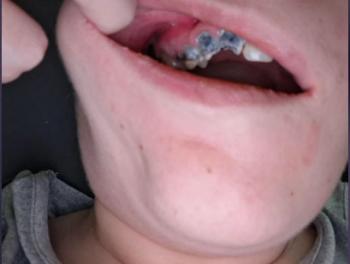
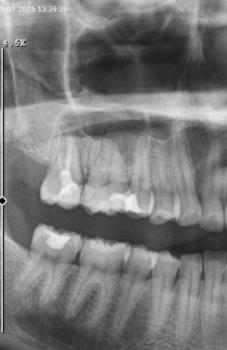
Patients with lower front gum inflammation may also experience tartar buildup, periodontal disease, gum abscesses, or tooth decay. Explore these related clinical case studies.



Other topics:
Other Dental Clinic