Your Smile, Our Passion.

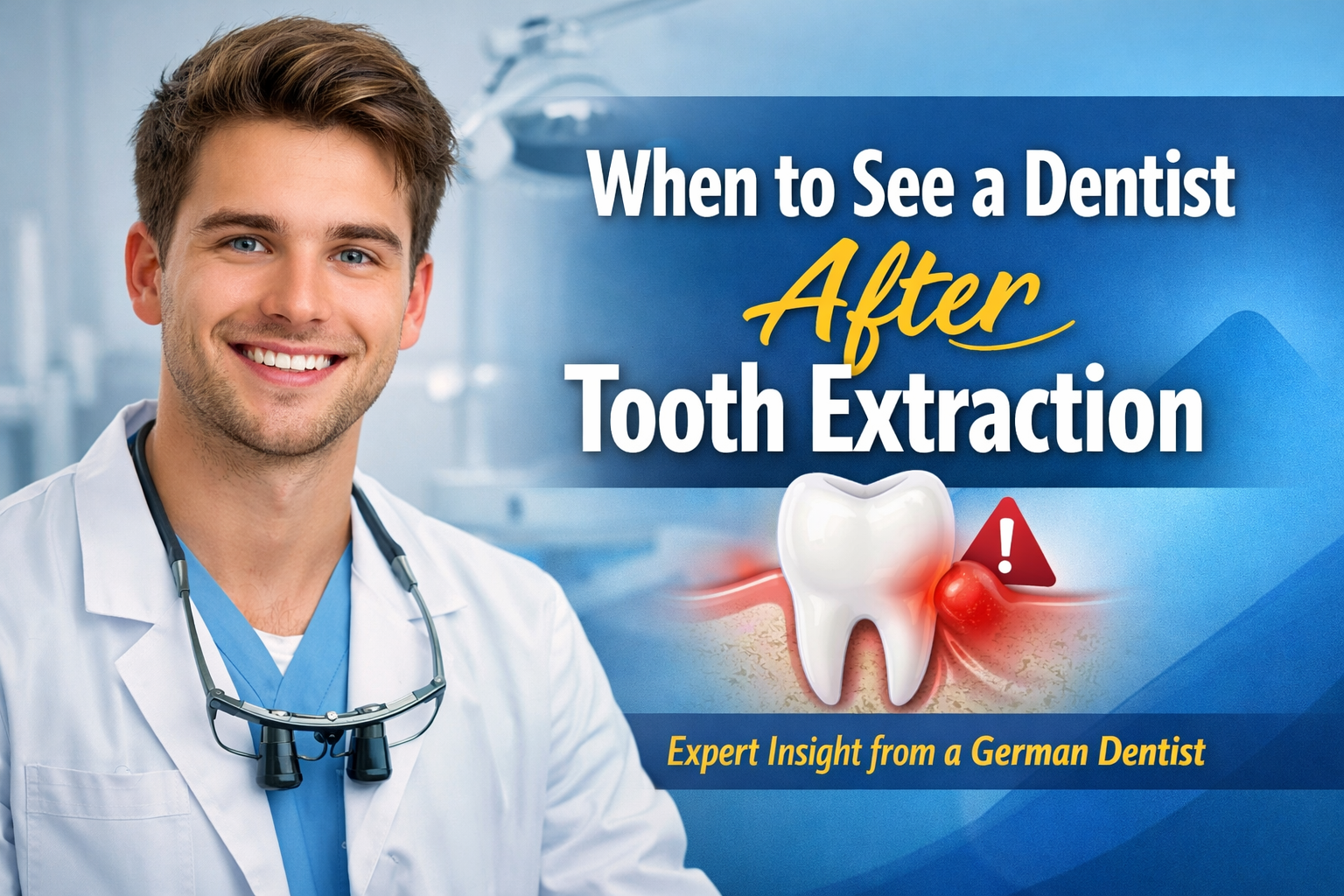
When to See a Dentist After Tooth Extraction ( Expert Insight from a German Dentist )
Language :
Topics:
Tooth extraction is a routine procedure, but proper follow-up is essential for safe healing. As a dentist practicing in Germany, I always emphasize that knowing when to return—or urgently visit your dentist—can prevent serious complications.
While many patients heal without issues, some symptoms require immediate professional attention. Understanding the difference between normal healing and warning signs is key.
Normal Healing Timeline After Extraction
In most cases, healing progresses smoothly:
First 24 Hours
- Mild bleeding
- Formation of a protective blood clot
- Initial discomfort
2–3 Days
- Swelling may peak
- Pain should gradually decrease
1 Week
- Soft tissue begins closing
- Discomfort significantly reduced
2 Weeks+
- Continued healing of gum tissue
This is considered normal recovery.
When You Should See a Dentist Immediately
Certain symptoms indicate complications such as infection or Alveolar Osteitis.
1. Severe Pain After 3 Days
Pain that worsens instead of improving is not normal.
Possible cause:
- Dry socket
2. Excessive or Prolonged Bleeding
If bleeding continues beyond 24 hours or is heavy:
- Bite on gauze
- If unresolved, seek dental care
3. Signs of Infection
Watch for:
- Fever
- Swelling that increases after 3 days
- Pus discharge
- Bad taste or odor
These require prompt treatment.
4. Swelling That Gets Worse
Mild swelling is normal, but worsening swelling may indicate infection or complications.
5. Numbness That Does Not Go Away
Temporary numbness can occur, but if it lasts beyond 24–48 hours, it may involve nerve irritation.
6. Difficulty Opening Mouth or Swallowing
This may indicate spreading infection or inflammation.
When Routine Follow-Up Is Needed
Even without complications, some cases require planned visits:
After Surgical Extraction
- Stitches may need removal
- Healing must be monitored
After Wisdom Tooth Removal
- Higher risk of complications
- Follow-up ensures proper healing
If You Have Medical Conditions
Patients with diabetes or weakened immunity should be monitored closely.
When You May NOT Need to Return
You may not need a follow-up if:
- Pain is decreasing daily
- No swelling or infection signs
- Healing appears normal
- No unusual symptoms
However, always follow your dentist’s advice.
Why Early Dental Visits Matter
From my experience in Germany, early intervention:
- Prevents serious infections
- Reduces treatment costs
- Speeds up healing
- Minimizes pain
Ignoring symptoms often leads to more complex treatments.
Tips to Avoid Emergency Visits
- Follow all aftercare instructions
- Avoid smoking and alcohol
- Do not disturb the blood clot
- Maintain gentle oral hygiene
- Eat soft foods initially
Prevention is always better than treatment.
Common FAQ
How soon should I see a dentist after extraction?
Only if symptoms worsen or if your dentist schedules a follow-up. Otherwise, routine healing does not require a visit.
Is pain after 3 days normal?
Mild discomfort is normal, but severe or increasing pain is not and should be checked.
What is the most common complication?
Dry socket is the most common issue after extraction.
Should I return if I feel fine?
Not always, unless your dentist recommends a follow-up visit.
Can I ignore minor symptoms?
It’s best not to. Early evaluation prevents complications.
Final Thoughts
Tooth extraction recovery is usually straightforward, but knowing when to see a dentist can make a significant difference. As a German dental expert, I advise patients to stay attentive to their symptoms and act early when something feels wrong.
Prompt care ensures faster healing, less discomfort, and better long-term outcomes.
Related Topics
- Tooth Extraction Healing Stages Day by Day
- Dry Socket Symptoms and Prevention
- Tooth Extraction Aftercare Guide
Can tooth extraction cause infection? Mild inflammation is normal, but increasing swelling, fever, or severe pain may indicate infection. Learn more about post-extraction infection warning signs in this detailed guide.
Book a consultation with our Cebu dental specialists for proper evaluation and care.
Ready to get expert guidance?
If you’re experiencing severe pain or delayed healing, book a consultation with our Cebu dental specialists to get proper evaluation and care.
Consultation or contact page .
Book a Consultation
For severe discomfort or delayed healing, book a consultation with our Cebu dental specialists today.
Looking for a dentist? Browse our Cebu dental directory to find trusted clinics near you.
Medical Review and Clinical Basis
This article is based on clinical dental guidelines and real patient recovery patterns observed after tooth extraction procedures. The information reflects common post-extraction healing stages, including normal clot formation, gum tissue repair, and signs of possible complications such as dry socket or infection.
While mild discomfort is expected after a dental extraction, worsening pain after Day 3, bad odor, exposed bone, or spreading pain may require professional evaluation. These symptoms are consistent with known post-extraction complications described in standard dental practice.
About Cebu Dental Implants
Cebu Dental Implants provides comprehensive tooth extraction, surgical procedures, and dental implant services in the Philippines. Our team evaluates post-extraction healing, manages complications such as dry socket, and advises patients on proper aftercare to prevent infection and delayed healing.
If you experience severe pain or unusual symptoms after extraction, early professional assessment is recommended to prevent further complications.
Important Medical Disclaimer
This content is for educational purposes only and does not replace professional dental diagnosis. Every patient heals differently. If symptoms worsen or do not improve within a few days, consult a licensed dentist for proper evaluation and treatment.
Author
This article was prepared by the Cebu Dental Implants content team in consultation with licensed dental professionals experienced in tooth extraction and implant procedures.
Related Clinical Cases
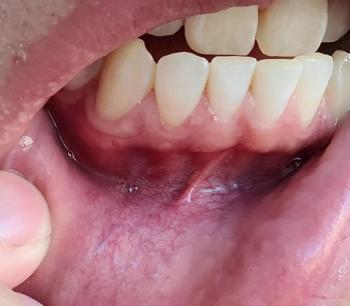
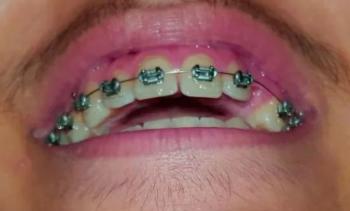
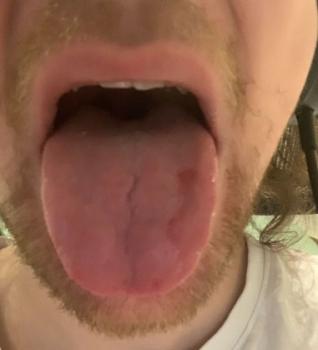
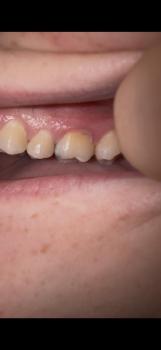
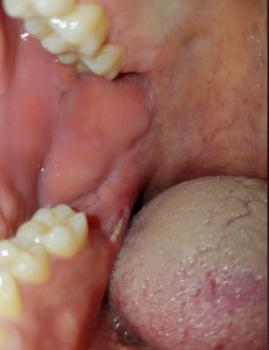
Patients with lower front gum inflammation may also experience tartar buildup, periodontal disease, gum abscesses, or tooth decay. Explore these related clinical case studies.


Other topics:
Other Dental Clinic