Your Smile, Our Passion.

Vaping and Smoking in Teens: How It Ages You Faster and Shrinks Your Brain
Language :

Topics:
The Silent Epidemic: How Teen Vaping and Smoking Are Accelerating Aging and Damaging the Brain
A troubling public health trend is unfolding, hidden in clouds of vapor and cigar smoke. A growing number of teenagers in the United States are using nicotine products, but the consequences extend far beyond the immediate risks of addiction. New, compelling research is revealing a startling connection: the poor dental health driven by smoking and vaping may be a direct pathway to accelerated brain aging and cognitive decline. This isn't just about yellowed teeth or bad breath; it's about protecting the very structure of the developing brain.
The Gateway: Smoking, Vaping, and Oral Health Collapse
For teenagers, the appeal of vaping or smoking often stems from social circles, stress, or perception of coolness. However, these habits create a hostile environment in the mouth.
-
Chemical Onslaught: The aerosols from e-cigarettes and the smoke from cigars are laden with chemicals that disrupt the oral microbiome. They dry out the mouth, reducing protective saliva, and create an acidic environment where harmful bacteria thrive.
-
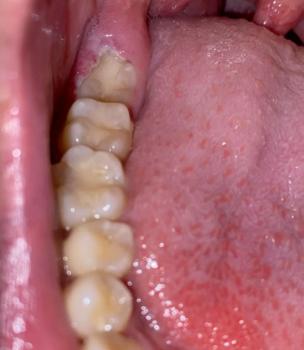
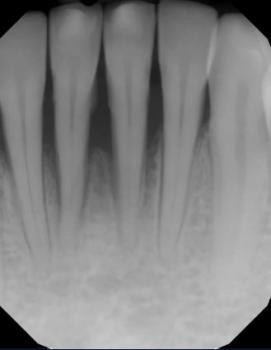
From Gums to Bloodstream: This bacterial imbalance is the seed of gingivitis and, eventually, periodontitis (severe gum disease). Inflamed, bleeding gums are not just sore—they are an open door. Harmful oral bacteria can enter the bloodstream, turning a local dental problem into a systemic inflammatory crisis.
The Shocking Chain Reaction: From Mouth to Brain
This is where the science becomes critically important. Your mouth is not an isolated system; it is intricately connected to your entire body, especially your brain.
-
The Inflammation Highway: When bacteria from gum disease enter the bloodstream, they trigger the body's immune response, causing chronic, low-grade inflammation. This inflammation doesn't stay put. It travels through blood vessels, reaching the brain.
-
Attacking the Brain's Structure: A landmark study gaining significant attention has shown that this chronic inflammation is associated with reduced brain volume, particularly in the hippocampus—the region vital for memory and learning. For a teenage brain, which is still undergoing crucial development, this impact can be particularly damaging.
-
Starving the Brain: Poor oral health is also linked to damaged blood vessels and reduced circulation. When inflamed, narrowed vessels cannot efficiently deliver oxygen and nutrients to the brain. This "starvation" accelerates neural wear and tear, impairing cognitive function.
-
The Accelerated Aging Effect: The combination of chronic inflammation and reduced blood flow doesn't just hurt the brain; it accelerates the entire body's aging process. This is why some heavy teen smokers can exhibit signs of premature aging—sallow skin, deep wrinkles, and a decline in vitality that makes them appear decades older. The aging is not just skin-deep; it's occurring at a cellular level in the brain.
The Power of Prevention: It's Not Too Late
The most critical message for teens, parents, and educators is that this pathway is largely preventable. The choices made today have a direct, physical impact on long-term brain health.
-
First Line of Defense: Break the Habit. The single most effective step is to quit smoking and vaping. Resources like the Truth Initiative (truthinitiative.org) and the CDC's "Tips From Former Smokers" campaign offer teen-specific support.
-
Guard Your Mouth, Guard Your Brain: Meticulous oral hygiene is a powerful tool against systemic inflammation.
-
Brush twice daily with fluoride toothpaste.
-
Floss every day to clean where brushes can't reach.
-
Use an antiseptic mouthwash to reduce bacterial load.
-
Schedule regular dental check-ups and cleanings every six months—these are non-negotiable for catching gum disease early.
-
-
See the Dentist as a Brain-Health Doctor: A dental visit is no longer just a cavity check. It is a frontline defense for cognitive health. Be open with your dentist about smoking or vaping habits so they can provide tailored advice and more frequent monitoring.
The narrative that smoking and vaping are just "bad habits" with future consequences is incomplete. The consequences are present and physical, impacting the developing brain right now. The link between oral health and brain shrinkage provides a powerful, science-backed reason to quit: protecting your smile is intrinsically linked to protecting your mind, your memory, and your long-term cognitive vitality. For a generation facing unprecedented social and academic pressures, safeguarding brain health is not a luxury—it's a necessity.
Looking for dentist : Visit directory list
Related Clinical Cases
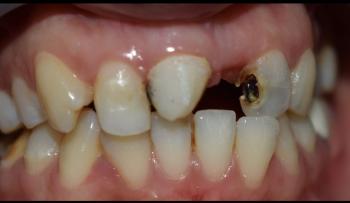
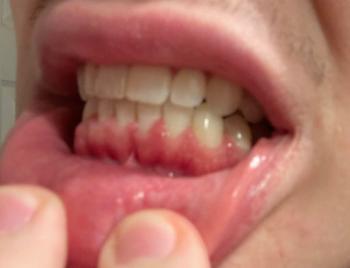
Patients with lower front gum inflammation may also experience tartar buildup, periodontal disease, gum abscesses, or tooth decay. Explore these related clinical case studies.