Your Smile, Our Passion.

The Silent Epidemic: Why Ignoring Gum Disease in the Philippines Could Be Deadlier Than You Think
Language :
Topics:
Smile Saver Dental Blog: Your Oral Health, Your Whole Health
Introduction: A Personal Story
I begin today's post with a heavy heart and a personal mission. My father, like many Filipino men, was a siga—tough, resilient, and dismissive of "small" health issues. He brushed off bleeding gums as normal, smoked a pack a day, and by 45, he had lost all his teeth. He passed away at 53 from complications many now believe were intertwined with his chronic poor health, starting with his mouth. His story is not unique. It’s a story playing out in millions of homes across our islands. Today, we discuss why his gum disease wasn't just a dental problem—it was a ticking time bomb for his entire body, backed by terrifying new science.
The Shocking Philippine Gum Disease Reality: Numbers Don't Lie
While nationwide, precise age-stratified data is limited, studies and clinical estimates paint a grim picture:
-
General Population (Ages 20-40): It is estimated that over 70% of Filipinos in this age group suffer from some form of gum disease (gingivitis or periodontitis). For men specifically, the prevalence is significantly higher due to lower dental visit frequency and higher risk factors.
-
The Smoker's Reality: For daily smokers aged 20-40, the numbers are catastrophic. Up to 90% are likely to have moderate to severe gum disease. Smoking doesn't just stain teeth; it:
-
Constricts blood vessels, hiding the early warning sign of bleeding gums.
-
Cripples the immune system's ability to fight gum infections.
-
Creates deep periodontal pockets that destroy jawbone silently.
-
In short: If you are a Filipino man between 20 and 40 who smokes daily, you are almost statistically guaranteed to have an active, destructive gum infection right now. And it's not just about your teeth.
Groundbreaking Research: The Mouth-Colon Cancer Highway
For years, we dentists warned that gum disease was linked to heart disease and diabetes. Now, a startling discovery has emerged, making oral hygiene a potential lifesaver.
The Culprit: Fusobacterium nucleatum (F. nucleatum), a common bacteria thriving in the inflamed, bleeding gums of periodontitis.
The Discovery: Researchers found this exact oral bacterium inside colorectal (colon) tumors. It didn't get there by chance.
The Journey:
-
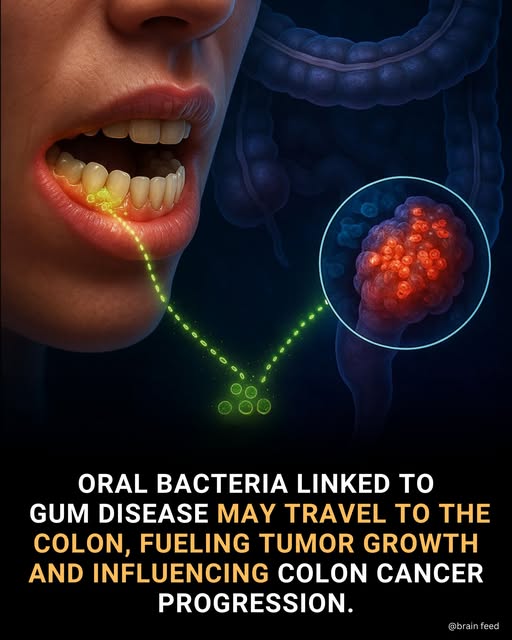
From Gums to Bloodstream: Severe, untreated gum disease creates ulcerated tissue—open wounds in your mouth. Every chew or brush can pump F. nucleatum and other bacteria directly into your circulatory system. This is called bacteremia.
-
Invasion of the Colon: The bacteria travel through the blood. For reasons still being studied, F. nucleatum has a particular affinity for colorectal tumor tissue, where it settles and invades.
-
Creating a Cancer Sanctuary: Once inside the tumor, F. nucleatum isn't a passive bystander. It:
-
Accelerates Tumor Growth: Creates a pro-inflammatory environment that fuels cancer cells.
-
Shields from Immunity: Suppresses the body's natural anti-tumor immune response, acting like a "bodyguard" for the cancer.
-
May Promote Spread: Early studies suggest it could be involved in metastasis (cancer spreading to other organs).
-
Connecting the Dots: My Felix Saraum Father's Story Through a New Lens
My Felix father had severe periodontitis. He was a smoker. He lost his teeth young. We now understand his mouth was likely a constant reservoir of inflammation and harmful bacteria flooding his system daily. While we cannot know for certain, this new science forces us to ask: Did the chronic assault from his mouth contribute to the systemic breakdown that claimed his life so early? It is a painful, but crucial, question.
Your Action Plan: It's NOT Too Late!
Ignoring gum disease is a gamble with your whole health. Here is your definitive guide to breaking the cycle:
1. ACKNOWLEDGE THE SIGNS (They're Not "Normal"):
* Bleeding when brushing or flossing (THE #1 WARNING SIGN).
* Red, swollen, or tender gums.
* Persistent bad breath.
* Gums receding (teeth looking longer).
* Loose teeth.
2. SEE A DENTIST, NOT JUST A "PABUNOT":
* Move from a tooth extraction mindset to a gum disease treatment and prevention mindset.
* A professional cleaning (prophylaxis) is not enough if you have deep pockets. You may need scaling and root planing (a deep cleaning).
* Commit to a check-up every 6 months. This is non-negotiable.
3. FOR SMOKERS: The Dual Battle.
* You must address both. Treating gum disease while smoking is like mopping the floor with the faucet still running.
* Seek help to quit. Your dentist or doctor can connect you to resources. Your gums—and your entire body—will begin healing the moment you stop.
4. HOME CARE IS YOUR DAILY DEFENSE:
* Brush correctly for 2 minutes, twice a day. Angle your brush at 45 degrees toward the gumline.
* FLOSS. EVERY. SINGLE. DAY. This cleans where brushing cannot. Water flossers are a good adjunct but not a full replacement for string floss.
* Consider an antibacterial mouthwash (like chlorhexidine, but only as prescribed, or a regular therapeutic mouthwash) to help reduce bacterial load.
5. EMBRACE A PRO-HEALTH DIET:
* Reduce sugary foods and drinks that feed harmful bacteria.
* Eat foods rich in Vitamin C (for gum healing) and calcium (for bone strength).
Conclusion: A Legacy of Health
I lost my father too soon to a complex web of health neglect that started in his mouth. His legacy for me is not one of fear, but of fierce advocacy. Your oral health is a pillar of your overall health. That "minor" gum bleed is your body sending a distress signal from a battlefield that is connected to your entire system.
Don't ignore it. Don't be siga about it. Be smart. Be proactive. For your smile, for your health, and for the family who wants you around for a long, long time.
Schedule that dental appointment today. It might be the most important health decision you make this year.
Looking for dentist : Visit directory list
Related Clinical Cases
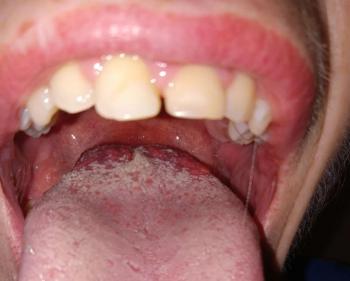
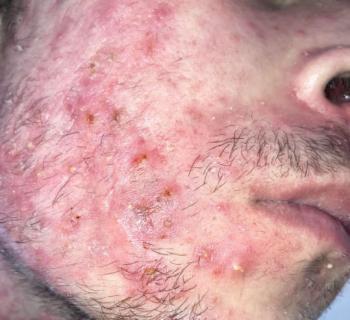
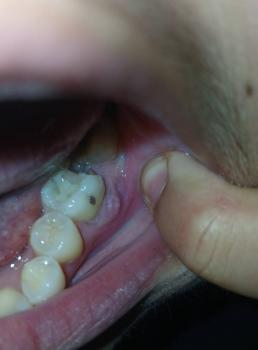
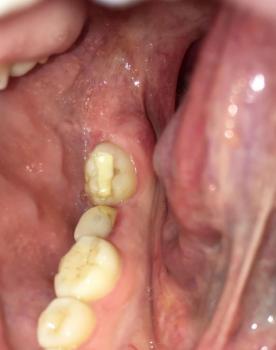
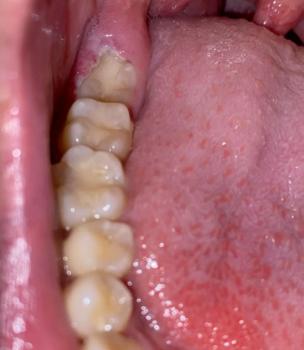
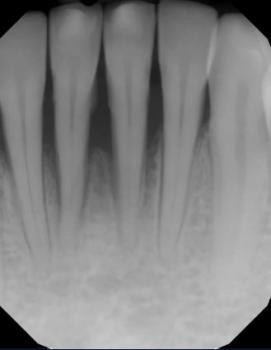
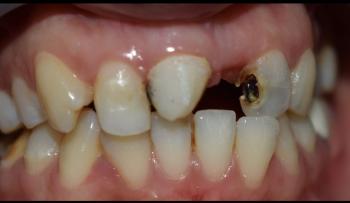
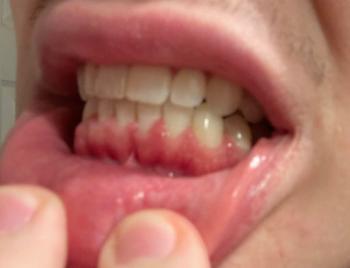
Patients with lower front gum inflammation may also experience tartar buildup, periodontal disease, gum abscesses, or tooth decay. Explore these related clinical case studies.