Transforming Smiles, Restoring Confidence.

Navigating Hope: A Guide to Government & Charitable Medical Aid for Low-Income Families in Metro Manila
Language :
Topics:
In the heart of Quezon City, within the thin walls of a crowded tenement, a woman sat holding her jaw. A simple toothache, ignored for months because her small store’s income barely covered food and other necessities, had become a throbbing nightmare. A local dentist said the tooth needed to come out, but the cost was a small fortune for her family. She paid, but it meant sacrificing money meant for other important needs.
The real crisis began days later. A deep, gnawing pain radiated from the empty tooth socket to her ear. Her mouth tasted foul. She had developed a dry socket, a condition where the protective blood clot is lost after an extraction, exposing raw bone and nerves. The dentist said treatment would cost more money. She faced an impossible choice: endure unbearable pain or plunge her family deeper into financial ruin.
This story is not unique. In Metro Manila, where medical bills can swiftly overwhelm families, a common dental complication can become a catastrophic financial event. However, the story doesn't have to end in despair. Through perseverance and by learning to navigate the system, a path to care exists. This guide maps that path for you.
Your Financial Healthcare Lifeline: A Step-by-Step Guide
For residents of Metro Manila facing financial hardship due to medical expenses, help is available through a layered system of government and non-profit assistance. Knowing where to start is the most critical step.
Step One: Secure Your PhilHealth Membership and Benefits
Your Philippine Health Insurance Corp. (PhilHealth) membership is your primary shield. By law, all Filipinos should be covered.
-
Check Your Status: If you are formally employed, an overseas worker, a senior citizen, or a registered indigent, you are very likely already a member. Visit a PhilHealth office or their website to check your status.
-
Understand Your Coverage: PhilHealth provides set payments for specific medical conditions. For hospital care, certain members are entitled to programs where PhilHealth and other agencies should cover all costs in public hospital wards. For regular care like dental consultations, explore primary-care packages which may offer free annual check-ups at accredited health centers.
Step Two: Go to the Malasakit Center (Your One-Stop Shop)
If you require hospital admission or face a large medical bill, your first destination should be a Malasakit Center. These are one-stop shops inside public hospitals where several key government agencies are represented to provide medical and financial assistance.
-
Find your nearest Malasakit Center inside a government-run hospital.
-
Bring all documents: valid IDs, your PhilHealth information, medical papers, and official hospital bills.
-
The Malasakit Center social worker will help you apply for aid from different agencies that can cover hospital bills, medicines, and other related expenses.
Step Three: Seek Local and Charitable Support
Your local city or barangay government may have unique health programs.
-
Inquire at Your Barangay Health Center or Hall: Ask about local medical funds or programs for residents.
-
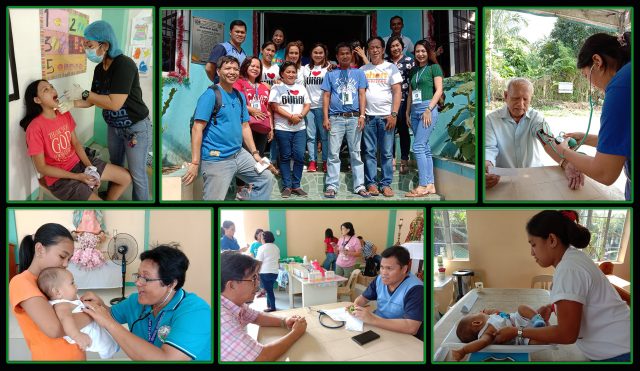
Look for Scheduled Medical Missions: Non-profit organizations and private groups frequently hold free medical and dental missions in communities. Some private dental clinics also run free service projects.
A Path to Relief
Guided by a compassionate nurse, the woman’s family took action. They first confirmed her PhilHealth status. They then went to the Malasakit Center at the nearest public hospital. A social worker processed her application for aid: PhilHealth covered part of the treatment, a government medical assistance fund covered the rest of the hospital fee, and a social welfare program provided help for her antibiotics and pain relievers.
Furthermore, her local barangay captain authorized a small emergency cash aid from the local health fund to help the family. She received treatment without falling into new debt.
Key Advice to Navigate the System
-
Prepare Documents: Always have your PhilHealth information, government-issued IDs, and any proof of income ready.
-
Ask for a Detailed Bill: Before paying, request an itemized bill from the hospital. Some charges may be covered by assistance programs.
-
Use Preventive Care: Visit your barangay health center for check-ups. Addressing health problems early is much less expensive than treating a crisis later.
-
Be Patient and Persistent: The process for seeking aid can require time and visits to different offices. Start early, be polite, and ask hospital social workers for guidance—they are there to help.
The gaps in the healthcare system are real and can push families into debt. Yet, a network of aid exists. By understanding your rights, proactively securing your health insurance, and knowing to seek help from a Malasakit Center, you can navigate the challenge of medical expenses. Your health, and your family’s well-being, may depend on it.
addon sources:
https://cavite.gov.ph/home/free-healthcare-services-for-the-people-of-me...
Looking for dentist : Visit directory list
Related Clinical Cases
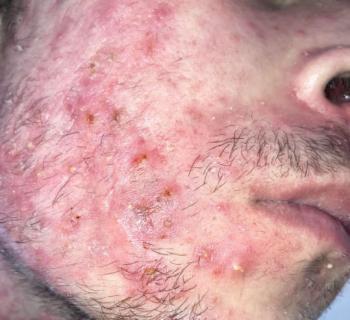
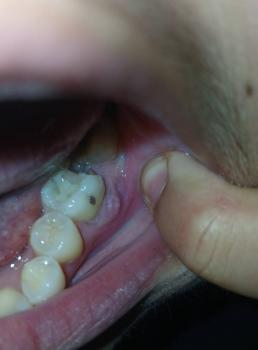
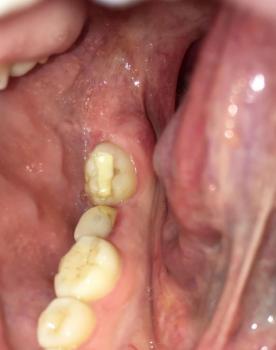
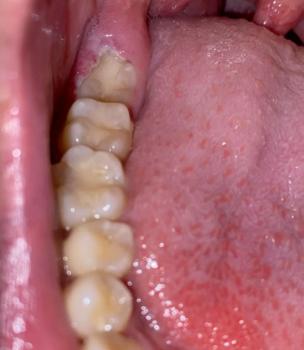
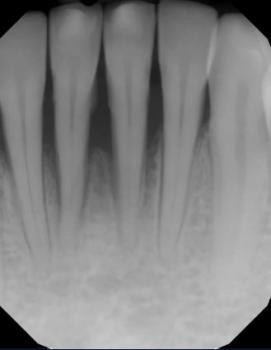
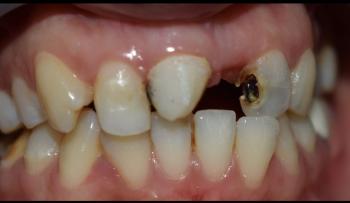
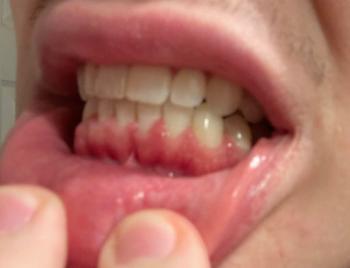
Patients with lower front gum inflammation may also experience tartar buildup, periodontal disease, gum abscesses, or tooth decay. Explore these related clinical case studies.
Other topics:
Other Dental Clinic