Dentures That Feel Natural, Look Beautiful.

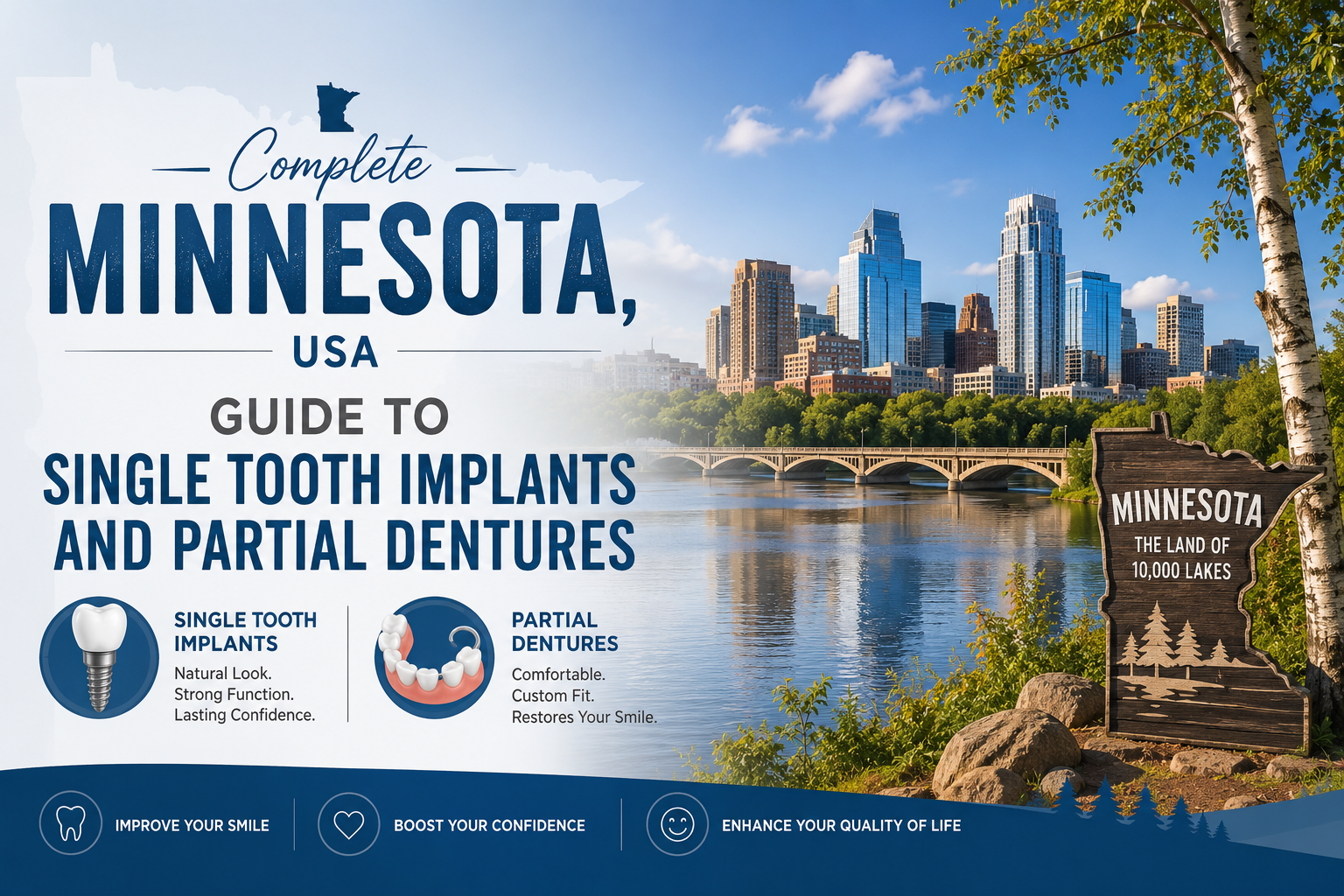
Complete Minnesota, USA Guide to Single Tooth Implants and Partial Dentures
Language :
Complete Expert Guide for Replacing Missing Teeth
Losing a single tooth may seem like a small problem at first, but even one missing tooth can affect your smile, chewing ability, speech, jawbone health, and self-confidence. In Minnesota, many adults lose teeth due to cavities, gum disease, sports injuries, accidents, or aging. Fortunately, modern dentistry offers several reliable solutions for restoring missing teeth.
Two of the most common treatment options are single tooth implants and partial dentures. Both treatments can restore appearance and function, but they work very differently. Some patients prefer the long-term stability of dental implants, while others choose partial dentures because of lower upfront costs or faster treatment.
This beginner-friendly guide explains the differences between single tooth implants and partial dentures in Minnesota, USA. You will learn about costs, advantages, disadvantages, maintenance, recovery time, comfort, durability, and practical advice from experienced USA dental professionals.
Why Replacing a Missing Tooth Matters
Some people delay treatment after losing one tooth because they can still chew and smile normally. However, even a single missing tooth can create long-term oral health problems.
Problems Caused by a Missing Tooth
Bone Loss in the Jaw
The jawbone depends on tooth roots for stimulation. When a tooth is missing, the bone underneath slowly shrinks.
Teeth Shifting
Nearby teeth may drift into the empty space, causing bite problems and crooked alignment.
Difficulty Chewing
A missing tooth can reduce chewing efficiency and create uneven pressure on remaining teeth.
Speech Changes
Certain missing teeth can affect pronunciation.
Increased Wear on Remaining Teeth
Healthy teeth may experience additional stress during chewing.
Cosmetic Concerns
Even one missing tooth can affect confidence and appearance.
Replacing a missing tooth early often prevents more complicated dental problems later.
What Is a Single Tooth Implant?
Understanding Dental Implants
A single tooth implant is a permanent tooth replacement that replaces both the missing tooth root and crown.
The implant itself is typically made from titanium and surgically placed into the jawbone. Once healing occurs, a custom dental crown is attached on top.
Dental implants are widely considered the closest replacement to natural teeth.
Parts of a Single Tooth Implant
Implant Post
The titanium post acts as an artificial tooth root.
Abutment
This connector attaches the implant to the crown.
Dental Crown
The visible portion designed to look like a natural tooth.
How the Implant Process Works
Step 1: Consultation and Imaging
The dentist examines your mouth and takes digital X-rays or 3D scans.
Step 2: Implant Placement Surgery
The implant post is surgically inserted into the jawbone.
Step 3: Healing Period
The bone fuses to the implant through osseointegration.
Step 4: Crown Placement
A custom crown completes the restoration.
Advantages of Single Tooth Implants
Most Natural Appearance
Implants closely resemble real teeth in shape and appearance.
Preserves Jawbone Health
The implant stimulates the jawbone and helps prevent bone loss.
Long-Term Durability
With proper care, implants may last decades.
Protects Nearby Teeth
Adjacent healthy teeth remain untouched.
Excellent Chewing Strength
Patients can usually eat most foods comfortably.
Stable and Secure
Unlike removable appliances, implants do not shift during eating or speaking.
Disadvantages of Single Tooth Implants
Higher Upfront Cost
Implants cost more initially than partial dentures.
Requires Surgery
Some patients feel nervous about oral surgery.
Longer Treatment Timeline
Healing may take several months.
Bone Grafting May Be Necessary
Patients with significant bone loss may need additional procedures.
What Is a Partial Denture?
Understanding Partial Dentures
A partial denture is a removable appliance designed to replace one or several missing teeth while keeping natural teeth intact.
Partial dentures often use a gum-colored base with artificial teeth attached.
Some are made with metal frameworks, while others use flexible materials.
Types of Partial Dentures
Acrylic Partial Dentures
Usually more affordable but bulkier.
Metal Framework Partial Dentures
More durable and stable.
Flexible Partial Dentures
Made from softer materials for improved comfort.
Advantages of Partial Dentures
Lower Initial Cost
Partial dentures are usually much more affordable upfront.
Non-Surgical Solution
No surgery is needed for traditional partial dentures.
Faster Treatment
Dentures can often be completed more quickly than implants.
Easy to Repair or Adjust
Dentures can sometimes be modified if additional teeth are lost later.
Disadvantages of Partial Dentures
Removable Appliance
Some patients dislike removing dentures daily.
Less Stable
Partial dentures may move while eating or speaking.
Bone Loss Continues
Dentures do not stimulate the jawbone.
Lower Chewing Efficiency
Chewing strength is weaker than implants.
Clasps May Be Visible
Metal clasps can sometimes affect appearance.
Single Tooth Implant vs Partial Denture Comparison
Appearance Comparison
Single Tooth Implant
Usually provides the most natural appearance and gum contour.
Partial Denture
Modern dentures can look good, but clasps or movement may affect aesthetics.
Comfort Comparison
Implants
Feel most similar to natural teeth.
Partial Dentures
May initially feel bulky or uncomfortable.
Stability Comparison
Implants
Fixed permanently in the mouth.
Partial Dentures
Can shift or loosen during eating or speaking.
Bone Health Comparison
Implants
Help preserve jawbone structure.
Partial Dentures
Do not prevent bone loss.
Durability Comparison
Implants
May last 20 years or more with proper care.
Partial Dentures
Usually require replacement or adjustment every 5–10 years.
Cost Comparison in Minnesota, USA
Single Tooth Implant Cost
Typically ranges from $3,000–$6,000 per tooth.
Costs may include:
- Consultation
- Digital imaging
- Implant surgery
- Crown placement
- Sedation
- Follow-up visits
Partial Denture Cost
Typically ranges from $800–$2,500 depending on materials and complexity.
Why Implants Cost More
Dental implants involve:
- Oral surgery
- Advanced imaging
- Precision placement
- High-quality materials
- Custom crown fabrication
Although implants cost more upfront, many patients view them as a long-term investment.
Which Option Lasts Longer?
Single Tooth Implant Lifespan
With excellent oral hygiene and regular dental visits, implants may last decades.
Partial Denture Lifespan
Partial dentures generally require replacement or relining over time due to bone changes.
Which Option Feels More Natural?
Implants Feel Closest to Real Teeth
Most patients eventually forget the implant is artificial.
Partial Dentures Require Adjustment
Patients may need time to adapt to speaking and chewing.
Eating With Implants vs Partial Dentures
Dental Implants
Patients can usually enjoy:
- Apples
- Steak
- Nuts
- Crunchy vegetables
- Chewy foods
Partial Dentures
Patients may need caution with:
- Sticky foods
- Hard foods
- Tough meats
Oral Hygiene Requirements
Caring for a Dental Implant
Daily Care Includes
- Brushing twice daily
- Flossing around the implant
- Routine dental cleanings
- Avoiding smoking
Implants require care similar to natural teeth.
Caring for a Partial Denture
Daily Care Includes
- Removing the denture nightly
- Soaking in cleaning solution
- Brushing the appliance gently
- Cleaning gums and natural teeth
Bone Loss After Tooth Extraction
Why Bone Loss Happens
Without a tooth root, the jawbone slowly shrinks over time.
Bone loss can lead to:
- Facial sagging
- Bite changes
- Loose dentures
- Difficulty placing implants later
Which Option Helps Prevent Bone Loss?
Dental Implants
Best option for maintaining bone volume.
Partial Dentures
Do not stop jawbone shrinkage.
Recovery Time Comparison
Implant Recovery Timeline
Initial Healing
Several days to one week.
Full Bone Integration
Usually 3–6 months.
Partial Denture Adjustment Period
Adaptation Time
Several weeks may be needed for speech and comfort adjustment.
Who May Be a Better Candidate for Implants?
Ideal Implant Candidates Often Have:
- Healthy gums
- Good overall health
- Adequate jawbone
- Commitment to oral hygiene
- Desire for long-term stability
Who May Prefer Partial Dentures?
Partial Dentures May Be Better If:
- Budget is limited
- Surgery is not medically recommended
- Multiple teeth are missing
- Faster treatment is preferred
Insurance Coverage in Minnesota
Dental insurance coverage varies greatly.
Some Insurance Plans May Cover:
- Tooth extractions
- Partial dentures
- Diagnostic imaging
- Portions of restorative treatment
Implant Coverage
Some plans partially cover implants, but many still consider them elective procedures.
Patients should review:
- Annual maximums
- Waiting periods
- Deductibles
- Implant exclusions
Financing Options for Tooth Replacement
Many Minnesota dental offices offer financing solutions.
Common Financing Options
Monthly Payment Plans
Allow patients to spread treatment costs over time.
Health Savings Accounts (HSA)
May help cover eligible dental expenses.
Flexible Spending Accounts (FSA)
Can reduce taxable healthcare costs.
Healthcare Financing Companies
Third-party financing may assist qualified patients.
Choosing the Right Dental Professional in Minnesota
Important Qualities to Look For
Experience
Choose dentists experienced in implant and restorative dentistry.
Technology
Digital scanning and 3D imaging improve treatment accuracy.
Communication
Good providers explain options clearly and honestly.
Patient Reviews
Reviews can provide insight into patient satisfaction and care quality.
Practical Advice Before Choosing Treatment
Think Long-Term
A lower-cost solution today may require more maintenance later.
Consider Comfort and Lifestyle
Active patients often prefer fixed implant solutions.
Address Missing Teeth Early
Early treatment may reduce future complications.
Maintain Regular Dental Visits
Routine care protects your oral health investment.
Common Myths About Dental Implants and Dentures
Myth 1: Implants Are Only Cosmetic
Implants restore both function and jawbone support.
Myth 2: Partial Dentures Always Look Fake
Modern partial dentures can appear very natural.
Myth 3: Implants Are Too Painful
Most patients report less discomfort than expected.
Myth 4: One Missing Tooth Is Not Important
Even one missing tooth can affect oral health long-term.
Frequently Asked Questions (FAQs)
Are dental implants painful?
Most patients experience only mild to moderate discomfort after surgery. Modern anesthesia improves comfort significantly.
How long does a single tooth implant last?
With proper care, implants may last decades.
Can partial dentures damage natural teeth?
Poorly fitted dentures may place stress on nearby teeth if not maintained properly.
Which option is more affordable?
Partial dentures usually have lower upfront costs.
Which option looks more natural?
Single tooth implants generally provide the most realistic appearance and feel.
Choosing between a single tooth implant and a partial denture is an important decision that affects appearance, oral health, comfort, and long-term quality of life.
Single tooth implants provide the most natural-looking and durable solution while helping preserve jawbone health. Partial dentures remain a practical and affordable alternative for patients seeking a non-surgical option or lower upfront cost.
The best treatment depends on your oral health, bone condition, lifestyle, budget, and long-term goals. An experienced dental professional in Minnesota can evaluate your needs and help create a personalized treatment plan.
Replacing a missing tooth early often improves confidence, chewing ability, speech, and long-term oral health for years to come.
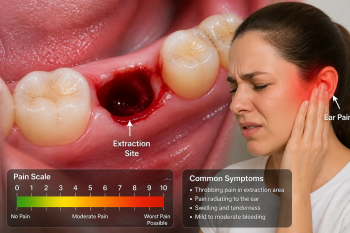
Can tooth extraction cause infection? Mild inflammation is normal, but increasing swelling, fever, or severe pain may indicate infection. Learn more about post-extraction infection warning signs in this detailed guide.
Book a consultation with our Cebu dental specialists for proper evaluation and care.
Ready to get expert guidance?
If you’re experiencing severe pain or delayed healing, book a consultation with our Cebu dental specialists to get proper evaluation and care.
Consultation or contact page .
Book a Consultation
For severe discomfort or delayed healing, book a consultation with our Cebu dental specialists today.
Looking for a dentist? Browse our Cebu dental directory to find trusted clinics near you.
Medical Review and Clinical Basis
This article is based on clinical dental guidelines and real patient recovery patterns observed after tooth extraction procedures. The information reflects common post-extraction healing stages, including normal clot formation, gum tissue repair, and signs of possible complications such as dry socket or infection.
While mild discomfort is expected after a dental extraction, worsening pain after Day 3, bad odor, exposed bone, or spreading pain may require professional evaluation. These symptoms are consistent with known post-extraction complications described in standard dental practice.
About Cebu Dental Implants
Cebu Dental Implants provides comprehensive tooth extraction, surgical procedures, and dental implant services in the Philippines. Our team evaluates post-extraction healing, manages complications such as dry socket, and advises patients on proper aftercare to prevent infection and delayed healing.
If you experience severe pain or unusual symptoms after extraction, early professional assessment is recommended to prevent further complications.
Important Medical Disclaimer
This content is for educational purposes only and does not replace professional dental diagnosis. Every patient heals differently. If symptoms worsen or do not improve within a few days, consult a licensed dentist for proper evaluation and treatment.
Author
This article was prepared by the Cebu Dental Implants content team in consultation with licensed dental professionals experienced in tooth extraction and implant procedures.
Related Clinical Cases
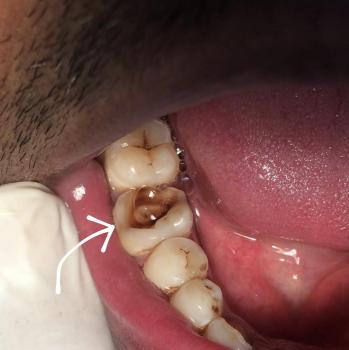
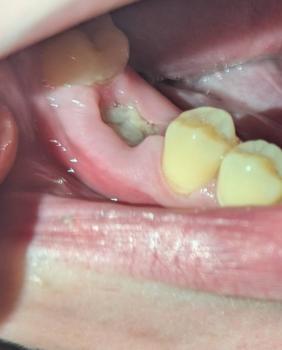
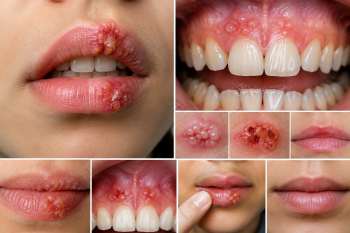
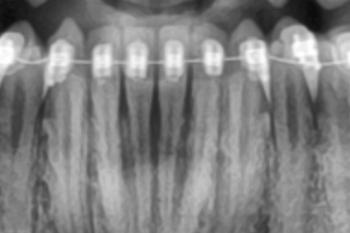
Patients with lower front gum inflammation may also experience tartar buildup, periodontal disease, gum abscesses, or tooth decay. Explore these related clinical case studies.
Other topics:
Other Dental Clinic