From Pain to Perfect — We Care for Your Smile.

Alveolar Osteitis: The Complete Guide to Dry Socket Pain, Causes and Healing
Image:
Severity:
Teeth Problems:
If you've ever had a tooth extracted, you likely heard the term "dry socket" as a cautionary tale. But behind this common phrase lies a clinical reality with a more formal name: Alveolar Osteitis (AO). More than just a missing blood clot, this condition represents a profound disruption in your body's careful healing process, leading to pain that can feel overwhelming. Knowing its true name and nature is the first step in demystifying the experience and empowering your recovery.
The Many Names of a Shared Pain
When you're in pain, terminology might seem like the least of your concerns. However, the variety of names for this single condition reflects the medical community's long journey to understand it. Each term offers a different window into what's happening in your jaw:
-
Alveolar Osteitis (AO): The most precise clinical term. "Alveolar" refers to the tooth socket, "osteo" to bone, and "itis" to inflammation. It directly names the issue: inflammation of the bone within the socket.
-
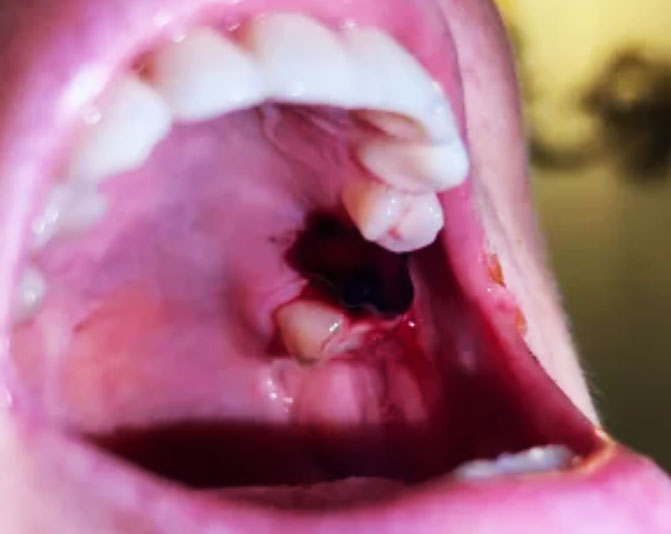
Dry Socket: The common, visceral term we all know. It describes the hallmark sign dentists find: an empty, dry-looking socket where a protective blood clot should be.
-
Fibrinolytic Alveolitis: A term rooted in a leading theory. It suggests the condition is caused by the premature breakdown (fibrinolysis) of the vital blood clot.
-
Alveolalgia: Simply means "pain in the alveolus (socket)." A direct acknowledgment of your primary symptom.
-
Alveolitis Sicca Dolorosa: An older, almost poetic term meaning "painful, dry inflammation of the socket." It captures the full, distressing experience.
Not Just an "Infection": The True Nature of the Ache
A critical point of understanding—and often a source of confusion—is that Alveolar Osteitis is typically not a bacterial infection in its primary form. Think of it less like an invading army of germs and more like a construction site that has lost its essential blueprint and security.
When your tooth is extracted, your body's first and most crucial job is to form a stable blood clot in the socket. This clot is not just a plug; it's a living scaffold. It protects the underlying bone and nerve endings from the outside world and serves as the foundation from which new tissue and bone will grow.
In Alveolar Osteitis, this scaffold disintegrates or washes away too soon. The result is that the exquisitely sensitive bone and nerve network at the base of the socket are left exposed to air, food, fluids, and temperature changes. This exposure triggers a significant localized inflammatory response—your body's alarm system going into overdrive in a very confined, vulnerable space. It is this inflammation of the bone itself that causes the severe, deep, and throbbing pain. While a secondary bacterial infection can complicate the picture later, the initial, intense pain is primarily from this inflammatory process.
The Emotional and Physical Toll: More Than Just a Toothache
To call the pain of a dry socket a mere "toothache" is a profound understatement. It is an experience that can dominate your entire being.
-
The Quality of Pain: Patients often describe it as a deep, throbbing ache that radiates up toward the ear, down the neck, or across the side of the face. It can feel like a heartbeat in your jawbone, a persistent pulse of distress that painkillers struggle to touch.
-
The Daily Disruption: This pain rewrites your daily life. It can turn simple joys—enjoying a meal, sipping a warm drink, laughing with a friend, or even finding a comfortable position to sleep—into sources of dread and discomfort. The constant, gnawing presence can lead to frustration, exhaustion, and a feeling of isolation.
-
The Cycle of Worry: It's common to spiral into questions: "Did I do something wrong?" "Is this normal?" "Why isn't it getting better?" This mental burden adds an emotional weight to the physical suffering.
Your Path to Relief: Why Professional Care is Non-Negotiable
If you recognize these signs—especially if severe pain emerges or intensifies 1 to 3 days after an extraction—it is crucial to understand that this is not a condition to "tough out." Home remedies may offer fleeting comfort but cannot address the core problem: the unprotected, inflamed socket.
Contacting your dentist or oral surgeon is an act of self-compassion, not a sign of failure. When you return to the clinic:
-
They will provide a definitive diagnosis, confirming it is Alveolar Osteitis and not another complication.
-
The treatment is focused and effective. They will gently cleanse the socket to remove any debris that is irritating the area.
-
They will then place a medicated dressing directly into the socket. This dressing serves a dual purpose: it delivers targeted pain-relieving and anti-inflammatory medication to the source of the pain, and it acts as a protective barrier, shielding the exposed bone to allow the healing process to restart properly.
The relief following this treatment is often swift and transformative. It allows your body, and your mind, to finally rest and truly begin to heal.
Remember: You are not just managing a "dry socket." You are healing from Alveolar Osteitis, a recognized inflammatory condition. By seeking professional care, you are not admitting defeat; you are taking the single most powerful step to reclaim your comfort and your peace. Allow your dental team to provide the relief and support you need. You deserve it.
Frequently Asked Questions About Dry Socket (Alveolar Osteitis)
1. What is a dry socket after tooth extraction?
Dry socket, also called alveolar osteitis, is a painful complication that occurs when the blood clot protecting the tooth extraction socket fails to form properly or is lost too early. This can expose the underlying bone and delay healing. It most commonly develops a few days after extraction.
2. How do I know if I have a dry socket or normal healing?
Normal healing generally involves discomfort and swelling that gradually improve over several days. Dry socket is more likely when severe, throbbing pain begins or worsens approximately 1–5 days after extraction and may spread toward the ear or temple. Only a dental examination can confirm the diagnosis.
3. What are the first signs of dry socket?
Early warning signs include increasing pain after the initial recovery period, pain that radiates toward the ear or jaw, an unpleasant taste, and persistent bad breath. The socket may look empty, but its appearance alone cannot establish the diagnosis.
4. Can dry socket heal on its own without treatment?
Dry socket can eventually resolve as the tissues heal, but untreated pain can be severe. A dentist can assess the socket, gently clean it when appropriate, and provide pain relief or a medicated dressing if indicated. Arrange a prompt dental appointment if you suspect dry socket rather than waiting for the pain to disappear.
5. How long does dry socket take to heal?
The pain may persist for several days and sometimes longer, depending on the severity and treatment. Symptoms often improve after professional care, although the socket itself takes longer to heal completely. Contact your dentist if pain persists, returns, or worsens.
6. Can dry socket cause pain in the ear, temple, or jaw?
Yes. Dry socket pain can radiate from the extraction site toward the ear, temple, or jaw on the same side. However, ear and jaw pain can have other causes, so an examination is important if symptoms are severe or persistent.
7. Does a white or yellow socket mean I have a dry socket?
Not necessarily. White or cream-colored tissue may be part of normal healing, and food debris can also change the appearance of the socket. Dry socket is more concerning when the appearance is accompanied by severe or worsening pain. Do not scrape or probe the area to investigate it.
8. Can dry socket cause bad breath or a bad taste?
Yes. Debris in the extraction site and changes around the healing wound can contribute to an unpleasant taste or odor. These symptoms are not specific to dry socket and may also occur with infection or other dental problems.
9. Can I brush my teeth if I have a dry socket?
Usually, yes. Continue gentle oral hygiene while avoiding direct trauma to the extraction site. Follow your dentist's instructions about rinsing and cleaning the socket. Do not aggressively spit, scrub the wound, or use tools to remove debris.
10. Can I rinse my mouth with salt water after tooth extraction?
Gentle warm salt-water rinses are commonly recommended starting 24 hours after extraction. Let the water move gently around the mouth and allow it to fall out rather than spitting forcefully. Follow any specific instructions from your dentist, especially after surgical extraction.
11. Does smoking or vaping increase the risk of dry socket?
Smoking is associated with a higher risk of dry socket. Suction, heat, and exposure to tobacco products can interfere with healing. Avoid smoking and vaping during recovery for as long as your dentist recommends; the longer you avoid them during early healing, the better.
12. Can drinking through a straw cause dry socket?
Suction from a straw may disturb the developing blood clot. Avoid straws during the initial recovery period according to your dentist's instructions, and drink gently from a cup instead.
13. Do I need antibiotics for dry socket?
Not routinely. Dry socket is primarily an inflammatory condition rather than a bacterial infection. Antibiotics may be needed if a separate infection is diagnosed, but they should be prescribed by a dentist or other qualified clinician when indicated. Do not take leftover antibiotics on your own.
14. What treatment does a dentist provide for dry socket?
The dentist examines the extraction site, checks for other complications, and may gently irrigate the socket to remove irritating debris. A medicated dressing and appropriate pain relief may be used when indicated. Treatment is intended to relieve pain and support recovery.
15. Can dry socket happen after wisdom tooth removal?
Yes. Dry socket can develop after wisdom tooth extraction, particularly following surgical removal of a lower wisdom tooth. Worsening pain several days after surgery warrants a dental assessment, especially if the pain spreads toward the ear or is difficult to control.
16. When should I seek urgent dental care after an extraction?
Seek prompt dental assessment for severe or worsening pain, persistent foul taste or odor, or symptoms that fail to improve. Fever, pus, or increasing facial swelling may indicate infection. Seek emergency medical care immediately if you develop difficulty breathing or swallowing, or rapidly spreading swelling of the face or neck.
17. Can dry socket damage my jawbone permanently?
Dry socket usually resolves with appropriate care and continued healing. It does not automatically mean permanent bone damage. Persistent or worsening symptoms should be assessed to rule out infection, retained fragments, or other complications.
18. How can I reduce the risk of dry socket after tooth extraction?
Follow your dentist's postoperative instructions, avoid smoking and vaping, avoid straws and forceful spitting during early healing, and maintain gentle oral hygiene. Do not touch or disturb the blood clot. Your dentist may recommend additional precautions based on the type of extraction and your individual risk factors.
Medical disclaimer: This information is educational and does not replace an examination by a qualified dental professional. Dry socket, infection, and other post-extraction complications can produce overlapping symptoms.
Related Clinical Cases
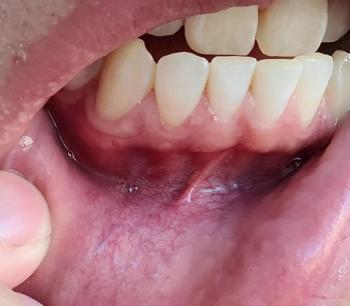
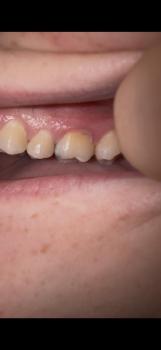
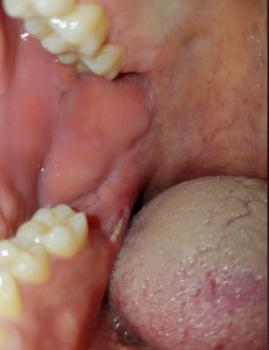
Patients with lower front gum inflammation may also experience tartar buildup, periodontal disease, gum abscesses, or tooth decay. Explore these related clinical case studies.


Other topics:
Other Dental Clinic