Smile Again with Comfort and Confidence.

Alcohol After Tooth Extraction: Risks You Shouldn’t Ignore
Language :

Topics:
A Clinical Recovery Guide from a Massachusetts Dental Bone Graft Expert (8 Years Experience)
If you’ve recently had a tooth removed, you might be wondering:
“Can I drink alcohol after a tooth extraction?”
It’s a common question—and an important one. In my Massachusetts practice, I’ve seen otherwise smooth recoveries complicated by something as simple as having a drink too soon.
Here’s the clear answer:
Alcohol after tooth extraction can interfere with healing, increase complications, and delay recovery—especially in the first few days.
This guide explains exactly why alcohol is risky, when it’s safe again, and how to protect your healing process.
Why Alcohol Is a Problem After Tooth Extraction
After a tooth is removed, your body forms a blood clot in the socket.
This clot is critical because it:
- Protects exposed bone and nerves
- Supports tissue regeneration
- Prevents dry socket
Alcohol interferes with this process in several ways.
1. Alcohol Can Disrupt the Blood Clot
Alcohol can:
- Thin the blood
- Increase bleeding
- Prevent clot stability
Clinical Insight
If the clot is disrupted, you risk developing dry socket, one of the most painful complications after extraction.
2. Alcohol Slows Healing
Alcohol affects your body’s ability to:
- Repair tissue
- Fight infection
- Regenerate cells
Expert Perspective
Even moderate drinking can delay healing during the early phase.
3. Alcohol Interacts with Medications
After extraction, many patients are prescribed:
- Pain relievers
- Antibiotics
Risk
Mixing alcohol with these medications can:
- Reduce effectiveness
- Increase side effects
- Cause complications
4. Alcohol Can Increase Infection Risk
Alcohol:
- Weakens the immune response
- Creates a less stable healing environment
5. Alcohol Causes Dry Mouth
Reduced saliva leads to:
- Increased bacteria
- Higher infection riske
- Slower healing
When Can You Safely Drink Alcohol?
General Timeline
- First 24–72 hours: No alcohol
- After 3–5 days: Possibly safe in small amounts
- After 7 days: Generally safe if healing is normal
Important Rule
Only resume alcohol if:
- Pain is minimal
- No bleeding is present
- Healing is progressing normally
Day-by-Day Alcohol Safety Guide
Day 1–2: Strictly Avoid Alcohol
Why
- Blood clot forming
- Highest risk of complications
Day 3–4: Still Avoid
Why
- Healing still fragile
- Risk of dry socket remains
Day 5–7: Cautious Reintroduction
If Healing Is Normal
- Small amounts may be safee
Conditions
- No pain increase
- No bleeding
- No medications interacting
Week 2: Normal Consumption (If Fully Healed)
Most patients can safely return to normal habits.
Real Case from My Massachusetts Practice
Patient: Alex, 45 years old
Day 2:
- Consumed alcohol
- Noticed increased bleeding
Day 3:
- Developed pain
- Delayed healing
Outcome:
- Required additional care
Expert Insight
Alcohol didn’t cause the problem alone—it interfered with the healing process.
Signs Alcohol Is Causing Problems
Stop drinking and contact your dentist if you notice:
- Increased pain
- Bleeding after drinking
- Swelling worsening
- Bad taste or odor
Alcohol and Dental Implants
If you’re planning implants:
Alcohol can:
- Affect bone healing
- Delay implant placement
- Reduce success rates
Expert Advice
Avoid alcohol completely until healing is stable.
Alcohol vs Other Drinks
Safe Options
- Water
- Milk
- Herbal tea (lukewarm)
Avoid Early
- Alcohol
- Carbonated drinks
- Hot beverages
Common Mistakes Patients Make
- Drinking alcohol too soon
- Ignoring medication interactions
- Assuming “small amounts are safe”
- Not monitoring symptoms
How to Recover Faster Without Alcohol
1. Stay Hydrated
2. Eat Proper Foods
3. Follow Instructions
4. Rest
Psychological Factor: Social Pressure
Many patients feel pressure to drink socially.
Expert Advice
Prioritize healing over short-term habits.
FAQ: Alcohol After Tooth Extraction
1. Can I drink alcohol after extraction?
Not in the first 3–5 days.
2. When is it safe to drink again?
Usually after 5–7 days if healing is normal.
3. Can alcohol cause dry socket?
Indirectly—by disrupting the clot.
4. What if I drank alcohol too early?
Monitor symptoms and contact your dentist if issues arise.
5. Can I drink while taking antibiotics?
No—avoid alcohol during medication.
6. Is one drink safe?
Not during the early healing phase.
Related Topics
1. What to Eat After Tooth Extraction Day by Day
Learn the best recovery diet.
2. How to Prevent Dry Socket
Understand key prevention strategies.
3. When Can I Eat Solid Food After Extraction
Know when to return to normal eating.
Final Thoughts from a Massachusetts Bone Graft Expert
After 8 years of clinical experience, one thing is clear:
Alcohol and early healing do not mix well.
The key principles are simple:
- Avoid alcohol in the early phase
- Protect the blood clot
- Resume gradually when healing is stable
If you respect the healing process, you’ll avoid complications and recover faster.
And remember:
A few days without alcohol is a small price to pay for a smooth recovery.
Can tooth extraction cause infection? Mild inflammation is normal, but increasing swelling, fever, or severe pain may indicate infection. Learn more about post-extraction infection warning signs in this detailed guide.
Book a consultation with our Cebu dental specialists for proper evaluation and care.
Ready to get expert guidance?
If you’re experiencing severe pain or delayed healing, book a consultation with our Cebu dental specialists to get proper evaluation and care.
Consultation or contact page .
Book a Consultation
For severe discomfort or delayed healing, book a consultation with our Cebu dental specialists today.
Looking for a dentist? Browse our Cebu dental directory to find trusted clinics near you.
Medical Review and Clinical Basis
This article is based on clinical dental guidelines and real patient recovery patterns observed after tooth extraction procedures. The information reflects common post-extraction healing stages, including normal clot formation, gum tissue repair, and signs of possible complications such as dry socket or infection.
While mild discomfort is expected after a dental extraction, worsening pain after Day 3, bad odor, exposed bone, or spreading pain may require professional evaluation. These symptoms are consistent with known post-extraction complications described in standard dental practice.
About Cebu Dental Implants
Cebu Dental Implants provides comprehensive tooth extraction, surgical procedures, and dental implant services in the Philippines. Our team evaluates post-extraction healing, manages complications such as dry socket, and advises patients on proper aftercare to prevent infection and delayed healing.
If you experience severe pain or unusual symptoms after extraction, early professional assessment is recommended to prevent further complications.
Important Medical Disclaimer
This content is for educational purposes only and does not replace professional dental diagnosis. Every patient heals differently. If symptoms worsen or do not improve within a few days, consult a licensed dentist for proper evaluation and treatment.
Author
This article was prepared by the Cebu Dental Implants content team in consultation with licensed dental professionals experienced in tooth extraction and implant procedures.
Related Clinical Cases
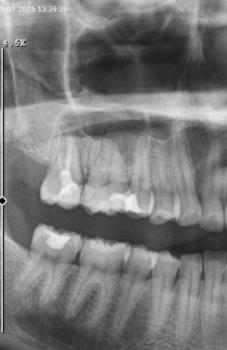
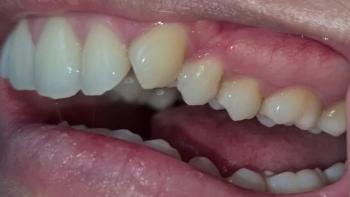
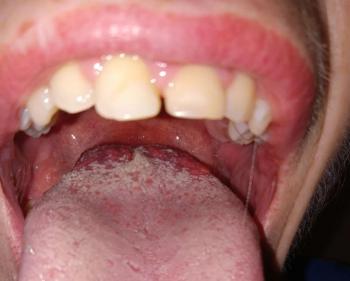
Patients with lower front gum inflammation may also experience tartar buildup, periodontal disease, gum abscesses, or tooth decay. Explore these related clinical case studies.



Other topics:
Other Dental Clinic