Because Every Tooth Deserves Care.

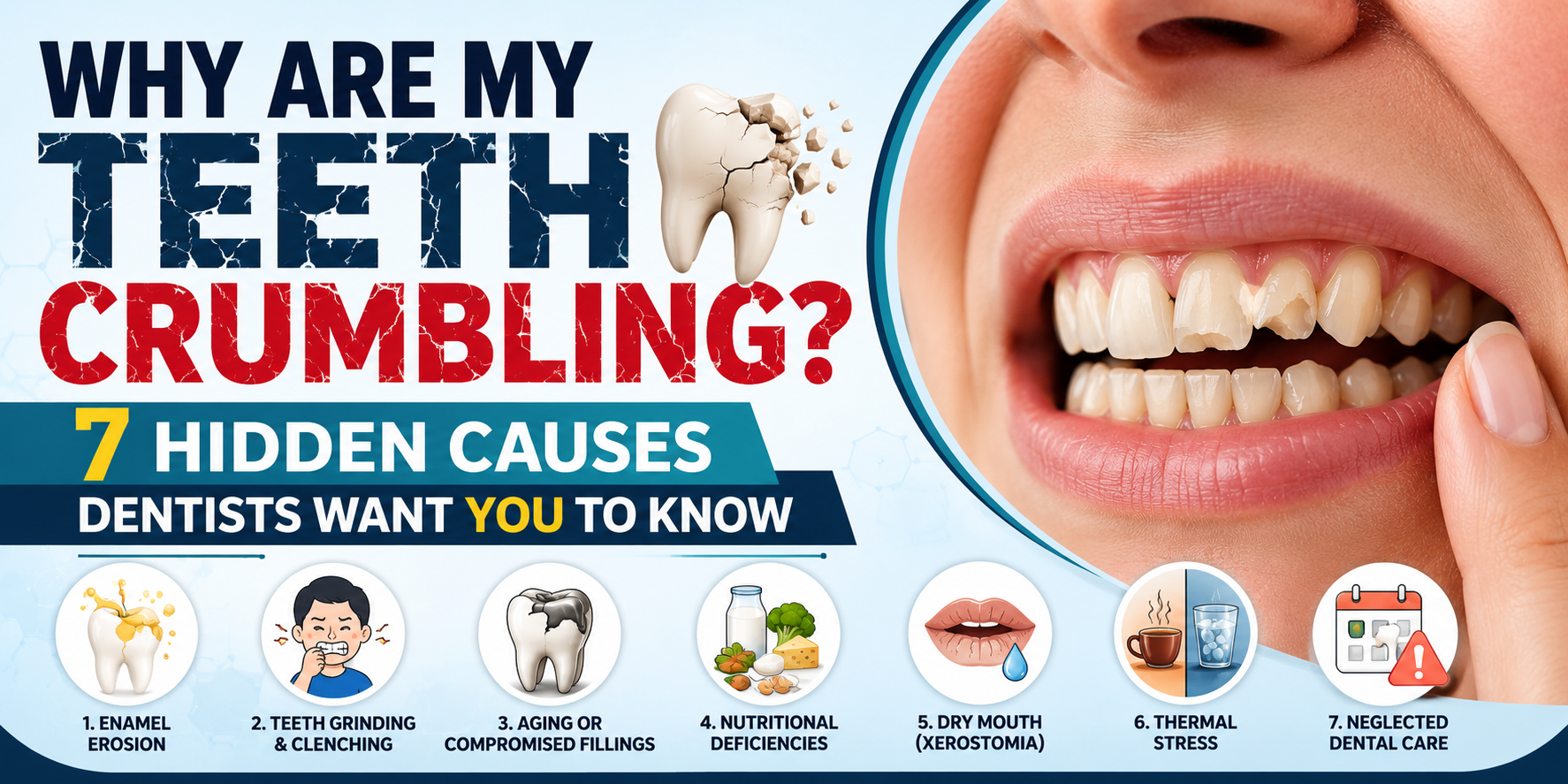
Why Are My Teeth Crumbling? 7 Hidden Causes Dentists Want You to Know
Language :
Topics:
Many people wake up one day, bite into something soft, and suddenly notice a piece of their tooth has chipped away. Others look in the mirror and discover rough edges, cracks, or sections of enamel that seem to be disappearing. The experience can feel alarming and unexpected.
The truth is that teeth rarely begin crumbling overnight. In most cases, the visible damage is the final stage of a process that has been silently weakening the tooth structure for months or even years. Tooth enamel, the outer protective layer of the tooth, is the hardest substance in the human body. Yet despite its incredible strength, enamel is not indestructible. Once it becomes damaged, worn down, or fractured, it cannot regenerate on its own.
Understanding the hidden causes behind tooth breakdown is the first step toward protecting your smile. Whether the issue stems from acid erosion, grinding, nutritional deficiencies, or aging dental work, identifying the source early can help prevent more extensive—and expensive—damage in the future.
This comprehensive guide explores seven often-overlooked reasons why teeth may appear to be crumbling and explains how dentists diagnose and treat these conditions.
Understanding Tooth Structure
Before examining the causes, it helps to understand what teeth are made of.
Each tooth consists of several layers:
Enamel
Enamel forms the outer shell of the tooth. It protects against chewing forces, temperature changes, and bacterial attack. Although enamel is extremely strong, it contains no living cells and cannot repair itself once damaged.
Dentin
Beneath enamel lies dentin, a softer yellowish material. Dentin contains microscopic tubules that connect to the tooth's nerve. When enamel wears away, dentin becomes exposed, leading to sensitivity.
Pulp
The pulp chamber contains nerves and blood vessels that keep the tooth alive. Once damage reaches this layer, infection and pain often occur.
Cementum
This covers the tooth root and helps anchor the tooth to surrounding bone and periodontal ligaments.
When teeth begin to crumble, the breakdown usually starts at the enamel level and progresses deeper over time.
1. Gradual Enamel Erosion
One of the most common yet overlooked causes of tooth breakdown is enamel erosion.
Unlike cavities, which result from localized bacterial damage, erosion affects broader areas of the tooth surface. The process occurs when acids dissolve minerals from enamel faster than the body can replace them.
How Enamel Erosion Happens
Every time you eat or drink something acidic, the pH level in your mouth drops. When the pH falls below approximately 5.5, enamel begins losing minerals.
Common sources include:
- Soft drinks
- Energy drinks
- Sports drinks
- Citrus fruits
- Vinegar-based foods
- Wine
- Frequent snacking on sugary foods
Over time, repeated acid exposure causes enamel to become thinner and weaker.
Hidden Medical Causes
Not all acid comes from food.
Many patients are surprised to learn that stomach acid can be even more destructive than dietary acids.
Conditions such as:
- GERD (Gastroesophageal Reflux Disease)
- Acid reflux
- Bulimia
- Chronic vomiting
can expose teeth to highly corrosive stomach acids.
Dentists often identify reflux-related erosion before patients realize they have digestive problems.
Signs of Enamel Erosion
Symptoms may include:
- Tooth sensitivity
- Yellowing teeth
- Rounded tooth edges
- Transparent front teeth
- Increased chipping
- Rough tooth surfaces
Prevention Strategies
To reduce erosion:
- Limit acidic beverages
- Drink water after acidic foods
- Use a straw for acidic drinks
- Wait 30 minutes before brushing after consuming acids
- Use fluoride toothpaste
- Treat acid reflux promptly
2. Teeth Grinding and Clenching (Bruxism)
Many people grind or clench their teeth without realizing it.
Known as bruxism, this condition can place hundreds of pounds of force on teeth repeatedly throughout the night.
Over months and years, this pressure causes microscopic damage that eventually leads to visible fractures.
Why Bruxism Is So Destructive
Normal chewing involves controlled forces distributed across multiple teeth.
Grinding is different.
The repetitive side-to-side motion creates excessive stress that enamel was never designed to withstand.
As a result:
- Teeth wear down
- Enamel thins
- Cracks develop
- Fillings fracture
- Crowns loosen
Eventually, portions of the tooth may break away.
Common Causes of Bruxism
Several factors may contribute:
- Stress
- Anxiety
- Sleep disorders
- Misaligned bite
- Certain medications
- Excessive caffeine
Many patients discover they grind only after a dentist identifies wear patterns.
Warning Signs
Symptoms often include:
- Morning headaches
- Jaw pain
- Ear discomfort
- Flattened teeth
- Tooth sensitivity
- Facial muscle fatigue
Treatment Options
Dentists frequently recommend:
- Custom night guards
- Stress reduction techniques
- Bite adjustments
- Sleep evaluations
- Orthodontic treatment when necessary
Protecting teeth from grinding forces can significantly reduce future structural damage.
3. Aging or Compromised Fillings
Dental fillings are designed to restore damaged teeth, but they are not permanent.
Over time, fillings can deteriorate, leak, or weaken the surrounding tooth structure.
Why Older Fillings Become Problematic
Every day, your teeth experience:
- Chewing forces
- Temperature fluctuations
- Moisture exposure
- Bacterial activity
These factors gradually affect restorative materials.
As fillings age:
- Margins can separate
- Cracks may form
- Decay can develop underneath
- Tooth walls become thinner
The larger the filling, the less natural tooth structure remains.
Eventually, the remaining walls may fracture under pressure.
Large Fillings and Structural Weakness
Imagine removing half the walls from a house.
Even if repairs are made, the overall structure becomes less stable.
Similarly, teeth with extensive fillings often become more vulnerable to:
- Cracks
- Fractures
- Cuspal breakage
- Complete tooth splitting
Symptoms of Failing Fillings
Watch for:
- Pain when chewing
- Sensitivity to temperature
- Visible cracks
- Rough filling edges
- Food trapping between teeth
Preventive Measures
Regular dental examinations allow dentists to identify failing restorations before catastrophic fractures occur.
In some cases, replacing an aging filling with a crown may save the tooth.
4. Nutritional Deficiencies
Healthy teeth require more than brushing and flossing.
Nutrition plays a critical role in maintaining strong enamel and supporting overall oral health.
Essential Nutrients for Teeth
Several nutrients are particularly important.
Calcium
Calcium forms the foundation of tooth mineralization.
Sources include:
- Dairy products
- Sardines
- Tofu
- Leafy greens
Phosphorus
Phosphorus works alongside calcium to strengthen enamel.
Good sources include:
- Fish
- Meat
- Eggs
- Nuts
Vitamin D
Vitamin D helps the body absorb calcium effectively.
Without sufficient vitamin D, even a calcium-rich diet may not adequately support tooth health.
Vitamin A
Vitamin A supports healthy saliva production and oral tissues.
Deficiencies may increase susceptibility to dental problems.
How Deficiencies Affect Teeth
Long-term nutrient shortages may contribute to:
- Weaker enamel
- Increased decay risk
- Delayed healing
- Greater brittleness
Although nutritional deficiencies alone rarely cause teeth to crumble suddenly, they can make existing damage progress more rapidly.
Building a Tooth-Friendly Diet
Focus on:
- Lean proteins
- Vegetables
- Fruits
- Dairy products
- Whole grains
- Adequate hydration
Nutrition should be viewed as a key component of preventive dental care.
5. Dry Mouth (Xerostomia)
Many people underestimate the importance of saliva.
Yet saliva is one of the body's most effective natural defenses against tooth destruction.
What Saliva Does
Saliva helps:
- Neutralize acids
- Wash away food debris
- Deliver minerals to enamel
- Control bacterial growth
- Lubricate oral tissues
Without sufficient saliva, teeth become significantly more vulnerable.
Causes of Dry Mouth
Common causes include:
Medications
Many medications reduce saliva production, including:
- Antidepressants
- Antihistamines
- Blood pressure medications
- Anxiety medications
Aging
Salivary gland function may decline with age.
Medical Conditions
Certain disorders contribute to dry mouth, including:
- Diabetes
- Sjögren's syndrome
- Autoimmune diseases
Lifestyle Factors
- Smoking
- Alcohol use
- Dehydration
can worsen dryness.
Consequences of Dry Mouth
Patients often experience:
- Rapid decay
- Tooth sensitivity
- Bad breath
- Oral infections
- Increased enamel erosion
When left untreated, dry mouth can dramatically accelerate tooth breakdown.
Managing Xerostomia
Helpful approaches include:
- Drinking water frequently
- Using saliva substitutes
- Sugar-free chewing gum
- Prescription saliva stimulants
- Reviewing medications with healthcare providers
6. Thermal Stress and Temperature Extremes
Most people have experienced the sensation of sipping hot coffee followed by cold water.
While occasional temperature changes are generally harmless, repeated exposure over many years can contribute to microscopic tooth damage.
Understanding Thermal Expansion
Materials expand when heated and contract when cooled.
Teeth are no exception.
When subjected to rapid temperature shifts:
- Enamel expands
- Dentin expands differently
- Existing restorations react at different rates
This mismatch creates stress within the tooth structure.
Formation of Craze Lines
Tiny superficial cracks called craze lines often develop first.
Although many craze lines are harmless, repeated thermal stress may deepen them over time.
Eventually, they can progress into:
- Structural fractures
- Chipped enamel
- Split teeth
Risk Factors
Greater risk exists when:
- Existing cracks are present
- Large fillings exist
- Teeth are weakened by decay
- Bruxism is present
Reducing Thermal Stress
Simple habits can help:
- Allow hot foods to cool slightly
- Avoid immediate temperature extremes
- Use insulated drink containers
- Address cracked teeth early
7. Neglected Dental Care
Perhaps the most preventable cause of tooth crumbling is delayed dental treatment.
Many serious dental problems begin as minor, painless issues.
Without intervention, these small problems grow progressively worse.
The Silent Nature of Dental Disease
Early-stage problems often produce few symptoms.
Examples include:
- Small cavities
- Minor enamel cracks
- Early gum disease
- Failing fillings
Patients may assume everything is fine because no pain is present.
However, structural damage continues beneath the surface.
The Chain Reaction Effect
A tiny cavity may eventually become:
- Enamel decay
- Dentin involvement
- Large cavity
- Fractured tooth
- Root canal treatment
- Crown placement
- Possible extraction
What begins as a simple repair can evolve into extensive treatment if ignored.
Importance of Routine Checkups
Regular dental visits allow early detection of:
- Decay
- Cracks
- Gum disease
- Bite problems
- Failing restorations
Addressing these issues early is often less invasive and less costly.
When Should You Seek Immediate Dental Care?
Certain symptoms indicate that professional evaluation should not be delayed.
Contact a dentist promptly if you experience:
- Sudden tooth fractures
- Persistent pain
- Swelling
- Bleeding gums
- Pus around teeth
- Severe sensitivity
- Loose teeth
- Difficulty chewing
Early intervention often determines whether a tooth can be saved.
How Dentists Diagnose Crumbling Teeth
A comprehensive evaluation may include:
Visual Examination
Dentists inspect enamel, restorations, and gum health.
Digital X-Rays
Radiographs reveal hidden decay and internal fractures.
Bite Analysis
Occlusion assessments identify grinding and excessive forces.
Saliva Assessment
Dry mouth risk factors may be evaluated.
Medical History Review
Underlying conditions such as GERD, nutritional deficiencies, or medication-related issues may be identified.
Accurate diagnosis is essential because successful treatment depends on addressing the root cause rather than simply repairing visible damage.
Treatment Options for Crumbling Teeth
Treatment varies depending on severity.
Fluoride Therapy
Helpful for early enamel weakening.
Bonding
Repairs minor chips and cracks.
Fillings
Restore small areas of decay.
Crowns
Protect severely weakened teeth.
Root Canal Therapy
Necessary when pulp involvement occurs.
Dental Implants
When a tooth cannot be saved, dental implants may provide a long-term replacement option.
Night Guards
Protect teeth from grinding-related damage.
Final Thoughts
If your teeth seem to be crumbling, the process likely began long before the damage became visible. Enamel erosion, teeth grinding, aging fillings, nutritional deficiencies, dry mouth, thermal stress, and neglected dental care can all contribute to gradual structural breakdown.
The encouraging news is that most causes can be identified and managed before significant tooth loss occurs. Early diagnosis, routine dental examinations, proper nutrition, good oral hygiene, and timely treatment remain the most effective defenses against progressive tooth damage.
Remember: enamel cannot regenerate once it is lost. If you notice chipping, cracking, unusual sensitivity, or changes in your teeth, seeking professional dental evaluation sooner rather than later may help preserve your natural smile for many years to come.
Can tooth extraction cause infection? Mild inflammation is normal, but increasing swelling, fever, or severe pain may indicate infection. Learn more about post-extraction infection warning signs in this detailed guide.
Book a consultation with our Cebu dental specialists for proper evaluation and care.
Ready to get expert guidance?
If you’re experiencing severe pain or delayed healing, book a consultation with our Cebu dental specialists to get proper evaluation and care.
Consultation or contact page .
Book a Consultation
For severe discomfort or delayed healing, book a consultation with our Cebu dental specialists today.
Looking for a dentist? Browse our Cebu dental directory to find trusted clinics near you.
Medical Review and Clinical Basis
This article is based on clinical dental guidelines and real patient recovery patterns observed after tooth extraction procedures. The information reflects common post-extraction healing stages, including normal clot formation, gum tissue repair, and signs of possible complications such as dry socket or infection.
While mild discomfort is expected after a dental extraction, worsening pain after Day 3, bad odor, exposed bone, or spreading pain may require professional evaluation. These symptoms are consistent with known post-extraction complications described in standard dental practice.
About Cebu Dental Implants
Cebu Dental Implants provides comprehensive tooth extraction, surgical procedures, and dental implant services in the Philippines. Our team evaluates post-extraction healing, manages complications such as dry socket, and advises patients on proper aftercare to prevent infection and delayed healing.
If you experience severe pain or unusual symptoms after extraction, early professional assessment is recommended to prevent further complications.
Important Medical Disclaimer
This content is for educational purposes only and does not replace professional dental diagnosis. Every patient heals differently. If symptoms worsen or do not improve within a few days, consult a licensed dentist for proper evaluation and treatment.
Author
This article was prepared by the Cebu Dental Implants content team in consultation with licensed dental professionals experienced in tooth extraction and implant procedures.
Related Clinical Cases
Patients with lower front gum inflammation may also experience tartar buildup, periodontal disease, gum abscesses, or tooth decay. Explore these related clinical case studies.