Healthy Teeth, Happy Life.

Understanding the Full Cost of Dental Implants in Malta
Understanding the Full Cost of Dental Implants
Why the Dental Implant Price Can Be Different From Clinic to Clinic
When patients begin researching dental implants, one of the first questions they usually ask is:
“How much will my dental implant cost?”
That is a very reasonable question. Dental treatment is a significant investment, and patients deserve to understand where their money is going before they begin treatment.
After 25 years of experience in dental care, one of the most important things I tell patients is:
Do not compare implant prices based on one number alone. First, find out exactly what that price includes.
Two clinics may advertise what appears to be the same implant price, but their treatment packages may include very different components.
The Implant Is More Than Just the Implant Fixture
A dental implant treatment can involve several separate components.
The implant fixture is the part placed into the jawbone. It acts as an artificial tooth root.
The abutment connects the implant fixture to the final restoration.
The crown is the visible tooth that you see when you smile and the part that helps you bite and chew.
Some clinics may quote the implant fixture separately from the abutment and crown. This can make the initial advertised price look lower than the eventual treatment cost.
That is why I encourage patients to ask:
“Is this the complete price for the finished tooth, or is this only the implant fixture?”
That simple question can prevent a lot of confusion.
What May Be Included in Your Implant Treatment?
Depending on your individual situation, additional procedures or fees may include:
1. Tooth Extraction
If a tooth needs to be removed before implant treatment, extraction may be charged separately.
Sometimes an implant can be placed at the time of extraction, while in other cases the area may need time to heal first.
Your dentist should explain which approach is appropriate for you.
2. Bone Grafting
Some patients do not have enough bone volume to support an implant in the desired position.
A bone graft may be recommended to rebuild or improve the available bone.
Not every patient needs bone grafting, so this should be determined through clinical examination and appropriate imaging.
3. Sinus Lift
For some patients receiving implants in the upper back jaw, the available bone beneath the sinus may not provide enough height.
A sinus lift may be considered to create the appropriate conditions for implant placement.
Again, this is not required for every patient.
4. 3D CBCT Imaging
A 3D CBCT scan can provide your dentist with detailed information about the jawbone and surrounding structures.
This may help with implant planning, particularly when the anatomy is more complex.
Ask whether the imaging fee is already included in your treatment quotation.
5. Temporary Teeth
Depending on your treatment plan, temporary teeth may be needed while the implant area heals or while the final restoration is being prepared.
Temporary teeth can be especially important for patients who are concerned about appearance during treatment.
6. Sedation or Anesthesia
Local anesthesia is commonly used during many dental procedures.
For patients who are particularly anxious or who require more extensive treatment, additional sedation or anesthesia options may sometimes be discussed.
If this is important to you, ask whether there is an additional charge.
7. Laboratory Fees
Your final crown, bridge, denture, or other restoration may require work by a dental laboratory.
Laboratory costs can vary depending on the material, design, technology, and complexity of the restoration.
8. Follow-Up Appointments
Implant treatment does not necessarily end when the implant is placed.
Follow-up visits may be needed to monitor healing, evaluate the implant, make adjustments, and eventually place or assess the final restoration.
Ask your dentist what follow-up care is included in the treatment quotation.
Have an Honest Conversation About the Price
I understand why patients sometimes feel nervous when they see different implant prices online.
You may be thinking:
“Why does one clinic charge much less?”
Or:
“Am I paying too much?”
These are completely reasonable questions.
There is nothing wrong with comparing prices. In fact, I encourage patients to compare—but compare complete treatment plans, not just advertisements.
A lower starting price does not necessarily mean that the final treatment will cost less.
Likewise, a higher price does not automatically mean that a treatment is better.
The important question is:
What exactly am I receiving for the quoted price?
Questions to Ask Before Accepting an Implant Quote
Before committing to treatment, ask your dentist:
-
Is the quoted price for the implant fixture only?
-
Is the abutment included?
-
Is the final crown included?
-
Are X-rays or 3D CBCT imaging included?
-
Is tooth extraction included if required?
-
Is bone grafting included if I need it?
-
Is a sinus lift included if required?
-
Are temporary teeth included?
-
Are laboratory fees included?
-
Are follow-up appointments included?
-
Are there additional charges that could arise during treatment?
-
What happens if additional treatment becomes necessary?
A good dental consultation should give you an opportunity to ask these questions openly.
Your Treatment Should Be Planned Around You
Every patient's mouth is different.
One patient may need a straightforward single implant. Another may require extraction, bone grafting, multiple implants, temporary teeth, or a more complex restoration.
That is why it is difficult to give every patient one universal implant price without first understanding their clinical condition.
Your treatment plan should be based on your teeth, gums, bone, bite, health, expectations, and long-term goals.
Do Not Be Afraid to Ask Questions
If you are considering dental implants and feel overwhelmed by the terminology, don't worry.
You do not need to become a dental expert before making a decision.
Your dentist's job is to explain the treatment in a way that you can understand.
If something is unclear, simply ask:
“Can you explain that to me in simple terms?”
You have every right to understand the treatment you are paying for.
The Best Investment Is an Informed Decision
Dental implants can be a significant investment, but the decision should never be based on price alone.
Take your time. Understand the treatment. Ask what is included. Compare complete treatment plans. Most importantly, make sure you feel comfortable with the dentist and the proposed approach.
A clear treatment plan today can help prevent unexpected surprises later.
If you are considering dental implants, start with a proper examination and consultation so your dentist can explain which options are appropriate for your individual situation.
Related Clinical Cases
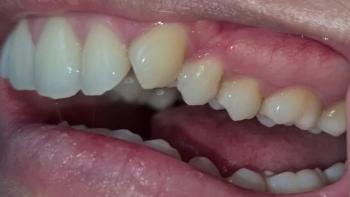
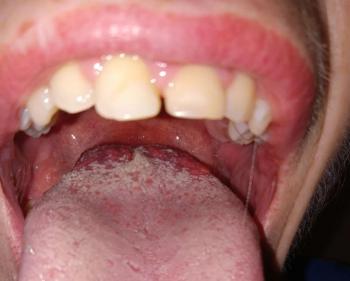
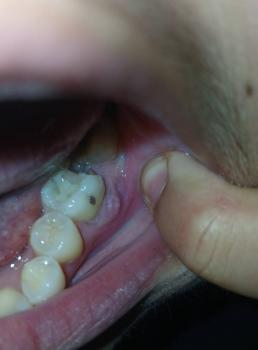
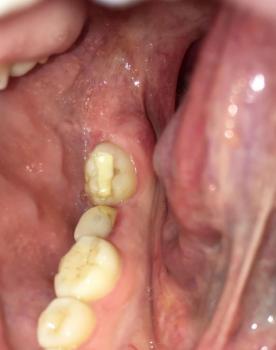
Patients with lower front gum inflammation may also experience tartar buildup, periodontal disease, gum abscesses, or tooth decay. Explore these related clinical case studies.



Other topics:
Other Dental Clinic
 |
 |
 |
 |