Your Smile, Our Passion.

Severe Tooth Decay Treatment in the Philippines: Treatment Options, Costs, and Before & After Results
Image:
Severity:
Teeth Problems:
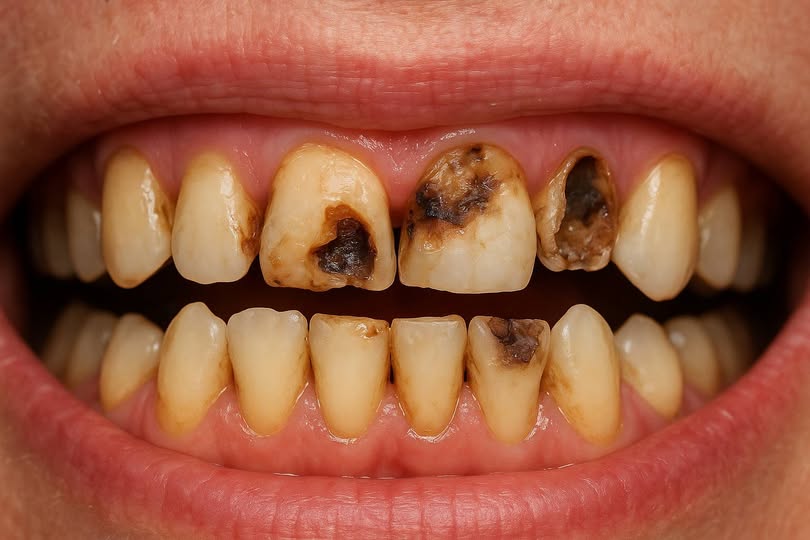
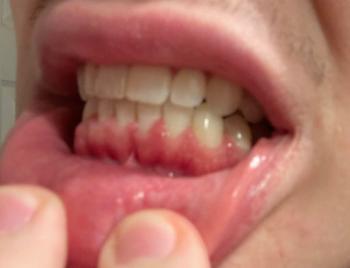
Case Analysis: Advanced Dental Caries and Enamel Erosion
Clinical Observation
Upon visual examination of the image:
-
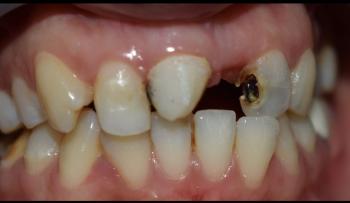
Multiple anterior teeth (upper and lower) show extensive decay, with large carious lesions exposing dentin and pulp in some areas.
-
Severe enamel erosion and discoloration are evident.
-
Possible infection or necrosis in the pulp chambers (blackened centers).
-
Gum margins appear slightly inflamed, indicating early gingivitis.
-
The tooth structure is weakened, risking fracture or complete tooth loss if untreated.
Diagnosis
Primary Diagnosis:
-
Severe dental caries (multi-surface lesions) affecting both anterior and posterior teeth.
Secondary Conditions:
-
Pulpitis or necrotic pulp (due to deep decay).
-
Enamel erosion and demineralization (from acid exposure or poor hygiene).
-
Early gum disease (gingivitis).
-
Possible malodor (halitosis) due to bacterial infection.
Severe Tooth Decay: When Can a Tooth Still Be Saved? Expert Treatment Guidance in the Philippines
Severe tooth decay does not automatically mean that a tooth must be extracted. The appropriate treatment depends on how much healthy tooth structure remains, whether the dental pulp is affected, whether an infection has developed around the root, and whether the tooth can be restored to a functional condition.
From a clinical perspective, the most important question is not simply how large the cavity looks. It is whether the remaining tooth structure and surrounding tissues can support a predictable, long-term restoration.
1. How Dentists Determine Whether a Severely Decayed Tooth Can Be Saved
A dentist evaluates several factors before recommending treatment.
Remaining tooth structure: A tooth with extensive decay may still be restorable if enough healthy structure remains to support a filling or crown. If decay extends deep below the gumline or the tooth has a fracture that compromises its restorability, extraction may be more appropriate.
Condition of the dental pulp: The pulp contains nerves and blood vessels inside the tooth. Deep decay can cause inflammation or bacterial infection of this tissue. Depending on the diagnosis, treatment may involve selective decay removal, vital pulp therapy, or root canal treatment.
Condition of the root and surrounding bone: Dental examination and appropriate X-rays help identify root damage, infection around the root tip, and changes in the supporting bone. A tooth with a favorable root and adequate supporting tissues may have a better chance of successful restoration.
Presence of gum swelling or an abscess: A dental abscess indicates an infection that requires prompt treatment. The dentist must identify the source and determine whether drainage, root canal treatment, extraction, or a combination of procedures is necessary.
No single symptom or photograph can reliably establish whether a severely decayed tooth is salvageable. The final decision requires an individualized clinical assessment.
2. What Are the Treatment Options for Advanced Tooth Decay?
A. Deep decay treatment and a protective filling
If the pulp remains healthy or can be preserved, the dentist may remove decay using an appropriate conservative technique and restore the tooth with a suitable filling material. In selected cases, not all affected dentin needs to be removed aggressively; preserving healthy tooth structure can reduce the risk of exposing the pulp.
This approach is generally considered when the tooth can be sealed and restored without requiring root canal treatment.
B. Vital pulp therapy
In selected teeth with deep decay and an exposed or inflamed pulp, a dentist may consider vital pulp therapy, such as a pulp cap or partial or full pulpotomy. Suitability depends on the tooth, the extent of inflammation, the ability to control contamination and bleeding, and the clinician's assessment.
These procedures aim to preserve living pulp tissue where appropriate. They are not suitable for every tooth with severe decay or established pulp necrosis.
C. Root canal treatment followed by restoration
When the pulp is irreversibly inflamed or infected but the tooth remains restorable, root canal treatment may offer a way to retain it.
The dentist removes diseased pulp tissue, cleans and disinfects the root canal system, and seals it with a root filling material. The tooth then needs a suitable definitive restoration.
A crown may be recommended when substantial tooth structure has been lost, particularly in back teeth exposed to heavy chewing forces. Not every root-treated tooth requires the same restoration; the decision depends on the remaining structure, tooth position, and fracture risk.
A root canal treats the infection inside the tooth, but it does not rebuild the missing outer structure by itself.
D. Tooth extraction
Extraction may be recommended when a tooth cannot be predictably restored, such as when there is extensive destruction below the gumline, a non-restorable fracture, or an unfavorable periodontal or root condition.
After extraction, the dentist can discuss whether the space should be replaced with a dental implant, bridge, or removable partial denture. Replacement is not always immediately necessary, and the best option depends on the location of the tooth, neighboring teeth, bone condition, health factors, and budget.
3. What If Severe Tooth Decay Causes Facial or Gum Swelling?
Swelling around a decayed tooth may indicate a dental abscess or spreading infection. It should not be treated as an ordinary cavity.
A dentist may need to drain the abscess and eliminate its source through root canal treatment or extraction. Antibiotics may be appropriate when there are signs of spreading infection or systemic involvement, but they do not replace definitive dental treatment.
Do not rely on pain relief or antibiotics alone to determine that the infection has resolved. Pain can decrease even when the underlying problem remains.
Seek emergency medical care immediately if dental swelling causes difficulty breathing or swallowing, rapidly spreads through the face or neck, involves the eye with pain or visual changes, or is associated with severe difficulty opening the mouth. Fever with worsening facial swelling also warrants urgent assessment.
4. What Should Patients Expect After Treatment?
Recovery depends on the procedure and the severity of the original infection.
-
After a filling: Mild temporary sensitivity can occur. Persistent or worsening pain should be reviewed by the dentist.
-
After root canal treatment: Some tenderness when biting may occur for several days. Follow the dentist's instructions and return for the permanent restoration as scheduled.
-
After a crown: The restored tooth should be comfortable and functional. Persistent bite discomfort, a loose crown, or new swelling requires reassessment.
-
After extraction: Some soreness and swelling are expected, but symptoms should generally improve rather than progressively worsen. Follow the aftercare instructions and seek review for uncontrolled bleeding, increasing pain, fever, or worsening swelling.
Successful treatment does not guarantee that a tooth will last forever. Long-term outcomes depend on the quality of the restoration, remaining tooth structure, oral hygiene, diet, bite forces, and ongoing dental care.
5. Understanding Severe Tooth Decay Treatment Costs in the Philippines
The total expense depends on the treatment required rather than the size of the visible cavity alone.
A dentist's estimate may include:
-
Consultation and diagnostic X-rays
-
Decay removal and filling
-
Vital pulp therapy, if indicated
-
Root canal treatment, depending on the tooth and complexity
-
A permanent filling, core buildup, or crown
-
Abscess drainage or extraction, when necessary
-
Tooth replacement after extraction, if chosen
For patients comparing dental clinics in the Philippines, ask for an itemized treatment plan. Confirm whether the quoted price includes X-rays, temporary restorations, the final crown, follow-up appointments, and any additional procedures that may be required.
The least expensive immediate option is not necessarily the least expensive over time. However, the most expensive procedure is not automatically the best choice either. The objective is to choose a clinically appropriate treatment that offers a reasonable chance of success within the patient's budget.
6. How to Reduce the Risk of Further Tooth Decay
Once a severely decayed tooth has been treated, prevention becomes essential.
-
Brush twice daily with fluoride toothpaste.
-
Clean between the teeth every day with floss or an appropriate interdental cleaner.
-
Reduce how frequently you consume sugary snacks and drinks.
-
Drink water regularly and avoid repeatedly sipping sugary or acidic beverages throughout the day.
-
Attend dental check-ups at intervals recommended for your individual risk.
-
Seek early treatment for new cavities, sensitivity, broken fillings, or persistent toothache.
Early decay may sometimes be arrested or remineralized with appropriate preventive care. Once a cavity has caused substantial structural damage, however, fluoride toothpaste alone cannot rebuild the missing tooth structure.
Clinical Takeaway
Severe tooth decay requires an assessment of the pulp, root, supporting bone, and remaining healthy tooth structure. Some teeth can be preserved with conservative treatment or root canal therapy and a suitable restoration; others have a better prognosis with extraction.
The most reliable way to protect your oral health is to obtain a timely diagnosis, understand the alternatives, and complete the recommended definitive treatment rather than waiting for the pain to become severe.
Additional Expert Dental Guide: Severe Tooth Decay, Tooth-Saving Options, and When Extraction Is Necessary
1. Can a Severely Decayed Tooth Still Be Saved?
One of the most common questions patients ask is whether a badly decayed, blackened, or broken tooth can still be restored.
The answer depends on how much healthy tooth structure remains and whether the pulp, roots, and surrounding tissues are affected.
A tooth with extensive decay is not automatically beyond repair. In selected cases, a dentist may remove the infected or decayed tissue and restore the tooth with a filling, onlay, or crown. If the pulp inside the tooth is irreversibly inflamed or infected, root canal treatment may allow the natural tooth to be retained, provided the remaining structure and supporting tissues are suitable.
However, a tooth with a severe fracture extending below the gumline, insufficient healthy structure for a reliable restoration, or certain forms of extensive root damage may have a poor prognosis. Extraction may then be recommended.
What an expert dentist evaluates
Before recommending treatment, the dentist generally considers:
-
Remaining tooth structure: Is enough healthy tooth available to support a durable restoration?
-
Pulp health: Is the nerve tissue healthy, inflamed, or dead?
-
Root condition: Are there cracks, resorption, or other damage?
-
Bone and gum support: Is the tooth stable enough to function?
-
Infection: Is there an abscess or infection around the root?
-
Restorability: Can the tooth be restored in a way that is functional, cleanable, and maintainable?
Clinical examination, appropriate dental X-rays, and sometimes additional tests are needed. A photograph alone cannot reliably determine whether a tooth can be saved.
2. Five Stages of Tooth Decay: From Early Damage to Dental Abscess
Stage 1: Early enamel demineralization
Acids produced by plaque bacteria begin removing minerals from the enamel. Early lesions may appear as white or chalky spots without an open cavity.
Treatment approach: Fluoride treatment, improved oral hygiene, and reducing frequent sugar exposure may help remineralize early lesions. Not every early lesion requires drilling.
Stage 2: An established cavity
When enamel breaks down and a cavity forms, the tooth may develop a visible hole, brown or dark areas, food trapping, or sensitivity.
Treatment approach: A dentist may remove the diseased tissue and place a filling. The appropriate technique depends on the lesion's depth and activity.
Stage 3: Deep decay involving dentin
Dentin is softer than enamel, so decay can progress through it toward the pulp. Patients may experience sensitivity to sweets, cold drinks, or chewing pressure.
Treatment approach: Depending on the depth, symptoms, and pulp findings, treatment may involve selective caries removal, a filling, an onlay, or a crown. Deep decay does not automatically mean a root canal is necessary.
Stage 4: Pulp inflammation or infection
When decay approaches or reaches the pulp, patients may develop spontaneous pain, lingering sensitivity, or severe night-time toothache. In some cases, the pulp may become irreversibly inflamed or die.
Treatment approach: Depending on the diagnosis and tooth restorability, options may include vital pulp therapy in selected cases, root canal treatment followed by an appropriate restoration, or extraction.
Stage 5: Dental abscess or spreading infection
Bacteria may infect tissues around the root, producing localized swelling, pus, tenderness, or a bad taste. Infection can sometimes spread into the face, jaw, or deeper neck tissues.
Treatment approach: Prompt professional treatment is necessary. This may include drainage, root canal treatment, or extraction, depending on the cause and whether the tooth can be saved. Antibiotics may be indicated when there are systemic or spreading signs, but they do not replace treatment of the infected source.
Important: The stages do not always progress in a predictable sequence. Pain may decrease when the pulp dies even though the infection remains.
3. Which Treatment Is Best for Severe Tooth Decay?
The most appropriate option is the least invasive treatment that can reliably restore the tooth and control disease.
| Treatment | When it may be appropriate |
|---|---|
| Fluoride therapy | Early enamel lesions that have not formed a cavity |
| Composite filling | Cavities that can be restored with adequate remaining tooth structure |
| Inlay or onlay | Selected larger defects when sufficient healthy tooth remains |
| Dental crown | Extensive structural damage when the tooth can support a crown |
| Root canal treatment | Irreversibly inflamed or infected pulp when the tooth is restorable |
| Crown lengthening or other restorative procedures | Selected cases where additional accessible tooth structure is needed and periodontal conditions permit |
| Extraction | Teeth that cannot be predictably restored or have an unfavorable prognosis |
| Dental implant, bridge, or denture | Replacement options after a tooth is lost or extracted |
A crown does not cure active decay by itself. The dentist must first assess and manage the diseased tissue and determine whether the tooth can support the restoration. A root canal also does not automatically guarantee success; the final restoration and long-term maintenance matter.
4. Black Teeth, Bad Breath, and Tooth Decay: What Do They Mean?
Black or brown discoloration can occur with advanced decay, but color alone cannot establish the depth of damage. Staining, old restorations, trauma, and changes within the tooth can also cause discoloration.
Persistent bad breath may be associated with cavities that trap food, gum disease, dry mouth, or an oral infection. It is not proof that a tooth has an abscess.
Arrange a dental examination if you notice:
-
A hole or dark area that is getting larger
-
A tooth that is crumbling or breaking
-
Pain when biting or chewing
-
Sensitivity that lingers after hot or cold exposure
-
Repeated gum swelling near a tooth
-
Pus, a persistent unpleasant taste, or unexplained bad breath
Do not attempt to scrape out a cavity, apply aspirin directly to the tooth or gum, or place household chemicals inside the hole. These actions can damage oral tissues and delay appropriate care.
5. Enamel Erosion vs. Tooth Decay
These conditions can occur together, but they have different mechanisms.
| Feature | Enamel erosion | Dental caries |
|---|---|---|
| Main mechanism | Direct chemical dissolution by acids | Acid produced by plaque bacteria acting on fermentable carbohydrates |
| Common contributors | Acidic drinks, reflux, repeated vomiting | Frequent sugar exposure and plaque accumulation |
| Possible appearance | Smooth, worn, thinned, or cupped surfaces | Localized lesions, cavities, or weakened tooth structure |
| Early management | Reduce acid exposure and address the source | Control plaque and sugar exposure; use fluoride |
| Advanced damage | May require restorative treatment | May require fillings, crowns, root canal treatment, or extraction |
A dental examination is important because discoloration or surface damage may reflect more than one process. Management should address the cause as well as repair the damage.
6. What Happens If Severe Tooth Decay Is Left Untreated?
Untreated decay can continue destroying the tooth and may eventually lead to pulp disease, abscess formation, tooth fracture, or tooth loss. Infection may also spread to adjacent tissues.
The consequences vary from person to person. Not every decayed tooth will cause all these complications, but waiting for severe pain or facial swelling is not a safe treatment strategy.
Possible consequences include:
-
Increasing pain or difficulty chewing
-
Loss of restorable tooth structure
-
Recurrent infection or swelling
-
Loss of a tooth and the need to discuss replacement options
-
More complex treatment and potentially higher overall costs
If several teeth are affected, a dentist may recommend a phased full-mouth treatment plan. Usually, urgent infection and pain are addressed first, followed by stabilization of the remaining teeth and a longer-term restorative plan.
7. When Is Severe Tooth Decay a Dental Emergency?
Seek urgent dental care for severe or worsening toothache, swelling around a tooth, pus, or fever associated with dental symptoms.
Go to an emergency department immediately if you have difficulty breathing or swallowing, rapidly spreading facial or neck swelling, swelling around the eye with concerning symptoms, or difficulty opening your mouth accompanied by significant swelling or systemic illness. These may indicate a potentially dangerous spreading infection.
While waiting for care, maintain gentle oral hygiene, drink water, and use pain relief only if it is safe for you and according to the product directions or a clinician's advice. Do not place heat directly over a swollen area or take leftover antibiotics without medical guidance.
8. How to Reduce the Risk of Severe Tooth Decay Returning
After treatment, preventing new decay is essential. A filling, crown, or root canal does not make the surrounding mouth immune to future disease.
Recommended habits include:
-
Brush twice daily with fluoride toothpaste.
-
Clean between the teeth daily with floss or an appropriate interdental cleaner.
-
Reduce the frequency of sugary snacks and drinks.
-
Avoid repeatedly sipping soft drinks or other acidic beverages throughout the day.
-
Drink water regularly, especially when the mouth feels dry.
-
Ask your dentist whether prescription-strength fluoride or other preventive treatment is appropriate for your risk level.
-
Attend follow-up examinations at an interval tailored to your oral health.
-
Address dry mouth, acid reflux, or other contributing factors with the appropriate healthcare professional.
Final expert-style guidance
The priority in severe tooth decay is to identify the source of disease, control pain and infection, and preserve natural teeth whenever they can be restored predictably. Extraction is not automatically necessary for every badly damaged tooth, and saving a tooth is not always the safest or most durable choice.
An individualized treatment plan should be based on examination, diagnostic findings, the patient's overall circumstances, and a discussion of the benefits, risks, costs, and alternatives of each option.
The Hidden Consequences of Severely Neglected Tooth Decay
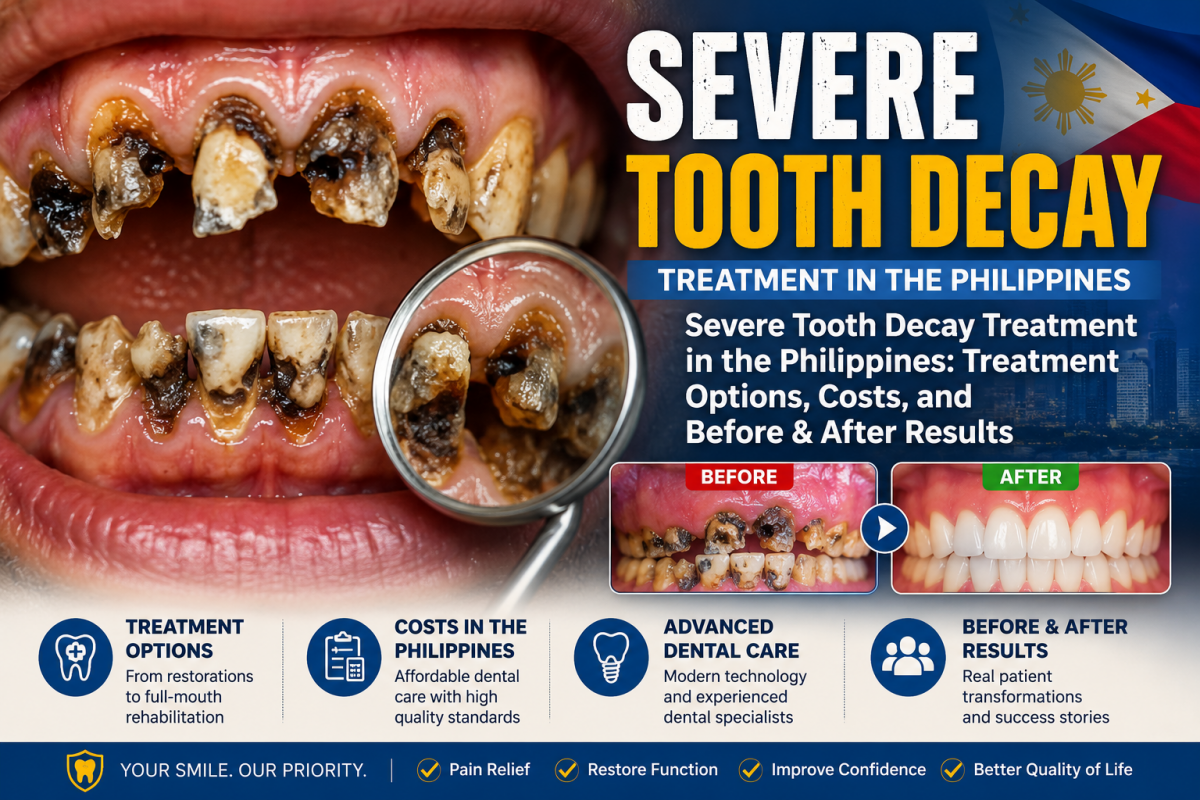
When tooth decay is neglected for months or even years, the damage rarely remains limited to a single cavity. Instead, the disease progresses relentlessly, destroying multiple teeth and compromising the health of the entire mouth. Bacteria continue to produce acids that dissolve enamel, eventually reaching the softer dentin where decay spreads much more rapidly. As neighboring teeth become exposed to high levels of harmful bacteria, poor oral hygiene, and frequent sugar intake, new cavities often develop simultaneously. The result can be massive, widespread dental decay, leaving numerous teeth broken, crumbling, discolored, or reduced to small fragments near the gumline.
As the decay advances deeper into each tooth, the dental pulp becomes infected, leading to chronic pain, sensitivity to hot and cold foods, and recurrent dental abscesses. Over time, the surrounding gums become inflamed, and the jawbone may begin to deteriorate due to untreated infections and the loss of healthy tooth structure. Patients with severe neglect often experience persistent bad breath, difficulty chewing, facial swelling, bleeding gums, and embarrassment when smiling or speaking. Everyday activities such as eating, sleeping, and social interactions can become increasingly difficult because of constant discomfort and reduced confidence.
In advanced cases, the mouth may contain multiple infected teeth requiring complex treatment rather than simple fillings. Depending on the severity of the destruction, treatment may include root canal therapy, surgical extractions, periodontal therapy, bone grafting, dental implants, bridges, or full-mouth rehabilitation. The longer treatment is delayed, the greater the likelihood that teeth can no longer be saved, resulting in more extensive procedures, longer recovery times, and significantly higher treatment costs.
Severely neglected tooth decay is more than a cosmetic problem—it is a progressive oral disease that can affect overall health. Bacteria from untreated dental infections may spread into surrounding facial tissues and, in rare but serious cases, contribute to infections that require emergency medical care. Early diagnosis, routine dental examinations, professional cleanings, fluoride protection, and prompt treatment of small cavities remain the most effective ways to prevent extensive destruction. Seeking dental care before decay becomes widespread can preserve natural teeth, reduce treatment complexity, and help maintain long-term oral health and quality of life.
Probable Causes
Based on your provided list, the most relevant causes for this case include:
-
Poor Oral Hygiene:
Failure to brush and floss allowed plaque and bacteria to destroy enamel and dentin. -
Dietary Habits:
Regular intake of sugary or acidic foods and beverages accelerated decay. -
Lifestyle Factors:
Possible smoking, alcohol use, or neglect of dental visits. -
Medical Conditions:
Potential dry mouth or acid reflux contributing to enamel loss.
Treatment Plan
1. Immediate Actions
-
Dental X-rays: To assess the depth of decay and check for root or bone involvement.
-
Oral Debridement: Deep cleaning to remove plaque, tartar, and bacteria.
-
Caries Excavation: Removal of decayed portions of each affected tooth.
2. Restorative Procedures
Depending on the severity of each tooth:
| Condition | Recommended Treatment |
|---|---|
| Shallow decay | Tooth-colored composite filling |
| Deep decay but with healthy roots | Root canal treatment (RCT) + Crown restoration |
| Severely decayed beyond repair | Extraction followed by Dental implant or bridge |
3. Cosmetic and Functional Rehabilitation
Once infection is controlled and structure stabilized:
-
Porcelain crowns or veneers for aesthetic restoration.
-
Teeth whitening (only after infection-free recovery).
-
Orthodontic consultation if spacing or alignment is affected.
4. Maintenance and Prevention
-
Brush 2–3 times daily with fluoride toothpaste.
-
Floss and use mouthwash daily.
-
Limit sugary snacks and acidic drinks.
-
Regular dental check-ups every 6 months.
-
Drink more water to maintain saliva production.
-
Quit smoking and avoid alcohol.
Estimated Timeline
| Phase | Duration | Description |
|---|---|---|
| Initial Cleaning & Assessment | 1–2 visits | Scaling, polishing, X-rays |
| Decay Removal & Fillings | 2–4 visits | Depending on tooth count |
| Root Canal & Crown Work | 3–6 weeks | Healing between procedures |
| Full Rehabilitation | 1–2 months | Cosmetic and implant phases |
| Maintenance | Lifelong | Consistent hygiene & check-ups |
Frequently Asked Questions (FAQ) About Severe Tooth Decay Treatment
1. What is considered severe tooth decay?
Severe tooth decay occurs when cavities have progressed beyond the enamel and dentin into the dental pulp or when multiple teeth are extensively damaged. Teeth may appear black, broken, crumbling, or infected, often causing pain, swelling, and difficulty eating.
2. Can severely decayed teeth still be saved?
Yes, some severely decayed teeth can still be saved if enough healthy tooth structure remains. Depending on the extent of the damage, your dentist may recommend fillings, root canal therapy, crowns, or other restorative treatments. If the tooth cannot be restored safely, extraction may be the best option.
3. What treatments are available for severe tooth decay in the Philippines?
Treatment depends on the severity of the decay and may include:
- Tooth-colored fillings
- Root canal treatment
- Dental crowns
- Tooth extraction
- Dental implants
- Fixed bridges
- Removable dentures
- Bone grafting (if bone loss has occurred)
- Full-mouth rehabilitation for multiple damaged teeth
4. How do dentists determine whether a tooth should be extracted?
Your dentist will perform a clinical examination and take dental X-rays to evaluate:
- Remaining healthy tooth structure
- Extent of infection
- Root condition
- Bone support
- Presence of cracks or fractures
- Long-term prognosis
Extraction is generally recommended only when the tooth cannot be predictably restored.
5. Is severe tooth decay painful?
Many patients experience:
- Persistent toothache
- Pain when chewing
- Sensitivity to hot or cold
- Swollen gums
- Facial swelling
- Bad breath
- Pus drainage from an abscess
However, some severely damaged teeth may no longer hurt because the nerve has already died, even though infection remains.
6. Can untreated tooth decay become dangerous?
Yes. If left untreated, bacteria can spread beyond the tooth and infect the surrounding gums, jawbone, and facial tissues. In rare cases, severe dental infections may spread into deeper spaces of the head and neck and require emergency medical treatment.
7. What happens if multiple teeth are severely decayed?
When several teeth are affected, your dentist may develop a comprehensive treatment plan that prioritizes:
- Eliminating infection
- Relieving pain
- Saving restorable teeth
- Replacing missing teeth
- Restoring chewing function
- Improving appearance
This approach is often referred to as full-mouth rehabilitation.
8. How long does treatment for severe tooth decay take?
Treatment time varies depending on the number of affected teeth and the procedures required. Some patients may complete treatment within a few visits, while extensive rehabilitation involving implants or multiple restorations may take several months.
9. Can dental implants replace severely decayed teeth?
Yes. If a tooth must be extracted because it cannot be saved, dental implants are one of the most durable replacement options. They help restore chewing ability, preserve jawbone, and provide a natural-looking smile after the extraction site has healed.
10. Can I delay treatment if the pain goes away?
No. Pain disappearing does not necessarily mean the infection has resolved. In some cases, the nerve inside the tooth dies, temporarily reducing pain while bacteria continue destroying the tooth and surrounding tissues. Prompt dental evaluation is still recommended.
11. How can I prevent severe tooth decay in the future?
You can reduce your risk by:
- Brushing twice daily with fluoride toothpaste
- Flossing every day
- Limiting sugary foods and drinks
- Drinking plenty of water
- Visiting your dentist for regular checkups and professional cleanings
- Treating small cavities before they become larger problems
12. When should I seek emergency dental care?
Seek immediate dental or medical attention if you experience:
- Rapidly increasing facial swelling
- Difficulty swallowing
- Difficulty breathing
- Fever with severe tooth pain
- Pus draining from the gums
- Uncontrolled bleeding after dental treatment
- Severe pain that is not relieved by prescribed medication
Early treatment offers the best chance of preserving natural teeth, preventing serious complications, and reducing the need for more extensive dental procedures.
Expert Advice
If untreated, this level of decay can lead to abscesses, bone loss, and systemic infection. Visit your nearest dental specialist or implant center immediately. Early intervention can save most of these teeth and restore full function and confidence.
1. Why Severe Tooth Decay Happens Faster Than Most Americans Realize
Explain:
- Frequent sugary drinks
- Sports drinks
- Soda consumption
- Poor brushing habits
- Dry mouth
- Acid reflux (GERD)
- Smoking
- Diabetes
- Teeth grinding
The ADA notes that erosion differs from bacterial cavities because erosion is caused by acids directly dissolving enamel, while cavities result from bacterial activity. Both can occur together and accelerate tooth destruction.
2. The Five Stages of Tooth Destruction
Include detailed explanations of:
- Initial enamel demineralization
- Enamel cavity formation
- Dentin involvement
- Pulp infection
- Dental abscess and bone infection
3. Signs Your Tooth May No Longer Be Saved
Discuss:
- Severe spontaneous pain
- Swollen gums
- Facial swelling
- Pus drainage
- Broken tooth below gum line
- Large dark cavity
- Loose tooth
- Bad taste
- Persistent bad breath
4. Enamel Erosion vs Tooth Decay
Create a comparison table.
| Enamel Erosion | Dental Caries |
|---|---|
| Acid damage | Bacterial infection |
| Smooth shiny surfaces | Dark cavities |
| Often painless initially | Sensitivity develops |
| Cannot regrow naturally | Can often be treated before extensive damage |
| Usually dietary or medical causes | Sugar + plaque bacteria |
5. Emergency Warning Signs
Discuss when patients should seek immediate care.
Examples:
- Facial swelling
- Difficulty swallowing
- Difficulty breathing
- Fever
- Swelling extending into the neck
- Eye swelling
6. Modern U.S. Treatments
Expand each treatment.
- Fluoride therapy
- Composite fillings
- Ceramic inlays
- Onlays
- Dental crowns
- Root canal treatment
- Crown lengthening
- Post and core buildup
- Dental implants
- Full-mouth rehabilitation
The American Dental Association's clinical guideline emphasizes preserving as much healthy tooth structure as possible through conservative caries removal before restoring the tooth when appropriate.
7. Typical U.S. Treatment Costs
Approximate ranges:
- Filling
- Crown
- Root canal
- Extraction
- Bone graft
- Implant
- Implant crown
8. Can the Tooth Be Saved?
Create a decision guide.
Small cavity
↓
Filling
↓
Large cavity
↓
Crown
↓
Nerve infected
↓
Root canal + crown
↓
Root fractured
↓
Extraction + implant
9. Long-Term Consequences of Ignoring Severe Decay
Explain:
- Bone loss
- Tooth migration
- Bite collapse
- Difficulty chewing
- Nutrition problems
- Speech problems
- Chronic infection
- Increased treatment cost
10. Frequently Asked Questions
1. How much does it cost to treat severely decayed teeth in the Philippines?
The cost depends on the tooth's condition, the number of affected teeth, and the treatment required. A filling generally costs less than root canal treatment with a crown, while surgical extraction, bone grafting, or dental implants may add further expenses.
Ask the clinic for a written treatment plan that separates consultation, X-rays, treatment, restoration, medication when indicated, and follow-up charges. Do not assume that a quoted price includes every procedure.
2. Can a dentist save a tooth that is almost completely broken?
Sometimes. The dentist must determine whether enough sound tooth structure remains and whether the root and supporting tissues are healthy enough for restoration. Some teeth can be rebuilt, while others cannot be predictably restored and may need extraction.
3. Does a black tooth always need to be removed?
No. Black discoloration does not automatically mean a tooth must be extracted. The cause may be decay, staining, trauma, or another condition. Examination and appropriate X-rays help determine whether a filling, root canal and restoration, or extraction is appropriate.
4. Can a severely decayed tooth be treated without a root canal?
Yes, in some cases. If the pulp remains healthy or can be managed with an appropriate vital pulp treatment, a root canal may not be necessary. If the pulp is irreversibly inflamed or infected, root canal treatment or extraction may be required.
5. Can antibiotics cure a cavity or an infected tooth?
No. Antibiotics do not repair a cavity and are not a substitute for treating the source of a dental infection. Depending on the diagnosis, definitive care may involve drainage, root canal treatment, or extraction. Antibiotics are generally reserved for situations in which they are clinically indicated, such as certain spreading infections or systemic symptoms.
6. Why does my tooth stop hurting even though it is badly decayed?
One possibility is that the pulp has died, reducing the tooth's sensitivity. However, infection can remain around the root. A reduction in pain should not be interpreted as proof that the tooth has healed.
7. Can a crown be placed over a severely decayed tooth?
A crown may be suitable if the decay can be managed and sufficient sound structure remains to support a durable restoration. If the pulp is infected, root canal treatment may be needed first. Some teeth require additional restorative procedures, while others cannot support a crown reliably.
8. How long does severe tooth decay treatment take?
A straightforward filling may be completed in one visit. Root canal treatment and crown restoration may require multiple appointments. Extensive treatment involving several teeth, extractions, healing, or dental implants can take weeks to months or longer.
Your dentist can provide a more realistic timeline after evaluating the affected teeth.
9. Will my teeth look normal after treatment?
Treatment may improve the appearance and function of damaged teeth, but the result depends on the amount of remaining structure, gum condition, tooth position, and restoration selected. A dentist can discuss realistic expectations and show suitable examples of similar treatments.
10. Can I get dental implants immediately after extracting a decayed tooth?
Sometimes, but immediate implant placement is not appropriate for every patient. The dentist must evaluate the infection, available bone, gum condition, and ability to achieve implant stability. Other patients benefit from extraction followed by healing before implant placement.
11. What if I have several badly decayed teeth?
Ask for a comprehensive examination and a prioritized treatment plan. The dentist can identify urgent infections, assess which teeth may be saved, and plan the restoration or replacement of teeth that cannot be retained. Treatment may be divided into stages according to clinical urgency and budget.
12. Is it safe to wait until I have enough money for treatment?
If you have a cavity without urgent symptoms, arrange an appointment promptly rather than allowing it to progress. If you have severe pain, swelling, pus, or fever, seek urgent assessment. Do not delay emergency care because of financial concerns; explain your budget to the clinic and ask about staged treatment or available payment arrangements.
13. Can I continue eating normally with severe tooth decay?
Avoid chewing hard foods on a weakened tooth, and choose softer foods if chewing is painful. Limit sugary foods and acidic drinks. These steps may reduce irritation, but they do not treat the decay. Seek dental care to prevent further damage.
14. What should I ask the dentist during my first consultation?
Consider asking:
-
Which teeth have active decay, and how severe is each lesion?
-
Which teeth can be saved, and what is their prognosis?
-
Do I need root canal treatment, a crown, or extraction?
-
Which problems need immediate attention?
-
What is the estimated total cost for each treatment option?
-
What is included in the quotation?
-
Can treatment be completed in stages?
-
What are the risks of delaying treatment?
-
What follow-up care and preventive measures will I need?
15. How can I find a dental clinic in the Philippines?
Use the Cebu Dental Implants dental clinic directory to identify listed clinics and contact them directly about examination appointments, services, and fees.
Directory: https://cebudentalimplants.com/dental-search
A directory listing is not a diagnosis or a guarantee of a clinic's availability. Confirm the services and appointment details directly with the dental provider.
11. Prevention Checklist
Include:
- Brush twice daily with fluoride toothpaste
- Floss every day
- Drink water after soda
- Reduce sugary snacks
- Avoid sipping acidic drinks throughout the day
- Visit the dentist every six months
- Wear a night guard if grinding teeth
- Manage acid reflux if present
Linka
- Dental crowns
- Root canal treatment
- Tooth extraction
- Dental implants
- Full-mouth restoration
- Gum infection
- Bone grafting
- Dental emergencies
Video :
Related Clinical Cases
Patients with lower front gum inflammation may also experience tartar buildup, periodontal disease, gum abscesses, or tooth decay. Explore these related clinical case studies.

Other topics:
Other Dental Clinic
 |
 |
 |
 |




