Smile Again with Comfort and Confidence.

Real Life in the USA: Dental Problems, Smoking, and the High Cost of Tooth Care
The Reality of Dental Care in America
For many people in the United States, dental care can be difficult to afford.
A severe toothache, broken tooth, or dental abscess can become a major financial burden, especially for people who have no dental insurance or are living paycheck to paycheck.
While the United States has advanced medical facilities, access to affordable dental treatment remains a challenge for many low-income individuals and families.
A person may work hard every day, pay rent, buy food, and cover other essential expenses—yet still struggle to afford a dentist.
When dental pain becomes severe, the problem is no longer just about a tooth. It can affect your sleep, ability to eat, work, and overall quality of life.
Why Do Many Americans Delay Dental Treatment?
Several factors can make dental treatment difficult to access.
1. High Dental Treatment Costs
Private dental treatment can be expensive, especially when a patient needs:
-
Tooth extraction.
-
Root canal treatment.
-
Dental crowns.
-
Treatment for gum disease.
-
Emergency dental procedures.
-
Multiple missing teeth replaced with implants or dentures.
Without dental insurance or financial assistance, even a basic dental visit may be difficult to afford.
2. Lack of Dental Insurance
Many Americans have medical insurance but do not have dental insurance.
Regular health insurance and dental insurance are often separate. Medicare generally does not cover most routine dental care, while Medicaid dental benefits vary by state and eligibility.
This means that some people may have medical coverage but still struggle to pay for dental treatment.
3. Living Paycheck to Paycheck
When money is limited, people may prioritize:
-
Rent.
-
Food.
-
Electricity.
-
Transportation.
-
Family expenses.
-
Other medical bills.
Dental treatment may be delayed until the pain becomes unbearable.
Unfortunately, waiting can allow tooth decay, infection, and gum disease to become more serious.
Smoking and Dental Health
Smoking is a major risk factor for poor oral health.
Cigarettes contain chemicals that can damage the tissues in your mouth and affect your body's ability to fight infection.
How Smoking Damages Your Teeth and Gums
Smoking can:
-
Increase the risk of gum disease.
-
Slow healing after tooth extraction.
-
Reduce blood flow to gum tissues.
-
Increase the risk of tooth loss.
-
Contribute to bad breath and staining.
-
Make treatment and recovery more difficult.
Smoking also affects how gum disease appears.
Nicotine can restrict blood flow, which may reduce visible gum bleeding. This can make early warning signs less obvious, even when gum damage is progressing.
A lack of bleeding does not mean your gums are healthy.
Smokers should have regular dental examinations, even if they do not experience pain or bleeding.
When Smoking and Financial Stress Collide
Imagine a person living in the United States who smokes daily and has been struggling financially.
At first, a tooth may become sensitive.
Then the pain becomes stronger.
The person may avoid the dentist because of the cost.
Over time, the tooth may become severely damaged or infected.
Eventually, the patient may develop:
-
Severe toothache.
-
Swollen gums.
-
Facial swelling.
-
Fever.
-
Difficulty eating.
-
Difficulty sleeping.
What began as a treatable dental problem can become a serious health concern.
This is why early dental care is important, even when money is limited.
Tooth Infection With Facial Swelling: A Medical Emergency
A dental abscess is an infection that can develop around a tooth or in the surrounding tissues.
If the infection spreads, it may cause facial swelling, fever, and other serious symptoms.
Go to the Emergency Room Immediately If You Have:
-
Difficulty breathing.
-
Difficulty swallowing.
-
Swelling in the neck or under the tongue.
-
Rapidly increasing facial swelling.
-
Severe difficulty opening your mouth.
-
Fever with worsening swelling.
-
Feeling seriously ill.
A spreading dental infection can threaten the airway and become life-threatening.
Do not wait for a low-cost dental appointment if you are having difficulty breathing or swallowing.
What Can a U.S. Hospital Emergency Room Do?
If you have a serious medical emergency, a hospital emergency department can evaluate your condition and provide appropriate emergency medical care.
Under the Emergency Medical Treatment and Labor Act (EMTALA), Medicare-participating hospital emergency departments generally must provide a medical screening examination and stabilizing treatment for an emergency medical condition, regardless of ability to pay.
What to Expect
The ER may:
-
Check your vital signs.
-
Examine the facial swelling.
-
Assess whether the infection is spreading.
-
Evaluate breathing and swallowing.
-
Provide pain management.
-
Order tests or imaging when needed.
-
Provide antibiotics when clinically indicated.
-
Arrange drainage, specialist treatment, or hospital admission when necessary.
Important: The ER Is Not a Replacement for a Dentist
A hospital emergency room may treat the medical complications of a dental infection, but it may not be able to provide definitive dental treatment.
For example, the ER may not be able to perform a routine tooth extraction or root canal.
After the emergency is stabilized, you may still need a dentist to treat the infected tooth.
How to Find Affordable Dental Care in the USA
If you have no money or dental insurance, there are several places to explore.
1. Federally Qualified Health Centers (FQHCs)
Community health centers provide medical and dental services in many areas of the United States.
Some offer dental care with fees based on income and family size.
Services may include:
-
Dental examinations.
-
Preventive care.
-
Tooth extractions.
-
Treatment for dental pain.
-
Referrals for more complex treatment.
Search for:
"FQHC dental near me"
or
"Community health center emergency dental care."
You can also use the official website to locate community health centers.
2. Dental Schools
Dental schools may offer lower-cost dental treatment through supervised student clinics.
Depending on the school, services may include:
-
Extractions.
-
Fillings.
-
Root canal treatment.
-
Gum treatment.
-
Dentures.
-
Other dental procedures.
Search for:
"Dental school emergency clinic near me."
Availability, prices, and waiting times vary.
3. Charity Care and Hospital Financial Assistance
Some nonprofit hospitals offer financial assistance to eligible low-income patients.
You can ask the hospital about its Financial Assistance Policy (FAP) or Charity Care program.
Possible assistance may include:
-
Reduced hospital bills.
-
Partial financial assistance.
-
Full financial assistance for eligible patients.
-
Help applying for available programs.
Do not assume every hospital bill will be completely forgiven. Eligibility and coverage depend on the hospital's policy, your income, and the services provided.
4. Medicaid and State Dental Programs
Medicaid dental coverage varies by state.
Some states provide dental benefits for adults, while others have limited coverage.
Check your state's Medicaid program to learn whether you qualify for dental services.
5. Local Dental Charities
Some nonprofit organizations and charitable dental programs provide free or reduced-cost dental treatment to eligible patients.
Ask about:
-
Free dental clinics.
-
Emergency extractions.
-
Dental outreach programs.
-
Financial assistance for low-income patients.
What to Do If You Have No Money and Severe Tooth Pain
If you are experiencing severe dental pain:
Step 1: Find a Dental Clinic
Contact an FQHC, dental school, or community dental clinic.
Explain that you have severe pain and need urgent treatment.
Step 2: Ask About the Cost
Ask:
-
Do you offer sliding-scale fees?
-
Is emergency extraction available?
-
Do you accept patients without dental insurance?
-
Are payment plans available?
-
Is financial assistance offered?
Step 3: Seek Emergency Care if Symptoms Worsen
If you develop facial swelling, fever, or rapidly worsening symptoms, seek urgent medical assessment.
If you have difficulty breathing or swallowing, go to the emergency room immediately.
Can a Tooth Infection Be Treated With Antibiotics Alone?
Antibiotics may be appropriate for certain dental infections, especially when there are signs of spreading infection or systemic illness.
However, antibiotics do not always eliminate the source of the infection.
The infected tooth may still require:
-
Root canal treatment.
-
Drainage.
-
Tooth extraction.
-
Other dental treatment.
A dentist or doctor must determine the appropriate treatment.
Do not use leftover antibiotics or someone else's prescription.
Final Thoughts
The reality of dental care in the United States is that many people struggle to afford treatment, even when they are working hard and trying to support their families.
Smoking can increase the risk of gum disease and tooth loss, while financial stress may lead to delayed treatment.
But severe dental pain, facial swelling, and fever should never be ignored.
If you have no money, explore community health centers, dental schools, Medicaid programs, and hospital financial assistance.
If you have a serious infection with difficulty breathing or swallowing, seek emergency medical care immediately.
Your health is more important than the cost of waiting.
Frequently Asked Questions
Why is dental care so expensive in the USA?
Dental care costs vary by location, treatment, insurance, and provider. Without dental insurance, patients may need to pay much of the cost themselves.
Can a hospital ER pull a tooth?
Some hospitals may have dental or oral surgery services, but many ERs do not perform routine tooth extractions. The ER focuses on evaluating and treating urgent medical complications.
Can I go to the ER without dental insurance?
Yes. Under EMTALA, eligible hospital emergency departments must provide emergency medical screening and stabilizing treatment for emergency medical conditions regardless of ability to pay. This does not mean the care is free.
Where can low-income Americans get affordable dental treatment?
Federally Qualified Health Centers, dental schools, nonprofit dental clinics, and state dental assistance programs may offer lower-cost care.
Does smoking cause tooth loss?
Smoking increases the risk of gum disease, which can damage the tissues and bone supporting your teeth and increase the risk of tooth loss.
Medical Disclaimer: This article is for general educational purposes only and does not replace professional dental or medical advice. If you have severe tooth pain, facial swelling, fever, or difficulty breathing or swallowing, seek urgent medical or dental care. Dental costs, insurance coverage, and financial assistance vary by state and provider.
Related Clinical Cases
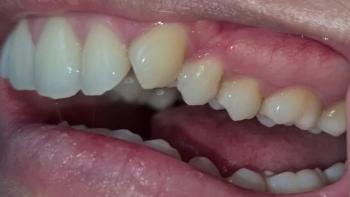
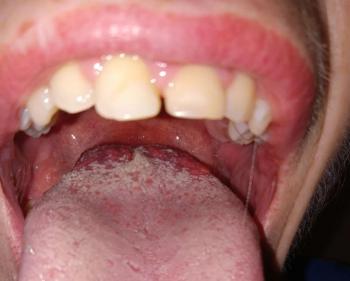
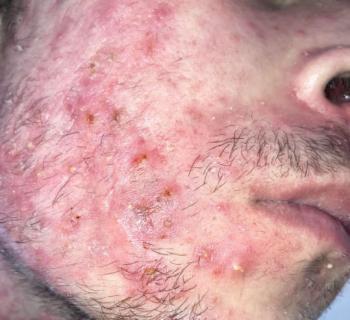
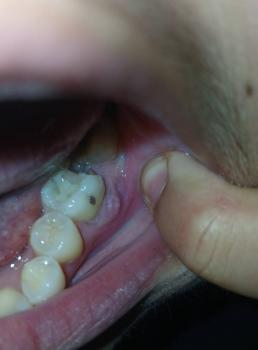
Patients with lower front gum inflammation may also experience tartar buildup, periodontal disease, gum abscesses, or tooth decay. Explore these related clinical case studies.