Dentures That Feel Natural, Look Beautiful.

Dental Implant Cost in the United States: Complete Price Guide
How much do dental implants cost in the United States? A single dental implant typically costs around $3,000 to $6,000 per tooth, including the implant post, abutment, and crown. However, the total price can vary depending on the type of restoration, materials, location, and whether additional procedures are needed.
Whether you need one missing tooth replaced or a complete full-mouth restoration, understanding the cost of each step can help you plan your dental treatment and avoid unexpected expenses.
Quick Overview: Dental Implant Costs in the USA
| Dental Implant Treatment | Estimated Cost |
|---|---|
| Single dental implant | $3,000–$6,000 |
| Implant-supported bridge (3–4 teeth) | $8,000–$11,000 |
| All-on-4 or fixed full arch, per arch | $14,000–$36,000 |
| Full-mouth dental implants, both arches | $35,000–$90,000+ |
These are general planning estimates, not guaranteed clinic prices. Your dentist will provide a personalized quotation after an examination and treatment planning.
1. How Much Does a Single Dental Implant Cost?
A standard single-tooth implant replaces a missing tooth using three main components:
-
Implant post: A titanium or zirconia fixture placed into the jawbone to act as an artificial tooth root.
-
Abutment: A connector that attaches the implant to the visible restoration.
-
Implant crown: A custom-made artificial tooth designed to restore appearance and chewing function.
Single-Tooth Implant Cost Breakdown
| Component | Description | Estimated Cost |
|---|---|---|
| Implant post | Artificial tooth root placed in the jawbone | $1,000–$3,000 |
| Abutment | Connector supporting the crown | $400–$1,000 |
| Implant crown | Custom tooth-colored restoration | $800–$3,000 |
| Complete implant | Post, abutment, crown, and basic treatment steps | $3,000–$6,000 |
The total price may include several appointments, diagnostic imaging, surgical placement, healing time, and the final crown.
Important: Not every clinic includes the same services in its advertised price. Some quotes cover only the implant surgery, while others include the complete restoration.
What Determines the Price of a Single Implant?
Several factors influence the final cost:
-
The dentist’s experience and qualifications.
-
The location of the dental practice.
-
The type and brand of implant system.
-
Whether titanium or zirconia is selected.
-
The complexity of the surgery.
-
The material used for the crown.
-
Whether bone grafting or tooth extraction is necessary.
-
The type of anesthesia or sedation.
-
Dental insurance coverage and annual benefit limits.
A straightforward implant in a healthy jaw may cost considerably less than a complex case requiring bone reconstruction.
2. Cost of Multiple Dental Implants
Replacing several missing teeth requires a different treatment plan. Instead of placing one implant for every missing tooth, a dentist may use an implant-supported bridge or a full-arch restoration.
Implant-Supported Bridge: $8,000–$11,000
An implant-supported bridge can replace several adjacent missing teeth. A common design uses two or more implants to support a bridge of artificial teeth.
The final price depends on:
-
Number of implants required.
-
Number of teeth being replaced.
-
Bridge material.
-
Bone condition.
-
Surgical complexity.
-
Whether temporary teeth are needed.
An implant-supported bridge may be a suitable option for patients who have multiple missing teeth in one area but do not need a complete arch restoration.
All-on-4 or Fixed Full-Arch Implants: $14,000–$36,000 Per Arch
All-on-4 is a full-arch treatment concept that uses four implants to support a fixed prosthesis. Some full-arch treatment plans use five or six implants depending on the patient’s anatomy and restorative requirements.
The treatment can replace an entire upper or lower arch of teeth with a fixed prosthesis.
Estimated cost:
-
Upper arch: $14,000–$36,000.
-
Lower arch: $14,000–$36,000.
-
Both arches: May exceed $35,000 depending on the treatment plan.
Patients should ask whether the quoted price includes temporary teeth, final prosthetic teeth, sedation, imaging, and follow-up visits.
Full-Mouth Dental Implants: $35,000–$90,000+
Full-mouth restoration replaces missing or failing teeth in both the upper and lower jaws. It may involve multiple implants, bridges, fixed full-arch prostheses, or individual implant crowns.
The total price can increase when the patient requires:
-
Extensive bone grafting.
-
Sinus lift procedures.
-
Tooth extractions.
-
Advanced surgical planning.
-
Premium prosthetic materials.
-
Multiple temporary restorations.
-
Complex bite reconstruction.
A full-mouth treatment plan should be based on a comprehensive examination rather than a single advertised package price.
3. Additional Dental Implant Costs to Consider
The implant post is only one part of the treatment. Patients may need additional procedures before or during implant placement.
3D CBCT Imaging and Consultation
Estimated cost: $150–$650
A cone-beam computed tomography (CBCT) scan provides three-dimensional information about the jawbone, tooth roots, and nearby anatomical structures.
Your dentist may recommend CBCT imaging to evaluate:
-
Bone height and width.
-
Implant positioning.
-
The location of nerves.
-
The relationship between upper-jaw implants and the sinus.
-
The need for bone grafting.
Some clinics include imaging and consultation in the implant package, while others charge separately.
Tooth Extraction
Estimated cost: $150–$450 per tooth
If a damaged or infected tooth must be removed before implant placement, extraction may add to the treatment cost.
The price depends on whether the extraction is simple or surgical. A severely damaged tooth may require a more complex procedure.
Bone Grafting
Estimated cost: $200–$3,500
Bone grafting may be recommended when the jawbone does not have enough volume or density to support an implant safely.
The price depends on:
-
The amount of bone required.
-
The graft material.
-
The surgical technique.
-
Whether the procedure involves one site or multiple areas.
Bone grafting may require a healing period before implant placement.
Sinus Lift
Estimated cost: $1,500–$5,000
A sinus lift may be necessary when there is insufficient bone in the upper back jaw for implant placement.
The procedure increases the available bone beneath the sinus when clinically indicated. The cost depends on the surgical approach and the amount of bone needed.
Sedation Dentistry
Estimated cost: $200–$800
Some patients choose sedation to help manage dental anxiety or make a lengthy procedure more comfortable.
Sedation fees vary according to the type of sedation, provider, and monitoring requirements. Not every patient needs sedation.
4. What Affects Dental Implant Prices Across the USA?
Dental implant costs vary from state to state and from one dental practice to another.
Geographic Location
Implant treatment in major metropolitan areas may have different prices from treatment in smaller cities or rural communities.
Factors affecting regional pricing include:
-
Clinic operating expenses.
-
Local labor costs.
-
Specialist availability.
-
Demand for advanced dental treatment.
-
Facility and technology costs.
A higher price does not automatically mean better treatment. Patients should compare the qualifications of the treating dentist, the proposed materials, the treatment plan, and the services included in the quote.
Implant Materials
Most dental implants use titanium because it is widely studied and can integrate with bone.
Zirconia implants are a metal-free alternative that may be considered in selected cases.
The choice should be based on clinical suitability, the dentist’s recommendation, and the patient’s preferences.
Crown Materials
The visible implant crown may be made from different materials, including:
-
Porcelain-fused-to-metal.
-
All-ceramic materials.
-
Zirconia.
-
Other laboratory-manufactured restorative materials.
The cost of the crown depends on the material, design, laboratory, and complexity of the restoration.
5. Dental Implant Success Rates and Long-Term Care
Dental implants have high reported survival rates in many clinical studies. However, success depends on factors such as implant location, patient health, smoking, oral hygiene, bone quality, and long-term maintenance.
A frequently cited general planning range is approximately 95%–98%, but this should not be interpreted as a guaranteed result for every patient or every implant.
How to Protect Your Implant Investment
Patients can help maintain their dental implants by:
-
Brushing twice daily with fluoride toothpaste.
-
Cleaning between teeth and around the implant.
-
Attending regular dental examinations.
-
Following the dentist’s post-operative instructions.
-
Avoiding smoking or tobacco use.
-
Wearing a recommended nightguard if appropriate.
-
Reporting bleeding, swelling, pain, or implant looseness promptly.
Dental implants do not develop cavities like natural teeth, but the surrounding gums and bone can develop inflammation or disease. Regular maintenance is essential.
6. Does Dental Insurance Cover Implants?
Dental insurance coverage varies widely between plans.
Some older insurance policies exclude dental implants or classify certain implant procedures as cosmetic. Other plans may provide benefits for parts of the treatment, subject to exclusions, waiting periods, deductibles, annual maximums, and other limitations.
What May Be Covered?
Depending on the policy, insurance may contribute toward:
-
Tooth extraction.
-
Diagnostic imaging.
-
Implant surgery.
-
Abutment.
-
Implant crown.
-
Other restorative services.
Coverage for one component does not necessarily mean the entire implant treatment is covered.
Questions to Ask Your Insurance Provider
Before starting treatment, ask:
-
Are dental implants covered under my plan?
-
Is the implant post covered?
-
Is the crown covered?
-
Is bone grafting covered?
-
Is there a waiting period?
-
What is my annual maximum?
-
Does my plan require preauthorization?
-
Is the dentist in-network?
-
Are there exclusions for missing teeth that existed before coverage began?
Ask the dental office for a written estimate showing the expected insurance contribution and your estimated out-of-pocket cost.
7. Ways to Plan for Dental Implant Expenses
If you are considering implants, financial planning can help prevent unexpected costs.
Use an Itemized Treatment Estimate
Request a written estimate that separates:
-
Consultation.
-
Imaging.
-
Extraction.
-
Bone grafting.
-
Implant placement.
-
Abutment.
-
Crown or bridge.
-
Temporary restoration.
-
Sedation.
-
Follow-up appointments.
This makes it easier to compare treatment plans between dental offices.
Consider HSA or FSA Funds
If you are eligible, a Health Savings Account (HSA) or Flexible Spending Account (FSA) may help pay for qualifying dental expenses.
Eligibility and tax treatment depend on the account rules and applicable regulations. Confirm the details with your plan administrator or tax professional.
Ask About Financing
Some dental offices offer payment plans or work with third-party financing providers.
Before accepting financing, review:
-
Interest rate.
-
Promotional financing terms.
-
Payment schedule.
-
Total repayment amount.
-
Late-payment conditions.
-
Whether the financing covers the entire treatment.
Do not choose a treatment plan solely because the monthly payment appears affordable.
8. How to Compare Dental Implant Quotes
When comparing two or more dental implant providers, look beyond the headline price.
| Question | Why It Matters |
|---|---|
| Does the price include the implant post? | Some advertisements cover surgery only. |
| Is the abutment included? | It may be billed separately. |
| Is the final crown included? | A temporary tooth may not be the final restoration. |
| Is imaging included? | CBCT may be an additional expense. |
| Is bone grafting included? | Additional surgery can change the total cost. |
| Who performs the surgery? | Qualifications and experience are important. |
| What implant brand is used? | Different systems have different components and costs. |
| What follow-up care is included? | Maintenance and adjustments may affect the long-term experience. |
A complete quotation should clearly explain the treatment steps, materials, expected timeline, and total estimated cost.
Frequently Asked Questions
How much does a single dental implant cost in the USA?
A single dental implant commonly costs approximately $3,000–$6,000. This may include the implant post, abutment, crown, and basic treatment steps. Prices vary by location, dentist, materials, and additional procedures.
Is $4,000 a reasonable price for one dental implant?
A $4,000 quote falls within the general planning range for a single dental implant. However, the price should be evaluated alongside what is included, the dentist’s qualifications, and your clinical needs.
How much do full-mouth dental implants cost?
Full-mouth dental implant treatment for both arches can cost approximately $35,000–$90,000 or more. The final price depends on the number of implants, prosthetic design, bone condition, and surgical complexity.
Are dental implants cheaper in the Philippines than in the USA?
Dental implant prices may be lower in the Philippines than in the United States, but the comparison should include implant materials, dentist qualifications, diagnostic imaging, restoration quality, travel expenses, and follow-up care.
Patients considering dental tourism should obtain a detailed treatment plan and confirm how complications or repairs will be managed after returning home.
How long do dental implants last?
Dental implants can function for many years, and some remain in service for decades. Longevity depends on oral hygiene, bone and gum health, smoking, bite forces, and regular maintenance. The crown may require repair or replacement before the implant itself.
Can I get dental implants if I have bone loss?
Possibly. Patients with bone loss may need bone grafting, a sinus lift, or an alternative treatment plan. A dentist must evaluate the available bone and the health of the surrounding tissues before recommending implant placement.
Final Thoughts: Is Dental Implant Treatment Worth the Cost?
Dental implants are a major investment in oral health, appearance, and chewing function. The best treatment plan depends on your individual dental condition, budget, and long-term goals.
Before committing to treatment, schedule a consultation with a qualified dentist or implant specialist. Ask for a complete written estimate, understand what your insurance covers, and compare the proposed treatment steps rather than choosing a clinic based only on the lowest price.
A successful dental implant plan starts with accurate diagnosis, appropriate treatment, and long-term maintenance—not simply the cheapest advertised package.
Medical disclaimer: This article provides general dental cost information and is not a substitute for professional diagnosis or treatment. Dental implant prices and insurance coverage vary. Consult a licensed dentist for an individualized evaluation.
Related Clinical Cases
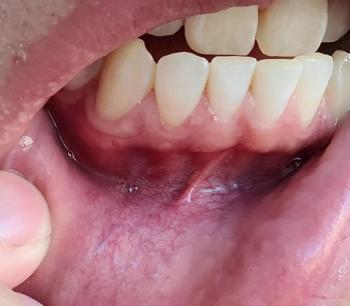
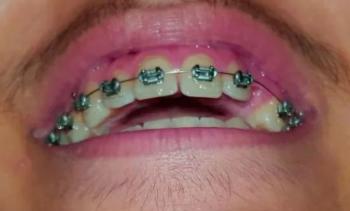
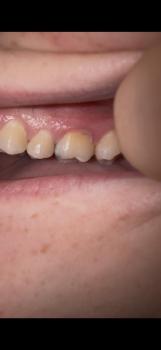
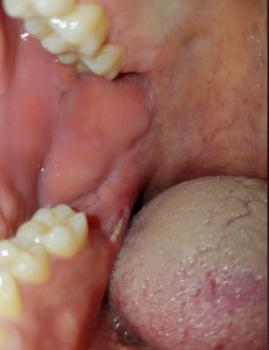
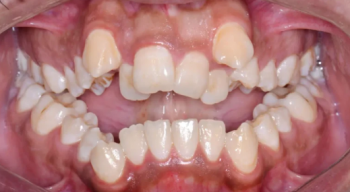
Patients with lower front gum inflammation may also experience tartar buildup, periodontal disease, gum abscesses, or tooth decay. Explore these related clinical case studies.



Other topics:
Other Dental Clinic