Smile Again with Comfort and Confidence.

Impacted Wisdom Teeth: Clinical Classification, Symptoms, U.S. Treatment Standards, Costs & Recovery
Country:
Impacted wisdom teeth, also called impacted third molars, are among the most common reasons for oral surgery in the United States. A wisdom tooth is considered impacted when it cannot erupt into a normal, functional position because of inadequate space, obstruction, or an unfavorable eruption path.
Some impacted wisdom teeth cause no immediate symptoms, while others can contribute to infection, tooth decay, periodontal damage, cyst formation, or damage to neighboring teeth. The American Association of Oral and Maxillofacial Surgeons (AAOMS) recommends individualized assessment rather than assuming that every wisdom tooth must automatically be removed. Teeth associated with disease or a significant risk of disease may require surgical management, while selected disease-free teeth can be monitored clinically and radiographically.
1. Clinical Definition & Classification
Wisdom teeth normally erupt during late adolescence or early adulthood, commonly around ages 17–21. When there is insufficient room or the tooth develops in an abnormal position, it may remain trapped beneath the gum or bone.
Soft Tissue Impaction
A soft tissue impacted wisdom tooth has erupted through the bone but remains partially or completely covered by gum tissue.
The gum covering the tooth may form an operculum, a flap where food particles and bacteria can accumulate. This environment can contribute to inflammation and infection, particularly when the area is difficult to clean.
Partial Bony Impaction
A partial bony impaction occurs when part of the tooth has emerged through the bone but the remaining portion is obstructed by bone or another tooth.
These teeth can be difficult to clean and may develop recurrent inflammation, decay, or periodontal problems.
Full Bony Impaction
A full bony impaction occurs when the wisdom tooth remains completely surrounded by jawbone.
Surgical removal may require an oral and maxillofacial surgeon to expose the tooth, remove surrounding bone, section the tooth when necessary, and extract it in multiple pieces.
Angulation of Impacted Wisdom Teeth
Dentists and oral surgeons also classify impacted third molars according to their orientation:
-
Mesioangular: tilted forward toward the second molar.
-
Distoangular: tilted backward toward the rear of the jaw.
-
Vertical: generally upright but unable to erupt because of inadequate space or obstruction.
-
Horizontal: positioned almost completely sideways, often directed toward the second molar.
The position, depth, root development, surrounding anatomy, and relationship to neighboring structures all influence treatment difficulty.
2. Common Symptoms & Associated Problems
Not every impacted wisdom tooth produces symptoms. The American Dental Association notes that impacted or poorly positioned wisdom teeth can trap food, make cleaning difficult, and contribute to infection, tooth decay, gum disease, cysts, or damage to neighboring teeth.
Pericoronitis
Pericoronitis is inflammation or infection of the gum surrounding a partially erupted wisdom tooth.
Typical symptoms can include:
-
Pain around the back molar
-
Red or swollen gum tissue
-
Bad breath or unpleasant taste
-
Difficulty opening the mouth (trismus)
-
Pain when chewing
-
Swelling around the jaw
-
Difficulty swallowing in more advanced cases
Severe facial or neck swelling, difficulty breathing, or difficulty swallowing should be treated as an emergency rather than simply as a routine wisdom-tooth problem.
Tooth Decay
A partially erupted or tilted wisdom tooth can create a difficult-to-clean area between the third molar and the second molar. Food and plaque accumulation can increase the risk of decay.
In some cases, the second molar may be more important clinically because decay or periodontal damage can develop on the surface adjacent to the impacted wisdom tooth.
Periodontal Damage
Impacted third molars can contribute to periodontal pockets and localized bone loss around the neighboring second molar. Once periodontal problems become established in the third-molar region, they may persist or progress.
Cysts and Other Pathology
A cyst can occasionally develop around an unerupted wisdom tooth. A dentigerous cyst, for example, develops in association with the follicular tissue surrounding an unerupted tooth.
Larger cysts can expand within the jaw and potentially damage adjacent teeth, bone, or other structures. Cysts and tumors are among the recognized clinical reasons for considering surgical management.
Referred Pain
Pain from a wisdom tooth can sometimes be perceived in nearby areas, including the jaw, ear, or temple. However, headaches and ear pain have many possible causes, so these symptoms should not automatically be attributed to an impacted wisdom tooth without a dental examination.
3. U.S. Standards of Care & Treatment Decisions
In the United States, management is based on the individual patient's clinical findings, imaging, age, anatomy, disease risk, and the anticipated benefits and risks of treatment.
AAOMS states that third molars associated with disease or at significant risk of developing disease should be surgically managed. When there is no disease or significant risk, active clinical and radiographic surveillance may be appropriate.
Is Every Asymptomatic Wisdom Tooth Removed?
No.
An absence of pain does not necessarily mean that a wisdom tooth is disease-free, but a completely healthy, functional, properly positioned tooth may not require extraction.
A retained wisdom tooth may be monitored when it is:
-
Fully erupted and functional
-
Painless
-
Free of significant decay
-
Periodontally healthy
-
Accessible for effective cleaning
-
Not damaging neighboring teeth
-
Not associated with cysts, tumors, or other pathology
Regular examinations and appropriate radiographs are important when a wisdom tooth is retained.
Why Is Younger Age Often Considered?
Surgical removal generally becomes more difficult as patients age. AAOMS notes that surgery can be less complicated when performed earlier because roots may not be completely developed and the surrounding bone can be less dense. The risk of surgical morbidity also tends to increase with age.
This does not mean that every person between 17 and 25 should automatically have all four wisdom teeth removed. Rather, this age range is an important period for evaluation and individualized decision-making.
4. Diagnostic Evaluation
A dentist or oral and maxillofacial surgeon typically begins with a clinical examination and dental imaging.
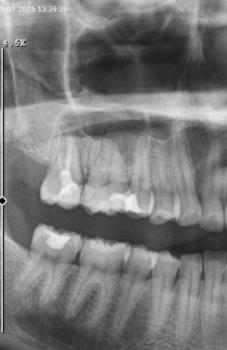
Panoramic X-Ray
A panoramic radiograph provides an overview of:
-
Wisdom-tooth position
-
Root development
-
Adjacent teeth
-
Jawbone
-
General relationship between mandibular third molars and the inferior alveolar canal
CBCT Imaging
A cone-beam computed tomography (CBCT) scan provides three-dimensional information and may be recommended when conventional imaging does not adequately demonstrate the relationship between an impacted tooth and important anatomical structures.
CBCT is not necessarily required for every wisdom tooth. The appropriate imaging method depends on the clinical question and the patient's anatomy.
5. Wisdom Teeth Extraction Costs in the U.S.
The cost of wisdom tooth removal varies substantially across the United States.
Factors include:
-
Geographic location
-
Dentist versus oral and maxillofacial surgeon
-
Simple versus surgical extraction
-
Soft-tissue versus bony impaction
-
Number of teeth removed
-
Imaging requirements
-
Type of anesthesia or sedation
-
Office or surgical facility fees
-
Dental insurance benefits
Typical Cost Categories
Approximate self-pay ranges commonly encountered in the U.S. may include:
| Procedure | Approximate Cost |
|---|---|
| Simple/erupted wisdom tooth extraction | $200–$700 per tooth |
| Impacted wisdom tooth extraction | $250–$1,100+ per tooth |
| Removal of multiple impacted wisdom teeth | Often $2,500–$3,500+ |
| Nitrous oxide sedation | Approximately $40–$150 |
| IV sedation/deep sedation | Approximately $250–$800+ |
These figures should be treated as general estimates rather than national fixed prices. Actual fees can be considerably higher or lower depending on the patient's location, surgical complexity, anesthesia, and provider.
Dental Insurance
Dental insurance may contribute toward medically necessary oral surgery, but coverage varies significantly by plan.
Important factors include:
-
Deductible
-
Annual maximum
-
Waiting periods
-
In-network versus out-of-network status
-
Surgical extraction benefits
-
Anesthesia coverage
-
Age restrictions
-
Whether the insurer requires preauthorization
Patients should request a pre-treatment estimate from their dental insurer and ask the dental office for a written treatment estimate before surgery.
Medical insurance may sometimes become involved when a dental condition has a qualifying medical component, but this is highly plan- and case-dependent.
6. Surgical Anesthesia and Sedation
Wisdom teeth can be removed under different levels of anesthesia depending on the procedure and patient.
Local Anesthesia
Local anesthetic numbs the surgical area while the patient remains awake. It is commonly used for straightforward extractions and may also be combined with sedation.
Nitrous Oxide
Nitrous oxide can help reduce anxiety and improve comfort while the patient remains responsive.
IV Sedation or Deep Sedation
Intravenous sedation can produce a significantly deeper level of relaxation and is frequently used for patients undergoing multiple or complex wisdom-tooth extractions.
AAOMS notes that oral and maxillofacial surgeons receive extensive training in anesthesia, sedation, airway management, and surgical care.
The appropriate anesthesia should be determined by the treating clinician based on the patient's medical history, procedure complexity, anxiety level, and safety considerations.
7. Post-Operative Management & Recovery
Most wisdom-tooth extractions heal without major complications, but postoperative discomfort and swelling are common.
Dry Socket
Alveolar osteitis, commonly called dry socket, occurs when the protective blood clot is lost or breaks down prematurely.
This can expose the underlying bone and nerves and cause significant pain. Smoking and tobacco use can interfere with healing and increase the risk of complications.
Other Potential Complications
Possible complications include:
-
Pain and swelling
-
Bleeding
-
Infection
-
Delayed healing
-
Dry socket
-
Damage to adjacent teeth
-
Temporary altered sensation
-
Rarely, persistent nerve-related sensory changes
For lower wisdom teeth, the inferior alveolar and lingual nerves are important anatomical considerations. AAOMS identifies nerve injury as an uncommon but potentially significant complication of third-molar surgery.
General Recovery Measures
After surgery, patients are commonly advised to:
-
Follow the surgeon's written instructions carefully.
-
Avoid smoking and tobacco products during the recommended healing period.
-
Avoid vigorous spitting or actions that may disturb the surgical site.
-
Use gauze as instructed if bleeding occurs.
-
Eat appropriate soft foods during the initial recovery period.
-
Maintain oral hygiene without directly traumatizing the surgical site.
-
Begin gentle salt-water rinsing when instructed, commonly after the first 24 hours.
-
Use recommended pain medication according to the dentist's or surgeon's instructions.
For acute post-extraction pain, current ADA guidance supports NSAIDs such as ibuprofen or naproxen, alone or in combination with acetaminophen when medically appropriate. Patients should follow their clinician's instructions and avoid medications that are unsafe for their individual medical conditions.
8. When to Contact a Dentist or Oral Surgeon
A dental evaluation is appropriate when an impacted wisdom tooth causes:
-
Recurrent pain
-
Gum swelling
-
Repeated pericoronitis
-
Bad taste or persistent bad breath associated with the tooth
-
Difficulty opening the mouth
-
Tooth decay
-
Gum disease
-
Damage to the second molar
-
Cystic or other radiographic changes
Urgent medical attention is warranted when a dental infection is accompanied by rapidly increasing facial or neck swelling, difficulty breathing, significant difficulty swallowing, or other signs that the infection may be spreading.
9. Key Takeaway
An impacted wisdom tooth is not automatically an emergency and does not automatically require extraction. The correct decision depends on tooth position, symptoms, disease, anatomical risk, ability to maintain hygiene, age, root development, and the probability of future complications.
AAOMS supports evidence-based, individualized management: diseased or high-risk third molars may warrant surgical treatment, while selected disease-free teeth can be monitored with regular clinical examinations and appropriate imaging.
For patients considering removal, an evaluation by a dentist or oral and maxillofacial surgeon can clarify whether extraction, continued monitoring, or another treatment approach is most appropriate.
This article is for educational purposes and is not a substitute for an examination, diagnosis, or personalized treatment recommendation from a licensed dental professional.
Related Clinical Cases
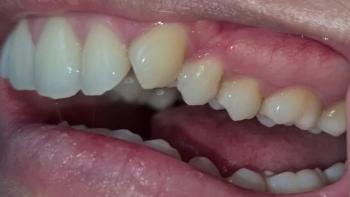
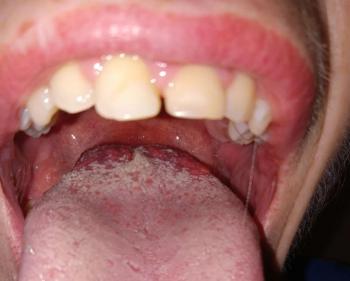
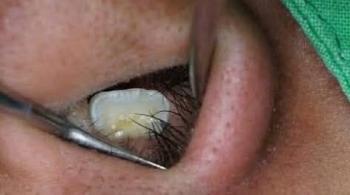
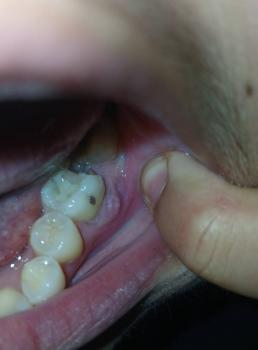
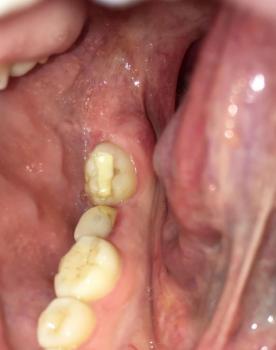
Patients with lower front gum inflammation may also experience tartar buildup, periodontal disease, gum abscesses, or tooth decay. Explore these related clinical case studies.


Other topics:
Other Dental Clinic
 |
 |
 |
 |