Missing Teeth? Find Your Smile Again.

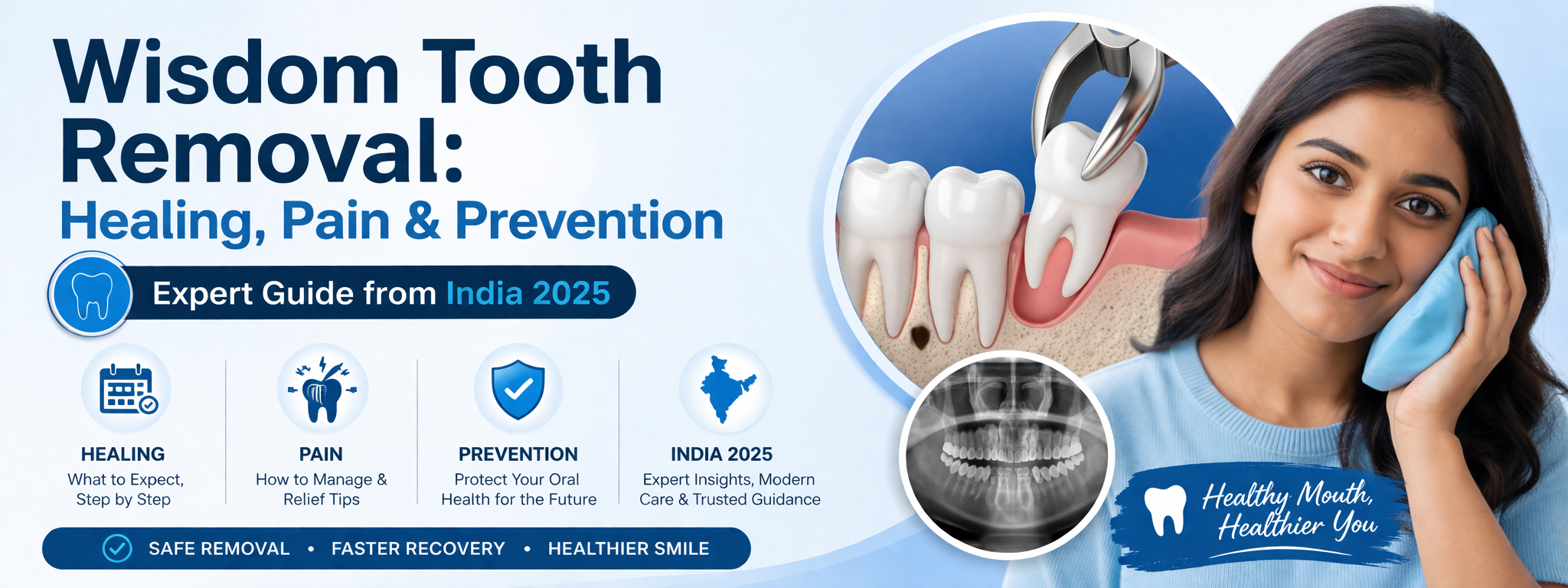
Wisdom Tooth Removal: Healing, Pain & Prevention (Expert Guide from India 2025)
Language :
Topics:
Wisdom tooth extraction is one of the most common dental procedures, especially for impacted or painful third molars. From the perspective of dental experts in India, proper aftercare and awareness are essential for smooth healing and avoiding complications like Dry Socket.
Indian dental professionals frequently manage high volumes of wisdom tooth cases and emphasize that patient behavior after surgery plays a major role in recovery.
Why Wisdom Teeth Are Removed
Wisdom teeth (third molars) often cause problems due to lack of space or improper alignment.
According to dental experts in India, common reasons for removal include:
- Impacted teeth (stuck under gums or bone)
- Pain and swelling in the back of the mouth
- Infection or gum inflammation
- Damage to nearby teeth
Early removal is often recommended to prevent more serious complications.
What Makes Wisdom Tooth Extraction Different
Wisdom tooth removal is more complex than regular extraction.
Expert insights from Indian dentists:
- It may involve minor surgery
- Stitches are sometimes required
- Healing time can be slightly longer
- Swelling is usually more noticeable
Because of this, extra care is needed during recovery.
Healing Timeline After Wisdom Tooth Removal
Here’s a general timeline based on clinical experience in India:
Day 1–2:
- Swelling and mild bleeding
- Pain controlled with medication
Day 2–3:
- Swelling peaks
- Jaw stiffness may occur
Day 4–7:
- Pain reduces
- Gum begins to close
Week 2:
- Significant healing
- Normal activities resume
Full bone healing can take several weeks.
Expert Tips from Indian Dentists for Faster Recovery
Dental professionals in India recommend:
1. Protect the Blood Clot
Avoid spitting, smoking, or using straws to prevent Dry Socket.
2. Manage Swelling Properly
Use ice packs during the first 24 hours, then switch to warm compress.
3. Follow a Soft Diet
Eat soft foods like rice, yogurt, and dal (lentils), which are commonly recommended in Indian diets.
4. Maintain Gentle Oral Hygiene
Brush carefully and rinse with saltwater after 24 hours.
5. Take Prescribed Medication
Complete antibiotics and pain relief as directed.
Common Problems After Wisdom Tooth Removal
Indian dental clinics often see the following issues:
- Swelling lasting longer than expected
- Difficulty opening the mouth (trismus)
- Food getting stuck in the socket
- Risk of Dry Socket
Most of these can be avoided with proper care.
When to Contact Your Dentist
Seek immediate care if you experience:
- Severe pain after 3 days
- Fever or pus discharge
- Swelling that worsens
- Difficulty swallowing
Early treatment prevents complications.
Conclusion
Wisdom tooth removal is a routine but slightly more complex dental procedure. According to experts in India, following proper aftercare—especially during the first week—is key to fast and safe healing.
By protecting the extraction site, maintaining hygiene, and following your dentist’s advice, you can avoid complications like Dry Socket and recover comfortably.
FAQ
How painful is wisdom tooth removal?
The procedure itself is painless due to anesthesia, but mild to moderate pain after is normal.
How long does healing take?
Initial healing takes 1–2 weeks, while full healing may take several weeks.
Can I eat rice after wisdom tooth extraction?
Yes, soft rice is commonly recommended, but avoid chewing near the extraction site.
Is swelling normal after wisdom tooth removal?
Yes, swelling typically peaks around Day 2–3.
Related Topics
- How to Prevent Dry Socket After Tooth Extraction
- Swelling After Tooth Removal: When Is It Dangerous?
- Foods to Eat After Tooth Extraction (And What to Avoid)
Can tooth extraction cause infection? Mild inflammation is normal, but increasing swelling, fever, or severe pain may indicate infection. Learn more about post-extraction infection warning signs in this detailed guide.
Book a consultation with our Cebu dental specialists for proper evaluation and care.
Ready to get expert guidance?
If you’re experiencing severe pain or delayed healing, book a consultation with our Cebu dental specialists to get proper evaluation and care.
Consultation or contact page .
Book a Consultation
For severe discomfort or delayed healing, book a consultation with our Cebu dental specialists today.
Looking for a dentist? Browse our Cebu dental directory to find trusted clinics near you.
Medical Review and Clinical Basis
This article is based on clinical dental guidelines and real patient recovery patterns observed after tooth extraction procedures. The information reflects common post-extraction healing stages, including normal clot formation, gum tissue repair, and signs of possible complications such as dry socket or infection.
While mild discomfort is expected after a dental extraction, worsening pain after Day 3, bad odor, exposed bone, or spreading pain may require professional evaluation. These symptoms are consistent with known post-extraction complications described in standard dental practice.
About Cebu Dental Implants
Cebu Dental Implants provides comprehensive tooth extraction, surgical procedures, and dental implant services in the Philippines. Our team evaluates post-extraction healing, manages complications such as dry socket, and advises patients on proper aftercare to prevent infection and delayed healing.
If you experience severe pain or unusual symptoms after extraction, early professional assessment is recommended to prevent further complications.
Important Medical Disclaimer
This content is for educational purposes only and does not replace professional dental diagnosis. Every patient heals differently. If symptoms worsen or do not improve within a few days, consult a licensed dentist for proper evaluation and treatment.
Author
This article was prepared by the Cebu Dental Implants content team in consultation with licensed dental professionals experienced in tooth extraction and implant procedures.
Related Clinical Cases
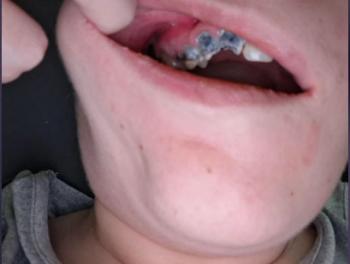
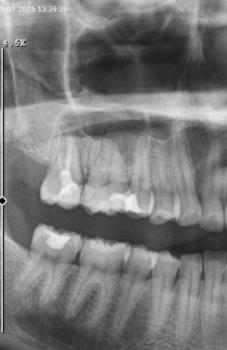
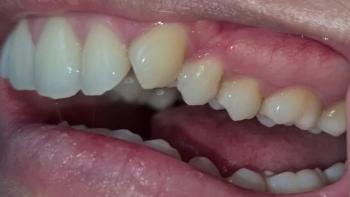
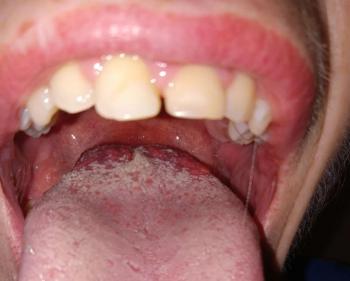
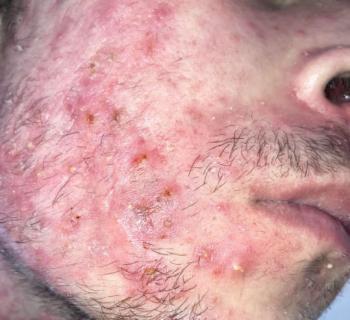
Patients with lower front gum inflammation may also experience tartar buildup, periodontal disease, gum abscesses, or tooth decay. Explore these related clinical case studies.



Other topics:
Other Dental Clinic
 |
 |
 |
 |