Strong Teeth, Fresh Breath, Brighter You.

Deep Cavity on Back Molar With Early Gum Infection
Image:
Severity:
Teeth Problems:
How a Deep Cavity in a Back Molar Can Affect the Gum, Tooth Nerve, and Jaw
A deep cavity in a back molar is more than a visible hole in the tooth. When decay progresses through the protective enamel and dentin, bacteria may approach or enter the dental pulp, the soft tissue containing nerves and blood vessels. Depending on the extent of the damage, the tooth may develop pulp inflammation, pulp death, or an infection around its root.
Gum swelling beside a decayed molar can have several causes. Food and plaque may accumulate around the damaged tooth, the surrounding gum may become inflamed, or an infection may develop within the gum or around the root. These conditions can look similar but require different treatments.
An important clinical distinction: gum inflammation beside a cavity does not automatically mean that a dental abscess is present. A dentist must examine the tooth and surrounding tissues to determine the cause. Dental X-rays, pulp tests, gum examination, and assessment of the tooth's structural integrity may be necessary.
1. What Happens When a Deep Molar Cavity Reaches the Dental Pulp?
The dental pulp lies inside the tooth, beneath the enamel and dentin. As decay progresses, the risk of pulp inflammation increases.
Possible stages include:
-
Early tooth decay: Damage may initially affect the enamel and may not cause noticeable pain.
-
Deeper dentin decay: The tooth may become sensitive to cold, heat, sweets, or pressure.
-
Pulp inflammation: Pain may linger after a hot or cold stimulus. Spontaneous or nighttime pain may also develop.
-
Pulp necrosis: The pulp may die after severe or prolonged inflammation. Pain can sometimes decrease even though the underlying disease remains.
-
Infection around the root: Bacteria may spread through the root canal system and cause inflammation or an abscess in nearby tissues.
These stages do not always occur in a predictable sequence. Symptoms alone cannot establish how far the decay has progressed.
2. Why Can the Gum Beside a Decayed Back Molar Become Swollen?
Several conditions can cause swelling near a damaged molar.
Localized gum inflammation: Plaque and trapped food can irritate the gum margins, particularly when a cavity or broken tooth creates an area that is difficult to clean.
Periapical infection: When bacteria infect the pulp, infection may extend through the root tip and affect the surrounding tissues. A pocket of pus may develop.
Periodontal abscess: An infection may form in the supporting gum tissues around a tooth, particularly when a periodontal pocket traps bacteria and debris.
Partially erupted wisdom tooth: If the affected tooth is a wisdom tooth, inflamed gum tissue around its partially erupted crown may cause pain, swelling, and difficulty chewing.
A dental examination is important because these conditions are not interchangeable. A filling alone may be insufficient if the pulp is irreversibly damaged or an abscess has developed.
3. When Does a Deep Cavity Need a Filling, Root Canal, or Extraction?
Treatment depends on the amount of remaining healthy tooth structure, the condition of the pulp, the presence of infection, and whether the tooth can be restored.
Dental filling: A filling may be appropriate when the cavity can be restored and the pulp is healthy or can be managed without root canal treatment. For some deep cavities, a dentist may selectively remove decayed tissue near the pulp to reduce the risk of exposing it, then seal the tooth with a suitable restoration.
Root canal treatment: If the pulp is irreversibly inflamed or infected, root canal treatment may allow the tooth to be saved. The dentist removes the affected pulp tissue, cleans and disinfects the root canal system, and seals it. A crown may be recommended afterward if the remaining molar is structurally weakened.
Drainage of an abscess: When pus has accumulated, the dentist may need to establish drainage and address the source of infection. Drainage alone is not necessarily definitive treatment.
Tooth extraction: Extraction may be necessary when the tooth is too extensively damaged to restore predictably, has a poor prognosis, or cannot reasonably be saved.
A dental X-ray is often useful, but it is not the only factor used to select treatment. The dentist must also evaluate the tooth clinically.
4. Can a Deep Molar Infection Spread to the Jaw or Face?
Yes. An untreated dental infection can sometimes spread beyond the original tooth into surrounding soft tissues and deeper spaces. Depending on its location and severity, this may cause facial swelling, difficulty opening the mouth, fever, or more serious complications.
Seek an urgent dental assessment if you notice:
-
Persistent or worsening toothache.
-
Swelling of the gum beside the molar.
-
Pus, a bad taste, or drainage near the tooth.
-
Pain when biting or chewing.
-
Increasing sensitivity or spontaneous pain.
-
A broken molar with a deep cavity and new swelling.
Seek emergency medical care immediately if you develop difficulty breathing or swallowing, rapidly spreading swelling of the face or neck, swelling around the eye with vision changes, or severe difficulty opening your mouth. Fever with facial swelling also warrants urgent assessment, especially if symptoms are worsening.
Do not wait for severe pain before seeking care. Some advanced infections cause little pain after the pulp has died.
5. What Can You Do While Waiting for a Dental Appointment?
Home care can reduce discomfort temporarily, but it cannot remove deep decay or reliably cure an abscess.
-
Brush gently with a soft-bristled toothbrush and fluoride toothpaste.
-
Carefully clean around the affected tooth without forcing objects into the cavity.
-
Rinse gently with warm salt water if you can rinse and spit safely.
-
Eat soft foods and chew on the opposite side.
-
Avoid very hot, cold, sweet, or hard foods if they trigger symptoms.
-
If you need pain relief, ask a pharmacist or dentist about an appropriate medicine and follow its label instructions, considering your medical history and other medications.
Do not put aspirin directly on the tooth or gum, attempt to drain a swelling yourself, or place harsh chemicals inside the cavity. Do not take leftover antibiotics or use antibiotics prescribed to another person.
Arrange prompt dental care rather than relying on home remedies.
6. Are Antibiotics Necessary for a Deep Cavity With Gum Swelling?
Not always. Antibiotics do not repair a cavity, restore a damaged tooth, or reliably eliminate the source of an infection inside a tooth.
For many localized dental infections, definitive dental treatment—such as cleaning the affected root canal, draining an abscess, or extracting a tooth that cannot be saved—is the primary approach. Antibiotics may be indicated when there is spreading infection, systemic involvement, or another clinical reason determined by a dentist or physician.
The choice of antibiotic, if needed, depends on the diagnosis, allergies, medical history, and local prescribing guidance. Antibiotics should not be started solely because a cavity looks deep or the gum appears red.
7. How Can You Help Prevent Another Deep Molar Cavity?
Back molars have grooves that can retain plaque, and their position makes thorough cleaning more difficult. Prevention focuses on reducing bacterial plaque and limiting repeated acid attacks on the teeth.
-
Brush twice daily with fluoride toothpaste.
-
Clean between teeth daily using floss or interdental brushes.
-
Limit frequent sugary snacks and drinks, especially between meals.
-
Attend regular dental examinations based on your individual risk.
-
Ask your dentist whether fluoride treatments or preventive sealants are appropriate.
-
Arrange an assessment when a cavity, broken filling, or tooth sensitivity first appears.
Early treatment can preserve more natural tooth structure and may reduce the risk of pulp infection, abscess formation, and tooth loss.
Clinical Takeaway
A deep cavity in a back molar accompanied by gum swelling should not be diagnosed from appearance alone. The swelling may reflect localized gum inflammation, a periodontal abscess, or infection originating inside the tooth. Prompt examination helps establish the diagnosis and determine whether a filling, root canal treatment, drainage, periodontal treatment, or extraction is needed.
The goal is to control the source of disease, relieve symptoms, and preserve the natural tooth whenever it can be restored predictably.
Frequently Asked Questions About Deep Cavities in Back Molars
1. Can a deep cavity cause gum swelling without a toothache?
Yes. A cavity can progress without obvious pain, and gum swelling may arise from localized inflammation or infection. Lack of toothache does not rule out pulp damage or an abscess. A dentist should assess the tooth and surrounding gum.
2. Does a swollen gum beside a molar always mean there is pus?
No. Swelling can result from irritation, periodontal inflammation, an abscess, or a problem involving a partially erupted wisdom tooth. Pus may be present in some cases, but it cannot be confirmed by swelling alone.
3. Can a deep molar cavity heal by itself?
A deep cavity that has formed a hole in the tooth does not repair itself like a wound in soft tissue. Early mineral loss may sometimes be arrested or partly remineralized, but established cavitation generally requires professional assessment and often restorative treatment.
4. How do I know whether I need a filling or a root canal?
A dentist evaluates the depth of the cavity, the pulp's condition, the type of pain, clinical test results, and any changes around the tooth root. A filling may be sufficient for a restorable tooth with a manageable pulp condition. Root canal treatment may be needed for irreversible pulp inflammation or pulp infection.
5. Can a dentist save a molar with a very deep cavity?
Often, yes, if sufficient healthy tooth structure remains and the tooth can be restored. Treatment may involve a filling, root canal treatment, and sometimes a crown. Extraction may be recommended if the damage is too extensive or the tooth has a poor prognosis.
6. Will a dental abscess disappear if it drains by itself?
Drainage may reduce pressure and pain temporarily, but it does not necessarily eliminate the source of infection. Even if pain improves or pus drains into the mouth, arrange urgent dental treatment.
7. Can antibiotics cure an infected molar without dental treatment?
Usually not. Antibiotics alone do not remove the infected pulp, repair decay, or reliably eliminate the source of a dental abscess. Appropriate dental treatment is essential, and antibiotics are reserved for selected situations.
8. How long does gum swelling take to improve after treatment?
The recovery period varies with the original diagnosis, the extent of infection, and the treatment performed. Symptoms may begin improving within a few days after effective treatment, but complete healing can take longer. Persistent or worsening swelling, fever, or increasing pain requires reassessment.
9. Is it safe to keep chewing on a molar with a deep cavity?
It is safer to avoid chewing hard foods on the affected side until the tooth has been assessed. A weakened molar may fracture further, and biting can aggravate pain. Soft foods may be more comfortable while waiting for treatment.
10. Can a deep cavity cause a bad taste or bad breath?
Yes. Food retention, decay, gum inflammation, or drainage from an abscess can contribute to an unpleasant taste or odor. These symptoms are not specific to an abscess, so an examination is needed to identify the cause.
11. When is a deep molar cavity a dental emergency?
A suspected abscess or new gum swelling warrants urgent dental assessment. Difficulty breathing or swallowing, rapidly spreading facial or neck swelling, or swelling around the eye with vision changes requires emergency medical care. Fever accompanied by facial swelling should also be treated urgently.
12. What happens if I delay treatment for a deep molar cavity?
Decay may progress, the pulp may become irreversibly damaged, and an infection or abscess may develop. The tooth may also become more difficult to restore. Early assessment gives the dentist a better opportunity to determine whether the natural tooth can be preserved.
Medical information notice: This article provides general educational information and is not a substitute for an examination, diagnosis, or individualized treatment plan from a licensed dental professional.
Deep Cavity on Back Molar With Early Gum Infection Case Analysis
What Is Seen in This Case
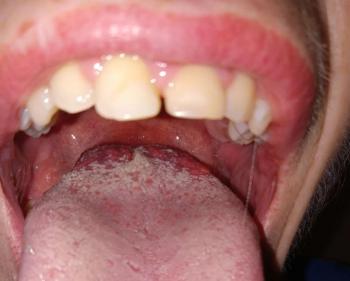
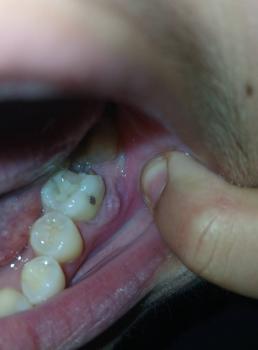
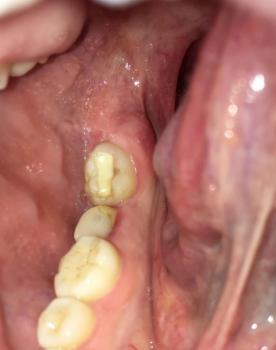
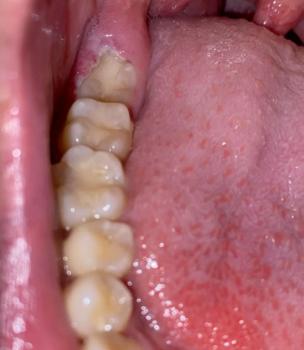
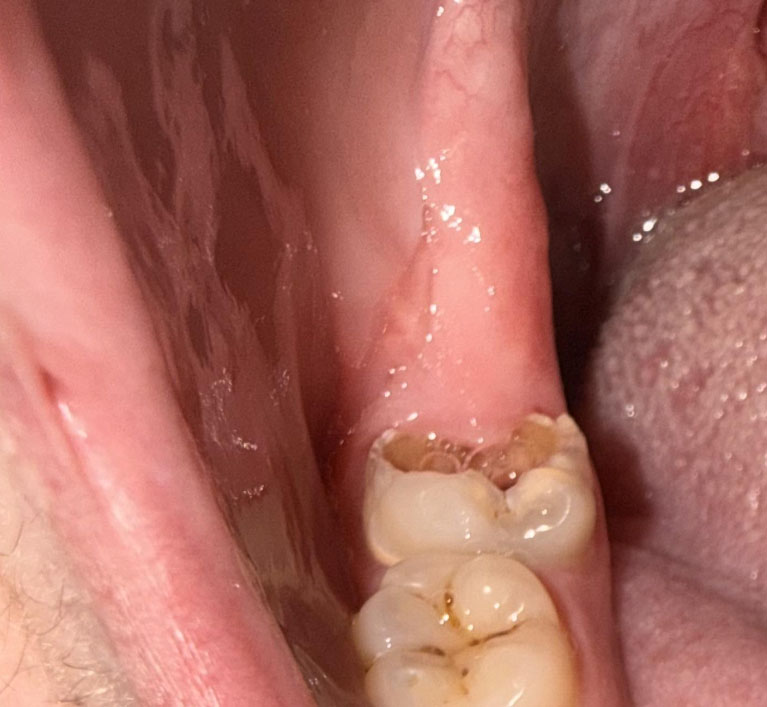
The image shows a back molar with a deep cavity on the chewing surface, where the enamel has broken down and darker material is visible inside the tooth. The gum tissue beside the tooth looks irritated and slightly inflamed, suggesting early gum infection next to an actively decaying molar. The tongue is close to the area, which may increase discomfort.
This type of cavity is often painful and can worsen quickly if untreated.
Most Likely Diagnosis
Based on visual examination, the most likely conditions include:
-
Deep dental caries (advanced cavity)
-
Early gum infection adjacent to the molar
-
High risk of pulp (nerve) infection
-
Possible early tooth abscess formation
-
Food and bacteria retention in the cavity
A dental X-ray is needed to confirm whether the decay has reached the tooth nerve.
What Causes This Type of Tooth and Gum Problem
Common causes include:
-
Long-standing untreated cavity
-
Frequent sugary or acidic food intake
-
Incomplete brushing of back teeth
-
Deep grooves on molars that trap bacteria
-
Delayed dental visits
Back molars are especially prone to deep decay because they are harder to clean.
Is This a Serious Problem
Yes. This is an active and progressing condition. If left untreated, it may scale up into:
-
Severe toothache
-
Tooth nerve infection
-
Gum abscess or pus formation
-
Jawbone infection
-
Tooth fracture or loss
Early treatment can often save the tooth.
Recommended Treatment Process
Initial Assessment (Days 1–3)
-
Dental examination
-
Dental X-ray to assess decay depth
-
Evaluation of gum and bone involvement
Active Treatment Phase (Days 4–7)
Treatment may include:
-
Dental filling if decay has not reached the nerve
-
Root canal treatment if the nerve is infected
-
Deep cleaning of the gum area
-
Antibiotics if signs of infection are present
Healing and Follow-Up Phase (Days 8–14)
-
Pain and sensitivity should reduce
-
Gum inflammation improves
-
Tooth function stabilizes
Further restorative treatment may be planned if needed.
Expected Healing Time
-
After filling: 1–3 days
-
After root canal: 5–10 days
-
Gum healing: 7–14 days
Healing depends on how advanced the decay is.
What Happens If Treatment Is Delayed
Delaying care may lead to:
-
Rapid spread of infection
-
Tooth abscess formation
-
Bone loss around the molar
-
Emergency dental treatment
-
Higher risk of tooth extraction
This condition will not improve on its own.
Home Care While Waiting for Treatment
These steps may help reduce discomfort but do not stop decay:
-
Rinse with warm salt water
-
Brush gently around the tooth
-
Avoid chewing on the affected side
-
Avoid sugary and sticky foods
Dental treatment is still required.
Professional Comment
This case shows a deep cavity on a back molar with early gum infection, a common but serious problem. Early dental intervention can often prevent nerve damage and tooth loss.
Visit a Dental Clinic Near You
For professional evaluation and treatment, visit:
https://cebudentalimplants.com/map-dental-clinic
Related Clinical Cases
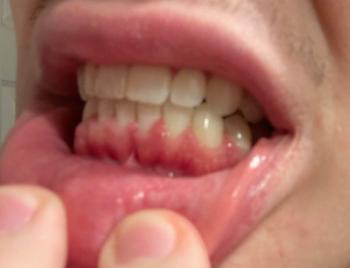
Patients with lower front gum inflammation may also experience tartar buildup, periodontal disease, gum abscesses, or tooth decay. Explore these related clinical case studies.