Where Bright Smiles Begin.

Chipped Lower Molar Case Analysis and Treatment Options
Image:
Severity:
Teeth Problems:
Chipped Lower Molar: How Dentists Assess the Damage and Choose the Right Treatment
Why a Chipped Lower Molar Needs Careful Evaluation
A chipped lower molar may seem like a minor dental problem, especially when there is little or no pain. However, molars withstand substantial chewing forces, and even a small fracture can expose weaker tooth structure or worsen when pressure is repeatedly applied.
The appropriate treatment depends on whether the damage affects only the outer enamel, extends into the underlying dentin, reaches the dental pulp, or involves a deeper crack in the tooth. A dentist will assess the affected area, check the tooth's response to appropriate clinical tests, and take dental X-rays when indicated.
It is important to understand that a dental X-ray may not show every crack. Some fractures require careful clinical examination and additional testing to determine their extent.
What Determines the Best Treatment for a Chipped Lower Molar?
1. Small chip limited to the enamel
A minor chip without pain or sensitivity may need only smoothing and polishing, depending on its location and effect on the bite. If the missing portion affects the tooth's shape or function, a small tooth-colored composite restoration may be appropriate.
2. Chip extending into the dentin
Dentin lies beneath the enamel and is more sensitive to temperature and other stimuli. A chip involving dentin may cause sensitivity to cold, sweets, or chewing. The dentist may recommend a bonded composite filling or another restoration that protects the weakened area.
3. Large fracture involving a chewing surface
When a substantial portion of a lower molar breaks away, a routine filling may not provide enough support. Depending on the remaining tooth structure, a dentist may recommend an onlay or crown to restore chewing function and reduce the risk of further fracture.
4. Fracture affecting the dental pulp
The dental pulp contains nerves and blood vessels inside the tooth. If the fracture exposes or severely injures the pulp, root canal treatment may be necessary before the tooth is restored. A crown or another protective restoration may then be required.
Not every painful chipped tooth needs a root canal. The decision depends on the pulp's condition, the depth of the injury, and the findings from the dental examination.
5. Deep crack extending below the gumline
A fracture that extends deeply into the root or below the gumline can make a tooth difficult or impossible to restore predictably. Some teeth can be saved with appropriate treatment, while others may require extraction. A vertical root fracture generally has a poor prognosis, so an accurate diagnosis is important before making treatment decisions.
Symptoms That Should Not Be Ignored
Arrange a dental assessment if you experience any of the following after chipping a lower molar:
-
Sharp pain when biting or releasing pressure.
-
Sensitivity to cold, heat, or sweet foods that persists or worsens.
-
A visible dark line or crack across the tooth.
-
A broken edge that repeatedly cuts your tongue or cheek.
-
Spontaneous or throbbing toothache.
-
Swelling of the gums near the affected tooth.
Facial swelling, fever, pus, or worsening pain may indicate infection and require urgent dental care. Difficulty swallowing or breathing, or rapidly spreading swelling in the face, jaw, or neck, requires emergency medical attention.
What to Do Before Your Dental Appointment
If you have chipped a lower molar, avoid chewing hard foods on that side. Choose softer foods temporarily and keep the area clean with gentle brushing. Rinsing with warm salt water may help keep the mouth comfortable, but it will not repair the fracture.
If a sharp edge is irritating your cheek or tongue, dental wax can provide temporary protection. Do not attempt to file the tooth yourself or attach the broken fragment with household glue.
If you have recovered a broken piece, keep it in a clean container and bring it to your dentist. The fragment may help with assessment, although reattachment is not suitable for every fracture.
Do not place aspirin directly against the tooth or gum, and do not take antibiotics unless prescribed by a qualified clinician. Antibiotics do not repair a chipped tooth and are not routinely needed for an uncomplicated fracture.
Can a Chipped Lower Molar Heal on Its Own?
Enamel and dentin do not grow back to replace a missing piece of tooth. A very small, uncomplicated enamel chip may remain comfortable without extensive treatment, but the lost structure will not regenerate.
Larger chips, cracks, exposed dentin, or injuries affecting the pulp need professional evaluation. Delaying treatment can allow the damage to worsen, although not every small chip will progress. A dentist can determine whether monitoring, smoothing, or a restoration is appropriate.
Short Patient Story: A Small Chip That Changed the Treatment Plan
Illustrative educational case; not a report of an actual patient.
Mark noticed a small chip in his lower back molar while eating a hard piece of food. Because the tooth did not hurt immediately, he continued chewing on that side and assumed the problem would resolve by itself.
Several days later, he developed sensitivity when drinking cold water and felt discomfort when biting down. During the dental examination, the dentist assessed the damaged surface, checked the tooth's response to testing, and evaluated whether a deeper crack or pulp injury was present.
The findings suggested that the chip extended beyond the outer enamel. After discussing the available options, the dentist recommended a restoration appropriate to the amount of remaining healthy tooth structure. Mark was also advised to avoid hard foods on the affected side until treatment was completed.
The lesson was simple: the absence of immediate pain did not establish that the tooth was undamaged internally. Early assessment helped the dentist select a suitable treatment before further chewing-related damage occurred.
Expert Dentist's Final Advice
The best treatment for a chipped lower molar is the least invasive option that can reliably protect the remaining tooth and restore its function. A small enamel chip may need only smoothing, while a larger fracture may require a filling, onlay, crown, or root canal treatment. Extraction is generally considered when the tooth cannot be predictably restored.
Do not judge the severity of a fracture by pain alone. Arrange an examination promptly, particularly if the tooth hurts when biting, becomes increasingly sensitive, or develops swelling.
Chipped or Worn Lower Molar Case Analysis and Treatment Guide
What Is Seen in This Case
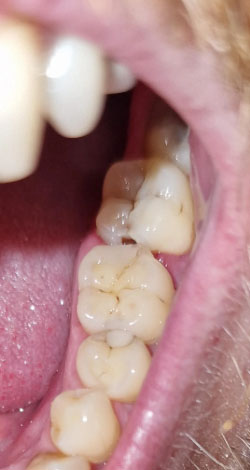
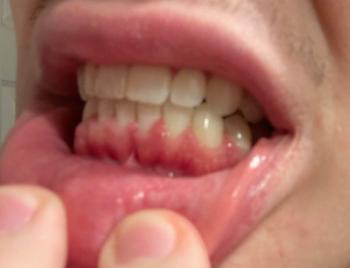
The image shows a lower back tooth (molar) with a chipped or worn chewing surface. The enamel on the biting area appears uneven, with small cracks and flattened areas. The surrounding gum tissue looks generally healthy, and there is no obvious swelling or heavy bleeding.
This condition suggests tooth structure damage, likely from wear, minor fracture, or long-term pressure.
Most Likely Diagnosis
Based on visual examination, the most likely findings include:
-
Chipped or worn lower molar
-
Enamel fracture or attrition
-
Early dentin exposure risk
-
Possible bite stress or grinding
-
Increased sensitivity risk
A dental examination and X-ray help determine how deep the damage goes.
What Causes a Lower Molar to Chip or Wear
Common causes include:
-
Chewing hard foods or ice
-
Teeth grinding or clenching (bruxism)
-
Old fillings weakening the tooth
-
Uneven bite pressure
-
Natural enamel wear over time
Lower molars carry strong chewing forces, making them vulnerable.
Is This a Serious Problem
At this stage, the problem is manageable, but if ignored, it may scale up into:
-
Tooth sensitivity to hot or cold
-
Cracks spreading deeper into the tooth
-
Tooth nerve irritation
-
Sudden tooth fracture
-
Need for root canal or extraction
Early treatment helps preserve the tooth.
Recommended Treatment Process
Initial Assessment (Days 1–3)
-
Dental examination
-
Dental X-ray to check crack depth
-
Bite evaluation
Active Treatment Phase (Days 4–7)
Depending on severity, treatment may include:
-
Dental filling to rebuild the chewing surface
-
Enamel smoothing or reshaping
-
Protective onlay or crown for larger damage
-
Night guard if grinding is present
Healing and Protection Phase (Days 8–14)
-
Sensitivity should reduce
-
Bite comfort improves
-
Tooth structure stabilizes
Expected Healing Time
-
Minor filling or reshaping: 3–7 days
-
Bite adjustment comfort: up to 14 days
Long-term protection depends on avoiding further stress.
What Happens If Treatment Is Delayed
If delayed beyond 14 days, the condition may worsen and lead to:
-
Widening tooth cracks
-
Sudden tooth breakage
-
Tooth infection
-
More complex and costly treatment
Timely repair prevents emergencies.
Home Care While Waiting for Treatment
These steps help protect the tooth:
-
Avoid chewing hard foods on that side
-
Brush gently with a soft toothbrush
-
Avoid extreme hot or cold foods
-
Use toothpaste for sensitive teeth if needed
Professional Comment
This case shows a chipped or worn lower molar, which is common but should not be ignored. Early restoration helps prevent cracks from spreading and protects the tooth from nerve damage.
Visit a Dental Clinic Near You
For tooth repair and bite evaluation, visit:
https://cebudentalimplants.com/map-dental-clinic
Related Clinical Cases
Patients with lower front gum inflammation may also experience tartar buildup, periodontal disease, gum abscesses, or tooth decay. Explore these related clinical case studies.
Other topics:
Other Dental Clinic
 |
 |
 |
 |