Smile Again with Comfort and Confidence.

Chipped Lower Molar Case Analysis and Treatment Options
Image:
Severity:
Teeth Problems:
Chipped or Worn Lower Molar Case Analysis and Treatment Guide
What Is Seen in This Case
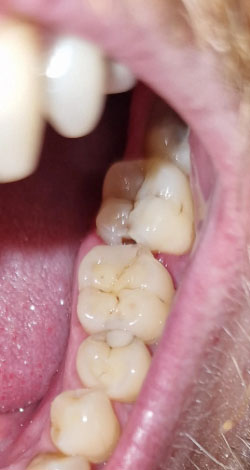
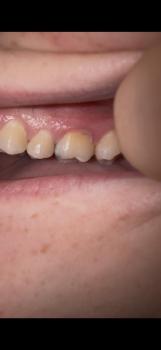
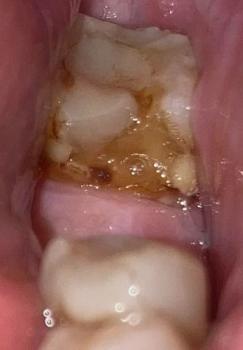
The image shows a lower back tooth (molar) with a chipped or worn chewing surface. The enamel on the biting area appears uneven, with small cracks and flattened areas. The surrounding gum tissue looks generally healthy, and there is no obvious swelling or heavy bleeding.
This condition suggests tooth structure damage, likely from wear, minor fracture, or long-term pressure.
Most Likely Diagnosis
Based on visual examination, the most likely findings include:
-
Chipped or worn lower molar
-
Enamel fracture or attrition
-
Early dentin exposure risk
-
Possible bite stress or grinding
-
Increased sensitivity risk
A dental examination and X-ray help determine how deep the damage goes.
What Causes a Lower Molar to Chip or Wear
Common causes include:
-
Chewing hard foods or ice
-
Teeth grinding or clenching (bruxism)
-
Old fillings weakening the tooth
-
Uneven bite pressure
-
Natural enamel wear over time
Lower molars carry strong chewing forces, making them vulnerable.
Is This a Serious Problem
At this stage, the problem is manageable, but if ignored, it may scale up into:
-
Tooth sensitivity to hot or cold
-
Cracks spreading deeper into the tooth
-
Tooth nerve irritation
-
Sudden tooth fracture
-
Need for root canal or extraction
Early treatment helps preserve the tooth.
Recommended Treatment Process
Initial Assessment (Days 1–3)
-
Dental examination
-
Dental X-ray to check crack depth
-
Bite evaluation
Active Treatment Phase (Days 4–7)
Depending on severity, treatment may include:
-
Dental filling to rebuild the chewing surface
-
Enamel smoothing or reshaping
-
Protective onlay or crown for larger damage
-
Night guard if grinding is present
Healing and Protection Phase (Days 8–14)
-
Sensitivity should reduce
-
Bite comfort improves
-
Tooth structure stabilizes
Expected Healing Time
-
Minor filling or reshaping: 3–7 days
-
Bite adjustment comfort: up to 14 days
Long-term protection depends on avoiding further stress.
What Happens If Treatment Is Delayed
If delayed beyond 14 days, the condition may worsen and lead to:
-
Widening tooth cracks
-
Sudden tooth breakage
-
Tooth infection
-
More complex and costly treatment
Timely repair prevents emergencies.
Home Care While Waiting for Treatment
These steps help protect the tooth:
-
Avoid chewing hard foods on that side
-
Brush gently with a soft toothbrush
-
Avoid extreme hot or cold foods
-
Use toothpaste for sensitive teeth if needed
Professional Comment
This case shows a chipped or worn lower molar, which is common but should not be ignored. Early restoration helps prevent cracks from spreading and protects the tooth from nerve damage.
Visit a Dental Clinic Near You
For tooth repair and bite evaluation, visit:
https://cebudentalimplants.com/map-dental-clinic
Related Clinical Cases
Patients with lower front gum inflammation may also experience tartar buildup, periodontal disease, gum abscesses, or tooth decay. Explore these related clinical case studies.

Other topics:
Other Dental Clinic
 |
 |
 |
 |