Other topics:

When Toothache Turns Dangerous: A Philippine Dentist's Emergency Response

Topics: 

A Case Study in Managing a Severe Dental Infection in the Philippines

A real-world case study showing how dental infections can become medical emergencies

The Case: Mariano's Dental Emergency

Mariano, a 42-year-old construction worker from Novaliches, Quezon City, had been battling a toothache for nearly two weeks. Like many Filipinos, he initially tried traditional remedies - rinsing with salt water and taking over-the-counter pain relievers. When the pain temporarily subsided, he thought he had overcome the problem.

Bone Loss After Tooth Extraction in Delaware, USA: Expert Bone Graft Guide From a 25-Year Specialist

Tooth extraction is sometimes necessary to protect your oral health, but many patients in Delaware are surprised to learn that losing a tooth can also lead to bone loss in the jaw. This process may begin faster than expected, especially during the first few months after an extraction. Without proper care, bone shrinkage can affect facial appearance, chewing ability, speech, and future dental implant options.

Never Underestimate Baby Teeth: Why Cavities in Primary Teeth Are a Big Deal

Never Underestimate Baby Teeth: Why Cavities in Primary Teeth Are a Big Deal

It’s a scene familiar to many parents: a wiggly baby tooth, a thread, and a triumphant visit from the Tooth Fairy. Because these tiny teeth are temporary, a common misconception has taken root: that decay in them doesn’t matter. After all, they’ll just fall out, right?

Pacifier Teeth: How Prolonged Use Harms Your Child’s Jaw & Dental Health

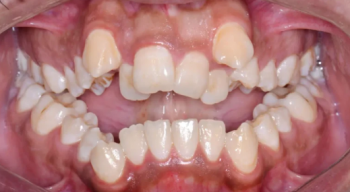
Pacifiers can be a lifesaver for parents, soothing fussy babies and helping them sleep. However, prolonged use—especially beyond ages 2–3—can have lasting effects on a child’s dental and jaw development. Understanding these risks, knowing when to wean off pacifiers, and recognizing corrective measures can help parents make informed decisions.

How Pacifiers Affect Teeth & Jaw Alignment

Research shows that extended pacifier use can lead to:

My gum teeth suddenly swell how to reduce the swelling

I ate spicy food alot specially onions in the evening then suddenly i feel some pain on my teeth.If your gums are suddenly swollen, here are some steps you can take to help reduce the swelling:

  1. Salt Water Rinse: Mix a teaspoon of salt in a glass of warm water and rinse your mouth several times a day. This can help reduce inflammation and kill bacteria.

  2. Cold Compress: Apply a cold compress to the outside of your cheek for 15-20 minutes. This can help reduce swelling and numb any pain.

The Boston Breakthrough: What Your Earwax Reveals About Your Brain's Future

Topics: 

The Ear's Whisper: Listening Before the Tremors Begin

A Boston Winter’s Discovery

It was a bitterly cold January morning at a research facility in Boston when Dr. Eleanor Vance made a quiet breakthrough that would change early Parkinson’s detection forever. While studying skin biomarkers, her team noticed something curious: certain volatile compounds in earwax and skin oils carried a distinct chemical signature in patients who would later develop Parkinson’s disease.

The Latest Breakthroughs in Gum Treatment: AI and Advanced Tools for Modern Dentistry

Why Gum Health Matters More Than You Think

Gum disease affects nearly half of adults worldwide, often without obvious symptoms. Left untreated, it can lead to tooth loss, bone damage, and even heart disease or diabetes complications. For dental professionals in the Philippines, staying updated with the latest tools isn’t just an option—it’s a responsibility to provide the best care for patients.

From Chair to Care: 7 Surprising Truths About Healing After Oral Surgery (Plus Fast-Healing Hacks)

Topics: 

What every US patient needs to know about swelling, tenderness, and chewing—so you can get back to your life fasterz.

If you are reading this, you have likely just undergone oral surgery—whether that be a wisdom tooth extraction, dental implants, root canal, or a gum graft. First, take a deep breath. You have made it through the hard part. However, the recovery room is where the real journey begins.

The Rice We Eat: A Practical Guide to Arsenic Awareness and Safer Daily Choices in the Philippines

Topics: 

Eating rice daily, especially white rice, can lead to a slow buildup of arsenic in your body, which is linked to several long-term health issues. However, you can take simple steps to significantly reduce your exposure without giving up rice entirely.

 Understanding Arsenic in Rice

Arsenic is a natural element found in soil and water that rice plants absorb easily. The key points are:

  • All rice contains arsenic: Recent testing found arsenic in 100% of rice samples purchased from stores

Pages