We Bring Back the Sparkle in Your Smile.

How Long After Extraction Can You Get an Implant? California USA Expert Guide
Language :
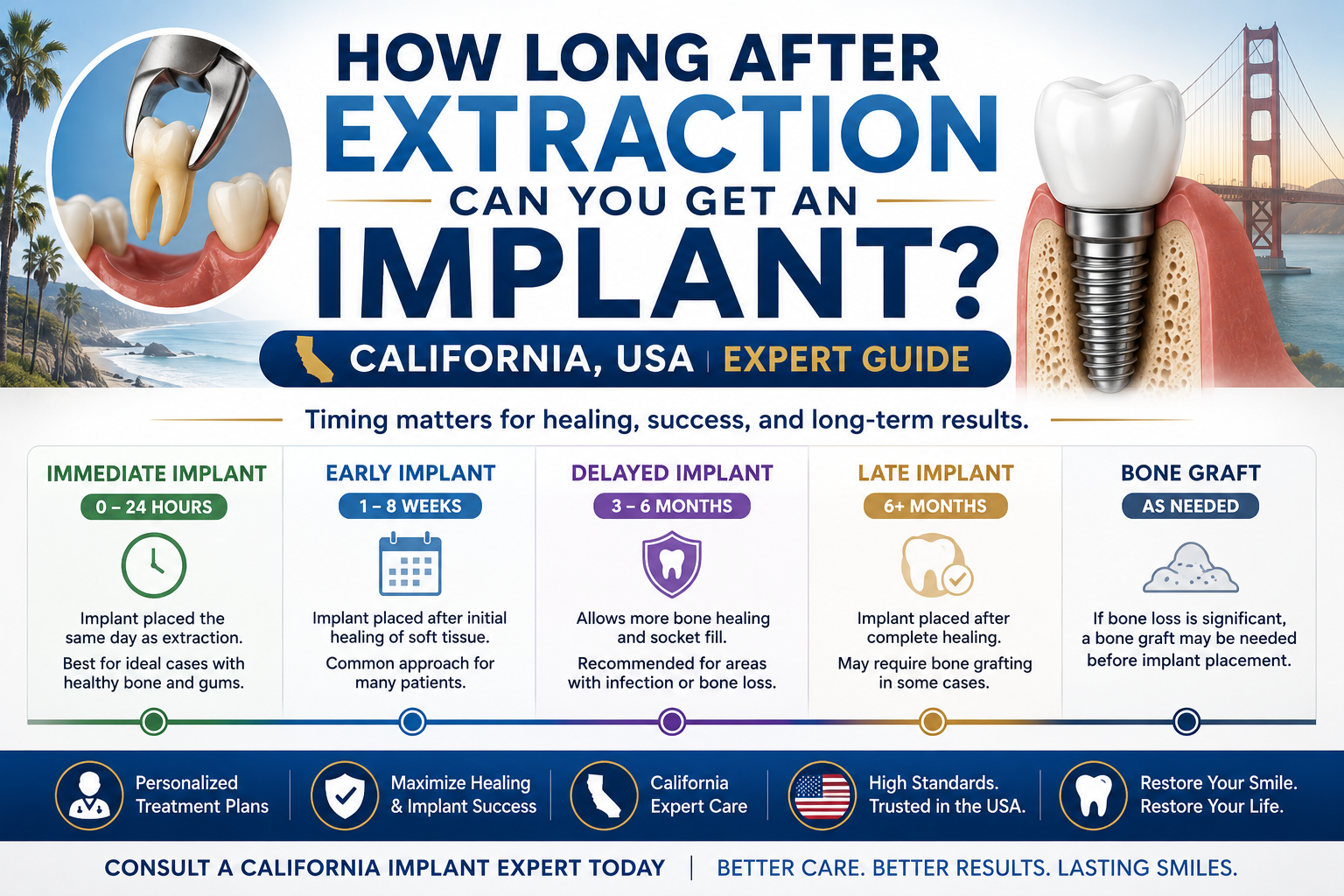
One of the most common questions patients ask after losing a tooth is: How long after extraction can you get a dental implant? The answer depends on several important factors, including bone health, gum condition, infection level, healing speed, and overall oral health.
In California, dental implants are among the most popular long-term tooth replacement solutions because they offer natural appearance, strong chewing function, and excellent durability. Whether you live in Los Angeles, San Diego, San Francisco, Sacramento, or smaller California communities, modern implant dentistry now provides multiple timing options after tooth extraction.
Some patients qualify for immediate implants placed the same day as extraction, while others may need several months of healing before implant surgery becomes safe and predictable.
This complete California USA expert guide explains:
- How soon implants can be placed after extraction
- Immediate vs delayed implants
- Bone grafting timelines
- Healing stages
- Risks and benefits
- Implant costs
- Recovery advice
- Frequently asked questions
If you are considering dental implants after tooth removal, this beginner-friendly guide will help you understand the safest and most effective treatment timing.
What Is a Dental Implant?
A dental implant is a small titanium post surgically placed into the jawbone to replace a missing tooth root. Once the implant integrates with the bone, a custom dental crown is attached to restore your smile.
Dental implants are widely recommended because they:
- Look like natural teeth
- Feel stable and comfortable
- Help preserve jawbone
- Improve chewing ability
- Prevent nearby teeth from shifting
- Can last many years with proper care
Unlike removable dentures, implants are fixed securely in the jaw.
Why Timing Matters After Tooth Extraction
After a tooth is extracted, the jawbone begins changing almost immediately.
The body naturally starts:
- Closing gum tissue
- Remodeling bone
- Shrinking the extraction socket
- Healing the surrounding tissues
These healing changes directly affect implant placement timing.
If an implant is placed too early in unhealthy tissue, failure risk may increase. If placement is delayed too long, bone loss can make treatment more complicated.
That is why experienced implant dentists carefully evaluate the best timing for each patient.
Main Timing Options for Dental Implants
Immediate Implant Placement
An immediate implant is placed during the same appointment as tooth extraction.
Advantages
- Fewer surgeries
- Faster treatment completion
- Better bone preservation
- Shorter overall healing time
- Improved cosmetic results
Best Candidates
Immediate implants work best for patients with:
- Healthy gums
- Strong jawbone
- Minimal infection
- Good oral hygiene
- Non-smoking lifestyle
Potential Risks
- Higher surgical complexity
- Infection concerns
- Reduced implant stability in some cases
Not every patient qualifies for same-day implants.
Early Implant Placement
Early placement occurs after initial soft tissue healing.
Typical timeline:
- 6 to 8 weeks after extraction
This approach allows:
- Reduced inflammation
- Improved gum healing
- Better implant planning
Many California implant specialists recommend this option when mild infection or gum irritation exists.
Delayed Implant Placement
Delayed implants are placed after full bone healing.
Typical timeline:
- 3 to 6 months after extraction
Benefits
- Mature healed bone
- Lower surgical risks
- More predictable placement
Drawbacks
- Longer treatment timeline
- Greater risk of bone shrinkage
- Possible need for bone grafting
Delayed placement remains very common in implant dentistry.
Healing Stages After Tooth Extraction
First 24 Hours
Immediately after extraction:
- Blood clot forms
- Mild bleeding may occur
- Swelling begins
Protecting the blood clot is important for proper healing.
First Week
During the first week:
- Gum tissue starts closing
- Swelling gradually improves
- Tenderness decreases
Patients should avoid smoking and hard foods.
Two to Six Weeks
Soft tissue healing continues while bone remodeling begins underneath the gums.
This stage is important for early implant planning.
Three to Six Months
Bone fully matures and stabilizes.
This healing phase often determines readiness for implant placement.
Factors That Affect Implant Timing
Bone Density and Volume
Strong jawbone is essential for implant success.
Patients with bone loss may require:
- Bone grafting
- Additional healing time
- Sinus lift procedures
Upper back teeth areas often have lower bone density.
Gum Health
Healthy gums improve implant success rates.
Conditions delaying implants include:
- Gum disease
- Severe inflammation
- Active periodontal infection
Your dentist may recommend gum treatment before implant surgery.
Infection Severity
If the extracted tooth had:
- Abscess
- Severe decay
- Bone infection
Your implant dentist may recommend waiting until infection clears completely.
Smoking
Smoking significantly slows healing and increases complications.
Smokers face higher risk of:
- Implant failure
- Infection
- Bone loss
- Gum recession
Many California implant specialists strongly advise quitting before surgery.
Diabetes and Medical Conditions
Certain medical conditions affect healing speed.
These include:
- Uncontrolled diabetes
- Autoimmune disorders
- Osteoporosis medications
- Immune suppression
Your dentist may coordinate care with your physician.
Immediate vs Delayed Implants Comparison
| Feature | Immediate Implant | Delayed Implant |
|---|---|---|
| Placement Time | Same day as extraction | Several months later |
| Treatment Duration | Shorter | Longer |
| Bone Preservation | Better | More shrinkage possible |
| Surgical Complexity | Higher | Lower |
| Infection Risk | Slightly higher | Lower |
| Cosmetic Benefits | Excellent | Excellent |
| Healing Predictability | Moderate | Very high |
When Immediate Implants May Not Be Recommended
Immediate implants may not be ideal for patients with:
- Severe infection
- Heavy smoking habits
- Large bone defects
- Advanced gum disease
- Poor oral hygiene
- Teeth grinding problems
An experienced implant dentist will determine the safest option.
Bone Grafting After Tooth Extraction
What Is Bone Grafting?
Bone grafting rebuilds areas of jawbone loss.
It helps create a stronger foundation for dental implants.
Why Bone Shrinkage Happens
Once a tooth is removed, the jawbone no longer receives stimulation from chewing forces.
This causes:
- Bone resorption
- Facial structure changes
- Gum collapse
- Reduced implant support
Bone loss can begin within months after extraction.
Common Types of Bone Grafts
Autograft
Uses bone from your own body.
Allograft
Uses processed donor bone.
Xenograft
Uses animal-derived graft material.
Synthetic Materials
Man-made materials that encourage bone growth.
How Long After Bone Grafting Can You Get an Implant?
Healing depends on graft size and location.
Typical healing periods:
- Minor grafts: 3 to 4 months
- Larger grafts: 6 to 9 months
CBCT scans help dentists evaluate bone maturity before implant placement.
Risks of Waiting Too Long After Extraction
Increased Bone Loss
Long delays may lead to:
- More bone shrinkage
- Complex surgery
- Higher treatment costs
Teeth Shifting
Neighboring teeth may move into the empty space.
This can affect:
- Bite alignment
- Jaw balance
- Implant positioning
Sinus Expansion
In upper molar areas, sinus cavities may enlarge after tooth loss.
This may require sinus lift surgery before implant placement.
Dental Implant Procedure Step-by-Step
Step 1: Consultation and Imaging
Your dentist evaluates:
- Jawbone quality
- Gum health
- Medical history
- Digital scans
Advanced California implant clinics often use 3D CBCT imaging.
Step 2: Tooth Extraction
The damaged tooth is carefully removed.
Bone grafting may occur at the same visit.
Step 3: Implant Placement
The titanium implant is inserted into the jawbone.
Local anesthesia keeps the procedure comfortable.
Step 4: Osseointegration
The implant fuses naturally with the bone.
Typical healing time:
- 3 to 6 months
This step is critical for long-term success.
Step 5: Abutment Placement
A connector piece is attached to the implant.
Step 6: Final Crown Placement
A custom-made crown restores appearance and function.
The finished result looks very natural.
Does Dental Implant Surgery Hurt?
Most patients are surprised that implant surgery is easier than expected.
Dentists use:
- Local anesthesia
- Sedation options
- Modern surgical technology
Most discomfort is mild and manageable with medication.
Common temporary symptoms include:
- Mild swelling
- Soreness
- Minor bruising
Recovery Tips After Dental Implant Surgery
Eat Soft Foods
Recommended foods include:
- Yogurt
- Soup
- Eggs
- Smoothies
- Mashed potatoes
Avoid:
- Crunchy foods
- Sticky foods
- Hard snacks
Avoid Smoking and Alcohol
Both slow healing and increase implant complications.
Maintain Excellent Oral Hygiene
Use:
- Soft toothbrushes
- Saltwater rinses
- Dentist-approved mouthwash
Good oral care supports healing.
Attend Follow-Up Visits
Regular monitoring helps identify problems early.
Dental Implant Success Rates
Dental implants have excellent long-term success rates.
Average success:
- 90% to 98%
Success depends on:
- Bone quality
- Oral hygiene
- Smoking habits
- Medical health
- Dentist experience
Cost of Dental Implants in California
Dental implant pricing varies based on:
- Location
- Specialist experience
- Bone grafting
- Number of implants
- Crown material
Typical California price ranges:
- Single implant: $3,500 to $7,000+
- Bone grafting: additional cost
- Full-mouth implants: significantly higher
Major California cities may have higher pricing due to overhead and specialist demand.
Dental Implant vs Dental Bridge
| Feature | Implant | Bridge |
|---|---|---|
| Bone Preservation | Yes | No |
| Natural Tooth Support | Independent | Uses nearby teeth |
| Longevity | Often longer | Moderate |
| Cleaning | Easier | More difficult |
| Stability | Excellent | Good |
Dental Implant vs Dentures
| Feature | Implant | Dentures |
|---|---|---|
| Stability | Fixed | Removable |
| Comfort | High | Variable |
| Bone Preservation | Yes | No |
| Speech Quality | Natural | Sometimes affected |
| Chewing Strength | Strong | Reduced |
Choosing an Implant Dentist in California
Look for:
- Extensive implant experience
- Advanced imaging technology
- Positive patient reviews
- Transparent treatment plans
- Emergency support availability
Specialists may include:
- Oral surgeons
- Periodontists
- Prosthodontists
- Implant-trained general dentists
Frequently Asked Questions
Can I get a dental implant the same day as extraction?
Yes, many patients qualify for immediate implants if the bone and gums are healthy.
How long should I wait after extraction for an implant?
Depending on your condition:
- Immediate placement
- 6 to 8 weeks
- 3 to 6 months
Your dentist will recommend the safest timeline.
Is bone grafting always necessary?
No. Some patients naturally have enough bone for implant placement.
What if my tooth had an infection?
Severe infection may require healing time before implants can safely be placed.
Are dental implants permanent?
Dental implants can last decades with proper care and maintenance.
Can smoking affect implant success?
Yes. Smoking greatly increases implant failure risk.
Are implants better than dentures?
For many patients, implants provide better stability, comfort, and chewing ability.
How soon can I eat normally after implant surgery?
Soft foods are recommended initially. Full chewing gradually returns as healing progresses.
So, how long after extraction can you get a dental implant in California?
The answer depends on your individual oral health, bone quality, infection level, and treatment goals. Some patients can receive implants immediately after extraction, while others achieve better results after several weeks or months of healing.
The most important step is early consultation with an experienced implant dentist.
Modern implant dentistry allows California patients to restore missing teeth with highly successful, natural-looking solutions that improve both function and confidence.
If you recently lost a tooth or need an extraction soon, discussing implant timing early can help preserve bone, reduce complications, and improve your long-term smile results.
Can tooth extraction cause infection? Mild inflammation is normal, but increasing swelling, fever, or severe pain may indicate infection. Learn more about post-extraction infection warning signs in this detailed guide.
Book a consultation with our Cebu dental specialists for proper evaluation and care.
Ready to get expert guidance?
If you’re experiencing severe pain or delayed healing, book a consultation with our Cebu dental specialists to get proper evaluation and care.
Consultation or contact page .
Book a Consultation
For severe discomfort or delayed healing, book a consultation with our Cebu dental specialists today.
Looking for a dentist? Browse our Cebu dental directory to find trusted clinics near you.
Medical Review and Clinical Basis
This article is based on clinical dental guidelines and real patient recovery patterns observed after tooth extraction procedures. The information reflects common post-extraction healing stages, including normal clot formation, gum tissue repair, and signs of possible complications such as dry socket or infection.
While mild discomfort is expected after a dental extraction, worsening pain after Day 3, bad odor, exposed bone, or spreading pain may require professional evaluation. These symptoms are consistent with known post-extraction complications described in standard dental practice.
About Cebu Dental Implants
Cebu Dental Implants provides comprehensive tooth extraction, surgical procedures, and dental implant services in the Philippines. Our team evaluates post-extraction healing, manages complications such as dry socket, and advises patients on proper aftercare to prevent infection and delayed healing.
If you experience severe pain or unusual symptoms after extraction, early professional assessment is recommended to prevent further complications.
Important Medical Disclaimer
This content is for educational purposes only and does not replace professional dental diagnosis. Every patient heals differently. If symptoms worsen or do not improve within a few days, consult a licensed dentist for proper evaluation and treatment.
Author
This article was prepared by the Cebu Dental Implants content team in consultation with licensed dental professionals experienced in tooth extraction and implant procedures.
Related Clinical Cases
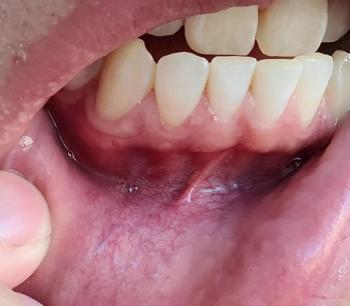
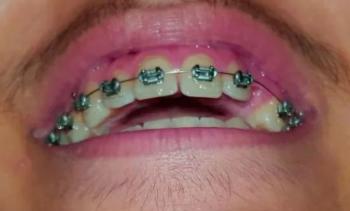
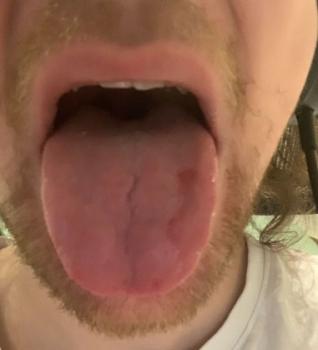
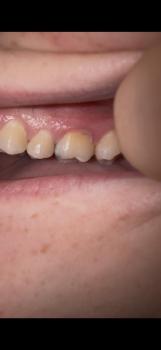
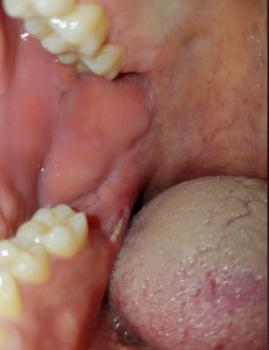
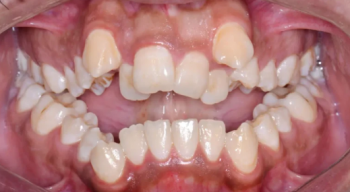
Patients with lower front gum inflammation may also experience tartar buildup, periodontal disease, gum abscesses, or tooth decay. Explore these related clinical case studies.


Other topics:
Other Dental Clinic