Where Bright Smiles Begin.

Full Mouth Dental Implants Cost: USA vs Philippines A Dental Expert’s Perspective from the United States
Language :
Topics:
Full mouth dental implants have become the gold standard for restoring a complete smile. Whether due to advanced tooth decay, gum disease, or trauma, many patients are now choosing implants over traditional dentures for their durability, aesthetics, and functionality.
However, one major barrier remains: cost.
In the United States, full mouth dental implants can cost tens of thousands of dollars—often putting treatment out of reach for many patients. This has led to a growing trend in dental tourism, with countries like the Philippines emerging as top destinations for affordable, high-quality dental care.
As a dental professional practicing in the U.S., I’ve seen both sides—patients struggling with costs locally and others traveling abroad for treatment. This article will break down the real differences in cost, quality, safety, and outcomes between the two countries.
What Are Full Mouth Dental Implants?
Full mouth dental implants refer to a complete restoration of either the upper arch, lower arch, or both using implant-supported prosthetics.
Common Types:
- All-on-4 implants (4 implants supporting a full arch)
- All-on-6 implants
- Implant-supported bridges
- Full arch zirconia restorations
These systems replace missing teeth permanently and restore full chewing ability—often better than natural teeth in compromised cases.
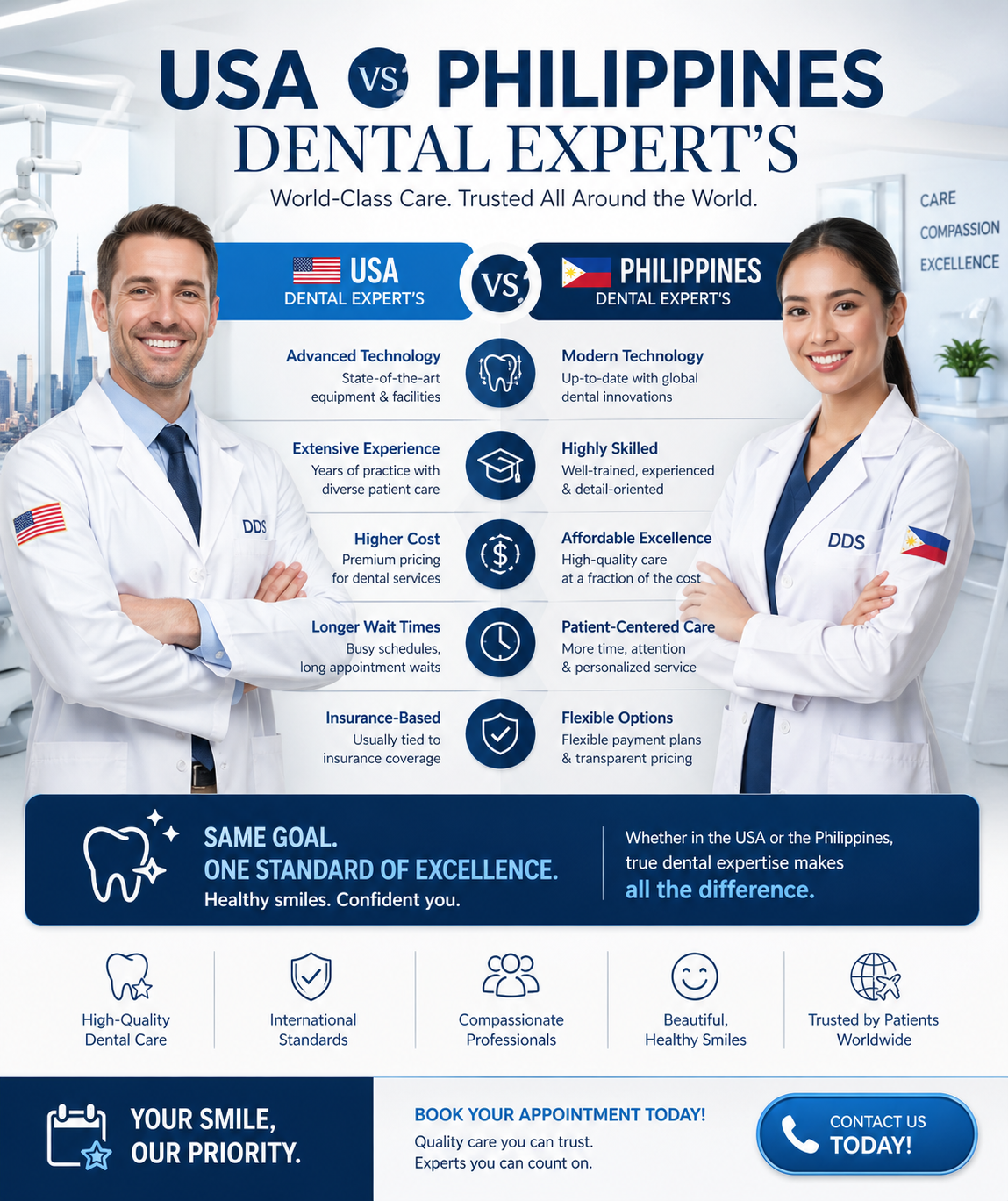
Cost Comparison: USA vs Philippines
United States Pricing
In the United States, full mouth dental implants typically cost:
- Single arch (upper or lower): $20,000 – $35,000
- Full mouth (both arches): $40,000 – $80,000+
What Drives the Cost?
- High labor costs (dentists, assistants, lab technicians)
- Expensive malpractice insurance
- Advanced clinical infrastructure
- Strict regulatory compliance
- Premium dental materials
While the quality is excellent, affordability is a major issue. Most insurance plans do not fully cover implants, leaving patients to pay out-of-pocket or finance treatment.
Philippines Pricing
In the Philippines, the same procedures typically cost:
- Single arch: $6,000 – $12,000
- Full mouth: $12,000 – $25,000
Why Is It Cheaper?
- Lower cost of living
- Reduced labor expenses
- Competitive dental tourism market
- Efficient clinic operations
Even after factoring in travel, accommodations, and meals, patients can save 50% to 70% compared to U.S. prices.
Quality of Care: Is There a Difference?
United States
The United States maintains some of the highest dental standards globally.
Advantages:
- Board-certified specialists
- Advanced diagnostic tools (CBCT, digital workflows)
- Strict sterilization protocols
- Legal accountability
Limitations:
- High cost restricts accessibility
- Longer waiting times in some areas
Philippines
The Philippines has significantly improved its dental standards, especially in urban centers like Manila, Cebu, and Davao.
Advantages:
- Many dentists trained internationally (USA, Europe, Australia)
- Modern clinics with digital technology
- English-speaking professionals
- Personalized patient care
Considerations:
- Quality varies by clinic
- Research is essential before choosing a provider
Dental Expert Insight (U.S. Perspective)
From my experience practicing in the U.S., the biggest misconception is that lower cost equals lower quality. That’s not always true.
Many Filipino dental clinics now use the same implant systems we use in the U.S., including:
- Straumann
- Nobel Biocare
- Zimmer Biomet
The difference is not necessarily in materials—but in economic structure.
That said, I always advise patients:
“If you’re going abroad, choose a clinic—not a price.”
Look for:
- Verified credentials
- Case portfolios
- Transparent treatment plans
- Clear communication
Travel + Treatment: Total Cost Breakdown
Let’s compare a realistic full mouth implant journey.
United States
- Surgery + prosthetics: $50,000
- Follow-ups: Included
- Travel: Minimal
Total: ~$50,000
Philippines
- Surgery + prosthetics: $18,000
- Flights: $800 – $1,500
- Hotel (2–3 weeks): $1,000 – $2,000
- Food + local transport: $500
Total: ~$21,000
➡️ Estimated savings: ~$29,000
Treatment Timeline Differences
USA
- Faster scheduling
- Fewer travel interruptions
- Easier follow-ups
Philippines
- Requires 1–2 trips (or extended stay)
- Healing time between implant placement and final prosthesis
- Follow-up planning needed before returning home
Risks and Considerations
Before deciding, consider these factors:
1. Follow-Up Care
Implants require monitoring. If complications arise, returning abroad may be inconvenient.
2. Warranty and Guarantees
U.S. clinics often provide structured warranties. Some Philippine clinics offer them too—but verify details.
3. Case Complexity
Patients with bone loss or medical conditions may benefit from staying local for continuous care.
Who Should Consider Dental Tourism?
You may benefit from going to the Philippines if:
- You need full mouth restoration but cannot afford U.S. pricing
- You are medically stable
- You can commit to travel and recovery time
- You’ve thoroughly researched your clinic
Who Should Stay in the USA?
Stay in the United States if:
- You have complex medical conditions
- You prefer easier follow-ups
- Budget is not a major concern
- You want legal protection and proximity
FAQ: Full Mouth Dental Implants
1. Are dental implants in the Philippines safe?
Yes—if performed by a reputable, licensed clinic. Always verify credentials and patient reviews.
2. How long do full mouth implants last?
With proper care, implants can last 20+ years, often a lifetime.
3. Is the procedure painful?
Most procedures are done under anesthesia or sedation. Post-surgery discomfort is manageable with medication.
4. Can I eat normally after implants?
Yes. Once healed, implants restore near-natural chewing ability.
5. How long does the full process take?
Typically 3–6 months, depending on healing and bone integration.
Related Topics
1. All-on-4 vs Traditional Implants: Which Is Better?
A detailed comparison of cost, durability, and suitability for different patients.
2. Dental Tourism Guide: What to Know Before Traveling Abroad
Covers planning, risks, and how to choose the right international clinic.
3. Cost of Dental Implants by Country (Global Comparison)
Explore how prices vary across Mexico, Thailand, Turkey, and beyond.
Final Thoughts
Full mouth dental implants are life-changing—but the cost gap between the United States and the Philippines is undeniable.
As a U.S.-based dental expert, my stance is simple:
“The best decision is the one that balances quality, safety, and affordability for your situation.”
If you do your research, choose the right provider, and understand the process, getting dental implants abroad can be a smart, safe, and cost-effective solution.
Can tooth extraction cause infection? Mild inflammation is normal, but increasing swelling, fever, or severe pain may indicate infection. Learn more about post-extraction infection warning signs in this detailed guide.
Book a consultation with our Cebu dental specialists for proper evaluation and care.
Ready to get expert guidance?
If you’re experiencing severe pain or delayed healing, book a consultation with our Cebu dental specialists to get proper evaluation and care.
Consultation or contact page .
Book a Consultation
For severe discomfort or delayed healing, book a consultation with our Cebu dental specialists today.
Looking for a dentist? Browse our Cebu dental directory to find trusted clinics near you.
Medical Review and Clinical Basis
This article is based on clinical dental guidelines and real patient recovery patterns observed after tooth extraction procedures. The information reflects common post-extraction healing stages, including normal clot formation, gum tissue repair, and signs of possible complications such as dry socket or infection.
While mild discomfort is expected after a dental extraction, worsening pain after Day 3, bad odor, exposed bone, or spreading pain may require professional evaluation. These symptoms are consistent with known post-extraction complications described in standard dental practice.
About Cebu Dental Implants
Cebu Dental Implants provides comprehensive tooth extraction, surgical procedures, and dental implant services in the Philippines. Our team evaluates post-extraction healing, manages complications such as dry socket, and advises patients on proper aftercare to prevent infection and delayed healing.
If you experience severe pain or unusual symptoms after extraction, early professional assessment is recommended to prevent further complications.
Important Medical Disclaimer
This content is for educational purposes only and does not replace professional dental diagnosis. Every patient heals differently. If symptoms worsen or do not improve within a few days, consult a licensed dentist for proper evaluation and treatment.
Author
This article was prepared by the Cebu Dental Implants content team in consultation with licensed dental professionals experienced in tooth extraction and implant procedures.
Related Clinical Cases
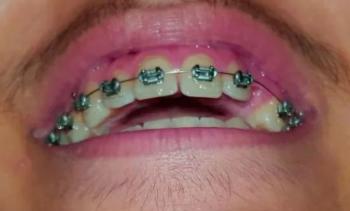
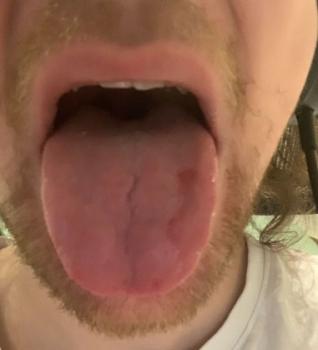
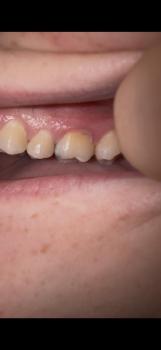
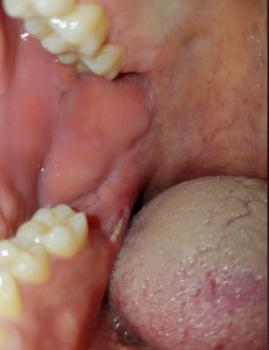
Patients with lower front gum inflammation may also experience tartar buildup, periodontal disease, gum abscesses, or tooth decay. Explore these related clinical case studies.


Other topics:
Other Dental Clinic
 |
 |
 |
 |