Modern Dentistry, Timeless Smiles.

Facial Swelling from a Tooth Infection: When It Becomes a Life-Threatening Emergency and Why You Should Go to the ER Immediately
Language :
When to Go to the Emergency Room
Many Americans are unsure whether a dental infection should be treated by a dentist or whether it requires immediate hospital care. While a typical toothache can often wait until the next available dental appointment, facial swelling caused by a tooth infection is very different.
Once swelling spreads beyond the tooth and into the face, jaw, neck, or mouth, the infection may no longer be just a dental problem. It can quickly become a serious medical emergency.
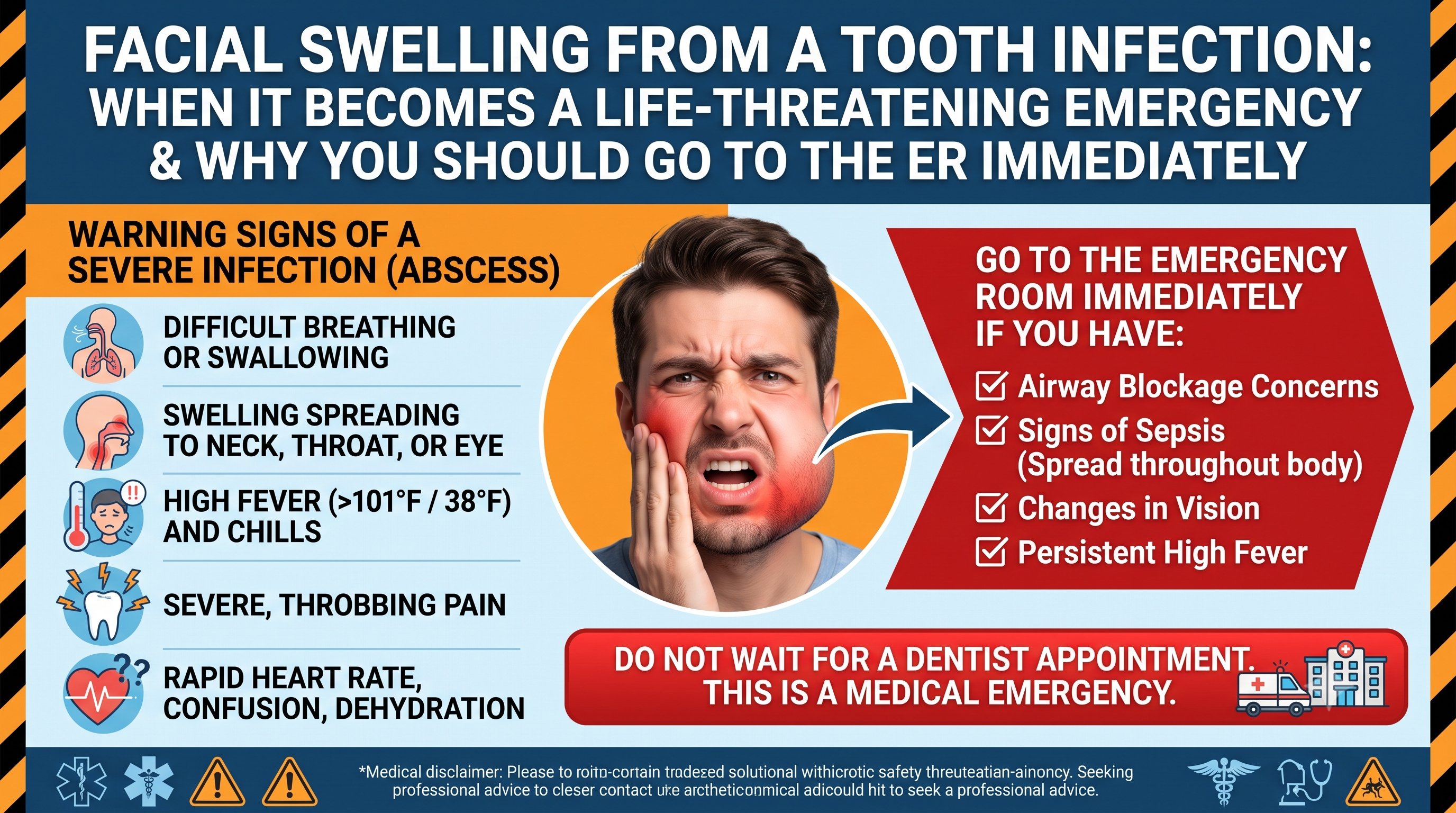
You should go to the nearest Emergency Room (ER) or call 911 immediately if you experience any of the following:
Difficulty Breathing
This is the most dangerous symptom.
Swelling from a dental abscess can spread into the tissues surrounding the throat and airway. As these tissues become inflamed, the airway narrows, making it difficult to breathe.
Warning signs include:
- Trouble catching your breath
- Noisy breathing
- Wheezing
- Feeling like your throat is closing
- Blue lips or fingertips
Never wait to see if these symptoms improve. Airway obstruction can develop rapidly.
Difficulty Swallowing
Pain while swallowing is common with dental infections.
However, if swallowing becomes physically difficult because of swelling, this may indicate that the infection has spread into the deep spaces of the neck.
Patients may notice:
- Drooling because swallowing is difficult
- Feeling like food gets stuck
- Inability to swallow saliva
- Severe throat tightness
These symptoms require immediate medical evaluation.
Swelling Under the Jaw or Neck
Facial swelling that extends below the jawline is especially concerning.
Dentists become particularly worried when swelling spreads into the submandibular or neck spaces because these infections can spread rapidly.
Large swelling beneath the chin or jaw may indicate a dangerous condition known as deep neck space infection.
Without treatment, these infections may compress the airway or spread into the chest.
Fever and Chills
A fever means your body is actively fighting an infection.
If a dental infection causes:
- Fever above 100.4°F (38°C)
- Chills
- Sweating
- Shaking
- Body aches
the bacteria may be spreading beyond the tooth.
Combined with facial swelling, fever significantly increases the urgency of treatment.
Rapidly Increasing Swelling
One of the biggest warning signs is swelling that becomes noticeably worse over several hours.
Patients often describe:
"I woke up with a small swollen cheek, but by evening my entire face was swollen."
Rapid expansion suggests that bacteria are aggressively spreading through facial tissues.
Waiting until the next day can sometimes allow the infection to become much more dangerous.
Confusion or Extreme Weakness
Although uncommon, severe dental infections can spread into the bloodstream and cause sepsis.
Symptoms include:
- Confusion
- Dizziness
- Rapid heartbeat
- Low blood pressure
- Severe weakness
- Cold or clammy skin
This is a medical emergency requiring immediate hospitalization.
Emergency Room vs. Urgent Care vs. Emergency Dentist in the United States
Many patients are unsure where to seek treatment when they develop facial swelling from a tooth infection.
Understanding the differences can save valuable time.
Emergency Dentist
An emergency dentist is usually the best choice if:
- The swelling is small.
- You have no fever.
- You are breathing normally.
- You can swallow normally.
- The swelling is limited to the gums or cheek.
Emergency dentists can often:
- Examine the infected tooth
- Take dental X-rays
- Drain certain abscesses
- Prescribe antibiotics
- Perform emergency root canal treatment
- Remove infected teeth
Treating the source of infection is the definitive solution.
Urgent Care
Urgent care centers can help when:
- You cannot see a dentist immediately.
- You need pain medication.
- You may need antibiotics.
However, urgent care clinics usually cannot:
- Perform dental procedures
- Remove teeth
- Perform root canals
- Drain complex dental abscesses
Urgent care providers often stabilize the infection temporarily before referring patients to a dentist or hospital.
Emergency Room (ER)
The ER is the safest option if you have:
- Facial swelling affecting the eye
- Difficulty breathing
- Difficulty swallowing
- Neck swelling
- High fever
- Severe dehydration
- Signs of sepsis
- Rapidly worsening infection
Emergency physicians focus on protecting your airway and preventing life-threatening complications.
Unlike dental offices, hospitals have immediate access to:
- Advanced imaging
- Intravenous antibiotics
- Surgical specialists
- Intensive care
- Emergency airway management
In serious cases, these resources save lives.
What Happens at the Emergency Room?
Many patients are nervous about visiting the ER because they do not know what to expect.
Fortunately, the evaluation follows a systematic process.
Medical History
The physician will ask questions such as:
- When did the tooth pain begin?
- When did swelling start?
- Is swelling getting worse?
- Do you have fever?
- Can you swallow?
- Can you breathe comfortably?
- Have you taken antibiotics recently?
- Do you have diabetes or immune system disorders?
These answers help determine how aggressive the infection may be.
Physical Examination
The doctor will carefully examine:
- Facial swelling
- Mouth
- Teeth
- Tongue
- Neck
- Airway
- Jaw movement
They will also check your temperature, blood pressure, pulse, and oxygen level.
Blood Tests
Blood work may include:
- Complete blood count (CBC)
- Infection markers
- Kidney function
- Electrolytes
Elevated white blood cells often indicate a significant bacterial infection.
CT Scan
A contrast-enhanced CT scan is one of the most useful imaging tests.
Unlike standard dental X-rays, a CT scan can show:
- Size of the abscess
- Spread into facial tissues
- Neck involvement
- Airway compression
- Bone infection
- Multiple abscess pockets
This information helps determine whether surgery is needed.
How Dental Infections Are Treated
Treatment depends on how severe the infection has become.
In most cases, doctors combine several approaches.
Intravenous (IV) Antibiotics
Patients with severe swelling usually receive antibiotics directly into a vein.
IV antibiotics work faster than pills because they immediately enter the bloodstream.
Common hospital antibiotics include combinations that cover the bacteria most commonly found in dental infections, especially those that thrive in low-oxygen environments.
Many patients begin improving within 24 to 48 hours after IV therapy starts.
Oral Antibiotics
For milder infections, doctors may prescribe oral antibiotics after evaluation.
Commonly prescribed medications include:
- Amoxicillin
- Amoxicillin-clavulanate
- Clindamycin (often used for patients allergic to penicillin)
- Metronidazole (sometimes combined with another antibiotic)
It is important to remember that antibiotics alone rarely cure a dental abscess permanently. They reduce the bacterial infection, but the infected tooth usually still requires dental treatment.
Why Drainage Is Often Necessary
One common misconception is that antibiotics alone can eliminate every dental abscess.
In reality, an abscess contains a pocket of pus made up of bacteria, dead tissue, and inflammatory cells.
Because blood flow inside this pocket is poor, antibiotics may not reach the bacteria effectively.
That is why many abscesses require drainage.
Drainage removes:
- Pus
- Bacteria
- Pressure
- Dead tissue
Patients frequently report significant pain relief shortly after the abscess is drained.
Surgical Drainage
If the infection has spread deeply into the face or neck, an oral and maxillofacial surgeon or ear, nose, and throat (ENT) surgeon may perform surgical drainage.
The procedure may involve:
- Small skin or mouth incisions
- Removal of infected fluid
- Placement of temporary drainage tubes
- Irrigation of infected spaces
- Collection of samples for laboratory testing
In severe infections, patients may remain hospitalized for several days while receiving IV antibiotics and monitoring.
Treating the Source of Infection
Even after swelling improves, the original infected tooth must still be treated.
Depending on the condition of the tooth, your dentist may recommend:
- Root canal therapy to remove infected pulp while preserving the tooth.
- Tooth extraction if the tooth cannot be saved.
- Follow-up imaging to confirm the infection has resolved.
Without addressing the source, the infection may return weeks or months later.
Can tooth extraction cause infection? Mild inflammation is normal, but increasing swelling, fever, or severe pain may indicate infection. Learn more about post-extraction infection warning signs in this detailed guide.
Book a consultation with our Cebu dental specialists for proper evaluation and care.
Ready to get expert guidance?
If you’re experiencing severe pain or delayed healing, book a consultation with our Cebu dental specialists to get proper evaluation and care.
Consultation or contact page .
Book a Consultation
For severe discomfort or delayed healing, book a consultation with our Cebu dental specialists today.
Looking for a dentist? Browse our Cebu dental directory to find trusted clinics near you.
Medical Review and Clinical Basis
This article is based on clinical dental guidelines and real patient recovery patterns observed after tooth extraction procedures. The information reflects common post-extraction healing stages, including normal clot formation, gum tissue repair, and signs of possible complications such as dry socket or infection.
While mild discomfort is expected after a dental extraction, worsening pain after Day 3, bad odor, exposed bone, or spreading pain may require professional evaluation. These symptoms are consistent with known post-extraction complications described in standard dental practice.
About Cebu Dental Implants
Cebu Dental Implants provides comprehensive tooth extraction, surgical procedures, and dental implant services in the Philippines. Our team evaluates post-extraction healing, manages complications such as dry socket, and advises patients on proper aftercare to prevent infection and delayed healing.
If you experience severe pain or unusual symptoms after extraction, early professional assessment is recommended to prevent further complications.
Important Medical Disclaimer
This content is for educational purposes only and does not replace professional dental diagnosis. Every patient heals differently. If symptoms worsen or do not improve within a few days, consult a licensed dentist for proper evaluation and treatment.
Author
This article was prepared by the Cebu Dental Implants content team in consultation with licensed dental professionals experienced in tooth extraction and implant procedures.
Related Clinical Cases
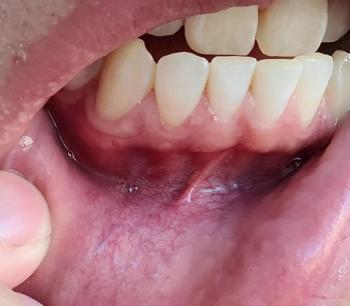
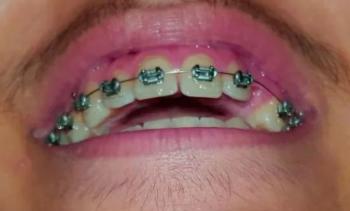
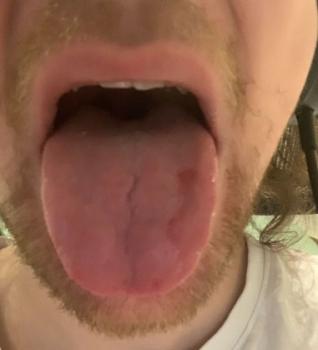
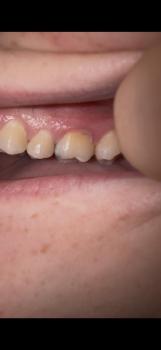
Patients with lower front gum inflammation may also experience tartar buildup, periodontal disease, gum abscesses, or tooth decay. Explore these related clinical case studies.


Other topics:
Other Dental Clinic