Modern Dentistry, Timeless Smiles.

Digital Dentures: How 3D Scanning Creates a Better-Fitting Denture
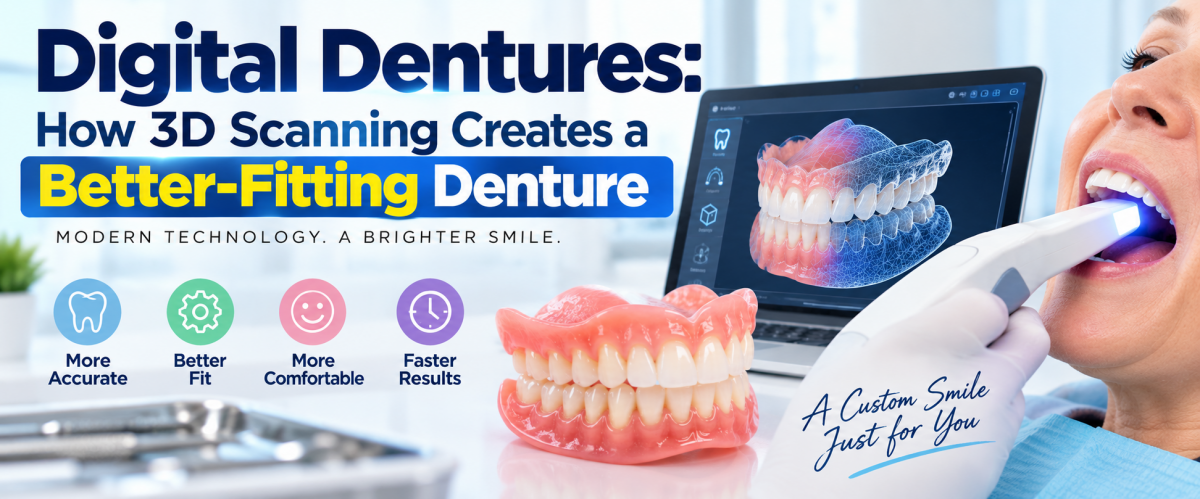
Digital scan dentures use 3D scanning, computer-aided design (CAD), and modern dental manufacturing technology to create dentures with a more precise and personalized fit.
Instead of relying entirely on traditional dental impressions, digital technology can capture detailed information about the patient's mouth and use that information to design the denture digitally before it is manufactured.
What Are Digital Scan Dentures?
Digital scan dentures are dentures designed using 3D digital scans of the patient's mouth.
A digital scanner captures the shape of the gums, jaw, and surrounding oral structures. The resulting digital model can then be used by the dentist and dental laboratory to design the denture according to the patient's anatomy.
This approach can help create a more consistent and personalized denture design.
How Does 3D Scanning Work?
The process generally involves several steps:
1. Digital 3D Scan
A dental scanner captures detailed images of the mouth and gum tissues. The scans are combined to create a three-dimensional digital model.
2. Digital Denture Design
The digital model is transferred to specialized dental design software. The dentist and laboratory can plan important details such as:
- Tooth position
- Bite relationship
- Denture shape
- Gum contours
- Tooth size and appearance
- Overall denture fit
3. Digital Try-In
Depending on the treatment plan, a temporary or 3D-printed try-in denture may be produced. This allows the dentist and patient to evaluate the appearance, speech, tooth position, and comfort before the final denture is made.
4. Final Denture Production
The final denture can be manufactured using modern CAD/CAM milling or 3D printing technology.
The digital design can also be saved for future reference.
Digital Dentures vs. Traditional Dentures
Traditional dentures commonly use physical impression materials to record the shape of the mouth. Digital denture workflows can reduce the number of physical steps involved by transferring much of the information into a digital format.
Some potential advantages include:
| Traditional Dentures | Digital Scan Dentures |
|---|---|
| Physical impressions | 3D digital scans may be used |
| Physical models | Digital models |
| Multiple manual laboratory steps | Computer-assisted design |
| Difficult to reproduce an old denture | Digital files can be stored |
| Adjustments may require additional appointments | Digital workflow can improve planning |
However, digital scanning does not automatically guarantee a perfect fit. The dentist still needs to evaluate the patient's gum tissues, jaw relationship, bite, and overall oral condition.
Benefits of Digital Scan Dentures
More Personalized Design
Digital scanning allows the denture to be designed around the patient's individual oral anatomy.
Improved Treatment Planning
The dentist and dental laboratory can review the digital model before manufacturing the final prosthesis.
Fewer Physical Impressions
For patients who have difficulty tolerating traditional impression materials, a digital scanning approach may provide a more comfortable experience when clinically appropriate.
Easier Denture Replacement
One of the major advantages of digital dentures is the ability to store the patient's digital denture information. If the denture is lost, damaged, or needs to be replaced, the saved design may help the laboratory reproduce the prosthesis without starting completely from scratch.
Efficient Dental Workflow
Digital files can be transferred electronically between the dental office and laboratory, potentially reducing some of the time associated with traditional physical models and shipping.
Who May Benefit From Digital Scan Dentures?
Digital dentures may be an option for patients who need:
- Complete dentures
- Replacement dentures
- Implant-supported dentures
- Dentures requiring a highly customized design
- A replacement of an existing digitally designed denture
The best approach depends on the patient's oral anatomy, existing dentures, gum condition, jaw relationship, and treatment goals.
Are Digital Scan Dentures Better Than Traditional Dentures?
Not necessarily in every case.
Digital technology provides dentists with additional tools for scanning, designing, manufacturing, and storing denture information, but the quality of the final denture still depends on proper clinical examination, accurate records, good denture design, appropriate materials, and the skill of the dental team.
For some patients, a hybrid approach combining conventional impressions with digital laboratory scanning may be more appropriate than direct intraoral scanning.
Digital Dentures in Cebu, Philippines
If you are considering a new denture or replacing an uncomfortable existing denture, ask your dentist whether a digital denture workflow or 3D scanning is appropriate for your case.
A dental evaluation can determine whether digital scanning, traditional impressions, or a combination of both will provide the most predictable result.
Frequently Asked Questions
Do digital dentures fit better?
Digital workflows can improve consistency and allow detailed computer-assisted planning, but the final fit depends on the patient's anatomy and the clinical and laboratory process.
Are digital dentures more comfortable?
They may be more comfortable for some patients because digital scanning can reduce or eliminate certain traditional impression procedures.
Can digital dentures be replaced easily?
If the patient's digital records and denture design have been properly saved, they may make future replacement or duplication easier.
How long does it take to make digital dentures?
Treatment time varies depending on the type of denture, the patient's oral condition, the laboratory workflow, and whether try-ins or additional appointments are needed.
Are digital dentures suitable for everyone?
Not always. Your dentist should evaluate your mouth and determine whether direct digital scanning or another impression technique is appropriate.
Conclusion
Digital scan dentures combine 3D scanning and CAD/CAM technology to create a more modern approach to denture treatment. By capturing digital information, planning the denture virtually, and using computer-assisted manufacturing, dentists and laboratories can create highly customized prostheses while also maintaining digital records for future treatment.
If you're looking for a customized denture designed around your individual mouth and smile, ask your dentist whether digital scanning and CAD/CAM denture technology may be suitable for you.
Related Clinical Cases
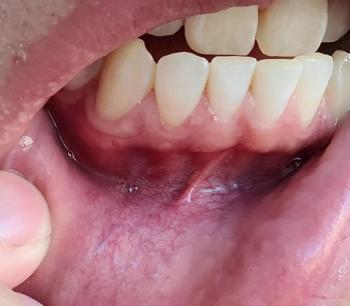
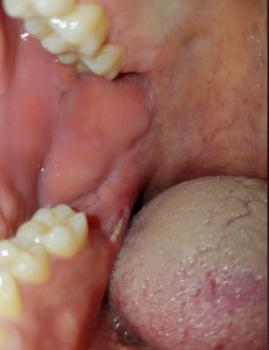
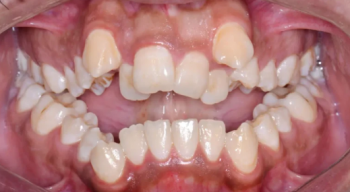
Patients with lower front gum inflammation may also experience tartar buildup, periodontal disease, gum abscesses, or tooth decay. Explore these related clinical case studies.


Other topics:
Other Dental Clinic