Strong Teeth, Fresh Breath, Brighter You.

Dental Implant Recovery Timeline: Healing Stages, Tips & FAQs
Dental implant surgery is a carefully planned procedure, but many patients naturally wonder: “How long will it take me to recover?”
The good news is that most people can return to light daily activities relatively quickly. However, the deeper healing process takes much longer because the dental implant needs time to bond with the jawbone.
Your recovery timeline can vary depending on the number of implants, whether you needed bone grafting or tooth extraction, your general health, and how well you follow your dentist's aftercare instructions.
Dental Implant Recovery Timeline at a Glance
| Recovery Stage | What You May Experience |
|---|---|
| First 24 hours | Mild bleeding, swelling, tenderness or numbness |
| 2–3 days | Swelling may be most noticeable; discomfort usually begins improving |
| 3–7 days | Most patients feel significantly better and can resume many normal activities |
| 1–2 weeks | Gum tissue continues healing; stitches may be removed if necessary |
| 1–3 months | The implant continues bonding with the jawbone |
| 3–6+ months | Osseointegration may be completed, depending on the individual |
| After healing | Permanent crown, bridge, or denture can be placed when your dentist determines the implant is ready |
Important: There is no single recovery timeline that applies to everyone. Your dentist will monitor your healing and determine when the implant is ready for the next stage.
The First 24 Hours After Dental Implant Surgery
The first day is primarily about protecting the surgical area and allowing a blood clot to form.
You may experience:
- Mild bleeding or oozing
- Swelling around the gums or face
- Tenderness
- Bruising
- Temporary numbness from anesthesia
- A feeling of pressure around the implant site
Your dentist may recommend resting for the remainder of the day and avoiding strenuous physical activity.
Follow the specific instructions provided by your dental team regarding eating, brushing, rinsing, and medications.
Days 2–3: Swelling May Increase
It is common for swelling to become more noticeable during the first few days rather than immediately after surgery.
You may notice:
- Facial swelling
- Mild soreness
- Sensitivity when chewing
- Difficulty opening your mouth fully
- Minor bruising
This does not necessarily mean something is wrong. Swelling often reaches its peak around this period and then gradually improves.
A soft-food diet can make eating more comfortable while the surgical area heals.
Days 3–7: Recovery Usually Improves
By the end of the first week, many patients feel considerably better.
You may be able to return to work or normal routines depending on the type of procedure you had and the physical demands of your job.
Your dentist may also schedule a follow-up appointment to check:
- Gum healing
- Swelling
- Signs of infection
- Implant stability
- Healing around the surgical site
If you have stitches, your dentist will determine whether they need to be removed or whether they will dissolve naturally.
Week 2: Gum Healing Continues
The gum tissue should continue becoming less tender and swollen.
However, the implant itself is still healing beneath the gum.
This is an important distinction:
Feeling better does not necessarily mean the implant has completely bonded with your jawbone.
The implant needs time to undergo osseointegration, the biological process in which bone grows around and bonds with the implant surface.
1–3 Months: The Implant Is Bonding With Bone
During this stage, you may feel completely normal even though significant healing is still taking place underneath the gums.
Your dentist may monitor the implant before proceeding with the permanent restoration.
Healing time can be affected by:
- Bone quality and quantity
- Implant location
- Number of implants
- Smoking
- Oral hygiene
- General health
- Bone grafting
- Sinus procedures
- The complexity of the surgery
3–6 Months: Long-Term Healing
For many traditional implant cases, several months may be required for sufficient bone integration.
Once your dentist confirms that the implant has healed adequately, the next step may involve attaching the abutment and permanent crown, bridge, or denture.
Some patients may receive teeth sooner through immediate or early-loading protocols, while others need a longer healing period.
Your treatment plan should be based on your individual clinical situation—not simply a standard number of months.
What Can I Eat During Dental Implant Recovery?
Immediately after surgery, your dentist may recommend softer foods that require minimal chewing.
Depending on your treatment, suitable options may include:
- Yogurt
- Eggs
- Soft vegetables
- Mashed potatoes
- Smooth soups
- Soft fish
- Oatmeal
- Soft pasta
- Smoothies
Avoid very hard, crunchy, sticky, or extremely hot foods around the surgical area until your dentist says they are safe.
If you have an implant placed in a particular area of your mouth, your dentist may recommend chewing on the opposite side temporarily.
When Can I Return to Work?
Many patients can return to light work within a few days.
However, recovery depends on the procedure.
For example, someone receiving one straightforward implant may recover differently from someone receiving multiple implants with bone grafting or other surgical procedures.
If your job involves heavy lifting or strenuous physical activity, ask your dentist when it is appropriate to resume those activities.
When Can I Exercise After Implant Surgery?
Your dentist may recommend avoiding strenuous exercise for a short period after surgery.
Intense physical activity can potentially increase bleeding, swelling, or discomfort during the early recovery period.
Start gradually and follow your dentist's specific instructions.
What Symptoms Are Normal?
Some discomfort, swelling, bruising, and minor bleeding can occur after dental implant surgery.
The important thing is that symptoms should generally improve rather than progressively worsen as recovery continues.
Contact your dentist if you experience:
- Severe or increasing pain
- Heavy or persistent bleeding
- Increasing swelling after the initial recovery period
- Fever
- Pus or unusual drainage
- Persistent bad taste or odor
- Difficulty breathing or swallowing
- An implant that feels loose
If you have difficulty breathing or swallowing, seek urgent medical attention.
Frequently Asked Questions About Dental Implant Recovery
1. How long does it take to recover from dental implant surgery?
The initial recovery is often around several days to a couple of weeks, while complete bone healing and implant integration can take several months.
2. Is dental implant surgery painful?
Most patients receive local anesthesia during the procedure, so they should not feel the surgical procedure itself. Some soreness and discomfort are expected afterward and can usually be managed according to the dentist's instructions.
3. How long does swelling last after a dental implant?
Swelling commonly becomes more noticeable during the first few days and then gradually decreases. The exact duration varies depending on the complexity of the surgery.
4. When can I eat normally after getting a dental implant?
You may need to eat softer foods initially. As healing progresses, your dentist will advise you when you can gradually return to your normal diet.
5. Can I brush my teeth after implant surgery?
Usually, maintaining good oral hygiene remains important, but you need to be careful around the surgical area. Follow your dentist's specific brushing and rinsing instructions.
6. How long before I can return to work?
Some patients return to light work within a few days. More extensive procedures may require additional recovery time.
7. When can I exercise after dental implant surgery?
Avoid strenuous exercise during the early recovery period unless your dentist tells you otherwise. Your dentist can give you a timeframe based on your procedure.
8. How long does a dental implant take to heal in the jawbone?
Implant integration can take several months, commonly around 3–6 months, although some cases heal faster or require more time.
9. Can a dental implant fail during the healing period?
Yes. Although dental implants have high success rates, complications can occur. Infection, inadequate bone integration, excessive forces, smoking, and other factors can increase risk.
10. What happens if my dental implant feels loose?
Contact your dentist promptly. A loose implant during the healing period should be evaluated rather than ignored.
11. Can I smoke after getting a dental implant?
Smoking can interfere with healing and may increase the risk of complications. Ask your dentist for specific guidance about stopping or avoiding tobacco during recovery.
12. Do I need a bone graft before getting an implant?
Not everyone needs a bone graft. If there is insufficient bone volume or density to support the planned implant, your dentist may recommend bone augmentation.
13. Can I get a temporary tooth while my implant heals?
In some cases, yes. Your dentist may provide a temporary restoration depending on the implant location, stability, bite, and overall treatment plan.
14. When can I get my permanent crown?
The permanent crown is generally placed after your dentist determines that the implant has integrated sufficiently with the jawbone and the surrounding tissues are ready.
15. Is recovery different for older adults?
Age alone does not determine whether someone can successfully receive dental implants. Your dentist will consider your overall health, bone condition, medications, oral hygiene, and other individual factors when planning treatment.
How to Have a Smoother Dental Implant Recovery
A successful recovery starts with following your dentist's instructions carefully.
Remember these basic principles:
- Keep the surgical area clean as instructed.
- Take prescribed or recommended medications exactly as directed.
- Choose appropriate foods during early healing.
- Avoid smoking and tobacco products.
- Avoid putting unnecessary pressure on the implant.
- Attend your scheduled follow-up appointments.
- Contact your dentist if something does not feel right.
Final Thoughts
Dental implant recovery happens in two different stages: the initial healing of the gums and the deeper biological healing of the jawbone.
You may feel comfortable after only a few days, but that does not mean the implant is completely healed. The implant needs adequate time to integrate with the bone before your dentist places the final restoration.
Your dentist should be the final authority on your individual recovery timeline, because every implant case is different.
Related Clinical Cases
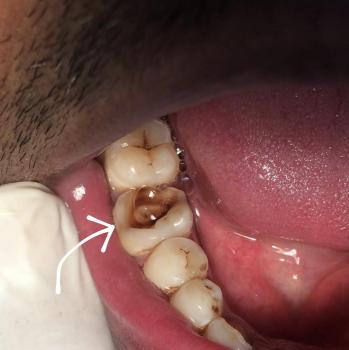
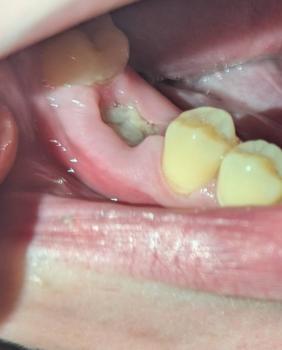
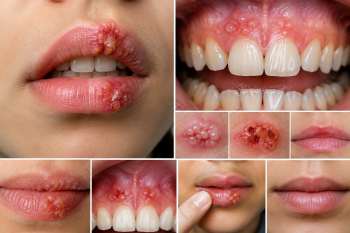
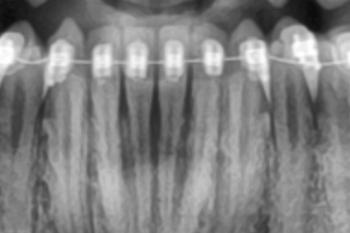
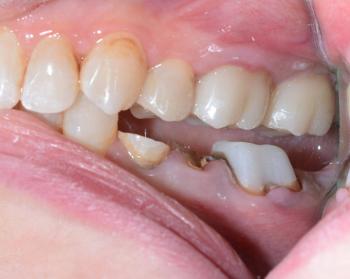
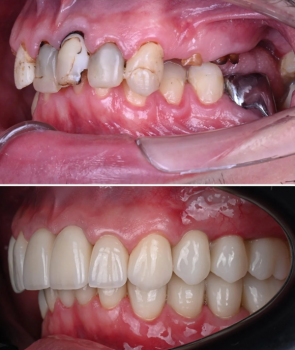
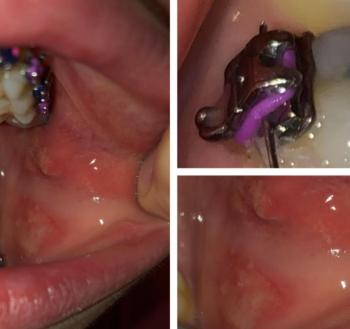
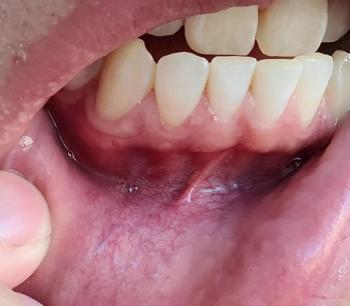
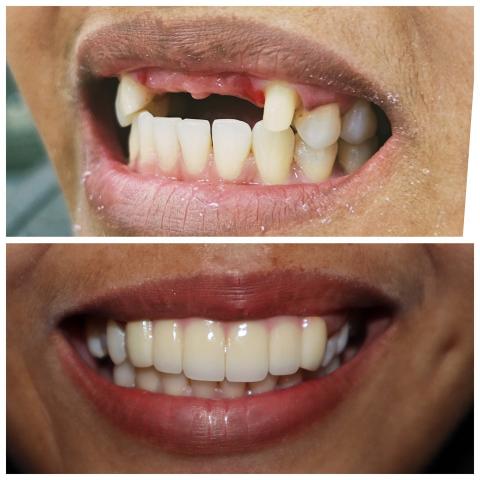
Patients with lower front gum inflammation may also experience tartar buildup, periodontal disease, gum abscesses, or tooth decay. Explore these related clinical case studies.
Other topics:
Other Dental Clinic
 |
 |
 |
 |