Because Every Tooth Deserves Care.

Dental Implant Aftercare Guide: Protecting Your Investment (From a Dallas Bone Graft Expert)
Language :

By a Dallas-based dental implant and bone graft specialist
Introduction: Aftercare Is Where Implants Succeed or Fail
In my practice in Dallas, I’ve placed thousands of dental implants—and I can tell you this with certainty:
The procedure is only half the journey. Aftercare determines the outcome.
A perfectly placed implant can fail if aftercare is ignored. On the other hand, even complex cases can succeed long-term when patients follow proper post-operative care.
This guide gives you a real-world, medically grounded aftercare plan—what to do, what to avoid, and how to protect your implant for years to come.
What Happens After Dental Implant Surgery?
After implant placement, your body begins a critical biological process called Osseointegration.
This is when:
- Your jawbone bonds with the implant
- Stability gradually increases
- Healing determines long-term success
This phase can last 3 to 6 months, or longer if bone grafting was involved.
The First 24–72 Hours: Critical Recovery Window
This is the most sensitive period.
What You Will Experience
- Mild bleeding
- Swelling
- Tenderness
- Slight bruising
All of these are normal.
What You Should Do
- Bite gently on gauze to control bleeding
- Apply cold compress (15 minutes on/off)
- Take prescribed medications
- Rest and avoid physical exertion
What You Should Avoid
- Spitting forcefully
- Using straws
- Smoking
- Touching the surgical site
Clinical note:
Most complications I see start within this window due to avoidable mistakes.
Week 1–2: Early Healing Phase
During this period:
- Gum tissue begins closing
- Pain significantly decreases
- Stitches may be removed
Care Instructions
- Switch to gentle saltwater rinses
- Use a soft-bristled toothbrush
- Continue prescribed antibiotics if given
Avoid brushing directly over the implant for the first few days unless instructed.
Long-Term Healing (1–6 Months)
This is where implants truly stabilize.
What’s Happening Internally
- Bone growth around implantte
- Increasing structural strength
- Preparation for crown placement
Even if you feel “normal,” healing is still ongoing.
Oral Hygiene: The Foundation of Implant Success
Poor hygiene is one of the leading causes of implant failure.
Daily Routine
- Brush twice daily with a soft brush
- Use non-alcohol antimicrobial mouthwash
- Floss carefully around implant
Recommended Tools
- Interdental brushes
- Water flosser (low pressure)
- Implant-specific floss
Expert tip:
Treat your implant like a natural tooth—but with more attention.
Diet Guidelines After Dental Implants
What you eat directly affects healing.
First 3–5 Days
- Soft foods only
- Examples: yogurt, eggs, soup, smoothies
Week 1–2
- Gradually introduce semi-soft foods
- Avoid chewing on implant side
After 2 Weeks
- Slowly return to normal diet
- Avoid extremely hard foods
Foods to Avoid
- Nuts and hard snacks
- Sticky foods (caramel, gum)
- Crunchy chips
Pain Management and Medications
Most patients experience minimal pain.
Common Medications
- Ibuprofen or prescribed pain relievers
- Antibiotics (if needed)
- Antiseptic mouth rinse
Pain should decrease after 2–3 days. If it increases, seek evaluation.
Warning Signs You Should Never Ignore
Contact your dentist immediately if you experience:
- Severe or worsening pain after 5 days
- Persistent swelling
- Pus or discharge
- Implant movement
- Fever
Early intervention prevents complications.
Smoking and Dental Implants: A Serious Riske
I’ll be direct—smoking is one of the biggest threats to implant success.
Why It’s Dangerous
- Reduces blood flow
- Slows healing
- Increases infection risk
Patients who smoke have significantly higher failure rates.
Physical Activity and Lifestyle
First 3 Days
- No exercise
- No heavy lifting
After 1 Week
- Light activity allowed
After 2 Weeks
- Gradual return to normal routines
Overexertion can increase bleeding and delay healing.
Dental Implant Aftercare with Bone Grafting
If you had a bone graft:
- Healing takes longer
- Extra care is required
- Avoid pressure on the area
Bone graft stability is essential before implant integration.
Traveling After Dental Implants
Many patients travel for implants.
Key Tips
- Stay at least 5–7 days after surgery
- Schedule follow-up before leaving
- Keep communication open with your dentist
If traveling internationally, plan for return visits if needed.
Long-Term Maintenance: Keeping Your Implant for Life
Dental implants can last 20+ years—but only with proper care.
Maintenance Plan
- Dental check-ups every 6 months
- Professional cleaning
- X-rays when needed
Habits to Avoid
- Teeth grinding (use night guard if needed)
- Chewing ice
- Using teeth as tools
Real Case Insight (Dallas Practice)
A patient came to me after implant placement elsewhere.
Issue:
- Poor aftercare
- Smoking resumed immediately
- No hygiene routine
Result:
- Implant infection
- Bone loss
We had to remove and redo the implant.
Lesson:
Aftercare is not optional—it’s essential.
Medical Perspective: Why Aftercaree Matters
From a clinical standpoint, implant success depends on:
- Controlled healing environment
- Infection prevention
- Stable bone integration
Even minor neglect can disrupt this balance.
FAQ: Dental Implant Aftercare Guide
How long does aftercare last?
Initial care is 1–2 weeks, but maintenance is lifelong.
Can I brush my teeth after surgery?
Yes, but gently and avoid the surgical site initially.
When can I eat normally?
Soft foods for 1–2 weeks, then gradual return.
Is swelling normal?
Yes, especially in the first 3 days.
Can implants fail due to poor aftercare?
Yes—this is a leading cause of failure.
Do I need special cleaning toolz?
They are recommended for better long-term hygiene.
When should I see my dentist again?
Usually within 1 week, then regular follow-ups.
Related Topics You Should Explore
1. Dental Implant Healing Time Guide
Understand how long implants take to fully integrate.
2. Bone Graft Cost Before Dental Implants
Learn when grafting is needed and how it affects treatment.
3. All-on-4 Dental Implants: Aftercare Differences
Compare full-arch implant maintenance strategies.
Final Thoughts from a Dallas Expert
Dental implants are one of the most advanced solutions in modern dentistry—but they are not “set and forget.”
From my experience in Dallas, patients who succeed long-term follow three rules:
- Respect the healing phasee
- Maintain excellent hygiene
- Attend regular check-ups
If you commit to proper aftercare, your implant can serve you reliably for decades.
Your dentist places the implant—but you protect it.
Can tooth extraction cause infection? Mild inflammation is normal, but increasing swelling, fever, or severe pain may indicate infection. Learn more about post-extraction infection warning signs in this detailed guide.
Book a consultation with our Cebu dental specialists for proper evaluation and care.
Ready to get expert guidance?
If you’re experiencing severe pain or delayed healing, book a consultation with our Cebu dental specialists to get proper evaluation and care.
Consultation or contact page .
Book a Consultation
For severe discomfort or delayed healing, book a consultation with our Cebu dental specialists today.
Looking for a dentist? Browse our Cebu dental directory to find trusted clinics near you.
Medical Review and Clinical Basis
This article is based on clinical dental guidelines and real patient recovery patterns observed after tooth extraction procedures. The information reflects common post-extraction healing stages, including normal clot formation, gum tissue repair, and signs of possible complications such as dry socket or infection.
While mild discomfort is expected after a dental extraction, worsening pain after Day 3, bad odor, exposed bone, or spreading pain may require professional evaluation. These symptoms are consistent with known post-extraction complications described in standard dental practice.
About Cebu Dental Implants
Cebu Dental Implants provides comprehensive tooth extraction, surgical procedures, and dental implant services in the Philippines. Our team evaluates post-extraction healing, manages complications such as dry socket, and advises patients on proper aftercare to prevent infection and delayed healing.
If you experience severe pain or unusual symptoms after extraction, early professional assessment is recommended to prevent further complications.
Important Medical Disclaimer
This content is for educational purposes only and does not replace professional dental diagnosis. Every patient heals differently. If symptoms worsen or do not improve within a few days, consult a licensed dentist for proper evaluation and treatment.
Author
This article was prepared by the Cebu Dental Implants content team in consultation with licensed dental professionals experienced in tooth extraction and implant procedures.
Related Clinical Cases
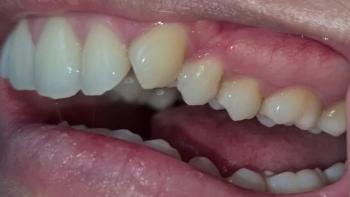
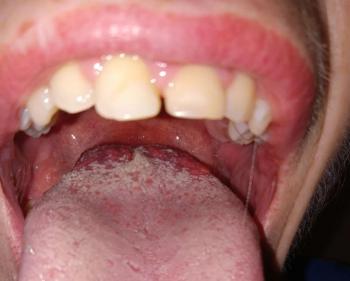
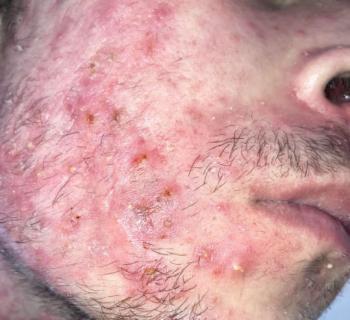
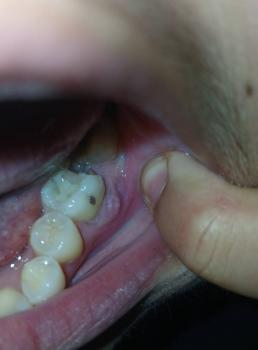
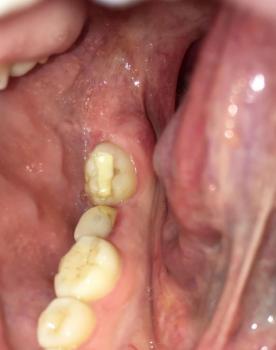
Patients with lower front gum inflammation may also experience tartar buildup, periodontal disease, gum abscesses, or tooth decay. Explore these related clinical case studies.


Other topics:
Other Dental Clinic
 |
 |
 |
 |



