Smile Again with Comfort and Confidence.

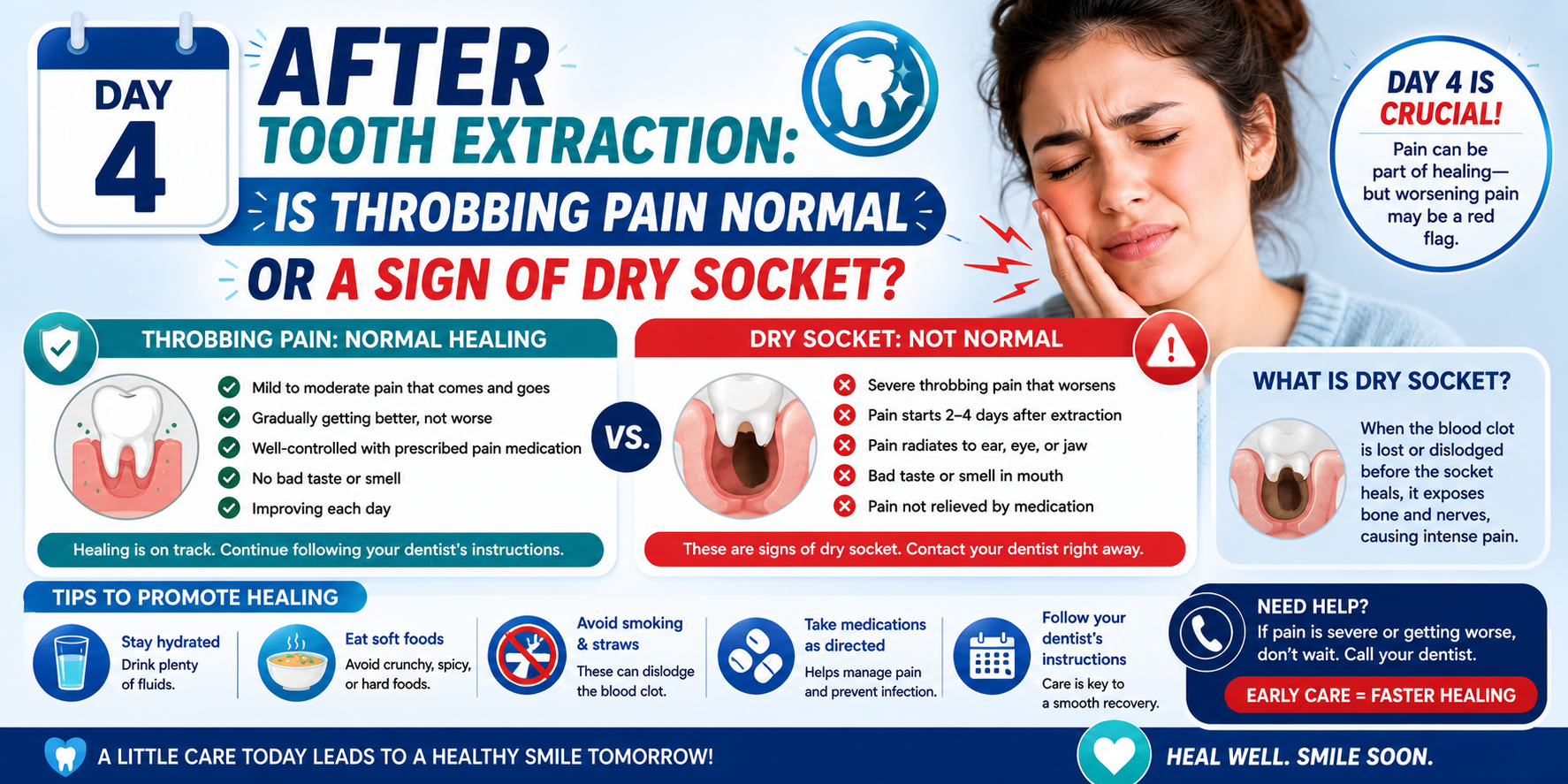
Day 4 After Tooth Extraction: Is Throbbing Pain Normal or a Sign of Dry Socket?
Language :
Topics:
As a board-certified dental implant surgeon with over 20 years of clinical experience, one of the most common concerns I hear from patients around Day 4 after a tooth extraction is:
"My tooth extraction is throbbing. Is this normal?"
The answer depends on one important question:
Is your recovery improving—or is it getting worse?
While some lingering soreness is still expected on Day 4, throbbing pain that is increasing rather than decreasing deserves attention. Understanding the difference between normal healing and a potential complication can help you determine whether it's time to contact your dentist.
The Golden Rule of Recovery: Healing Should Move Forward, Not Backward
After a tooth extraction, your body begins a remarkable healing process. A blood clot forms in the socket, new tissue develops, and inflammation gradually subsides.
In a normal recovery, most patients notice:
- Less swelling than they had on Days 1 and 2
- Reduced tenderness
- Improved comfort when eating soft foods
- Less reliance on pain medication
- Better sleep at night
In my practice, patients who are healing normally often tell me:
"It's still sore, but it's definitely getting better."
That's exactly what we want to hear.
What Day 4 Usually Feels Like
Some discomfort on Day 4 is completely normal.
You may still experience:
- Mild soreness around the extraction site
- Tenderness when chewing
- Slight jaw stiffness
- Mild swelling that is gradually improving
- Sensitivity when brushing nearby teeth
These symptoms should be manageable and slowly improving each day.
When Throbbing Pain Is Not Normal
What concerns dentists is a different pattern.
If your pain suddenly becomes more intense around Day 3 or Day 4, or if you were feeling better and then started feeling worse, it may indicate that healing has been interrupted.
In clinical practice, one of the most common causes of this pattern is dry socket.
What Is Dry Socket?
Dry socket, also known as alveolar osteitis, occurs when the protective blood clot in the extraction socket becomes dislodged, dissolves prematurely, or never forms properly.
Without that protective clot:
- Bone becomes exposed
- Nerve endings become irritated
- Air, food, and fluids can enter the socket
- Significant pain develops
This condition typically appears several days after the extraction—not immediately.
In fact, one of the biggest misconceptions I see is that patients expect dry socket to happen right away. Most cases develop between Days 3 and 5.
Common Signs of Dry Socket
Patients often describe dry socket pain as:
- Deep and throbbing
- Sharp or stabbing
- Severe and persistent
- Worse than previous days
- Difficult to control with pain medication
The pain may also:
- Radiate toward the ear
- Extend into the jaw
- Spread toward the temple
- Cause headaches on the affected side
One phrase I hear repeatedly is:
"The pain was getting better, and then suddenly it got much worse."
That pattern is highly suggestive of dry socket.
A Clinical Observation Most Patients Don't Expect
Over the years, I've noticed that many patients become worried about the appearance of the extraction site when the real issue is the direction of healing.
A socket can look white, yellow, or uneven and still be healing perfectly.
What matters more is whether:
- Pain is improving
- Swelling is decreasing
- Function is returning
In other words, don't judge healing by appearance alone.
Judge it by progress.
Normal Healing vs. Potential Dry Socket
| Normal Healing | Potential Dry Socket |
|---|---|
| Pain gradually improves | Pain worsens around Day 3 or 4 |
| Mild soreness | Severe throbbing pain |
| Medication provides relief | Medication has little effect |
| Swelling decreases | Symptoms intensify |
| Pain stays localized | Pain radiates to ear, temple, or jaw |
| Recovery moves forward | Recovery feels like it's moving backward |
Common Patient Mistakes That Can Delay Healing
In daily practice, I frequently see patients unintentionally disrupt healing by:
Checking the Socket Constantly
Many patients pull their cheek back several times a day to inspect the extraction site.
This often increases anxiety because healing tissue can look unusual.
Eating Crunchy Foods Too Soon
Popcorn, chips, nuts, and crusty bread can irritate the extraction site and interfere with recovery.
Smoking or Vaping
Even a few puffs can affect blood clot stability and significantly increase the risk of dry socket.
Stopping Oral Hygiene
Some patients become afraid to clean their mouth.
While you should avoid disturbing the socket, maintaining good oral hygiene elsewhere in the mouth is essential.
When to Contact Your Dentist Immediately
You should contact your dental office as soon as possible if:
Your Pain Is Getting Worse
Pain that increases rather than decreases is one of the strongest indicators that something may be wrong.
Pain Is Throbbing or Severe
Especially if it begins around Day 3 or Day 4.
Pain Radiates Toward the Ear
This is a common symptom reported by patients with dry socket.
Medication Is Not Helping
Pain that remains severe despite prescribed or recommended medication deserves evaluation.
You Have Signs of Infection
These may include:
- Fever above 38°C (100.4°F)
- Increasing facial swelling
- Pus or drainage
- Persistent foul taste or odor
- Difficulty swallowing
A Reassuring Message
The good news is that most tooth extractions heal without complications.
Every week, I see patients who are worried because they still have some soreness on Day 4, only to find that their healing is progressing exactly as expected.
However, if you are experiencing worsening throbbing pain, especially pain that radiates toward your ear or feels significantly worse than previous days, don't ignore it.
A simple examination can quickly determine whether you're dealing with normal healing, dry socket, or another issue.
The Bottom Line
Some soreness on Day 4 after a tooth extraction is normal.
Throbbing pain that is getting worse is not.
Remember the golden rule:
Healing should move forward, not backward.
If your symptoms are intensifying rather than improving, contact your dentist promptly and request an evaluation. Early treatment can help relieve discomfort and get your recovery back on track
Can tooth extraction cause infection? Mild inflammation is normal, but increasing swelling, fever, or severe pain may indicate infection. Learn more about post-extraction infection warning signs in this detailed guide.
Book a consultation with our Cebu dental specialists for proper evaluation and care.
Ready to get expert guidance?
If you’re experiencing severe pain or delayed healing, book a consultation with our Cebu dental specialists to get proper evaluation and care.
Consultation or contact page .
Book a Consultation
For severe discomfort or delayed healing, book a consultation with our Cebu dental specialists today.
Looking for a dentist? Browse our Cebu dental directory to find trusted clinics near you.
Medical Review and Clinical Basis
This article is based on clinical dental guidelines and real patient recovery patterns observed after tooth extraction procedures. The information reflects common post-extraction healing stages, including normal clot formation, gum tissue repair, and signs of possible complications such as dry socket or infection.
While mild discomfort is expected after a dental extraction, worsening pain after Day 3, bad odor, exposed bone, or spreading pain may require professional evaluation. These symptoms are consistent with known post-extraction complications described in standard dental practice.
About Cebu Dental Implants
Cebu Dental Implants provides comprehensive tooth extraction, surgical procedures, and dental implant services in the Philippines. Our team evaluates post-extraction healing, manages complications such as dry socket, and advises patients on proper aftercare to prevent infection and delayed healing.
If you experience severe pain or unusual symptoms after extraction, early professional assessment is recommended to prevent further complications.
Important Medical Disclaimer
This content is for educational purposes only and does not replace professional dental diagnosis. Every patient heals differently. If symptoms worsen or do not improve within a few days, consult a licensed dentist for proper evaluation and treatment.
Author
This article was prepared by the Cebu Dental Implants content team in consultation with licensed dental professionals experienced in tooth extraction and implant procedures.
Video:
Related Clinical Cases
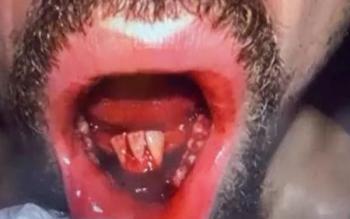
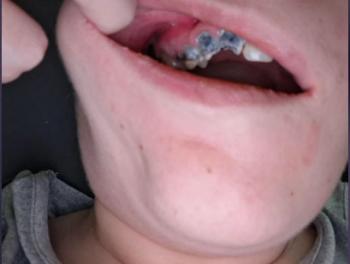
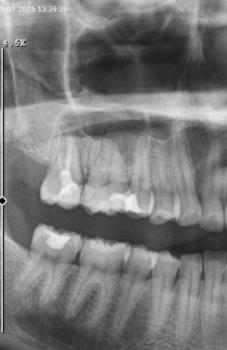
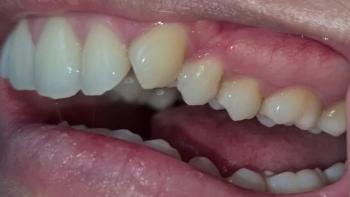
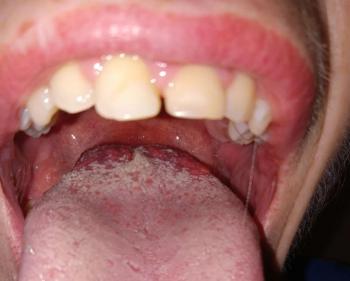
Patients with lower front gum inflammation may also experience tartar buildup, periodontal disease, gum abscesses, or tooth decay. Explore these related clinical case studies.



Other topics:
Other Dental Clinic
 |
 |
 |
 |