Dentures That Feel Natural, Look Beautiful.

Dark Discoloration Near Lower Molar Case Analysis
Image:
Severity:
Teeth Problems:
Dark Discoloration Near Lower Molar and Throat Area Case Analysis
What Is Seen in This Case
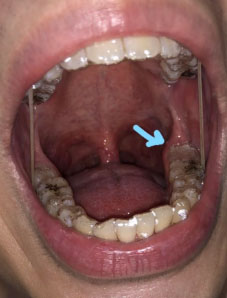
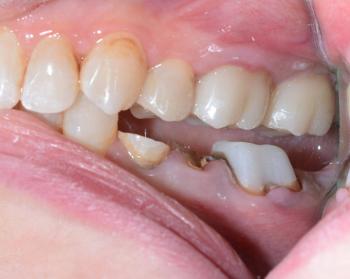
The image shows dark discoloration on the lower back teeth and nearby soft tissue, with the arrow pointing toward the side of the throat and inner cheek area. The lower molars appear heavily stained or decayed, and the surrounding soft tissue looks irritated.
This combination suggests advanced plaque buildup, possible tooth decay, and irritation of nearby oral tissue.
Most Likely Diagnosis
Based on visual examination, the most likely conditions include:
-
Advanced plaque and tartar buildup on lower molars
-
Possible dental caries on back teeth
-
Staining or irritation of soft tissue near the molars
-
Early gum or soft tissue inflammation
-
Risk of bacterial infection spreading to nearby areas
A dental examination and X-ray are required to confirm tooth and bone involvement.
What Causes Dark Discoloration in This Area
Common causes include:
-
Long-term plaque and tartar accumulation
-
Poor oral hygiene around back teeth
-
Smoking or tobacco use
-
Frequent consumption of staining foods or drinks
-
Untreated tooth decay
-
Bacteria irritating nearby soft tissue
Back teeth are harder to clean, making discoloration and decay more likely.
Is This a Serious Problem
This condition can become serious if ignored. If left untreated, it may scale up into:
-
Progressive tooth decay
-
Gum infection or abscess
-
Bad breath that does not improve
-
Pain while chewing
-
Spread of infection to surrounding soft tissue
-
Increased risk of tooth loss
Early treatment helps prevent complications.
Recommended Treatment Process
Initial Assessment (Days 1–3)
-
Dental examination
-
Dental X-ray to check decay depth
-
Evaluation of gum and soft tissue health
Active Treatment Phase (Days 4–7)
Treatment may include:
-
Professional deep cleaning (scaling)
-
Removal of decayed tooth material
-
Dental fillings or further restorative care
-
Treatment of gum or soft tissue inflammation
Healing and Follow-Up Phase (Days 8–14)
-
Reduction in irritation and redness
-
Improvement in oral comfort
-
Planning for long-term oral hygiene maintenance
Expected Healing Time
-
Gum and soft tissue irritation: 5–7 days
-
Recovery after cleaning or minor treatment: up to 14 days
Healing depends on how early treatment begins.
What Happens If Treatment Is Delayed
If delayed beyond 14 days, the condition may worsen and lead to:
-
Severe tooth decay
-
Gum infection or abscess
-
Persistent pain
-
Tooth loss
-
Spread of infection to nearby tissue
-
Higher treatment costs
Home Care While Waiting for Treatment
These steps may help reduce symptoms but do not replace dental care:
-
Brush gently twice daily
-
Floss carefully around back teeth
-
Rinse with warm salt water
-
Avoid smoking and sugary foods
Professional Comment
This case shows significant plaque buildup and possible decay near lower molars, with irritation extending toward nearby soft tissue. Early dental intervention is essential to stop progression and protect both teeth and surrounding oral structures.
Visit a Dental Clinic Near You
For professional evaluation and treatment, visit:
https://cebudentalimplants.com/map-dental-clinic
Related Clinical Cases
Patients with lower front gum inflammation may also experience tartar buildup, periodontal disease, gum abscesses, or tooth decay. Explore these related clinical case studies.
Other topics:
Other Dental Clinic