Your Smile, Our Passion.

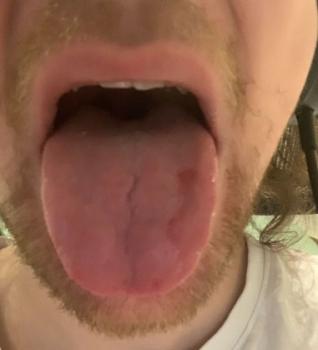
Urgent Clinical Analysis: Acute Periodontal Abscess
Image:
Severity:
Teeth Problems:
Full Analysis and Diagnosis
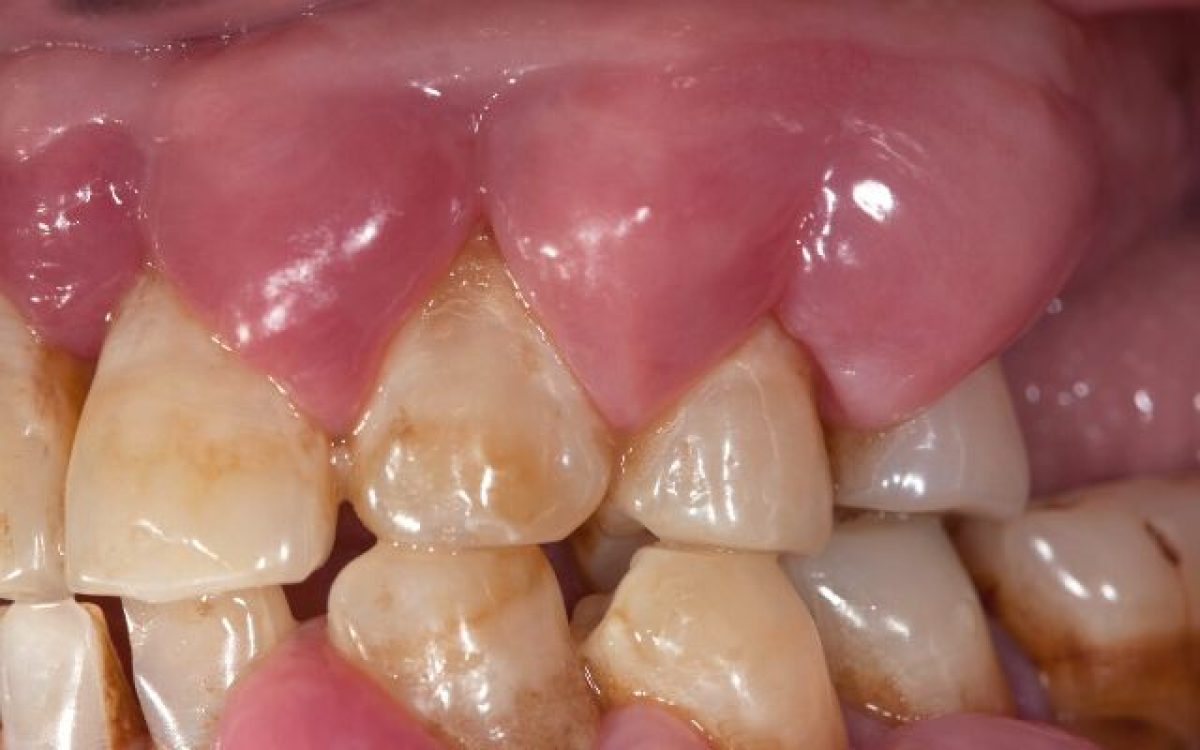
The provided image clearly illustrates an Acute Periodontal Abscess. This is a localized collection of pus (a thick fluid containing dead white blood cells, bacteria, and tissue debris) within the gingival (gum) tissue adjacent to a tooth.
Detailed Examination:
-
Diagnosis: Periodontal Abscess (sometimes called a gum boil).
-
Scale All Teeth: The abscess appears localized to the area of one specific tooth (likely a molar or premolar due to the image angle), but the underlying cause is Periodontitis (gum disease), which often affects multiple teeth. A full examination, including X-rays and periodontal charting (measuring pocket depths), is mandatory to assess all teeth and determine the extent of the generalized disease.
-
Cause: This type of abscess forms when bacteria and debris trapped inside a deep periodontal pocket (the space between the tooth and gum created by advanced gum disease) cannot drain. The infection rapidly progresses, causing the gum tissue to swell and fill with pus.
Process to Execute (Immediate and Definitive Treatment)
The treatment is a two-step process: immediately relieve the pressure/infection, then treat the underlying cause.
-
Phase 1: Emergency Treatment (Drainage and Relief)
-
Incision and Drainage (I&D): The dentist will make a small cut (incision) in the swollen area or insert a probe into the periodontal pocket to allow the pus to drain out. This relieves pressure and provides immediate pain relief.
-
Irrigation/Flushing: The pocket is thoroughly flushed with an antiseptic solution (e.g., saline, chlorhexidine) to clean out the infection.
-
Antibiotics: Oral antibiotics are usually prescribed, especially if there is facial swelling, fever, or swelling of the lymph nodes, to prevent the infection from spreading systemically.
-
-
Phase 2: Definitive Treatment (Treating the Root Cause)
-
Scaling and Root Planing (Deep Cleaning): After the acute symptoms subside, the underlying cause—plaque and calculus in the deep periodontal pocket—must be addressed. This involves a deep cleaning to remove all deposits from the tooth root surface, allowing the gums to re-attach or the pocket to shrink.
-
Surgical Options: If the pocket is extremely deep and bone loss is severe, the patient may require Flap Surgery (pocket reduction surgery) or procedures like Bone Grafting to try and regenerate lost support structure.
-
Time Frame to Heal
-
Immediate Relief (Drainage): Pain and pressure relief are typically felt within hours of the abscess being drained. Swelling significantly decreases within 24 to 48 hours.
-
Soft Tissue Healing: The soft tissue (gum) should heal and return to a healthy appearance within 7 to 14 days following the drainage and commencement of antibiotics/deep cleaning.
-
Underlying Bone/Tissue Healing: Addressing the root cause (Periodontitis) is a chronic process. True periodontal healing, including any gum tightening or bone stabilization, can take weeks to months and requires long-term maintenance.
If it Takes 14 Days (or is delayed)
If the patient delays treatment, or if the abscess is only drained but the underlying cause (deep pocket/calculus) is not treated:
-
Issue that Will Scale Up:
-
Systemic Spread: The most critical risk is that the infection can spread. While rare, it can lead to serious, life-threatening conditions like Ludwig's Angina (infection spreading to the neck/jaw floor) or Sepsis (blood poisoning).
-
Bone Loss and Tooth Loss: The infection will continue to destroy the periodontal ligament and the alveolar bone supporting the tooth. The tooth will become increasingly mobile, leading to its eventual extraction.
-
Recurrence: The abscess is almost certain to return, often worse than before, because the source of the bacteria remains in the untreated deep pocket.
-
Comments
This condition is an urgent warning sign of existing severe gum disease. While antibiotics and drainage are effective for the emergency, they only treat the symptom. The long-term health of the tooth depends entirely on thorough treatment of the underlying periodontitis. The patient must be committed to excellent daily oral hygiene and follow-up with a dental professional (ideally a Periodontist—a gum specialist).
Visit Nearest Location Area
Given the urgent nature of an abscess, you need to find a dental clinic immediately. Please use the provided directory link to search for the nearest available dentist:
Directory Listing: https://cebudentalimplants.com/map-dental-clinic
Related Clinical Cases
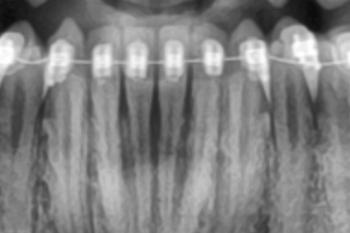
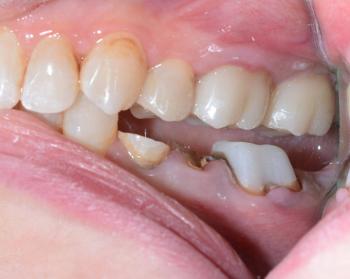
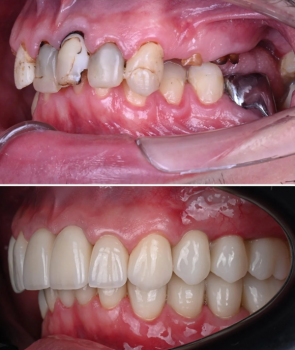
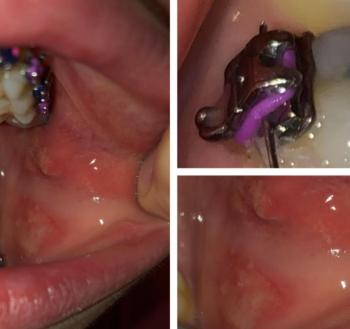
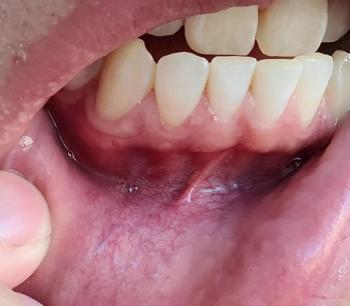
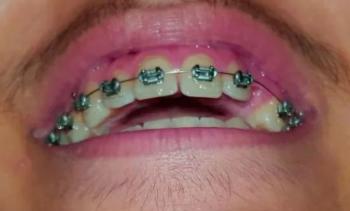
Patients with lower front gum inflammation may also experience tartar buildup, periodontal disease, gum abscesses, or tooth decay. Explore these related clinical case studies.

Other topics:
Other Dental Clinic