Modern Dentistry, Timeless Smiles.

The Singapore Sunshine Gap: How Hidden Vitamin D Deficiency is Causing Gum Disease and Tooth Loss in Busy Adults
Language :
Topics:
The Singapore Sunshine Shortage: How Missing Vitamin D is Hurting the Smiles of Busy Adults
If you're a middle-aged professional in Singapore, juggling work, family, and the relentless pace of city life, a strange new problem might be creeping into your routine: your gums bleed when you brush or floss. You might brush it off as brushing too hard or just "sensitive gums." But for many Singaporeans aged 35 to 50, this common symptom could be a silent signal of a widespread urban health gap: Vitamin D deficiency, and it's directly attacking your oral health.
The Unseen Link: Vitamin D as Your Mouth's Master Regulator
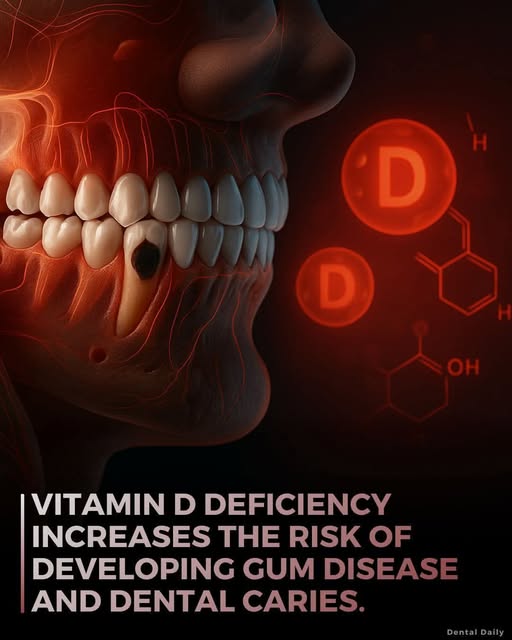
We often think of calcium for strong teeth and bones, but calcium cannot do its job without its essential partner: Vitamin D. This nutrient is far more than a "bone vitamin"; it's a core regulator of your entire oral ecosystem.
Here’s how it works:
-
Builds Strong Foundations: Vitamin D is crucial for absorbing calcium from your diet. Without it, your body cannot properly mineralise your tooth enamel or maintain the jawbone that holds your teeth firmly in place.
-
Boosts Your Oral Immune Army: Your gums are a frontline defense. Vitamin D strengthens this defense by modulating the immune response. It helps control inflammation and equips your body to fight the bacteria that cause gingivitis (gum inflammation) and periodontitis (advanced gum disease).
-
Protects Your Enamel: It supports the production of antimicrobial proteins in saliva, your mouth's natural protective rinse.
When Vitamin D levels drop, this whole system falters. Enamel weakens, gums become inflamed and prone to bleeding, and your risk for cavities and progressive gum disease increases significantly.
A Singapore Story: David's Bleeding Gums
David, a 42-year-old project manager, lived a typical Singaporean life. His days were spent in air-conditioned offices in Raffles Place, and his weekends were often dedicated to his kids' indoor activities or catching up on work. Sun exposure was limited to short walks between buildings.
During a routine check-up at his dentist in Bishan, David mentioned his bleeding gums. His dentist, after a thorough examination, asked an unexpected question: "How much time do you spend in the sun?" The dentist explained that in a sun-rich country like Singapore, indoor lifestyles, sun avoidance, and cultural practices often lead to surprisingly common Vitamin D deficiencies, especially among working adults.
David’s dentist recommended a simple blood test with his GP. The results confirmed a moderate Vitamin D deficiency. The bleeding gums were not just a local irritation; they were a symptom of a systemic issue weakening his oral defenses.
Why Singaporeans are at Risk
Paradoxically, in sunny Singapore, Vitamin D deficiency is a prevalent issue. Key reasons include:
-
Indoor-Centric Lifestyles: Long office hours in air-conditioned environments.
-
Sun Avoidance: Conscious efforts to avoid sun exposure to prevent skin ageing or heat, often using umbrellas and high-SPF sunscreen that blocks Vitamin D synthesis.
-
Dietary Gaps: Limited consumption of Vitamin D-rich foods (fatty fish, egg yolks, fortified milk).
Your Action Plan: Protect Your Smile from the Inside Out
If David's story sounds familiar, it's time to take proactive steps. Managing your Vitamin D is a powerful form of preventive dental care.
Step 1: Assess and Test
Don't guess. If you have persistent gum bleeding, receding gums, or a feeling of loose teeth, discuss a Vitamin D blood test (25-hydroxyvitamin D test) with your doctor. This is the only way to know your status.
Step 2: Smart Sun Exposure
Aim for 10-15 minutes of midday sun exposure on your arms and legs, 2-3 times a week, without sunscreen. This is often enough for your skin to synthesise adequate Vitamin D. Do this safely, avoiding prolonged exposure that leads to burning.
Step 3: Nutrition and Supplementation
-
Food Sources: Increase intake of fatty fish (salmon, sardines, mackerel), egg yolks, and fortified foods.
-
Supplementation: For many adults in Singapore, supplements are necessary. Consult your doctor for the correct dosage (commonly 800-2000 IU/day of Vitamin D3). Do not self-prescribe high doses.
Step 4: Partner with Your Dentist
Inform your dentist about your concerns. They can:
-
Provide a deep cleaning (scaling and root planing) to treat active gum inflammation.
-
Recommend high-fluoride toothpaste or specific mouth rinses to protect weakened enamel.
-
Monitor your gum health closely during follow-up visits.
Bleeding gums are your body's warning light. For middle-aged adults in Singapore, addressing a potential Vitamin D deficiency is not just good general health—it's a direct investment in a stronger, healthier smile that can last a lifetime. Combine optimal Vitamin D levels with consistent brushing, daily flossing, and regular professional cleanings. This holistic approach is your best defense against losing teeth to preventable gum disease.
Looking for dentist : Visit directory list
Related Clinical Cases
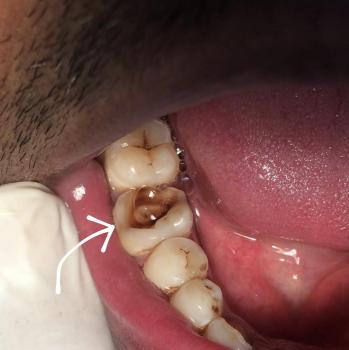
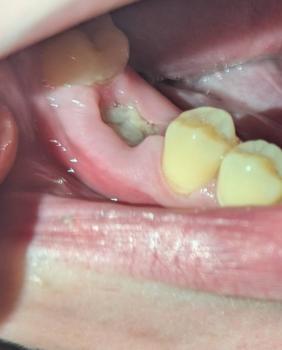
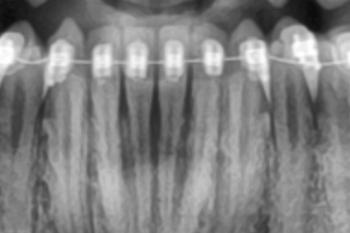
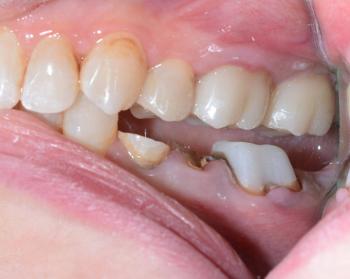
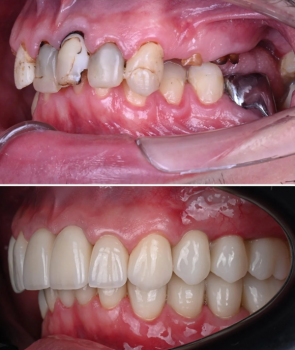
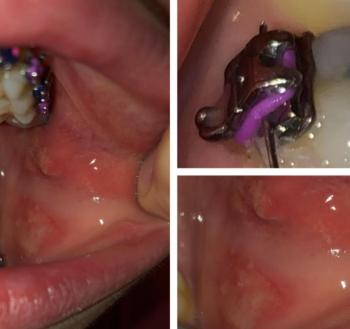
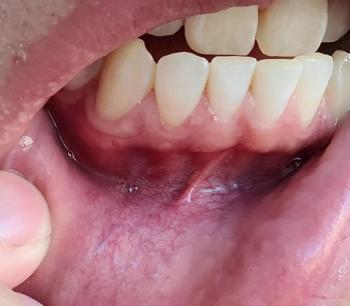
Patients with lower front gum inflammation may also experience tartar buildup, periodontal disease, gum abscesses, or tooth decay. Explore these related clinical case studies.
Other topics:
Other Dental Clinic
 |
 |
 |
 |