From Pain to Perfect — We Care for Your Smile.

Florida Dental Health Warning: Skipping Checkups Leads to Tooth Loss
Image:
Severity:
Teeth Problems:
The Florida Wisdom: Why Skipping Your Dental Visit is a Gamble with More Than Just One Tooth
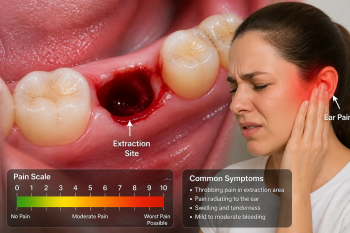
For many Floridians, from the busy streets of Miami to the quiet suburbs of Tampa, a dental visit can easily slip down the priority list. Life gets busy, and a problem-free mouth can create a false sense of security. However, this approach ignores a critical truth: oral health is not static. It's a dynamic system that changes with age, lifestyle, and past procedures. Neglecting it doesn't just pause your dental health—it actively puts it at risk, turning minor issues into gateways for major problems, including the painful and preventable complication known as a dry socket.
The Silent Shift: How Aging Alters Your Oral Landscape
As we age, two silent changes occur that significantly impact our dental resilience, whether we feel them or not:
-
Enamel Decline: The hardest substance in the human body doesn't last forever. Over decades of chewing, exposure to acids, and wear, enamel naturally thins. This makes teeth more susceptible to decay and cracks, especially around old fillings or crowns.
-
Reduced Saliva Flow: Many medications commonly taken by adults and the aging process itself can lead to xerostomia (dry mouth). Saliva is not just moisture; it's a protective rinse that neutralizes acids, washes away food, and contains minerals to repair early enamel damage. Less saliva means a more hostile environment for your teeth.
These changes happen gradually. You won't wake up with suddenly weak teeth, but you are slowly losing your mouth's natural defenses.
Selda's Story: The Educator Who Taught Herself a Hard Lesson
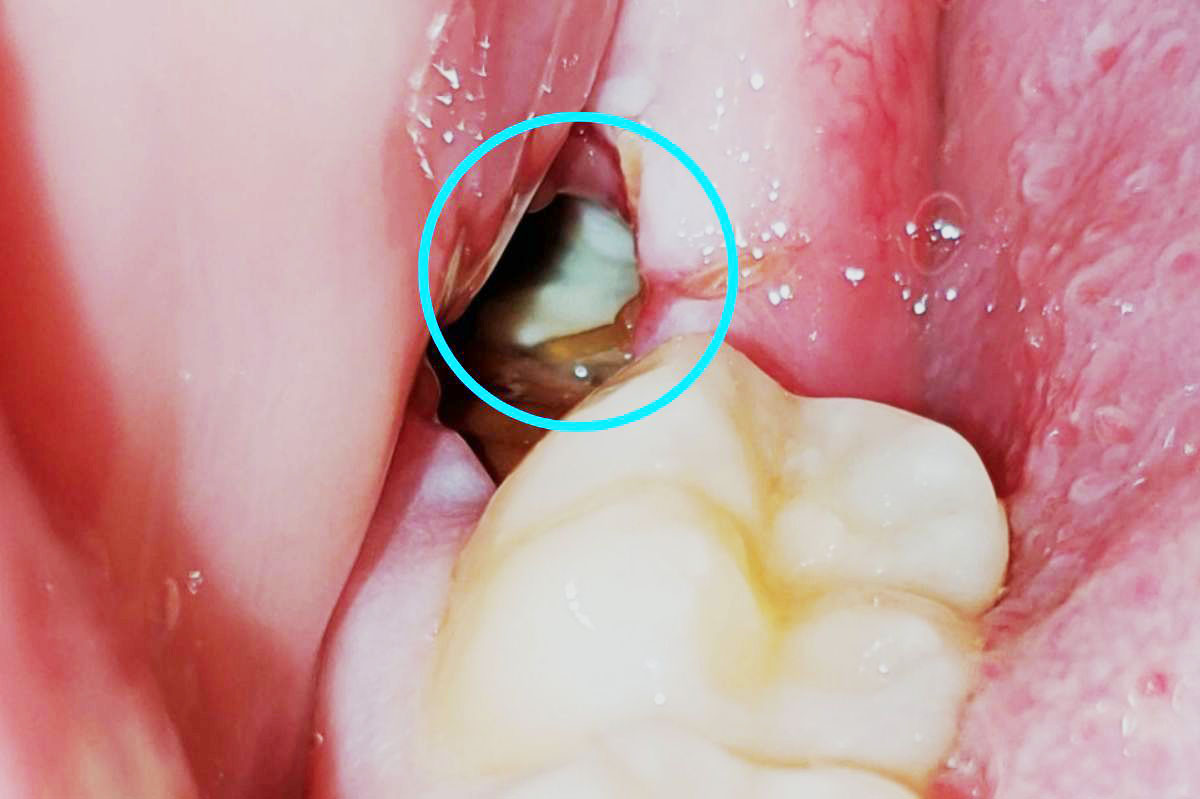
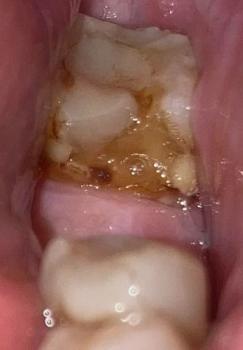
Selda, a dedicated high school teacher in Orlando, was meticulous about her students' schedules but less so about her own health calendar. Five years ago, she had a back molar extracted after a severe crack. The recovery was rough—she developed a painful dry socket, a condition where the protective blood clot dislodges, exposing bone and nerve. Her dentist treated it with a medicated dressing, and the acute pain subsided.
Believing the issue was "fixed," Selda fell out of her six-month check-up habit. Life was busy with grading papers and planning lessons. She didn't notice the subtle changes: her mouth felt a little drier, and the teeth adjacent to the extraction site felt slightly different when she flossed.
Last year, during a routine cleaning she finally scheduled, her dentist in Winter Park found alarming developments. The bone that had supported the extracted tooth had continued to resorb over the years, a natural process that accelerates without a tooth in place. More critically, this bone loss had destabilized the neighboring tooth. Combined with Selda's age-related enamel thinning and reduced saliva, that tooth had developed a deep cavity below the gum line and was now loose. The diagnosis was stark: what could have been a simple filling years prior now required either a complex root canal and crown or, more likely, an extraction.
Selda's story illustrates a devastating chain reaction: One treated dry socket → years of no monitoring → unchecked age-related changes → loss of a second, otherwise healthy tooth.
Why Dry Socket Isn't Just a One-Time Problem
A dry socket is often viewed as a painful but temporary post-extraction complication. However, it can be a critical warning sign and a risk factor for future issues:
-
Indicator of Healing Challenges: Experiencing a dry socket may suggest individual factors (like smoking or specific medications) that could complicate future oral surgeries or healing.
-
Foundation for Future Loss: As in Selda's case, the site of an extraction requires monitoring. The jawbone in that area will change shape. Without regular check-ups, a dentist cannot assess if this bone loss is affecting neighboring teeth or if you need preventive care like a bone graft or special cleaning techniques for the area.
Your Florida Action Plan: Protect Your Smile for the Long Haul
The lesson from Selda and countless others is that dental care is a lifelong investment in preservation. Here is your essential advice:
-
Honor the Six-Month Rule: Even if nothing hurts, schedule and keep your bi-annual dental cleanings and exams. These visits are not just for cleaning; they are for monitoring. Your Florida dentist can track gum recession, check the stability of old work, perform oral cancer screenings, and spot cavities when they are small and cheap to fix.
-
Communicate Your Full History: Always tell your dentist about any past complications, like dry sockets, or changes in your health and medications. This allows for personalized, proactive care.
-
Combat Dry Mouth: If you experience dry mouth, talk to your dentist. Solutions can include prescription fluoride toothpaste, saliva substitutes, specific rinses, and dietary adjustments. Staying hydrated with water (not sugary Florida orange juice or soda) is crucial.
-
See an Extraction as a Beginning, Not an End: If you have a tooth removed, understand that the site needs lifelong attention. Discuss the long-term plan with your dentist, which may include considering a dental implant, bridge, or partial denture to prevent bone loss and protect your remaining teeth.
In the sunny state of Florida, where an active lifestyle is a priority, your oral health is the foundation of your overall well-being. Don't let a past fix or a lack of pain lull you into a false sense of security. Regular care is the only way to ensure that a solved problem stays solved and that your smile stays complete for all the years to come.
Related Clinical Cases
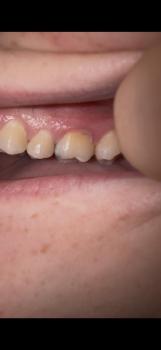
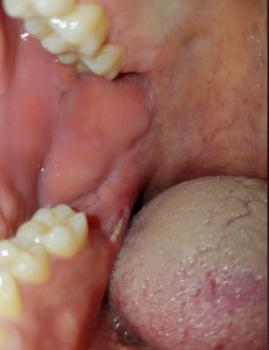
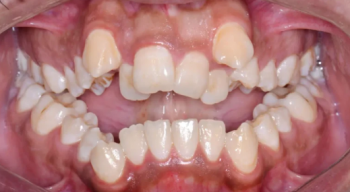
Patients with lower front gum inflammation may also experience tartar buildup, periodontal disease, gum abscesses, or tooth decay. Explore these related clinical case studies.

Other topics:
Other Dental Clinic