Building Confidence One Smile at a Time.

Dentists in Limbo: The Data Problem Behind Philippine Dentistry's Oversupply

Key Statistics and Estimates
-
Annual Graduates vs. New Licenses:
-
Approximately 2,000 to 2,500 students graduate from dental schools in the Philippines each year.
-
The Professional Regulation Commission (PRC) administers licensure exams twice a year. The number of new passers typically ranges between 1,200 and 1,800 annually.
-
This immediately creates a gap where not all graduates become licensed to practice.
-
-
The Oversupply Problem:
-
The Philippine Dental Association (PDA) has repeatedly stated that the country has an oversupply of dentists.
-
The dentist-to-population ratio is favorable on paper (about 1 dentist per 2,000 people; the WHO recommends 1:7,500), but this is heavily skewed towards urban centers like Metro Manila. Rural and remote areas suffer from a severe lack of dental professionals.
-
-
Estimated Unemployment/Underemployment:
-
There is no direct figure for "unemployed dentists," but sector analyses suggest that a significant portion of new and even experienced dentists are underemployed.
-
Many licensed dentists:
-
Wait years to establish or join a private practice due to high competition and setup costs.
-
Work in non-clinical roles (sales for dental companies, academe, administration).
-
Hold part-time or "rental chair" arrangements in clinics, earning only when they have patients.
-
Pursue careers abroad (as an OFW) after additional requirements, or leave the profession entirely.
-
-
The Root Causes
-
Geographic Maldistribution: Jobs are concentrated in cities, but many graduates are from and stay in urban areas, avoiding rural posts.
-
High Cost of Practice: Setting up a private clinic requires a massive investment (equipment, space, materials), which is prohibitive for new graduates.
-
Saturated Urban Market: Competition in cities is intense, making it difficult to build a patient base.
-
Public Sector Limitations: Government positions (e.g., in Rural Health Units) are limited, not always attractive in salary, and often require service in hard-to-reach areas.
Conclusion: The "No Work" Situation
While few licensed dentists are completely "unemployed" in the sense of having zero income, a more accurate description is:
-
Underemployment is widespread. Many dentists are not working in full-time, stable, clinical positions that utilize their full training.
-
It's common for new graduates to spend 1-3 years in a struggling or transitional phase—assisting, working part-time, or studying for further credentials—before securing a stable practice.
In essence, the problem isn't a lack of dental needs in the population, but a mismatch between the distribution of dentists, the opportunities available, and the economic realities of starting a practice. Your job posting, therefore, addresses a real need by offering a structured entry point into the profession for both assistants and front-desk staff, which are crucial support roles in this competitive landscape.
Related Clinical Cases
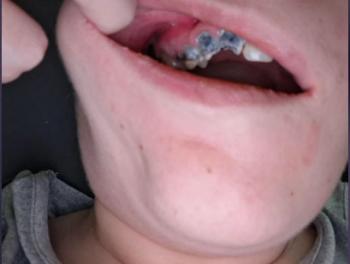
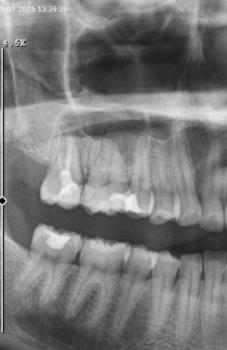
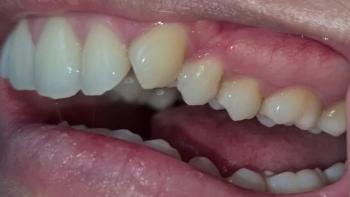
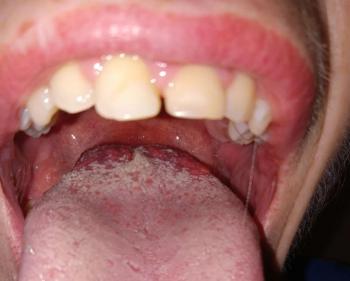
Patients with lower front gum inflammation may also experience tartar buildup, periodontal disease, gum abscesses, or tooth decay. Explore these related clinical case studies.




Other topics:
Other Dental Clinic