Because Every Tooth Deserves Care.

Black Tooth Needs a Root Canal: A Sacramento–Oakland California Dental Case Study (2026 Expert Guide)
Language :
Topics:
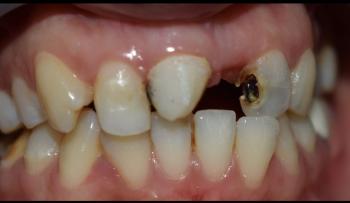
A black tooth is one of the most alarming dental problems a person can experience. Many patients in Sacramento, Oakland, and throughout Northern California first notice a dark gray, brown, or black discoloration in a single tooth and assume it is simply a stain. Unfortunately, a black tooth often signals something much more serious happening deep inside the tooth.
In many cases, a black tooth indicates that the nerve inside the tooth has died or is severely infected. When this occurs, root canal treatment may be the only way to save the natural tooth and prevent extraction.
This guide follows a realistic Sacramento–Oakland dental scenario, explains why teeth turn black, discusses the root canal procedure in detail, analyzes possible treatment outcomes, and explores what can happen if treatment fails or is delayed.
Whether you have recently noticed a dark tooth or are researching treatment options, understanding the condition early can help save your smile and avoid costly complications.
Understanding Why a Tooth Turns Black
A healthy tooth typically appears white or slightly yellow due to the natural color of dentin beneath the enamel.
When a tooth turns black, several factors may be responsible:
Internal Tooth Death
The most common cause is pulp necrosis, meaning the nerve and blood vessels inside the tooth have died.
This often occurs due to:
- Deep decay
- Dental trauma
- Untreated cavities
- Cracked teeth
- Repeated dental procedures
As the nerve tissue decomposes inside the tooth, pigments from blood breakdown products can darken the internal structure.
Severe Tooth Decay
Advanced cavities can destroy large portions of the tooth.
Signs include:
- Black spots
- Holes in the tooth
- Food trapping
- Bad breath
- Sensitivity
When bacteria reach the nerve chamber, infection develops.
Previous Trauma
A tooth injured years earlier may gradually darken.
Many patients in California report:
"I hit my tooth during sports years ago, and now it is turning black."
The tooth may have slowly lost its blood supply after the injury.
Old Dental Restorations
Certain older metal fillings can create a gray or black appearance over time.
Although less common today, these restorations may contribute to discoloration.
Sacramento–Oakland Case Study: The Black Front Tooth
Consider a typical patient scenario.
Patient Background
A 38-year-old Sacramento resident notices that her upper front tooth appears darker than neighboring teeth.
Initially she assumes:
- Coffee stains
- Aging
- Surface discoloration
Over several months the tooth becomes:
- Gray
- Brown
- Nearly black
Additional symptoms develop:
- Mild pressure sensation
- Occasional gum swelling
- Slight bad taste
Concerned about appearance and discomfort, she visits a dental office near Oakland.
Clinical Examination
The dentist performs:
Visual Examination
Findings include:
- Darkened central incisor
- No obvious fracture
- Mild gum inflammation
Percussion Test
Tapping the tooth produces tenderness.
This indicates inflammation around the root tip.
Cold Test
Healthy teeth respond briefly to cold.
The black tooth shows:
- No response
This strongly suggests nerve death.
Digital X-Rays
Radiographs reveal:
- Large infection near root tip
- Bone loss
- Previous trauma damage
Diagnosis:
Necrotic Tooth With Periapical Abscess
Root canal therapy is recommended immediately.
Why Root Canal Treatment Is Necessary
Many patients ask:
"Can't antibiotics fix it?"
The answer is usually no.
The inside of a dead tooth has no blood circulation.
Without blood flow:
- Antibiotics cannot effectively eliminate infection
- Bacteria remain trapped inside root canals
- Infection continues spreading
Root canal treatment physically removes infected tissue.
Anatomy of the Tooth
Understanding root canal treatment starts with understanding tooth anatomy.
A tooth contains three major layers:
Enamel
The hard outer protective layer.
Dentin
The middle structural layer.
Pulp
The innermost chamber containing:
- Nerves
- Blood vessels
- Connective tissue
When bacteria reach the pulp, infection develops.
Signs a Black Tooth May Need a Root Canal
Common symptoms include:
Tooth Discoloration
Gray, brown, or black appearance.
Persistent Pain
Pain may be:
- Sharp
- Dull
- Throbbing
Sensitivity
Hot or cold discomfort.
Gum Swelling
Localized swelling near the affected tooth.
Pimple on the Gum
A dental abscess may drain through the gum.
Bad Taste
Infection drainage can produce unpleasant flavors.
Facial Swelling
Advanced infections may spread beyond the tooth.
The Root Canal Procedure Step by Step
Modern root canal treatment is significantly more comfortable than many people expect.
Step 1: Local Anesthesia
The dentist numbs the area thoroughly.
Patients often report:
"The procedure was easier than the toothache."
Pain control is highly effective with modern anesthetics.
Step 2: Isolation
A rubber dam is placed around the tooth.
Benefits include:
- Keeps bacteria away
- Maintains a dry environment
- Improves treatment accuracy
Step 3: Access Opening
A small opening is created in the tooth.
This allows access to:
- Pulp chamber
- Root canals
Step 4: Removal of Dead Tissue
Specialized instruments remove:
- Dead nerve tissue
- Bacteria
- Debris
This stage eliminates the source of infection.
Step 5: Canal Shaping
Tiny files shape the canals.
Modern technology may include:
- Rotary instruments
- Digital measurement systems
- Magnification
This improves cleaning precision.
Step 6: Irrigation
Powerful disinfecting solutions flush the canals.
Common irrigants include:
- Sodium hypochlorite
- EDTA solutions
These dissolve bacteria and infected tissue.
Step 7: Filling the Canals
After cleaning, canals are sealed.
Materials include:
- Gutta-percha
- Dental sealer
The goal is preventing future bacterial invasion.
Step 8: Temporary Restoration
A temporary filling protects the tooth.
Patients return for permanent restoration.
Why a Crown Is Often Needed
Root canal treatment removes infection but does not strengthen the tooth.
Many root canal-treated teeth become:
- Brittle
- Weak
- More prone to fracture
A crown provides:
- Protection
- Strength
- Long-term durability
For molars especially, crowns are frequently recommended.
Can a Black Tooth Become White Again?
Many patients ask:
"Will the black color disappear after the root canal?"
Not always.
The infection is removed, but discoloration may remain.
Treatment options include:
Internal Bleaching
Whitening material is placed inside the tooth.
Veneers
Porcelain shells improve appearance.
Dental Crowns
Provide complete cosmetic coverage.
What Happens If Treatment Is Delayed?
Ignoring a black tooth can lead to severe consequences.
Increasing Infection
Bacteria continue multiplying.
The infection grows larger over time.
Bone Destruction
The jawbone around the root begins dissolving.
X-rays often show expanding dark areas.
Facial Swelling
Serious infections may spread into:
- Cheeks
- Jaw
- Neck
This can become a medical emergency.
Tooth Loss
Eventually the tooth may become impossible to save.
Extraction becomes necessary.
When Root Canal Treatment Fails
Although modern root canal therapy has a high success rate, failures occasionally occur.
Understanding possible failure scenarios helps patients recognize warning signs.
Scenario 1: Missed Canal
Some teeth contain hidden canals.
If a canal remains untreated:
- Bacteria survive
- Infection continues
Symptoms may return months or years later.
Scenario 2: Reinfection
A damaged filling or crown may allow bacteria to re-enter.
Causes include:
- Cracks
- Leakage
- Broken restorations
Scenario 3: Vertical Root Fracture
A crack extending down the root may prevent healing.
Unfortunately:
- Root fractures often require extraction
Scenario 4: Persistent Infection
Some infections resist treatment despite proper care.
Specialized retreatment may be needed.
Symptoms of a Failed Root Canal
Watch for:
Returning Pain
Persistent discomfort after healing.
Swelling
Gum or facial swelling.
Gum Boil
Small pimple-like drainage site.
Sensitivity to Pressure
Pain while chewing.
Bad Taste
Recurring infection drainage.
These symptoms warrant immediate dental evaluation.
Root Canal Retreatment
Sometimes a failed root canal can still be saved.
The dentist may:
- Remove old filling materials
- Reclean canals
- Disinfect infection
- Refill canals
Many retreatment cases succeed.
Apicoectomy: The Surgical Option
If conventional retreatment fails, surgery may help.
An apicoectomy involves:
- Accessing root tip through gum tissue
- Removing infected tissue
- Sealing root end
This procedure can save teeth otherwise destined for extraction.
When Extraction Becomes Necessary
Not every black tooth can be saved.
Extraction may be recommended when:
- Root fracture exists
- Severe bone loss occurs
- Tooth structure is inadequate
- Infection is uncontrollable
Dentists evaluate each case individually.
Tooth Replacement Options After Extraction
If extraction becomes necessary, replacement options include:
Dental Implant
Often considered the gold standard.
Benefits:
- Natural appearance
- Bone preservation
- Long lifespan
Dental Bridge
A bridge fills the missing space.
Advantages include:
- Faster treatment
- Lower initial cost
Partial Denture
Removable replacement option.
Suitable for certain situations.
Advanced Technology Used in California Root Canal Treatment
Modern dental offices in Sacramento and Oakland increasingly use:
CBCT Scans
Three-dimensional imaging.
Benefits:
- Better diagnosis
- Hidden canal detection
- Surgical planning
Dental Microscopes
High magnification improves visibility.
Advantages include:
- Greater precision
- Better cleaning
- Improved success rates
Digital Radiography
Provides:
- Lower radiation
- Faster imaging
- Enhanced diagnostic quality
Recovery After a Root Canal
Most patients recover smoothly.
Common experiences include:
Mild Tenderness
Lasts several days.
Chewing Sensitivity
Usually temporary.
Improved Comfort
Pain often decreases significantly within 24–72 hours.
Post-Treatment Instructions
Patients should:
Avoid Hard Foods
Especially until permanent restoration.
Maintain Oral Hygiene
Continue brushing and flossing.
Attend Follow-Up Visits
Monitoring healing is important.
Wear Night Guards
If teeth grinding occurs.
Preventing Future Root Canal Problems
Many root canals can be avoided through preventive care.
Routine Dental Exams
Regular examinations detect problems early.
Professional Cleanings
Reduce decay and gum disease risk.
Early Cavity Treatment
Small cavities are easier and less expensive to repair.
Mouthguards for Sports
Protect against traumatic injuries.
Address Teeth Grinding
Night guards reduce stress on teeth.
Comparing Treatment Outcomes
| Situation | Likely Outcome |
|---|---|
| Early Root Canal | Excellent prognosis |
| Delayed Treatment | Larger infection |
| Root Canal + Crown | Strong long-term success |
| Failed Root Canal Retreated | Often successful |
| Untreated Black Tooth | High risk of tooth loss |
| Extraction + Implant | Excellent replacement option |
Expert Dental Analysis
From a clinical perspective, a black tooth should never be ignored.
The discoloration often represents internal changes that have been developing for months or even years. In Sacramento and Oakland dental practices, many black tooth cases are diagnosed as pulp necrosis with associated infection.
The earlier treatment begins:
- The easier the procedure
- The greater the chance of saving the tooth
- The lower the treatment cost
- The lower the risk of complications
Once infection spreads into surrounding bone, treatment becomes more complex and expensive.
A root canal performed before extensive destruction occurs can preserve a natural tooth for many years or even decades.
Frequently Asked Questions
Is a black tooth always dead?
No. Some discoloration may result from stains or old fillings. However, a black tooth should always be professionally evaluated.
Does a black tooth mean infection?
Not always, but infection is one of the most common causes.
Is a root canal painful?
Modern root canal procedures are generally comfortable and performed under local anesthesia.
Can antibiotics cure a dead tooth?
Usually no. Root canal treatment is necessary to remove infected tissue.
How long does a root canal last?
With proper care and restoration, many root canal-treated teeth last decades.
Can a black tooth become white again?
Often yes through internal bleaching, veneers, or crowns.
What if I ignore a black tooth?
The infection may worsen, causing pain, swelling, bone loss, and eventual tooth loss.
A black tooth is often much more than a cosmetic concern. In many Sacramento and Oakland dental cases, it serves as a warning sign that the tooth's nerve has died and infection is developing beneath the surface. Root canal treatment remains one of the most effective methods for preserving a natural tooth while eliminating pain and infection.
When diagnosed early, a root canal can save the tooth, protect surrounding bone, and restore normal function. However, delaying treatment increases the risk of abscess formation, bone destruction, treatment failure, and eventual extraction.
If you notice a tooth turning gray, brown, or black, seek immediate professional evaluation. Early diagnosis, modern imaging, proper root canal therapy, and a well-designed final restoration can often transform a severely compromised tooth into a healthy, functional part of your smile for many years to come.
Can tooth extraction cause infection? Mild inflammation is normal, but increasing swelling, fever, or severe pain may indicate infection. Learn more about post-extraction infection warning signs in this detailed guide.
Book a consultation with our Cebu dental specialists for proper evaluation and care.
Ready to get expert guidance?
If you’re experiencing severe pain or delayed healing, book a consultation with our Cebu dental specialists to get proper evaluation and care.
Consultation or contact page .
Book a Consultation
For severe discomfort or delayed healing, book a consultation with our Cebu dental specialists today.
Looking for a dentist? Browse our Cebu dental directory to find trusted clinics near you.
Medical Review and Clinical Basis
This article is based on clinical dental guidelines and real patient recovery patterns observed after tooth extraction procedures. The information reflects common post-extraction healing stages, including normal clot formation, gum tissue repair, and signs of possible complications such as dry socket or infection.
While mild discomfort is expected after a dental extraction, worsening pain after Day 3, bad odor, exposed bone, or spreading pain may require professional evaluation. These symptoms are consistent with known post-extraction complications described in standard dental practice.
About Cebu Dental Implants
Cebu Dental Implants provides comprehensive tooth extraction, surgical procedures, and dental implant services in the Philippines. Our team evaluates post-extraction healing, manages complications such as dry socket, and advises patients on proper aftercare to prevent infection and delayed healing.
If you experience severe pain or unusual symptoms after extraction, early professional assessment is recommended to prevent further complications.
Important Medical Disclaimer
This content is for educational purposes only and does not replace professional dental diagnosis. Every patient heals differently. If symptoms worsen or do not improve within a few days, consult a licensed dentist for proper evaluation and treatment.
Author
This article was prepared by the Cebu Dental Implants content team in consultation with licensed dental professionals experienced in tooth extraction and implant procedures.
Related Clinical Cases
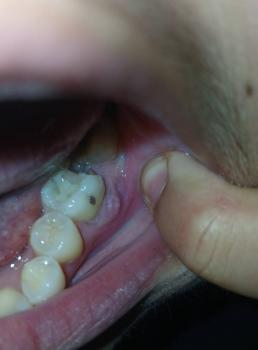
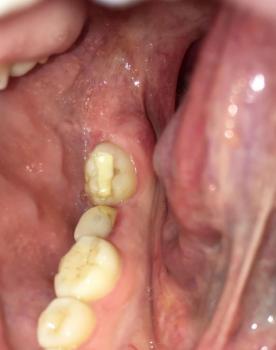
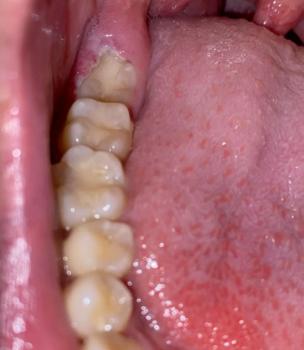
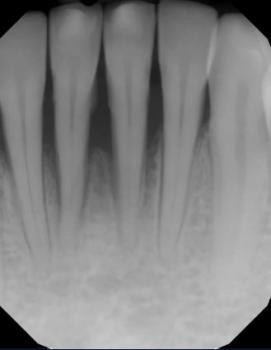
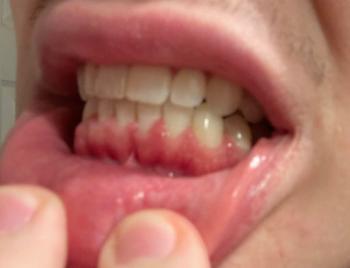
Patients with lower front gum inflammation may also experience tartar buildup, periodontal disease, gum abscesses, or tooth decay. Explore these related clinical case studies.

Other topics:
Other Dental Clinic