From Pain to Perfect — We Care for Your Smile.

The Ache of Loss: How Grief Can Hurt Your Teeth and Gums
Language :

Topics:
Grief is a universal human experience, a deep and personal anguish that follows loss. We expect it to weigh heavily on our hearts and minds, but we are often surprised when it manifests as physical pain. That knot in your stomach, the tension in your shoulders, the overwhelming fatigue—these are all recognized, albeit difficult, parts of the grieving process.
But what about the dull ache in your jaw when you wake up? Or the sudden sensitivity in a tooth that was never a problem before? You might be surprised to learn that your mouth, particularly your teeth and gums, can become a silent, painful canvas for your emotional distress.
The connection isn't just anecdotal. A growing body of research is drawing clear lines between intense emotional states like grief and a decline in oral health. Here’s how your body translates heartache into toothache.
The Physiology of Stress: Your Body's Alarm System
Grief is a profound form of psychological stress. When you're grieving, your body enters a state of "fight or flight," releasing a cascade of hormones like cortisol and adrenaline. This is helpful in short bursts, but chronic stress keeps these levels elevated, which can wreak havoc on your entire body, including your mouth.
-
Neglect of Oral Hygiene: This is the most direct link. When you're consumed by grief, the energy for daily routines can vanish. Brushing and flossing can feel like monumental tasks. This lapse in hygiene allows plaque to build up rapidly, leading to cavities, inflamed gums (gingivitis), and if left unchecked, advanced gum disease (periodontitis).
-
Teeth Grinding and Clenching (Bruxism): Stress and grief are major triggers for bruxism, often during sleep (nocturnal bruxism) or subconsciously during the day. This constant pressure can:
-
Wear down tooth enamel, leading to sensitivity and pain.
-
Cause chips, cracks, or fractures in teeth.
-
Strain jaw muscles, leading to temporomandibular joint disorder (TMJ), which causes pain in the jaw, face, and even ears.
-
Contribute to headaches upon waking.
-
-
Dry Mouth (Xerostomia): Stress can alter your salivary flow. Furthermore, many people experiencing grief may be prescribed medications for anxiety or depression, a common side effect of which is dry mouth. Saliva is crucial for neutralizing acids and washing away food particles. Without it, your risk for tooth decay and gum disease skyrockets.
-
Lowered Immune Response: Elevated cortisol levels suppress your immune system. This makes it harder for your body to fight off the bacteria that cause gum infections. If you have pre-existing gingivitis, grief and stress can accelerate its progression to full-blown periodontitis.
-
Dietary Changes: Grief can lead to poor nutritional choices—reaching for sugary comfort foods or forgetting to eat and drink altogether. Both extremes create an environment in which harmful oral bacteria thrive.
The Smile That Disappeared With the Ocean
There was once a beautiful family who seemed to have everything a person could wish for.
The father was a highly respected senior maritime officer, a man who had spent most of his life sailing across oceans. Through years of discipline, courage, and sacrifice, he had risen to one of the highest ranks in his profession. His uniform carried the marks of his achievements, but his greatest pride was not his rank, his salary, or the ships he commanded.
It was his family.
His wife was the heart of their home, and their children were the reason he continued to cross dangerous waters. Every time he departed, he promised them the same thing.
"I will come home. Just wait for me."
His wife would smile, hiding the sadness behind her eyes. She knew the sea could be unpredictable, but she trusted her husband's experience and the strength of his character.
Before every voyage, they gathered around the dinner table. They laughed, shared stories, and took photographs. Their home was filled with ordinary happiness: warm meals, playful conversations, and the sound of children calling their father.
Nobody imagined that one day, those familiar sounds would disappear.
Chapter 1: The Call That Changed Everything
One morning, while the family was preparing for another ordinary day, the telephone rang.
The voice on the other end was hesitant. There had been an incident at sea. Her husband was missing.
At first, his wife refused to understand the words.
"Missing? What do you mean, missing? He knows that ocean. He is an experienced officer. He will find his way back."
She asked questions, one after another, desperately searching for a sentence that would restore her world.
But the answers brought no comfort.
Search operations continued. Days passed. The ocean remained vast and silent.
She kept his clothes in the closet. His favorite cup stayed in the kitchen. Sometimes, she caught herself preparing to tell him something that had happened during the day.
Then she remembered.
He was not there.
And nobody could tell her when—or whether—he would return.
Chapter 2: When Grief Enters the Body
At first, the widow cried until she had no tears left.
Then came the nights when she could not sleep. She replayed their final conversation, wondering whether she should have said something different, held him longer, or asked him to stay home for one more voyage.
Her chest felt heavy. Her jaw remained tightly clenched even while she slept. Sometimes, she woke with aching teeth and sore muscles around her face.
She began to notice that her gums bled when she brushed her teeth. Her mouth felt dry, and a dull ache seemed to travel from one side of her jaw to the other.
She wondered whether grief was slowly destroying her body.
Her dentist explained that prolonged emotional distress can affect oral health in several ways. Stress may lead to jaw clenching or nighttime teeth grinding, known as bruxism. It can also contribute to dry mouth, disrupt sleep, and make it harder to maintain regular brushing, flossing, and dental visits.
Grief itself does not automatically cause gum disease or tooth decay. However, the habits and physical changes that accompany grief can contribute to dental problems.
The dentist gently reminded her that she did not have to endure the pain alone.
Her teeth needed care, but so did her heart.
Chapter 3: The Teeth That Carry Silent Pain
As the weeks passed, the widow discovered that emotional pain could affect the way she cared for herself.
Some mornings, she had no appetite. On other days, she ate sweets simply to feel a little comfort. She sometimes forgot to brush before bed because exhaustion overtook her.
Her jaw hurt when she woke up. Her teeth occasionally felt sensitive, especially when she drank something cold. She began avoiding the mirror because her smile reminded her of the life she had lost.
But her dentist helped her understand the warning signs.
-
Jaw pain and aching teeth: These can occur with stress-related clenching or grinding, although dental disease and other conditions must also be considered.
-
Bleeding or swollen gums: These may indicate gingivitis or another gum problem, rather than grief itself.
-
Dry mouth: Stress, dehydration, and some medications may reduce saliva, increasing discomfort and the risk of cavities.
-
Tooth sensitivity: Worn enamel, gum recession, cavities, or exposed tooth roots can cause sensitivity.
-
Neglected dental care: Emotional exhaustion can make everyday routines difficult, allowing existing dental problems to worsen.
Her dentist told her, "You don't have to force yourself to smile today. But please don't forget to take care of the person who is still here."
For the first time in months, she felt someone understood that her physical pain and emotional suffering were connected, even if they were not the same thing.
Chapter 4: A Family Learns to Breathe Again
Her children were grieving too.
They missed their father's voice, his jokes, and the way he would call them before bedtime from distant ports. Sometimes, they would gather around his photograph and talk to him as though he could hear every word.
The widow realized that her children were watching her—not because she had to be strong every moment, but because they needed to know that it was possible to continue living after a terrible loss.
So she began with small things.
She prepared breakfast again. She took short walks. She returned to her dental appointments. She brushed gently twice a day with fluoride toothpaste and cleaned between her teeth. She asked her dentist about her jaw pain and the bleeding in her gums rather than assuming every symptom was caused by grief.
Some evenings, she still cried.
Some mornings, she still reached for the telephone before remembering that her husband would not answer.
Healing did not mean forgetting him. It meant learning to carry his memory without abandoning herself.
One afternoon, her youngest child found an old family photograph. In it, the father stood between his wife and children, his arms wrapped around them, smiling beneath the golden light of a setting sun.
"Mom, do you think Dad would want us to be happy again?"
She held the photograph close to her heart.
"I think he would want us to take care of one another," she whispered. "And to keep living."
For the first time in a long while, she smiled—not because the pain had disappeared, but because love remained.
Chapter 5: The Smile That Survived
The ocean never returned the certainty she desperately wanted. Her husband remained missing, and the family had to live with questions that might never be answered.
But slowly, the widow learned that grief was not a failure of strength. It was the cost of loving someone deeply.
She began to understand that taking care of her teeth was not a betrayal of her sadness. It was one small way of caring for herself while she learned to live with it.
Her smile was different now. It carried sorrow, gratitude, and memories of a man who had crossed oceans for the people he loved.
And whenever she looked at her children, she remembered the truth her husband had left behind:
A family is not made beautiful because it never suffers.
A family is beautiful because, even when the sea takes someone they love, they continue to hold one another through the storm.
The message behind the story
Grief can hurt your teeth and gums indirectly, but grief is not a dental diagnosis. Emotional distress may contribute to teeth grinding, jaw tension, dry mouth, and disrupted oral-care habits. Bleeding gums, persistent toothache, swelling, or sensitivity deserve a dental examination because they may have treatable physical causes.
If someone is grieving, small acts of care can help:
-
Brush twice daily with fluoride toothpaste and clean between teeth daily.
-
Drink water regularly and limit frequent sugary snacks and drinks.
-
Ask a dentist about jaw pain, tooth grinding, or bleeding gums.
-
Seek support from trusted family members, a grief counselor, or a mental health professional when the sadness becomes overwhelming.
Facial swelling, fever with dental pain, or difficulty swallowing or breathing needs urgent medical attention.
Final thought: Sometimes, the person who appears to have lost their smile has not stopped loving life. They are simply learning how to live in a world where someone they love is no longer beside them.
What the Research Says
The link is more than just theoretical. Numerous studies have established this connection:
-
A 2018 study in the Journal of Clinical Periodontology found that people with higher levels of psychological stress had significantly worse outcomes for periodontitis.
-
Research published in the Journal of Oral Rehabilitation has consistently shown a strong correlation between stress, anxiety, and sleep bruxism.
-
The Journal of Periodontal Research has published reviews confirming that stress is a significant risk factor for the development and progression of periodontal disease, largely due to immunosuppression and behavioral changes.
What You Can Do About It
If you are navigating a period of grief, be kind to yourself. Acknowledging the physical symptoms is the first step toward managing them.
-
Prioritize Gentle Routine: Don't beat yourself up for missing a brushing. Instead, try to see oral hygiene as a small, manageable act of self-care. Even a quick, gentle brush is better than nothing. Keep a toothbrush by your bed for those days when getting to the sink feels impossible.
-
Stay Hydrated: Drink plenty of water. This helps combat dry mouth and is generally beneficial for your overall well-being.
-
Be Mindful of Your Jaw: Pay attention throughout the day. Are you clenching your jaw? Try to keep your lips together but your teeth apart. Placing the tip of your tongue between your teeth can help train your jaw muscles to relax.
-
Talk to Your Dentist: This is crucial. Be honest about what you're going through. Your dentist can:
-
Examine your mouth for signs of bruxism and may recommend a custom night guard to protect your teeth while you sleep.
-
Identify early signs of decay or gum disease and treat them simply before they become major issues.
-
Provide advice tailored to your specific symptoms.
-
-
Seek Emotional Support: Caring for your mental health is caring for your oral health. Talk to a therapist, a grief counselor, a support group, or trusted friends and family. Processing your emotions will, in time, help alleviate the physical stress on your body.
Grief hurts. It’s supposed to. But by understanding how that emotional pain can manifest physically, you can take small, compassionate steps to protect your oral health during one of life's most challenging times. Your mind and your mouth will thank you for it.
Disclaimer: This blog post is for informational purposes only and is not intended to be a substitute for professional medical advice, diagnosis, or treatment. Always seek the advice of your dentist, physician, or other qualified health provider with any questions you may have regarding a medical condition.
Further Reading & Research Links:
-
American Psychological Association - Stress Effects on the Body
-
Journal of Clinical Periodontology - Stress and Periodontitis (2018 Study Abstract)
#Grief #OralHealth #Stress #TeethGrinding #GumDisease #DentalResearch #MentalHealth
Looking for dentist : Visit directory list
Related Clinical Cases
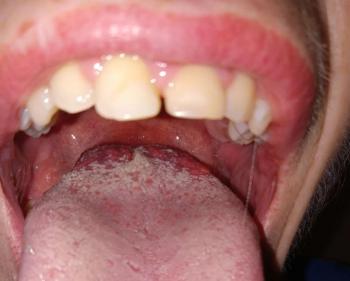
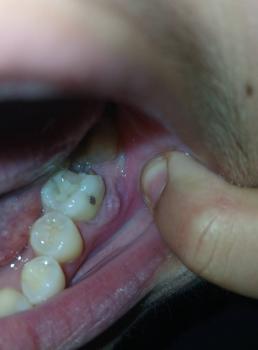
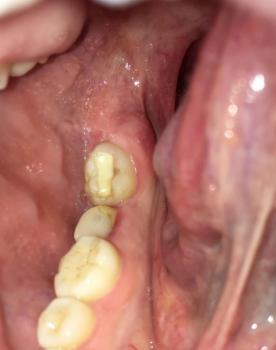
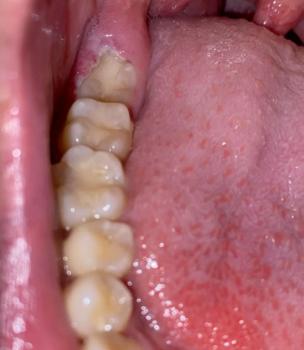
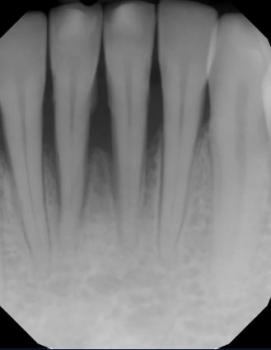
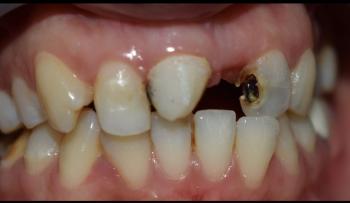
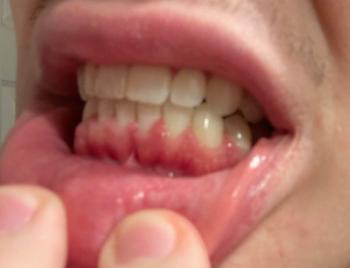
Patients with lower front gum inflammation may also experience tartar buildup, periodontal disease, gum abscesses, or tooth decay. Explore these related clinical case studies.

Other topics:
Other Dental Clinic
 |
 |
 |
 |