Healthy Teeth, Happy Life.

Upper Denture Attachment Exposure - Dental Case Analysis
Image:
Severity:
Teeth Problems:
Dental Case Analysis – Upper Denture Attachment or Screw Exposure
Case Overview
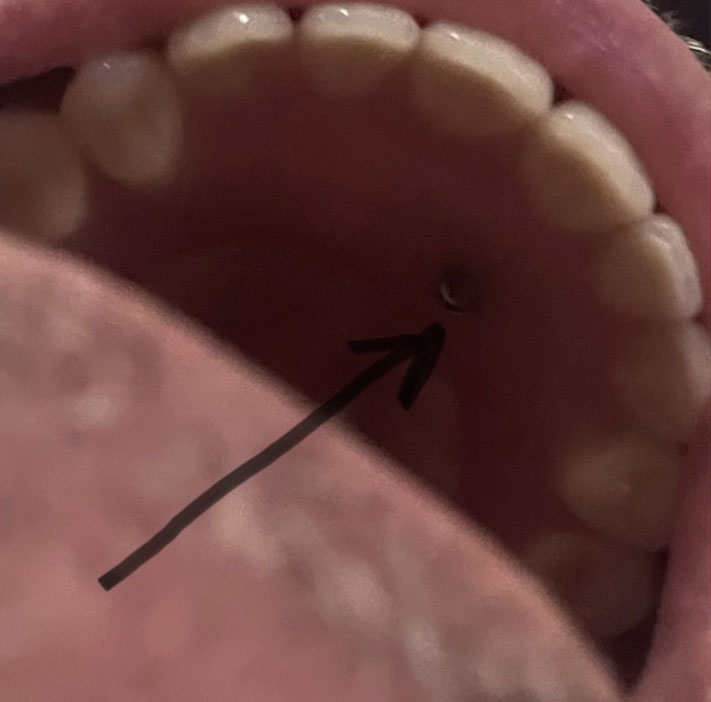
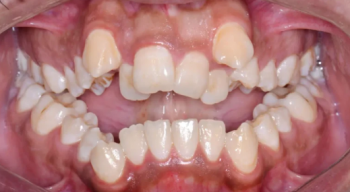
This intra-oral image shows the upper arch with a visible small metallic component located on the palatal side, indicated by an arrow. The appearance is consistent with a denture or implant-retained prosthesis attachment, such as a screw head or retention component, that may be exposed, loosened, or improperly seated.
Scale All Teeth
-
Upper anterior teeth visible
-
Teeth appear aligned and intact
-
Prosthetic appliance present
-
Primary concern is prosthetic hardware, not natural tooth structure
Full Analysis and Diagnosis
Clinical Findings
-
Small metallic component visible on the palate
-
Located beneath a removable or fixed prosthesis
-
Surrounding soft tissue appears mildly irritated
-
No obvious bleeding or ulceration in this image
Interpretation
-
Finding is suggestive of a loose denture screw or exposed attachment
-
May be associated with:
-
Implant-retained denture
-
Fixed hybrid prosthesis
-
Temporary prosthetic component
-
-
Exposure may indicate prosthesis movement or incomplete seating
Probable Diagnosis
-
Prosthetic attachment exposure
-
Possible loosening of denture or implant screw
-
Soft-tissue irritation secondary to hardware contact
(Clinical confirmation required.)
Deep Examination
Prosthetic Assessment
-
Check stability of denture or fixed prosthesis
-
Assess screw torque and seating
-
Inspect for prosthetic wear or fracture
-
Evaluate fit against soft tissue
Soft Tissue Assessment
-
Mild irritation possible at contact point
-
Risk of ulceration if friction continues
-
No signs of acute infection visible
Time Frame to Heal
With Proper Adjustment
-
Immediate comfort improvement: 1–3 days
-
Soft tissue recovery: 5–10 days
-
Full stabilization after adjustment: within 1 week
Without Intervention
-
Progressive gum irritation
-
Ulcer formation
-
Increased risk of infection
-
Prosthesis instability
-
Possible damage to implant components
Process to Execute (14-Day Window)
Days 1–3
-
Clinical evaluation of prosthesis
-
Confirm type of attachment
-
Tighten or reposition screw if needed
Days 4–7
-
Adjust prosthetic fit
-
Smooth or cover exposed hardware
-
Monitor soft tissue response
Days 8–14
-
Follow-up check
-
Confirm comfort and stability
-
Long-term maintenance planning
Issues That Will Scale Up If Untreated
-
Chronic gum irritation
-
Soft tissue ulceration
-
Prosthesis loosening
-
Implant component damage
-
Increased repair costs
-
Possible implant failure in severe cases
Clinical Comments
Exposed or loose prosthetic components should be addressed promptly. While not always painful initially, continued friction can lead to soft tissue injury and prosthetic failure. Early adjustment usually resolves the issue quickly.
Find a Dental Clinic Near You
Search for a qualified dental clinic using our directory:
https://cebudentalimplants.com/map-dental-clinic
Related Clinical Cases
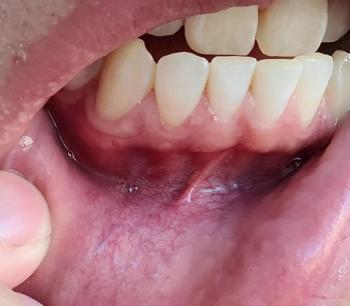
Patients with lower front gum inflammation may also experience tartar buildup, periodontal disease, gum abscesses, or tooth decay. Explore these related clinical case studies.


Other topics:
Other Dental Clinic