We Bring Back the Sparkle in Your Smile.

Toronto’s Best Kept Secret for a Confident Smile: Unveiling the Power of Porcelain Crowns
Image:
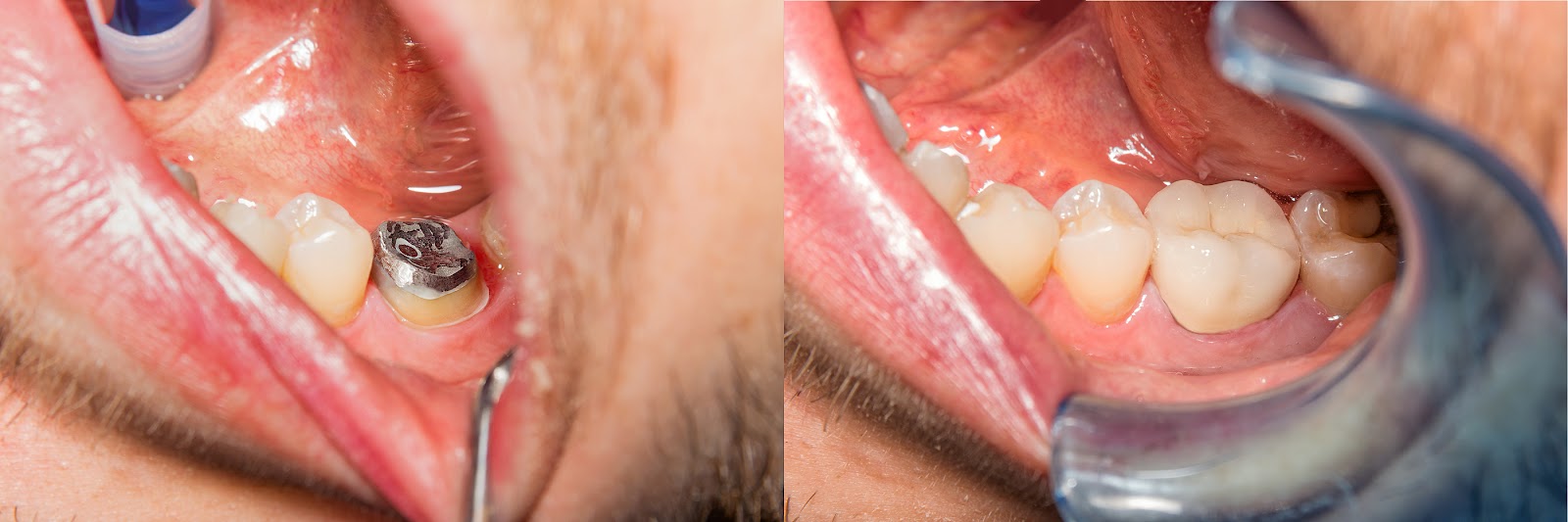
Severity:
Teeth Problems:
Smile Transformation: How Porcelain Crowns Became This Toronto Professional’s Best Investment
For Jonas, a sharp presentation was key to closing deals. A successful year in his Toronto-based consulting business meant he was financially ready to invest in himself. But a chipped front tooth from an old sports injury had long been a source of self-consciousness, holding back his smile in both boardrooms and social settings.
He knew he needed a permanent solution, one that was as durable as it was discreet. After extensive research, he booked a consultation at a trusted Toronto clinic to explore porcelain crowns—a decision that would change more than just his smile.
Why Porcelain? The Smart Choice for a Natural Smile
Jonas’s dentist explained that a crown acts like a custom-fitted “cap” that completely covers a damaged tooth, restoring its shape, strength, and appearance
. Among the options, all-porcelain crowns stood out as the gold standard for his needs
The benefits were clear:
-
Unmatched Aesthetics: Porcelain has a translucent, glass-like quality that mimics natural tooth enamel, making it virtually indistinguishable from the rest of your smile
-
. For a front tooth, this was Jonas’s top priority.
-
Biocompatible & Safe: With no metal, porcelain crowns are an excellent choice for patients with sensitivities and eliminate the risk of a dark gum line.
-
Durability Meets Function: Modern porcelain and advanced ceramics like zirconia are strong enough to withstand daily biting and chewing, with a typical lifespan of 10 to 15 years or more with proper care.
The dentist clarified that while “porcelain” and “ceramic” are often used interchangeably, there are nuances. True porcelain is prized for its lifelike translucency, while materials like zirconia offer exceptional strength, sometimes making them suitable for back teeth as well
The Investment: Understanding Cost in Toronto
As a businessman, Jonas appreciated transparency. He learned that in Toronto, the cost for a single porcelain crown typically ranges from $800 to $3,000
. This variation depends on:
-
The material (e.g., high-strength zirconia vs. traditional porcelain).
-
The technology used (digital scans vs. traditional impressions).
-
The complexity of the case.
While dental insurance may cover a portion of the cost if the crown is deemed medically necessary, coverage for cosmetic enhancements is often limited
. Many Toronto clinics, understanding this, offer flexible financing plans to make the treatment manageable.
The Transformation Journey: What to Expect
The process was straightforward and completed over two comfortable visits:
-
Consultation & Preparation: The tooth was gently prepared, and a digital scan was taken to create a precise 3D model. Jonas left with a temporary crown.
-
Perfect Fit & Placement: Two weeks later, his custom-crafted porcelain crown arrived. The dentist ensured a perfect fit, bite, and colour match before permanently bonding it in place.
The result was seamless. The crown matched the shade and character of his natural teeth so well that Jonas himself soon forgot which tooth was restored.
Additional Expert Dental Guidance: Porcelain Crowns, Tooth Protection, and Smile Restoration
1. When Is a Porcelain Dental Crown the Right Treatment?
A porcelain dental crown is a custom-made restoration that covers the visible portion of a tooth. Depending on the material selected, it can restore the tooth’s shape, improve its appearance, and help it withstand normal chewing forces.
A dentist may recommend a crown when a tooth has substantial structural damage, a large existing filling, a fracture that can be restored, extensive decay after treatment, or significant wear. Crowns may also be used to restore a tooth following root canal treatment when additional protection is clinically indicated.
However, a crown is not automatically the best option for every chipped, stained, or misshapen tooth. Minor damage may be treated with composite bonding, while selected teeth with moderate damage may be suitable for an inlay or onlay. Veneers may be appropriate for certain cosmetic concerns when sufficient healthy tooth structure remains.
Expert guidance: The correct treatment depends on the amount of healthy tooth structure remaining, the condition of the tooth's nerve, gum health, bite forces, and the patient's aesthetic goals. A clinical examination and appropriate dental imaging help determine whether a crown is suitable.
2. Understanding Different Porcelain and Ceramic Crown Materials
Not all tooth-colored crowns are made from the same material. Your dentist may discuss several options:
-
All-porcelain or glass-ceramic crowns: These can provide excellent translucency and natural-looking aesthetics, making certain types particularly suitable for front teeth.
-
Lithium disilicate crowns: This glass-ceramic material offers a balance of aesthetics and strength for appropriately selected teeth.
-
Zirconia crowns: Zirconia is a strong ceramic that may be suitable for back teeth exposed to substantial chewing forces, depending on the design and clinical circumstances.
-
Porcelain-fused-to-metal crowns: These combine a metal substructure with a porcelain outer layer. They can provide strength and a tooth-colored appearance, although the porcelain may chip and the metal margin may sometimes become visible.
There is no single crown material that is best for every patient. The location of the tooth, available space, bite, grinding habits, cosmetic expectations, and budget all influence the choice.
3. What Happens During Porcelain Crown Treatment?
Crown treatment generally involves the following stages:
Step 1: Dental examination and treatment planning
The dentist assesses the tooth, surrounding gums, bite, and existing restorations. X-rays may be needed to evaluate decay, root condition, or other problems that cannot be seen during a visual examination.
Step 2: Tooth preparation
If a crown is indicated, the dentist removes decay and shapes the tooth to create sufficient space for the restoration. Local anesthesia is commonly used. If the tooth is extensively damaged, a suitable foundation may need to be built before the crown is made.
Step 3: Impressions or digital scanning
The prepared tooth is recorded using a conventional impression or a digital scanner. The dentist also evaluates the shade, shape, and bite relationship.
Step 4: Temporary protection, when needed
A temporary crown may be placed while the final restoration is being fabricated. Patients should avoid sticky or very hard foods that could loosen or damage it.
Step 5: Final crown placement
The dentist checks the crown's fit, contact with neighboring teeth, appearance, and bite. Once the restoration is satisfactory, it is secured using the appropriate bonding or cementation technique.
Some practices offer suitable same-day crowns using digital scanning and in-office milling. The availability of this option depends on the tooth, the selected material, and the complexity of the case.
4. Possible Risks and Limitations of Porcelain Crowns
Porcelain crowns can provide reliable restoration, but they are not risk-free or permanent.
Potential problems include:
-
Temporary sensitivity to hot or cold after treatment.
-
Gum irritation if plaque accumulates around the crown margin.
-
Chipping, cracking, or fracture of the restoration.
-
A crown that becomes loose or comes off.
-
Recurrent tooth decay around the edge of the crown.
-
Bite discomfort if the crown is too high.
-
In some cases, inflammation or damage to the tooth's pulp that may require further treatment.
A crown covers the tooth but does not make it immune to cavities or gum disease. The natural tooth underneath remains vulnerable, particularly where the crown meets the tooth.
Persistent or worsening pain should not be dismissed as normal adjustment. Contact your dentist if sensitivity does not improve, biting hurts, or the crown feels unusually high.
5. How Long Can a Porcelain Crown Last?
Dental crowns commonly last around 5–15 years, although some remain functional longer. Their lifespan depends on the material, the amount of remaining tooth structure, oral hygiene, bite forces, grinding or clenching, and the quality of the restoration and its maintenance.
To help extend the lifespan of a crown:
-
Brush twice daily with fluoride toothpaste.
-
Clean between the teeth every day using floss or another suitable interdental aid.
-
Attend regular dental examinations and professional cleanings.
-
Avoid chewing ice and biting very hard objects.
-
Tell your dentist if you grind or clench your teeth; a custom night guard may be appropriate.
-
Seek an examination if the crown chips, loosens, or develops an uncomfortable edge.
There is no guaranteed lifespan, and routine dental visits are important even when the crown looks normal.
6. Porcelain Crowns Versus Veneers: What Is the Difference?
A porcelain crown covers the entire prepared clinical crown of a tooth, while a veneer usually covers the front surface and sometimes selected additional surfaces.
A crown is often considered when substantial structural restoration is needed. A veneer may be appropriate for selected cosmetic concerns, such as certain discoloration, minor chips, or changes in tooth shape, when the tooth is otherwise suitable.
Both treatments may require irreversible removal of some natural tooth structure. A dentist should explain the expected benefits, limitations, and alternatives before treatment.
Patient-centered recommendation: If a tooth is healthy and the concern is mainly cosmetic, ask whether a more conservative option could achieve the desired result. Preserving healthy natural tooth structure is an important treatment principle.
7. When Should You Contact a Dentist After Crown Placement?
Arrange a dental assessment if you experience persistent pain, pain when biting, a crown that feels too high, a loose or displaced crown, a visible crack, or a persistent bad taste or odor around the restoration.
Facial swelling, fever associated with dental symptoms, or pus may indicate an infection requiring prompt care. Seek urgent medical attention if swelling spreads toward the eye or neck or if you have difficulty breathing or swallowing.
A crown should restore function and appearance without leaving persistent discomfort. Early assessment can help identify problems before they become more complicated.
Frequently asked questions about porcelain crowns
These FAQs are written for patients who want to understand treatment, cost considerations, recovery, and long-term maintenance.
1. Are porcelain crowns better than regular fillings?
Not always. Fillings are generally suitable for smaller areas of damage. A crown may be recommended when a tooth has lost substantial structure and needs more comprehensive coverage. The best option depends on the extent of damage and the remaining healthy tooth.
2. Does getting a porcelain crown hurt?
Local anesthesia is generally used during tooth preparation to minimize pain. Mild gum soreness or temperature sensitivity may occur afterward. Severe, persistent, or worsening pain warrants dental evaluation.
3. Can a porcelain crown be placed on a severely decayed tooth?
Possibly, if the tooth can be predictably restored. The dentist must first assess the extent of decay, the remaining tooth structure, and the condition of the pulp and roots. Root canal treatment or a foundation restoration may be needed. A tooth that cannot be restored safely may require extraction.
4. Can a porcelain crown look exactly like my natural teeth?
A well-designed crown can closely resemble natural teeth in color, shape, and translucency. An exact match is not always possible because natural teeth vary in shade and light reflection. Shade selection, laboratory work, and the dentist's assessment all contribute to the final appearance.
5. How many appointments are needed for a porcelain crown?
Many conventional crown treatments require two appointments: one for examination, preparation, and impressions, and another for final placement. Laboratory turnaround times vary. Some clinics can fabricate and place certain crowns in one visit using digital technology.
6. Can a crowned tooth still develop a cavity?
Yes. The crown material itself does not develop tooth decay, but the natural tooth underneath and around its margins can. Brush with fluoride toothpaste, clean between your teeth daily, and attend regular checkups.
7. Can a porcelain crown fall off?
Yes. A crown may loosen or come off because of cement failure, decay, fracture, or other problems. Contact your dentist for advice and assessment. Do not use household glue or attempt to permanently cement it yourself.
8. Is it normal to have sensitivity after getting a crown?
Mild sensitivity can occur for a short time following preparation and placement. It should generally improve rather than worsen. Lingering temperature pain, spontaneous toothache, swelling, or pain when chewing should be assessed by a dentist.
9. Can I eat normally after getting a porcelain crown?
Follow your dentist's instructions. Wait until numbness has worn off before chewing to avoid biting your cheek or tongue. Avoid hard and sticky foods while wearing a temporary crown. With a properly fitted permanent crown, normal chewing is usually possible, but very hard objects should be avoided.
10. Are porcelain crowns suitable for back teeth?
Some porcelain and ceramic materials are suitable for molars. The choice depends on chewing forces, the patient's bite, the amount of available tooth structure, and the selected material. Zirconia or other restorative materials may be considered where greater strength is needed.
11. What is the difference between a crown and a dental implant?
A crown restores a damaged tooth or replaces the visible part of a missing tooth when attached to an implant. A dental implant is a surgically placed fixture that replaces a missing tooth root. An implant may support a crown, but it is not necessary when a natural tooth can be predictably restored.
12. How much does a porcelain crown cost?
The price varies by location, material, laboratory fees, clinical complexity, and the dentist's fees. Additional procedures, such as root canal treatment or rebuilding a damaged tooth, may increase the total cost. Request a written treatment plan that identifies the crown material and any additional procedures before proceeding.
A Final Word of Advice for the Single Professional in Toronto
Investing in your smile is more than a cosmetic procedure; it’s an investment in your confidence. In a city as vibrant and competitive as Toronto, where first impressions in networking events or on a first date in Distillery District matter, the confidence to smile freely is invaluable.
If you’re considering a similar path, start with a consultation at a reputable clinic. Be clear about your goals—both aesthetic and functional. Ask about the different material options, the technology they use, and the warranty on their work
. Most importantly, choose a dentist who makes you feel heard and who crafts a treatment plan that aligns with your personal and professional vision for yourself.
Like Jonas, you may find that the best return on investment isn’t just a perfect smile, but the newfound confidence to share it openly.
Maintaining Your New Smile
To protect your investment and ensure your crown lasts for years, proper care is essential:
-
Practice Meticulous Hygiene: Brush and floss daily, paying extra attention to the area where the crown meets the gum to prevent decay at the margin
-
Mind Your Bite: Avoid using your teeth as tools and be cautious with very hard foods like ice or hard candy.
-
Schedule Regular Check-ups: Visit your dentist for regular cleanings and exams so they can monitor the health of your crown and surrounding teeth
Video :
Related Clinical Cases
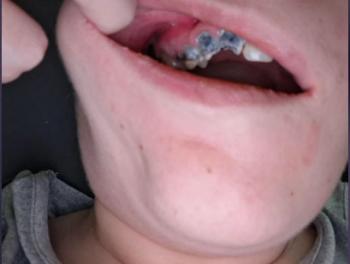
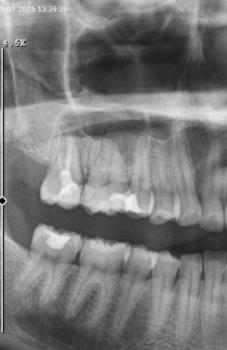
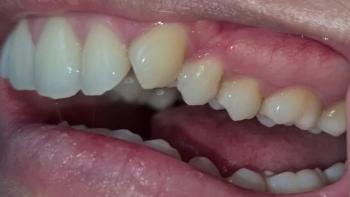
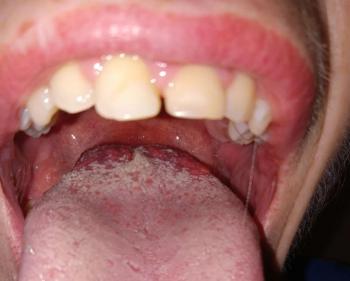
Patients with lower front gum inflammation may also experience tartar buildup, periodontal disease, gum abscesses, or tooth decay. Explore these related clinical case studies.




Other topics:
Other Dental Clinic