Plaque

Gum Inflammation and Gingivitis Case Analysis With Healing Timeline
Severity: 

Clinical Guide: Plaque-Induced Gingivitis, Gum Inflammation, and Recovery

Understanding the Clinical Findings

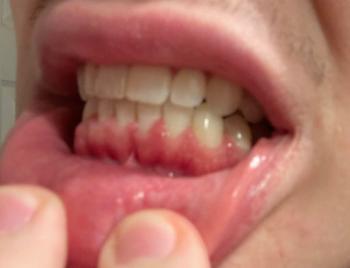
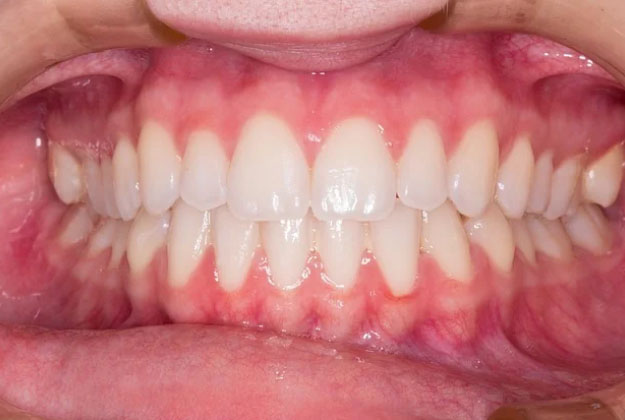
Plaque-induced gingivitis is an inflammatory response of the gum tissues to dental plaque, a sticky bacterial biofilm that accumulates around the teeth and along the gumline. When plaque is not removed effectively, the gums may become red, swollen, tender, and prone to bleeding during brushing or flossing.
Advanced Tooth Decay and Bleeding Gums: Why Scaling Alone May Not Be Enough

Severity: 
Teeth Problems: 

Understanding the Connection Between Dental Cavities and Gum Inflammation

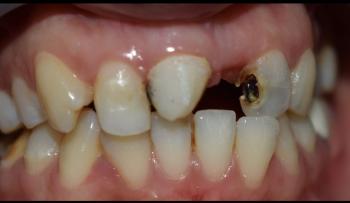
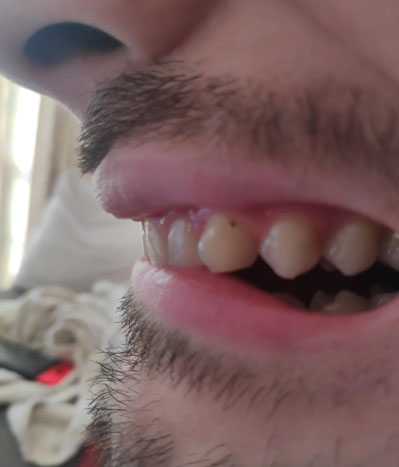
Advanced tooth decay and bleeding gums can occur at the same time, but they do not always have the same cause. Dental caries develops when acids produced by bacteria damage tooth enamel and dentin. Bleeding gums are commonly associated with plaque-induced gingivitis or periodontitis.

Beyond Scaling: The 14-Day Plan to Heal Gums After Deep Cleaning for Chronic Periodontitis

Severity: 
Teeth Problems: 

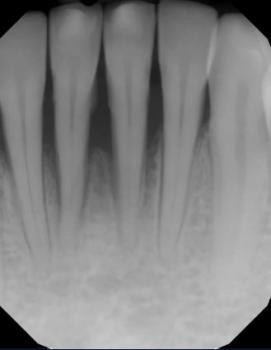
Zoomed-In Dental Analysis and Deep Diagnosis: Heavy Plaque and Calculus Case

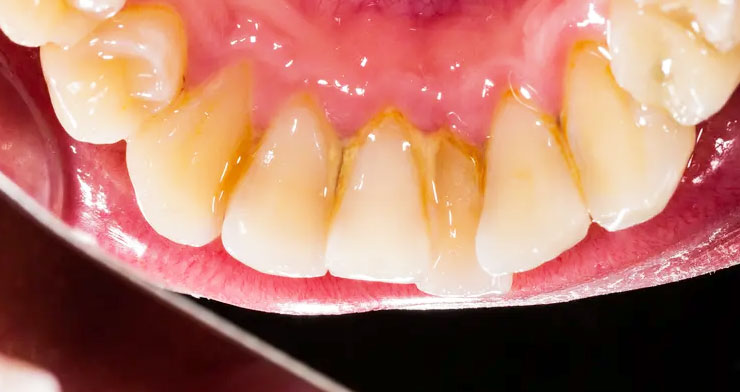
Based on the prompt requesting a "Zoom 100%," "scale all teeth," and "Full analysis and diagnose" for a severe case of plaque and calculus, the diagnosis points toward Generalized Chronic Periodontitis (Gum Disease), which requires more than a routine cleaning.

Teeth Relapse After Braces: Causes, Diagnosis, and 14-Day Recovery Plan for Crowded Lower Teeth

Severity: 

Quick visual observations (what the photo suggests)

  • Lower anterior crowding: the six lower front teeth are pushed/overlapped and rotated — a classic relapse after braces when retainers aren’t worn.

  • Incisal wear/chipping on some lower incisors (flat, shorter edges) — likely from abnormal contact or grinding.

  • Yellowish deposits near the gumline on some teeth — looks like plaque/tartar (calculus) buildup.

Pages