Teeth Drill

The End of Drilling? How Seoul's Breakthrough Microneedle Patch Could Revolutionize Philippine Dentistry

The Dawn of a New Dental Era: From Repair to Regeneration

For generations, dental care has followed a familiar pattern: drill, fill, and sometimes still lose the tooth. But what if we could actually tell your teeth to heal themselves? This isn't science fiction anymore—it's the promise of groundbreaking research from Seoul National University School of Dentistry that's about to change everything we know about dental treatment.

The End of Drilling? How South Korea's Tooth-Regenerating Patch Could Revolutionize Filipino Smiles

A Future Without the Drill: A New Hope for Filipino Smiles

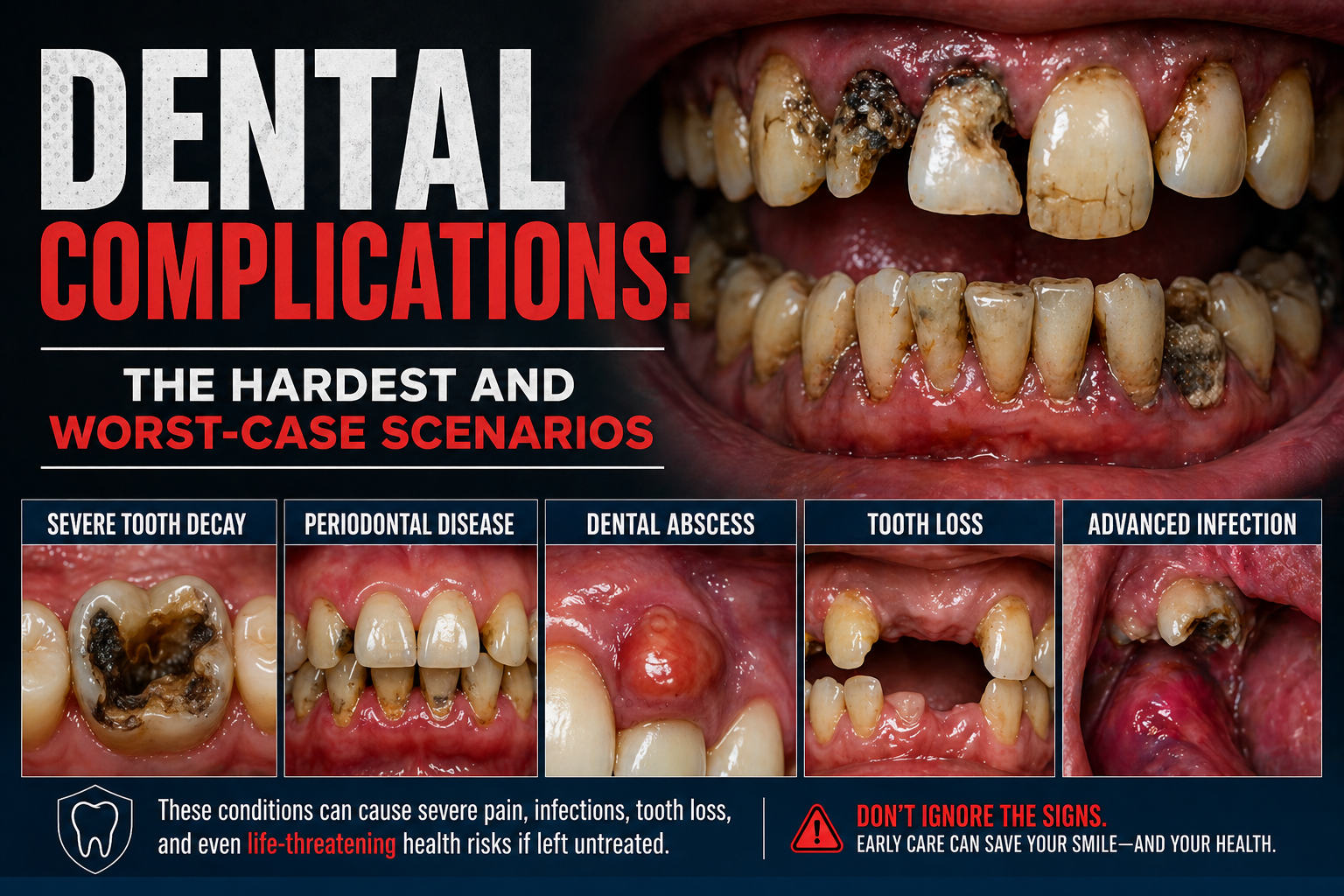
For generations, the sound of the dental drill has been synonymous with fear and anxiety. For millions of Filipinos—whether in rural areas with limited access to care or in urban centers seeking affordable treatment—a cavity meant a choice: endure the drill or live with the pain.

But what if we could change that story? What if, instead of drilling away the damage, we could simply tell the tooth to heal itself?

The First Dentists: How Humans Drilled Teeth 9,000 Years Ago

Topics: 

Long before the advent of modern dental clinics, anesthesia, or sterile instruments, humans were already performing complex dental procedures. Archaeological discoveries from Mehrgarh, a Neolithic site located in present-day Balochistan, Pakistan, have revealed that early humans practiced teeth drilling as early as 7000 BCE — making it the earliest known evidence of dentistry in human history.

Pages

Services