Your Smile, Perfected with Precision.

Swelling After Tooth Extraction Timeline: What to Expect Day by Day (2026 Guide)
Language :
Topics:
Major Issues to Fix
1. Location Mismatch Hurts Trust
The article begins with:
"A Complete Healing Guide from a Connecticut Dental Bone Graft Expert"
But later promotes:
- Cebu Dental Specialists
- Cebu Dental Directory
- Cebu Dental Implants
Choose one location.
For Cebu Dental Implants, replace with:
Swelling After Tooth Extraction Timeline: What to Expect Day by Day (2026 Expert Guide)
By Cebu Dental Implant Specialists
2. Remove Repetitive Booking CTAs
You currently have multiple versions of:
- Book a consultation
- Contact page
- Cebu dental specialists
- Consultation section
This feels promotional and can reduce content quality signals.
Keep only one CTA near the end.
Example:
Need Professional Advice?
If your swelling worsens after Day 3, you develop fever, or experience severe pain, schedule an examination with our Cebu dental team. Early treatment can prevent complications and support faster healing.
3. Add Better Introduction
Current introduction is too short.
Suggested:
Introduction
Swelling after a tooth extraction is one of the most common parts of the healing process. Many patients become concerned when their cheek appears larger on the second or third day after treatment, wondering whether the swelling is normal or a sign of infection.
In most cases, swelling follows a predictable pattern. Understanding this timeline can help you recover with confidence and identify warning signs that require professional attention.
In this guide, our Cebu dental implant specialists explain what happens during each stage of healing, how long swelling normally lasts, and when you should contact a dentist.
4. Improve SEO Keyword Coverage
Add these keyword phrases naturally:
- swelling after tooth extraction timeline
- how long does swelling last after tooth extraction
- swollen cheek after tooth extraction
- tooth extraction recovery timeline
- swelling after wisdom tooth removal
- normal healing after tooth extraction
Google can rank for many more searches.
5. Add Timeline Table
Google likes quick-answer tables.
Tooth Extraction Swelling Timeline
| Day | What to Expect |
|---|---|
| Day 1 | Mild swelling begins |
| Day 2 | Swelling increases |
| Day 3 | Peak swelling |
| Day 4–5 | Swelling starts decreasing |
| Day 6–7 | Significant improvement |
| Week 2 | Most swelling gone |
| Week 3–4 | Internal healing continues |
6. Add Section for Wisdom Tooth Extraction
Many searches are specifically for wisdom teeth.
Swelling After Wisdom Tooth Extraction
Wisdom tooth removal often causes more swelling than a routine extraction because the procedure may involve surgical access through gum tissue and bone. Swelling commonly peaks between Days 2 and 3 and can remain noticeable for up to a week.
Patients who undergo impacted wisdom tooth surgery may also experience:
- Jaw stiffness
- Bruising
- Difficulty opening the mouth fully
These symptoms are often normal and improve gradually.
7. Strengthen EEAT (Expert Authority)
Instead of:
Real Case from My Connecticut Practice
Use:
Clinical Example
A healthy adult patient undergoing a routine molar extraction experienced mild swelling on Day 1, noticeable cheek swelling on Day 2, and peak inflammation on Day 3. By Day 5, swelling had significantly improved, and normal healing continued without complications.
This pattern is typical of uncomplicated tooth extraction recovery.
8. Add Emergency Warning Box
Seek Immediate Dental Care If You Experience:
- Swelling worsening after Day 3
- Fever above 100.4°F (38°C)
- Difficulty swallowing
- Difficulty breathing
- Pus discharge
- Severe facial swelling
- Persistent bleeding
These symptoms may indicate infection or another complication requiring prompt treatment.
9. Improve Conclusion
Current conclusion is weak.
Swelling after tooth extraction is usually a normal part of healing. In most cases, swelling begins within the first 24 hours, peaks around Days 2–3, and gradually improves during the following week.
Understanding this recovery timeline can help you distinguish normal healing from signs of infection or other complications. By following your dentist's aftercare instructions, using cold compresses correctly, and maintaining good oral hygiene, you can support a smooth recovery and reduce the risk of problems.
If swelling worsens instead of improving, seek professional dental evaluation as soon as possible.
Related Clinical Cases
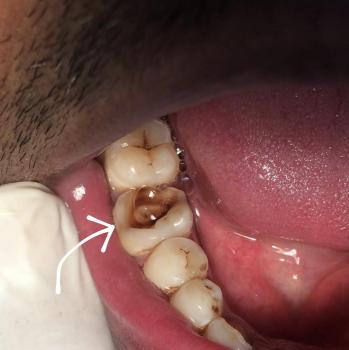
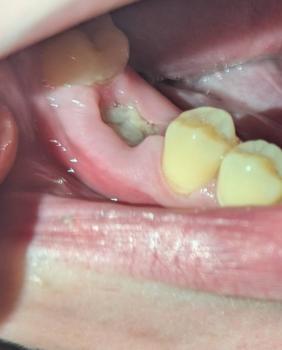
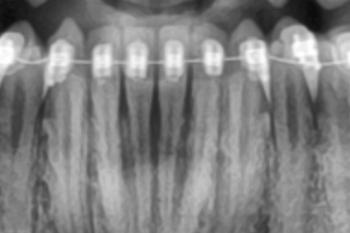
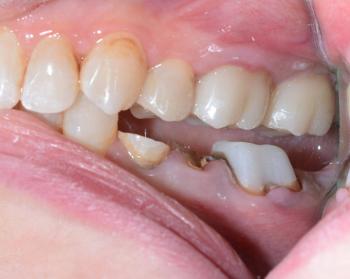
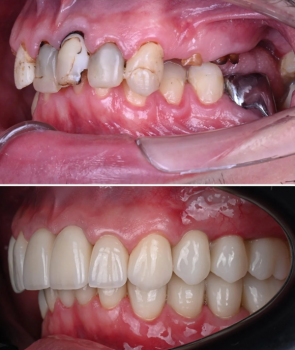
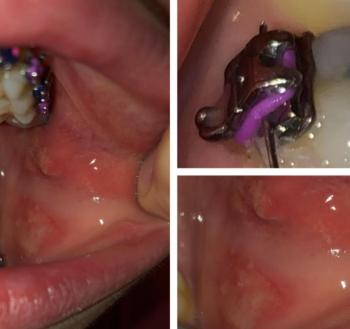
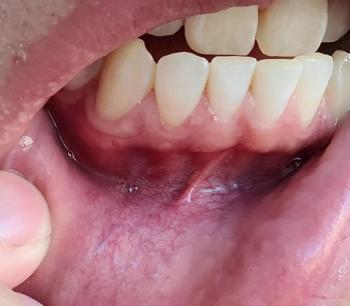
Patients with lower front gum inflammation may also experience tartar buildup, periodontal disease, gum abscesses, or tooth decay. Explore these related clinical case studies.
Other topics:
Other Dental Clinic