Strong Teeth, Fresh Breath, Brighter You.

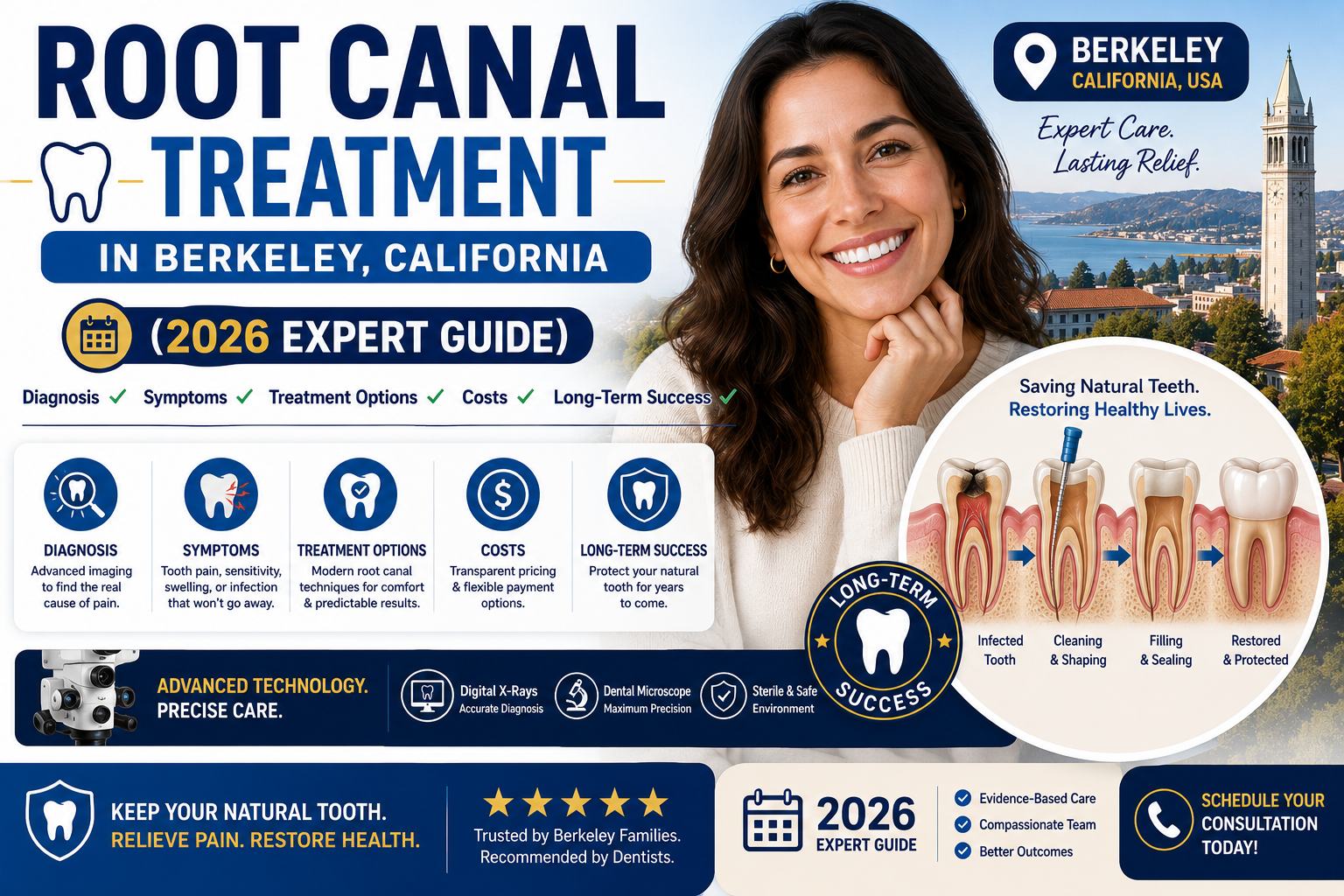
Root Canal Treatment in Berkeley, California (2026 Expert Guide): Diagnosis, Symptoms, Treatment Options, Costs, and Long-Term Success
Language :
Topics:
As a practicing dentist who has treated thousands of patients with infected and damaged teeth, one of the most common concerns I hear from patients in Berkeley, California is:
"Do I really need a root canal?"
The answer depends on what is happening inside the tooth. Many people assume a root canal is needed whenever a tooth hurts. In reality, some painful teeth do not require root canal treatment, while some severely infected teeth may cause little or no pain at all.
Root canal therapy remains one of the most effective procedures in modern dentistry for saving natural teeth that would otherwise require extraction. Advances in digital imaging, rotary instruments, dental microscopes, and modern anesthetics have made treatment significantly more comfortable and predictable than ever before.
For residents of Berkeley and the greater East Bay area, understanding the signs of tooth infection, when root canal therapy is necessary, and how to care for treated teeth can help prevent complications and preserve oral health for many years.
This comprehensive guide explains root canal treatment from the perspective of an experienced American dentist, including diagnosis, symptoms, treatment procedures, recovery, risks, costs, and long-term outcomes.
What Is a Root Canal?
A root canal is a dental procedure designed to remove infected or damaged tissue from inside a tooth.
Inside every tooth is a soft tissue called the pulp. The pulp contains:
- Blood vessels
- Nerves
- Connective tissue
When the pulp becomes inflamed or infected, the tooth can become extremely painful and may eventually develop an abscess.
Root canal treatment removes the infected pulp, disinfects the internal root canal system, and seals the tooth to prevent reinfection.
The goal is simple:
Save the natural tooth while eliminating pain and infection.
Understanding Tooth Anatomy
To understand root canal treatment, it helps to understand tooth structure.
Enamel
The outer protective layer.
Enamel is the hardest substance in the human body.
Dentin
The layer beneath enamel.
Dentin contains microscopic tubules that can transmit sensitivity.
Pulp
The innermost living portion of the tooth.
The pulp contains:
- Nerves
- Blood supply
- Connective tissue
When bacteria reach the pulp, infection develops.
Root Canals
These are narrow pathways extending from the pulp chamber down through the roots.
These canals contain pulp tissue and must be thoroughly cleaned during treatment.
Why Patients in Berkeley Need Root Canal Treatment
Root canal therapy is commonly needed because of:
Deep Tooth Decay
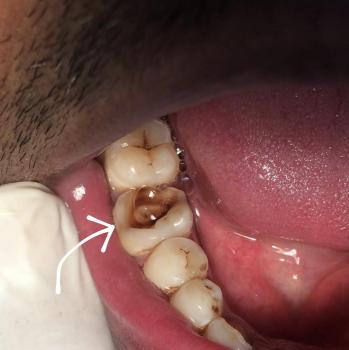
Large cavities can penetrate through enamel and dentin until bacteria reach the pulp.
Once infection enters the pulp chamber, root canal treatment often becomes necessary.
Cracked Teeth
Berkeley patients frequently experience cracked teeth due to:
- Teeth grinding
- Aging restorations
- Trauma
- Biting hard foods
Cracks can allow bacteria to invade the pulp.
Failed Dental Fillings
Old fillings eventually leak.
Microscopic gaps allow bacteria to enter beneath restorations and infect the pulp.
Dental Trauma
Sports injuries, bicycle accidents, and falls may damage the tooth nerve even when no visible fracture exists.
Months or years later, the tooth may become infected.
Repeated Dental Procedures
Multiple fillings or restorations performed on the same tooth can irritate the pulp and eventually lead to irreversible damage.
Symptoms That May Indicate a Root Canal Is Needed
Many patients wait too long because they hope symptoms will disappear on their own.
Common warning signs include:
Severe Toothache
Pain may be:
- Sharp
- Throbbing
- Constant
- Intermittent
The pain often worsens when chewing.
Lingering Sensitivity
If hot or cold sensitivity continues for more than 30 seconds after stimulation, pulp damage may be occurring.
Pain While Biting
Pain during chewing often indicates:
- Inflamed pulp
- Cracked tooth
- Infection around the root
Gum Swelling
Swelling near a tooth may signal an underlying infection.
This symptom should never be ignored.
Pimple on the Gum
A gum boil or pimple-like bump often indicates an abscess draining infection.
Many patients mistakenly believe the problem has resolved because pain decreases after drainage.
In reality, infection remains present.
Tooth Discoloration
A tooth turning:
- Gray
- Brown
- Dark yellow
may indicate nerve death.
Facial Swelling
Swelling involving the cheek, jaw, or face can represent a serious dental infection requiring immediate treatment.
Symptoms That Are Often Mistaken for Root Canal Problems
Not every painful tooth requires endodontic treatment.
Conditions commonly confused with root canal issues include:
Gum Disease
Advanced periodontal disease can mimic tooth pain.
Sinus Infections
Upper molars share nerve pathways with sinus structures.
Sinus pressure may feel like tooth pain.
Teeth Grinding
Bruxism creates inflammation around teeth.
Cracked Tooth Syndrome
A crack may cause pain without pulp infection.
Bite Problems
High fillings or uneven biting forces can create significant discomfort.
A thorough examination is essential for accurate diagnosis.
How Dentists Diagnose Root Canal Problems
Proper diagnosis involves several steps.
Clinical Examination
The dentist evaluates:
- Tooth structure
- Existing restorations
- Cracks
- Swelling
- Gum condition
Percussion Testing
Gentle tapping helps identify inflammation around the root.
Temperature Testing
Cold testing evaluates nerve vitality.
Abnormal responses help determine pulp health.
Electric Pulp Testing
This test assesses nerve responsiveness.
Digital X-Rays
Radiographs reveal:
- Deep decay
- Bone loss
- Abscesses
- Previous dental work
Cone Beam CT Scans
CBCT imaging provides three-dimensional visualization of:
- Root anatomy
- Hidden infections
- Fractures
- Missed canals
Many Berkeley dental specialists use CBCT technology to improve diagnostic accuracy.
What Happens During a Root Canal?
Modern root canal treatment is highly predictable.
Step 1: Local Anesthesia
The tooth is thoroughly numbed.
Most patients report little or no discomfort during treatment.
Step 2: Isolation
A rubber dam is placed around the tooth.
This prevents contamination from saliva.
Step 3: Access Opening
A small opening is created in the tooth.
This allows access to the pulp chamber.
Step 4: Removal of Infected Tissue
The infected pulp is carefully removed.
Specialized instruments clean the canal system.
Step 5: Canal Shaping
Rotary instruments shape the canals for effective disinfection.
Step 6: Irrigation
Antibacterial solutions eliminate bacteria.
This step is crucial for long-term success.
Step 7: Canal Filling
The cleaned canals are filled using a material called gutta-percha.
This seals the canal system.
Step 8: Restoration
A filling or crown is placed to protect the tooth.
Why Root Canal Treatment Saves Teeth
Saving natural teeth provides significant advantages.
Better Function
Natural teeth maintain chewing efficiency.
Bone Preservation
Tooth roots stimulate jawbone health.
Lower Long-Term Costs
Preserving a tooth is often less expensive than extraction followed by replacement.
Improved Comfort
Natural teeth feel more normal than prosthetic alternatives.
Root Canal Versus Tooth Extraction
Patients frequently ask whether extraction is a better option.
In most cases, preserving the tooth is preferable.
Root Canal Advantages
- Retains natural tooth
- Maintains bone
- Preserves bite alignment
- Avoids replacement procedures
Extraction Disadvantages
After extraction, options include:
- Dental implant
- Bridge
- Partial denture
These treatments often involve additional time and expense.
Are Root Canals Painful?
This is perhaps the most common question patients ask.
Modern root canals are typically no more uncomfortable than receiving a dental filling.
Today's techniques include:
- Effective local anesthesia
- Rotary instrumentation
- Digital imaging
- Improved infection control
Most patients are surprised by how comfortable treatment feels.
The pain associated with root canals usually comes from the infection itself—not from the procedure.
Recovery After Root Canal Treatment
Recovery is generally straightforward.
Patients may experience:
- Mild soreness
- Slight tenderness
- Minor chewing discomfort
Symptoms usually improve within several days.
Recommendations include:
- Avoid chewing hard foods initially
- Follow medication instructions
- Maintain oral hygiene
- Attend follow-up appointments
Why Dental Crowns Are Often Recommended
Many root canal-treated teeth require crowns.
After treatment:
- Teeth become more brittle
- Large restorations weaken structure
- Fracture risk increases
Crowns provide protection and improve longevity.
Posterior teeth especially benefit from full-coverage crowns.
How Long Does a Root Canal Last?
When properly performed and restored, root canal treatment can last decades.
Many treated teeth remain functional for:
- 10 years
- 20 years
- 30 years
- Even a lifetime
Success depends on:
- Quality of treatment
- Proper restoration
- Oral hygiene
- Regular dental visits
Causes of Root Canal Failure
Although success rates are high, failures occasionally occur.
Missed Canals
Complex anatomy may leave infected tissue untreated.
New Decay
Cavities can reintroduce bacteria.
Cracked Roots
Structural damage may compromise outcomes.
Inadequate Restoration
Poor sealing allows reinfection.
Delayed Crown Placement
Postponing final restoration increases fracture risk.
Can a Failed Root Canal Be Retreated?
Yes.
Endodontic retreatment often saves previously treated teeth.
The procedure involves:
- Removing old filling materials
- Cleaning canals again
- Disinfecting infected areas
- Resealing the tooth
In some cases, surgical treatment called apicoectomy may be recommended.
Root Canal Treatment and Dental Abscesses
An abscess is a collection of infection around the root.
Symptoms include:
- Severe pain
- Swelling
- Bad taste
- Pus drainage
- Fever
Untreated abscesses can spread into surrounding tissues.
Prompt treatment is essential.
Common Myths About Root Canals
Myth: Root Canals Cause Illness
This claim has been thoroughly disproven.
Modern scientific evidence supports root canal treatment as safe and effective.
Myth: Extraction Is Always Better
Removing a tooth creates additional challenges and costs.
Preserving natural teeth is generally preferable.
Myth: Root Canal Teeth Are Dead
Although the pulp is removed, surrounding tissues continue supporting the tooth.
The tooth remains functional.
Myth: Antibiotics Can Replace Root Canals
Antibiotics alone cannot eliminate infection inside the root canal system.
Definitive treatment is necessary.
Root Canal Costs in Berkeley, California
Costs vary depending on:
- Tooth type
- Complexity
- Specialist involvement
- Restoration requirements
Approximate 2026 ranges include:
Front Teeth
$900–$1,500
Premolars
$1,000–$1,800
Molars
$1,200–$2,500
Crown Placement
$1,200–$2,500
Dental insurance may reduce out-of-pocket expenses.
Patients should obtain a detailed treatment estimate before proceeding.
Preventing Future Root Canal Treatment
Many root canals can be prevented through proactive dental care.
Brush Twice Daily
Use fluoride toothpaste.
Floss Every Day
Remove plaque between teeth.
Attend Routine Checkups
Early cavity detection prevents pulp involvement.
Wear Night Guards
Protect teeth from grinding.
Avoid Chewing Hard Objects
Do not chew:
- Ice
- Pens
- Hard candies
Address Problems Early
Small cavities are easier and less expensive to treat than advanced infections.
When Berkeley Residents Should Seek Immediate Dental Care
Contact a dentist promptly if you experience:
- Severe tooth pain
- Facial swelling
- Fever
- Difficulty swallowing
- Gum drainage
- Persistent sensitivity
- Tooth discoloration
Early intervention improves treatment outcomes and reduces complications.
Expert Dentist's Final Advice
As a dentist, I consistently advise patients that the best tooth replacement is the natural tooth you already have.
Root canal treatment remains one of the most successful procedures in dentistry because it allows us to eliminate infection while preserving a tooth that continues to function naturally. Delaying treatment often transforms a manageable problem into a much more expensive and complicated situation.
For patients in Berkeley, California, symptoms such as prolonged sensitivity, swelling, chewing pain, gum drainage, or persistent toothaches should never be ignored. Modern diagnostic tools enable dentists to identify the source of infection accurately and develop a treatment plan tailored to the specific condition of the tooth.
If a root canal is recommended, understand that the objective is not merely to relieve pain. The goal is to save your tooth, protect surrounding bone, restore healthy function, and prevent the spread of infection.
With timely treatment, proper restoration, and excellent oral hygiene, a root canal-treated tooth can often serve you comfortably for decades, allowing you to maintain your natural smile and oral health well into the future.
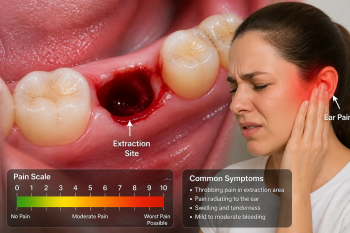
Can tooth extraction cause infection? Mild inflammation is normal, but increasing swelling, fever, or severe pain may indicate infection. Learn more about post-extraction infection warning signs in this detailed guide.
Book a consultation with our Cebu dental specialists for proper evaluation and care.
Ready to get expert guidance?
If you’re experiencing severe pain or delayed healing, book a consultation with our Cebu dental specialists to get proper evaluation and care.
Consultation or contact page .
Book a Consultation
For severe discomfort or delayed healing, book a consultation with our Cebu dental specialists today.
Looking for a dentist? Browse our Cebu dental directory to find trusted clinics near you.
Medical Review and Clinical Basis
This article is based on clinical dental guidelines and real patient recovery patterns observed after tooth extraction procedures. The information reflects common post-extraction healing stages, including normal clot formation, gum tissue repair, and signs of possible complications such as dry socket or infection.
While mild discomfort is expected after a dental extraction, worsening pain after Day 3, bad odor, exposed bone, or spreading pain may require professional evaluation. These symptoms are consistent with known post-extraction complications described in standard dental practice.
About Cebu Dental Implants
Cebu Dental Implants provides comprehensive tooth extraction, surgical procedures, and dental implant services in the Philippines. Our team evaluates post-extraction healing, manages complications such as dry socket, and advises patients on proper aftercare to prevent infection and delayed healing.
If you experience severe pain or unusual symptoms after extraction, early professional assessment is recommended to prevent further complications.
Important Medical Disclaimer
This content is for educational purposes only and does not replace professional dental diagnosis. Every patient heals differently. If symptoms worsen or do not improve within a few days, consult a licensed dentist for proper evaluation and treatment.
Author
This article was prepared by the Cebu Dental Implants content team in consultation with licensed dental professionals experienced in tooth extraction and implant procedures.
Related Clinical Cases
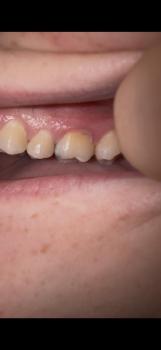
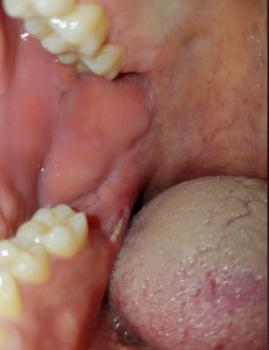
Patients with lower front gum inflammation may also experience tartar buildup, periodontal disease, gum abscesses, or tooth decay. Explore these related clinical case studies.

Other topics:
Other Dental Clinic