We Bring Back the Sparkle in Your Smile.

Post-Extraction Healing Check: Is This Normal After a Back Lower Tooth Removal?
Image:
Severity:
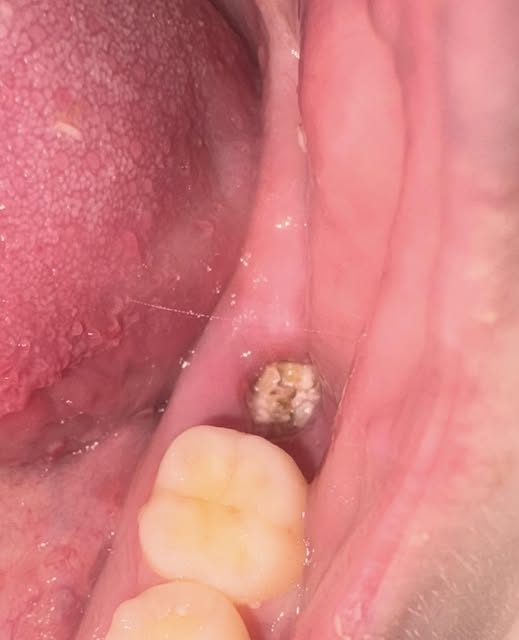
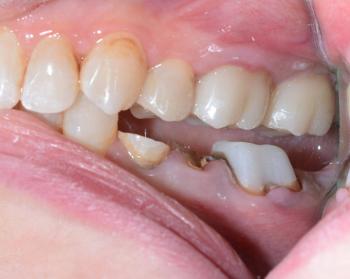
Client concern: “I had my back left bottom tooth removed on Friday. Is this normal, or am I just paranoid?”
Zoom 100% Visual Assessment (Based on the Image Provided)
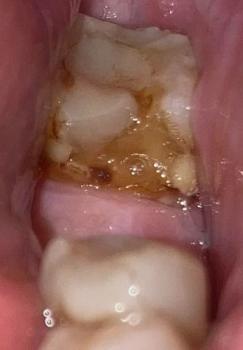
At full zoom, the area shown appears to be a recent extraction socket on the lower left posterior (back) jaw, behind the last standing molar. The socket contains a gray-white to yellowish material with surrounding pink tissue.
What this most likely represents
-
Healing blood clot covered by fibrin (a normal healing layer)
-
Early granulation tissue, which is part of the natural repair process
-
Mild food debris trapped in the socket (common in lower molars)
What it does not immediately look like
-
There is no obvious exposed dry bone
-
No heavy pus discharge visible
-
No black, empty socket appearance typical of classic dry socket
Based on appearance alone, this can be normal healing, especially within the first few days after extraction.
Deep Examination: What’s Happening Inside the Socket
After a tooth extraction, the body follows this sequence:
Day 0–3
-
Blood clot forms to protect the bone and nerves
-
White or yellow film (fibrin) may appear
-
Mild pain, swelling, and tightness are normal
Day 4–7
-
Granulation tissue develops
-
Socket may look white/cream colored
-
Discomfort should slowly decrease
Day 7–14
-
Gum tissue begins closing over the socket
-
Sensitivity reduces significantly
-
Chewing becomes more comfortable
What you are seeing fits early healing, especially if the extraction was done on Friday.
Is This Dry Socket? (Most Common Fear)
Dry socket usually includes:
-
Severe, worsening pain 3–5 days after extraction
-
Pain radiating to ear, jaw, or temple
-
Foul taste or strong odor
-
Visible empty socket with exposed bone
If you are not experiencing increasing pain or strong odor, dry socket is unlikely at this stage.
14-Day Healing Timeline (Expected)
-
Pain: Should improve daily, not worsen
-
Appearance: White/yellow tissue is normal early on
-
Closing: Gum tissue partially closes by day 10–14
-
Full bone healing: 6–8 weeks (not visible externally)
Process to Execute (What You Should Do Now)
-
Do not disturb the socket
-
No picking, probing, or forceful rinsing
-
-
Rinse gently
-
Warm saltwater 2–3x daily starting 24 hours after extraction
-
-
Avoid
-
Smoking, alcohol, straws, hard or crunchy food
-
-
Maintain oral hygiene
-
Brush nearby teeth gently, avoid direct contact with the socket
-
-
Observe symptoms
-
Monitor pain level, swelling, taste, and smell
-
What Issues Can Scale Up If Ignored
If proper care is not followed, the following may develop:
Early dental review prevents these from escalating.
When to See a Dentist Immediately
Visit a dental clinic if you experience:
-
Increasing pain after day 3
-
Strong foul smell or taste
-
Pus or spreading swelling
-
Fever
-
Difficulty opening mouth
Professional Comment
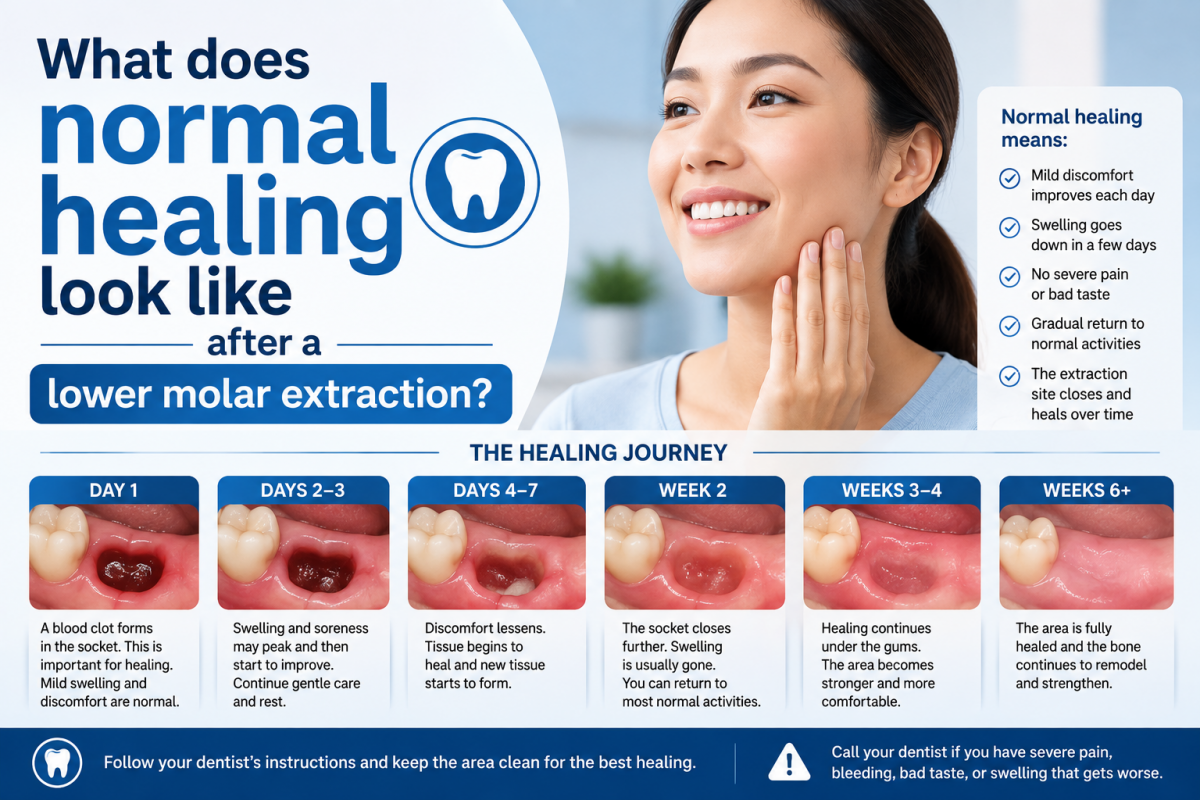
From the image and timing described, this looks within normal healing range, and mild concern is understandable but not paranoia. Lower back teeth take longer to heal due to dense bone and constant movement during chewing.
Post-Extraction Swelling, Bruising, Dry Socket, or Infection?
A Simple Guide to Normal Healing and Warning Signs After Tooth Removal
After a tooth extraction—especially wisdom tooth surgery—it is normal to have some pain, swelling, and bruising. These symptoms are part of your body's natural healing process. However, it's important to know the difference between normal recovery and complications that require dental or emergency care.
A Real Patient Example
Amanda, a 26-year-old from Chicago, had two impacted wisdom teeth removed.
-
Days 1–2: Mild bleeding, swelling, and jaw soreness began. She used cold compresses, took her medication, and rested.
-
Day 3: Swelling and bruising reached their highest point, but her pain started to improve.
-
Days 4–10: The swelling slowly went down, bruising faded, and the extraction sites healed normally.
Amanda experienced a normal recovery and did not develop any complications.
Normal Healing
You may experience:
-
Mild to moderate pain
-
Swelling that peaks within 2–3 days
-
Bruising around the jaw or cheek
-
Minor bleeding during the first 24 hours
-
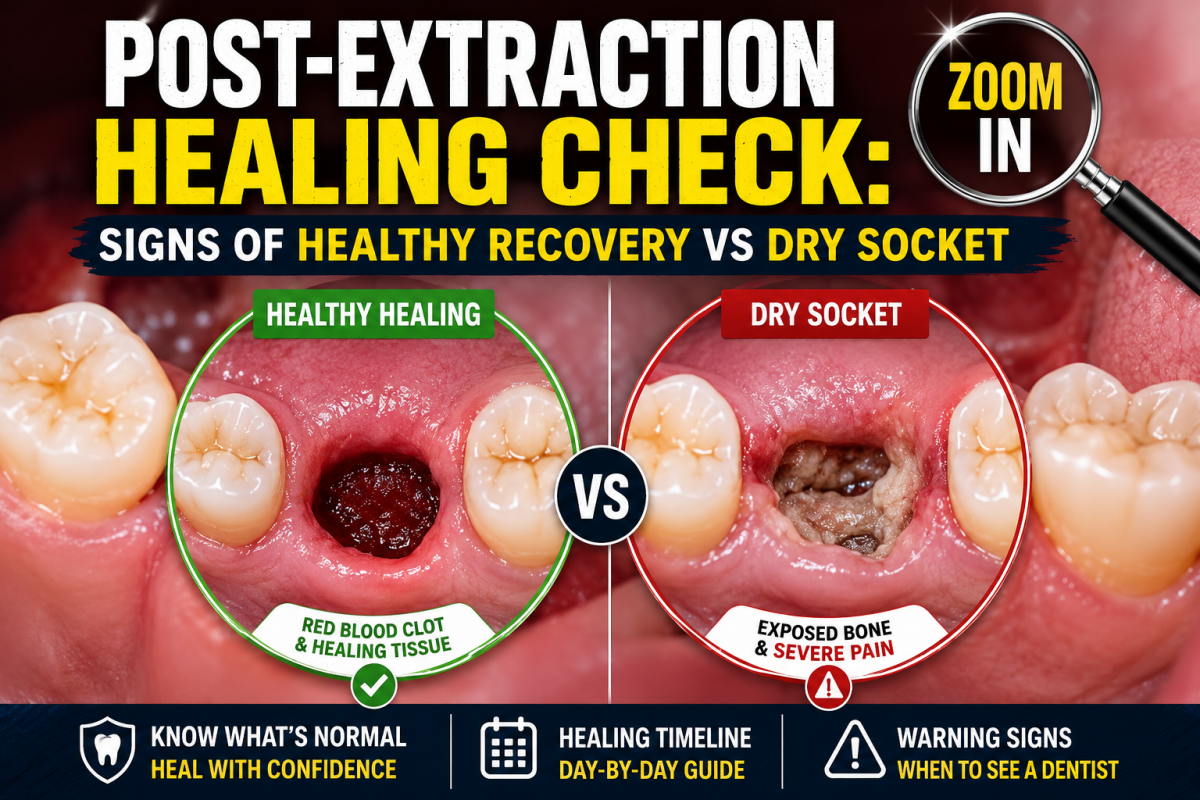
White or gray healing tissue inside the socket
-
Gradually improving comfort every day
These are normal signs that your mouth is healing.
Dry Socket
Dry socket happens when the protective blood clot comes out too early.
Common signs include:
-
Severe throbbing pain starting 3–5 days after extraction
-
Pain spreading to the ear, jaw, or temple
-
Empty-looking socket with exposed bone
-
Bad breath or bad taste
-
Little or no swelling
Dry socket is painful but can usually be treated quickly by your dentist.
Infection
An infection is more serious and needs prompt treatment.
Signs include:
-
Pain that keeps getting worse
-
Swelling that continues to increase after Day 3
-
Pus coming from the extraction site
-
Bad taste or foul odor
-
Fever or chills
-
Feeling weak or sick
Contact your dentist immediately if these symptoms develop.
Recovery Timeline
Days 1–2
-
Mild bleeding and swelling
-
Use cold compresses
-
Rest with your head elevated
-
Eat soft foods
-
Do not smoke, vape, use straws, or spit forcefully
Days 3–5
-
Swelling and bruising reach their peak
-
Begin using warm compresses
-
Rinse gently with warm salt water after meals
Days 6–14
-
Swelling decreases
-
Bruising fades
-
Gums begin closing over the extraction site
-
Normal activities gradually return
How to Heal Faster
-
Brush gently around the extraction area.
-
Take medications exactly as prescribed.
-
Eat soft, healthy foods.
-
Drink plenty of water.
-
Avoid smoking and tobacco products.
-
Attend your follow-up dental appointments.
Emergency Warning Signs
Go to the nearest Emergency Room immediately if you have:
-
Difficulty breathing
-
Difficulty swallowing
-
Rapidly spreading swelling into the face or neck
-
High fever or chills
-
Pus with severe swelling
-
Confusion, severe headache, or stiff neck
These symptoms may indicate a serious infection that requires emergency medical treatment.
Final Takeaway
Swelling and bruising after a tooth extraction are usually normal and often peak around the third day before improving. Dry socket causes severe pain but usually little swelling, while an infection often causes worsening swelling, fever, and pus.
If your symptoms continue to improve each day, your mouth is most likely healing normally. If the pain suddenly becomes severe, swelling keeps getting worse, or you develop fever or trouble breathing, contact your dentist or seek emergency medical care right away.
Visit a Dentist Near You
For peace of mind and proper evaluation, we recommend a post-extraction check with a licensed dentist.
Find a nearby clinic using our directory:
https://cebudentalimplants.com/map-dental-clinic
Related Articles You May Find Helpful
Lower Jaw Post-Extraction Healing: What Is Normal Day by Day?
Recovering after a lower molar extraction often involves swelling, tenderness, and gradual tissue closure. This comprehensive guide explains each healing stage, what healthy extraction sockets should look like, and which symptoms require immediate dental attention.
https://cebudentalimplants.com/lower-jaw-post-extraction-healing
White Plug After Tooth Extraction: Normal Healing or Something Else?
Have you noticed a white or yellowish material covering your extraction site? Learn why this protective layer usually represents healthy fibrin formation, how to distinguish it from infection, and when disturbing the socket may delay healing.
https://cebudentalimplants.com/content/urgent-post-extraction-follow-white-plug-normal
Post-Extraction Healing Check: Is Your Lower Back Tooth Healing Normally?
Wondering whether your extraction socket looks healthy after wisdom tooth or molar removal? This visual healing guide explains what dentists expect to see during the first several weeks and highlights warning signs that should never be ignored.
https://cebudentalimplants.com/post-extraction-healing-check-normal-after-back-lower-tooth-removal
Swelling and Bruising After Tooth Extraction: Dry Socket or Normal Recovery?
Facial swelling and bruising are common after difficult extractions, but they can sometimes resemble more serious complications. Discover how to tell the difference between expected healing, dry socket, infection, and conditions requiring urgent evaluation.
Seven Days After Tooth Extraction: Deep Socket but No Pain—Is It Normal?
Many patients worry when they still see a deep hole one week after extraction. Learn why socket depth alone is rarely a problem, how bone gradually fills the space, and which symptoms may indicate delayed healing or infection.
Gum Swelling or Bump After Extraction: Infection, Healing Tissue, or Something Else?
A swollen bump near the extraction site can have several causes, including normal healing tissue, trapped debris, inflammation, or infection. This article explains what dentists look for during follow-up examinations and when treatment may be necessary.
https://cebudentalimplants.com/content/post-extraction-gum-swellingbump-fungal-infection-history
Pimple on the Gum After Tooth Extraction: Should You Be Concerned?
A gum pimple or draining bump may indicate a lingering infection or an abscess that needs professional evaluation. Learn the possible causes, symptoms to watch for, and why early diagnosis can prevent more serious complications.
Dry Socket vs. Infection: How Dentists Tell the Difference
Dry socket and dental infections can cause significant discomfort, but they require different treatments. This expert guide compares pain patterns, swelling, bad taste, fever, exposed bone, and healing timelines to help patients understand the difference.
Dry Socket or Normal Healing? A Complete Recovery Guide
If you're unsure whether your recovery is progressing normally, this comprehensive article covers every stage of healing—from blood clot formation and gum closure to warning signs that suggest complications requiring prompt dental care.
Frequently Asked Questions (FAQ): Post-Extraction Healing After Lower Molar Removal
1. What does normal healing look like after a lower molar extraction?
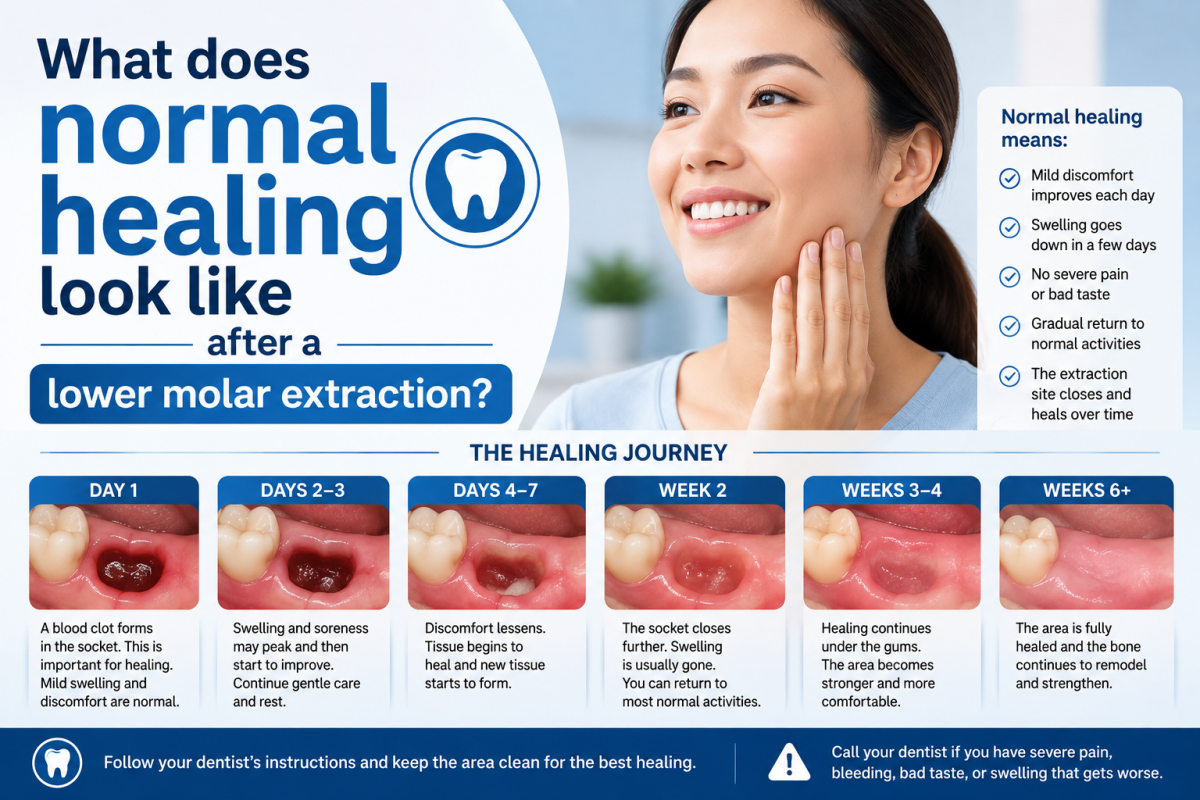
Normal healing follows a predictable timeline:
- Days 1–2: A dark red blood clot fills the extraction socket, protecting the underlying bone and nerves.
- Days 3–5: The clot becomes covered by a white or gray fibrin layer (granulation tissue), which is a normal part of healing—not pus.
- Days 6–14: Swelling gradually decreases, the gums begin closing over the socket, and discomfort continues to improve.
- Weeks to Months: The gum completely seals while new bone slowly fills the extraction site over several months.
Never pick, scrape, or brush the healing socket directly, as disturbing the clot can delay healing.
2. How can I tell the difference between normal healing and a dry socket?
Dry socket (alveolar osteitis) usually develops when the protective blood clot is lost too early.
Normal Healing
- Mild discomfort that improves daily
- Blood clot or white healing tissue visible
- Minimal bad taste
- Pain controlled with medication
Dry Socket
- Severe throbbing pain beginning 3–5 days after extraction
- Pain radiates to the ear, temple, or neck
- Empty socket or exposed bone
- Persistent foul odor or unpleasant taste
- Pain medications provide little relief
If these symptoms develop, contact your dentist promptly.
3. Why does my extraction site have a white or yellow layer?
In most cases, a white, cream-colored, or slightly yellow covering is normal fibrin healing tissue. This protective layer forms as new blood vessels and collagen develop.
It is not usually an infection unless it is accompanied by:
- Thick pus
- Increasing swelling
- Fever
- Severe worsening pain
- Bad odor with drainage
Do not attempt to remove the white layer.
4. Is ear pain normal after a lower back tooth extraction?
Yes. Lower molars share nerve pathways with the ear through the mandibular branch (V3) of the trigeminal nerve.
Mild ear discomfort, jaw stiffness, or temple pain during the first few days is common.
However, severe throbbing ear pain beginning several days after surgery may indicate dry socket or significant inflammation and should be evaluated by your dentist.
5. How long should swelling and bruising last?
Most patients experience:
- Mild swelling during the first 24 hours
- Maximum swelling around Day 2–3
- Gradual improvement after Day 3
- Bruising that changes from purple to yellow-green before disappearing over 1–2 weeks
To reduce swelling:
- Apply an ice pack for 10–20 minutes at a time during the first 48 hours.
- Sleep with your head elevated.
- Stay well hydrated.
Avoid applying heat during the first several days unless specifically instructed by your dentist.
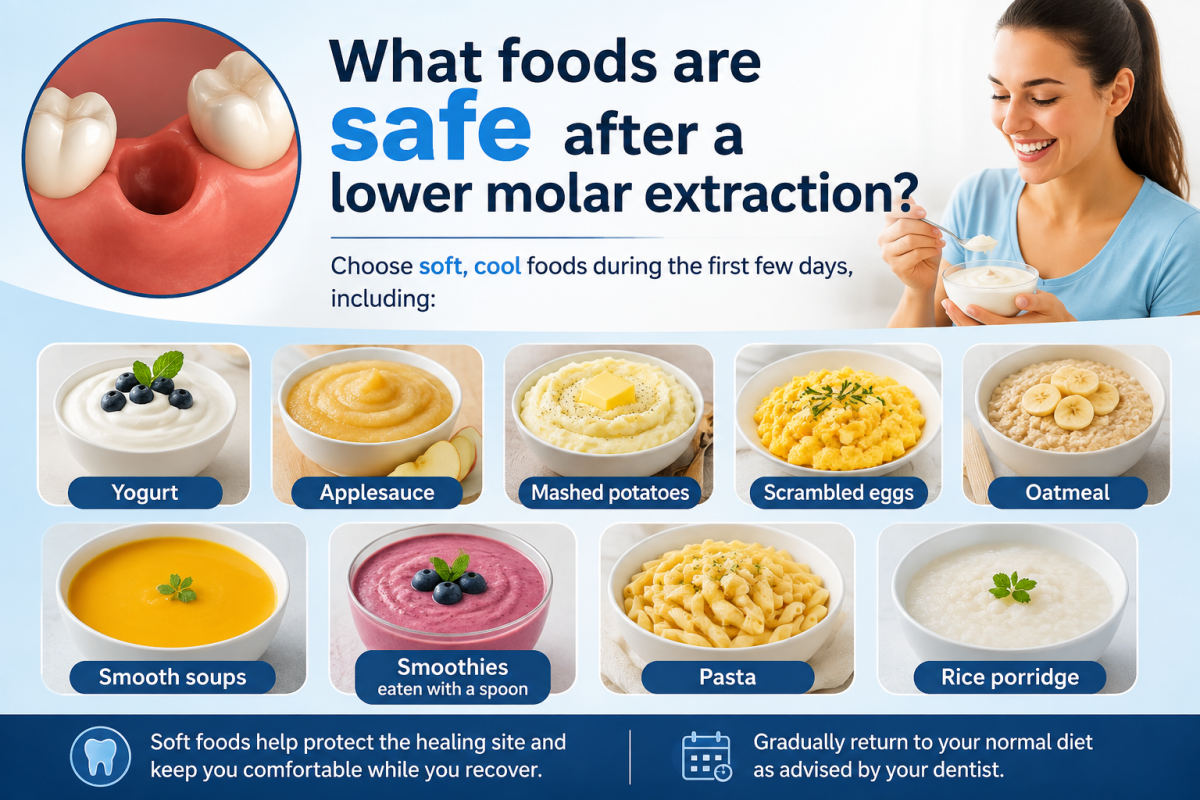
6. What foods are safe after a lower molar extraction?
Choose soft, cool foods during the first few days, including:
- Yogurt
- Applesauce
- Mashed potatoes
- Scrambled eggs
- Oatmeal
- Smooth soups
- Smoothies eaten with a spoon
- Pasta
- Rice porridge
Avoid:
- Chips
- Nuts
- Popcorn
- Seeds
- Hard bread
- Sticky candy
- Very spicy foods
- Extremely hot beverages
These foods can disturb the healing socket.
7. What activities should I avoid during the first week?
For the best recovery:
Avoid:
- Smoking or vaping
- Drinking through straws
- Forceful spitting
- Vigorous rinsing during the first 24 hours
- Heavy lifting
- Intense exercise for several days
- Touching the socket with fingers or your tongue
These activities increase the risk of losing the protective blood clot.
8. When can I start rinsing my mouth?
Avoid rinsing during the first 24 hours.
Beginning the next day, gently rinse with warm salt water after meals and before bedtime.
Mix approximately ½ teaspoon of salt in one cup (240 mL) of warm water and allow the solution to flow gently around the mouth without vigorous swishing.
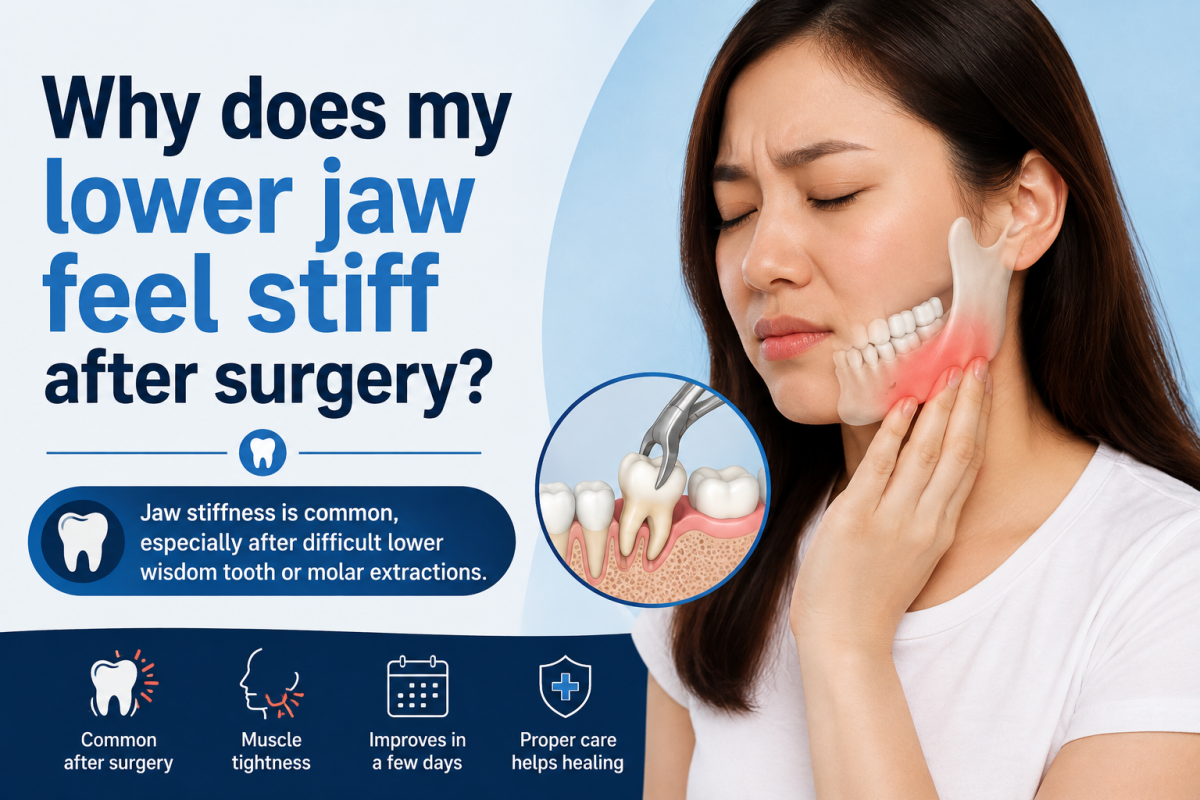
9. Why does my lower jaw feel stiff after surgery?
Jaw stiffness is common, especially after difficult lower wisdom tooth or molar extractions.
Inflammation affects the chewing muscles around the jaw, causing temporary limited mouth opening (trismus).
Most patients notice gradual improvement within one to two weeks.
Contact your dentist if jaw opening continues to worsen or is accompanied by increasing swelling or fever.
10. When should I call my dentist?
Schedule an evaluation if you experience:
- Severe pain that suddenly worsens after initially improving
- Increasing facial swelling after Day 3
- Persistent bleeding that does not stop
- Pus draining from the socket
- Persistent foul odor or bad taste
- Fever above 38°C (100.4°F)
- Difficulty opening your mouth
- Numbness lasting longer than expected after anesthesia
11. When should I go directly to the Emergency Room (ER)?
Seek immediate emergency medical care if you develop:
- Difficulty breathing
- Difficulty swallowing
- Swelling spreading rapidly into the neck or around the eyes
- Tightness in the throat
- Excessive drooling because swallowing becomes difficult
- High fever with chills
- Confusion or altered mental status
- Severe facial swelling that progresses rapidly
These symptoms may indicate facial cellulitis, a serious infection that can spread into deep tissues and compromise the airway.
12. How long does complete healing take?
Although the gum surface often appears healed within 2 to 4 weeks, the jawbone continues rebuilding beneath the gums.
Typical healing timeline:
- 1 week: Blood clot stabilized and early gum healing
- 2–4 weeks: Soft tissue largely closes
- 6–8 weeks: Significant bone filling begins
- 3–6 months: Continued bone remodeling
- 6–12 months: Final maturation of the extraction site
Healing may take longer after surgical wisdom tooth removal, bone grafting, or if medical conditions such as diabetes or smoking affect recovery.
Frequently Asked Questions (FAQ)
How long does it take for a lower back tooth extraction to heal?
Most patients notice significant improvement within 7 to 14 days. The gum usually closes over several weeks, while complete healing of the jawbone may take 3 to 6 months depending on the size of the extraction site and your overall health.
Is it normal to have pain after removing a lower molar?
Yes. Mild to moderate pain is expected for the first two to three days. The discomfort should gradually improve each day. Pain that suddenly becomes worse after a few days may be a sign of dry socket or infection.
How do I know if my extraction is healing normally?
Normal healing usually includes:
- Mild soreness that improves daily
- A dark blood clot inside the socket
- Slight swelling for the first few days
- Pink gum tissue forming around the extraction site
- Gradually decreasing pain
These are all signs that your body is repairing the area.
What does a healthy blood clot look like after tooth extraction?
A healthy blood clot is usually dark red, brown, or almost black during the first few days. As healing continues, white or yellowish tissue may appear over the socket. This is often normal healing tissue rather than pus.
When should swelling improve after a lower wisdom tooth or molar extraction?
Swelling usually reaches its peak around 48 to 72 hours after surgery and then slowly decreases. If swelling continues to worsen after the third day or is accompanied by fever, contact your dentist immediately.
What are the warning signs of dry socket?
Possible symptoms include:
- Severe throbbing pain starting 2 to 5 days after extraction
- Pain spreading to the ear, temple, or jaw
- Bad taste or unpleasant odor
- Visible bone inside the socket
- Missing or dissolved blood clot
Dry socket requires professional dental treatment.
Can food get stuck inside the extraction hole?
Yes. Small food particles may collect in the socket during healing. Avoid digging into the area with toothpicks or sharp objects. Your dentist may recommend gentle saltwater rinses or an irrigation syringe after several days if appropriate.
Is white tissue inside the extraction socket normal?
Yes. White or cream-colored tissue is often fibrin, which is part of the body's natural healing process. It should not automatically be mistaken for infection unless it is accompanied by severe pain, swelling, pus, or fever.
When can I brush my teeth after a tooth extraction?
You can brush your other teeth the same day while avoiding the extraction site. After the first 24 hours, gently clean around the area without disturbing the blood clot.
Can I rinse my mouth after tooth extraction?
Avoid vigorous rinsing during the first 24 hours because it can dislodge the blood clot. After 24 hours, gently rinse with warm salt water several times a day, especially after meals.
What foods are safe after lower molar extraction?
Choose soft foods such as:
- Yogurt
- Mashed potatoes
- Oatmeal
- Scrambled eggs
- Rice porridge
- Smooth soups
- Applesauce
- Pasta
Avoid crunchy, spicy, hot, or hard foods until healing progresses.
Is slight bleeding normal after tooth extraction?
Yes. Light oozing during the first 24 hours is common. Bite gently on clean gauze to control bleeding. Heavy bleeding that does not stop after applying pressure for 30 to 60 minutes should be evaluated by a dentist.
When can I return to work or school?
Many patients return within one or two days after a routine extraction. If the extraction was difficult or involved surgical removal of an impacted tooth, additional recovery time may be needed.
Can smoking affect healing after tooth extraction?
Yes. Smoking greatly increases the risk of dry socket, infection, delayed healing, and complications. Dentists generally recommend avoiding smoking for at least 72 hours, and longer if possible.
When should I contact my dentist immediately?
Seek dental care if you experience:
- Severe pain that suddenly worsens
- Fever or chills
- Increasing facial swelling
- Difficulty swallowing or breathing
- Continuous heavy bleeding
- Pus draining from the socket
- Persistent numbness
These symptoms may indicate a complication requiring prompt treatment.
Related Patient Guides
You may also find these articles helpful:
- Lower Wisdom Tooth Pain: Normal Healing or Dry Socket?
https://cebudentalimplants.com/lower-wisdom-tooth-pain-normal-or-dry-socket - Dry Socket Symptoms: Severe Pain, Bad Smell, and Exposed Bone
https://cebudentalimplants.com/dry-socket-symptoms-severe-pain-bad-smell-exposed-bone - Wisdom Tooth Extraction Day 4: How to Tell if You Have Dry Socket
https://cebudentalimplants.com/content/wisdom-tooth-extraction-day-4-dry-socket-how-tell-treat-and-when-see-dentist
Related Tooth Extraction Recovery Guides
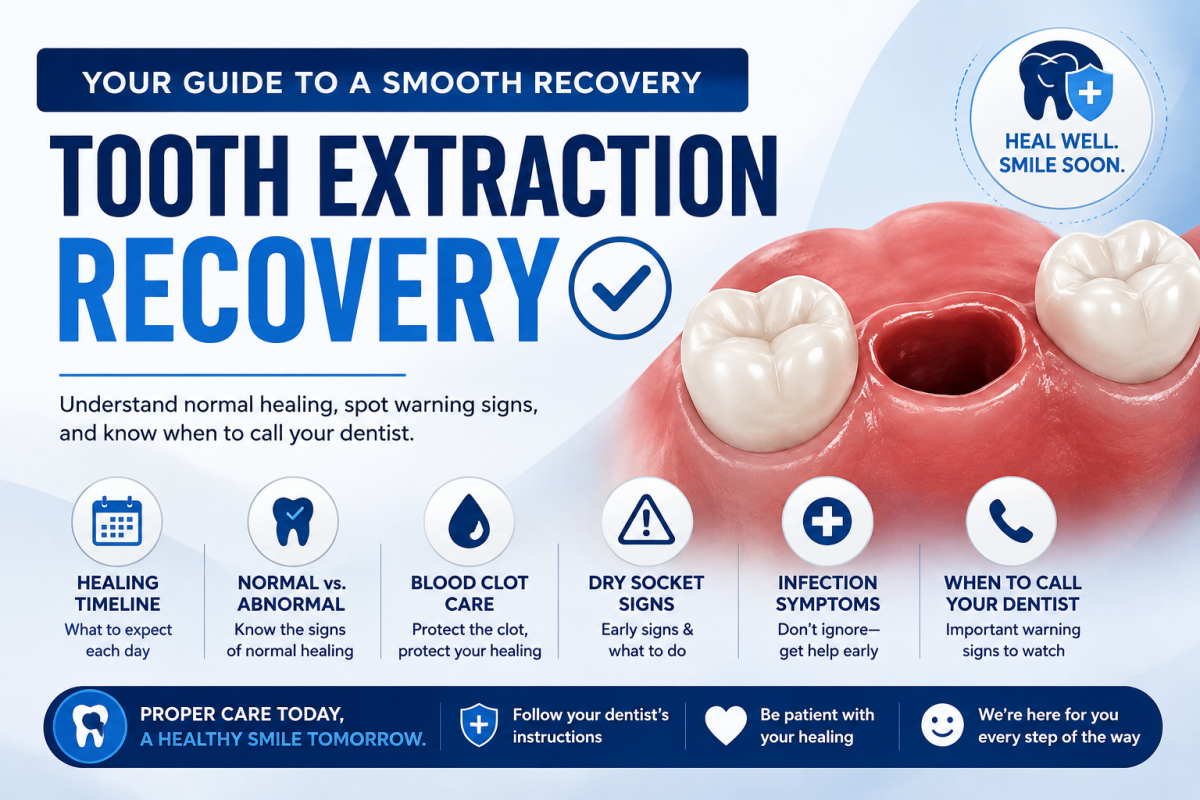
Post-Extraction Healing Lower Molar
Learn what normal healing looks like after a lower molar extraction, including expected pain, swelling, and tissue changes during recovery.
Normal Healing After Tooth Extraction
Discover the typical healing timeline after a tooth extraction and understand which symptoms are normal and which may require dental attention.
Lower Tooth Extraction Recovery
Find out how long recovery takes after removing a lower tooth, along with practical tips to reduce discomfort and promote faster healing.
Blood Clot After Tooth Extraction
Understand why the blood clot is essential for healing, what it should look like, and how to protect it from becoming dislodged.
Signs of Dry Socket
Recognize the early warning signs of dry socket, including severe pain, exposed bone, bad breath, and when to seek immediate treatment.
Lower Molar Extraction Healing Stages
Follow the week-by-week healing stages after a lower molar extraction, from blood clot formation to complete gum and bone healing.
Tooth Extraction Infection Symptoms
Learn the symptoms of an infected extraction site, such as worsening pain, swelling, pus, fever, and persistent bad taste, so you can seek treatment promptly.
When to Call a Dentist After Tooth Extraction
Know when post-extraction symptoms are no longer normal and when you should contact your dentist for urgent evaluation and care.
Related Clinical Cases
Patients with lower front gum inflammation may also experience tartar buildup, periodontal disease, gum abscesses, or tooth decay. Explore these related clinical case studies.
Other topics:
Other Dental Clinic