We Bring Back the Sparkle in Your Smile.

Pain & Symptoms After Tooth Extraction: What’s Normal and When to Worry
Image:
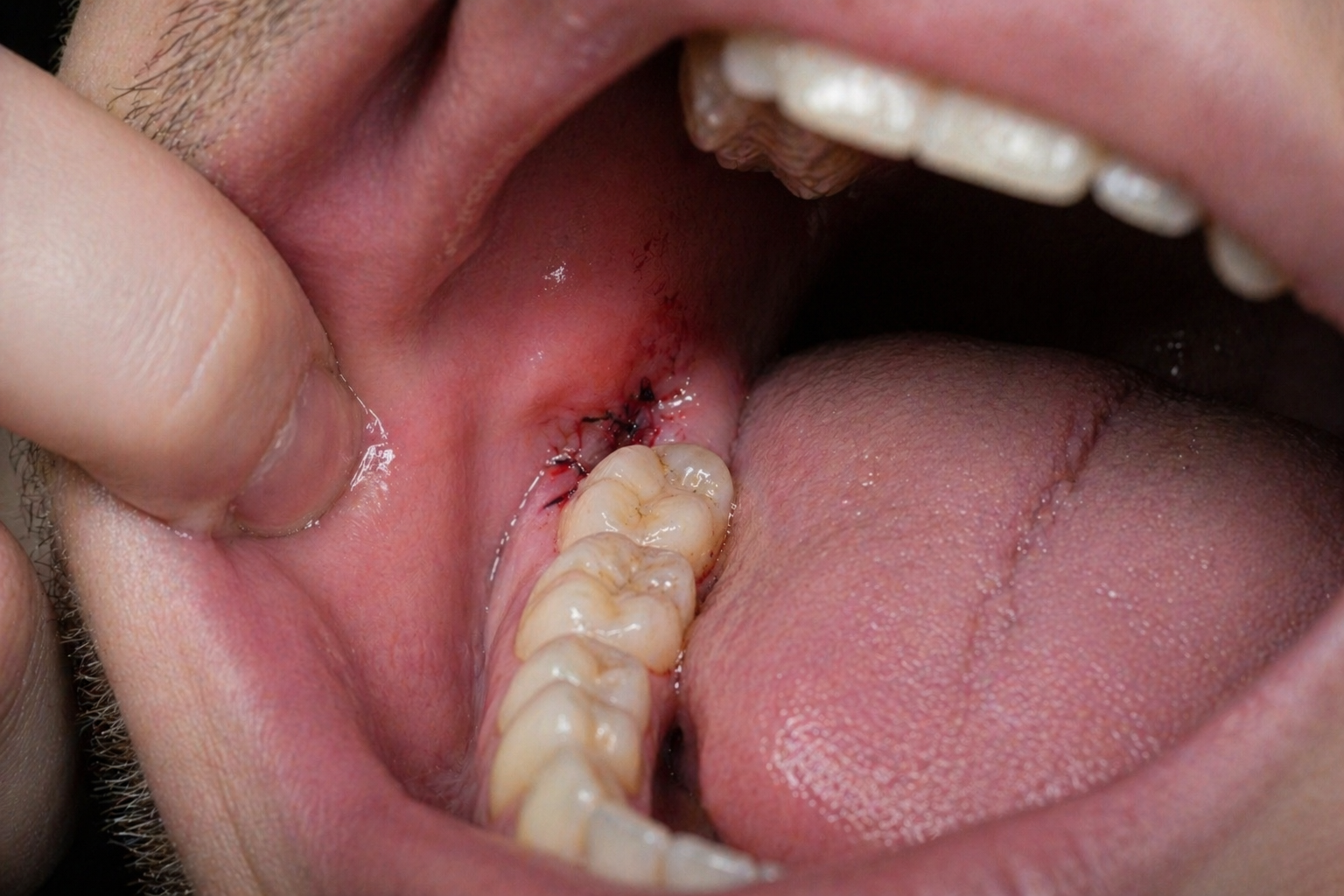
Severity:
Teeth Problems:
A Complete Clinical Guide from a Dental Bone Graft Expert (Arkansas, 10 Years Experience)
After a tooth extraction, most patients expect some discomfort—but few truly understand which symptoms are normal, which are warning signs, and how pain should progress over time.
In my 10 years practicing in Arkansas, I’ve seen one clear pattern:
Pain is not the problem—unexpected pain is.
This guide breaks down the full cluster of post-extraction pain and symptoms, including:
- What pain should feel like day by day
- Red flag symptoms you should never ignore
- Cost impact of complications (USA vs Philippines)
- Insurance and financing options
- Recovery timeline and clinic selection
Understanding Pain After Tooth Extraction
Pain after extraction is a normal biological response.
Your body is:
- Forming a blood clot
- Reducing inflammation
- Starting tissue repair
Key Rule
Pain should peak early and then improve.
If it doesn’t, something may be wrong.
Pain Timeline: What to Expect
Day 1: Initial Discomfort
Normal Symptoms
- Mild to moderate pain
- Bleeding
- Numbness wearing off
What This Means
Your body is forming the blood clotte.
Day 2–3: Peak Pain Phase
Normal Symptoms
- Increased soreness
- Swelling
- Tenderness
Important Insight
This is the peak pain window.
Warning Sign
If pain becomes severe or sharp → possible complication.
Day 4–5: Improvement Phase
Normal Symptoms
- Pain decreases
- Swelling reduces
If Not Improving
Possible issues:
- Dry socket
- Infection
Day 6–7: Stabilization
Normal Symptoms
- Mild discomfort
- Improved function
Week 2: Minimal Pain
- Healing stabilizes
- Normal function returns
Additional Dental Guidance: Understanding Pain After Tooth Extraction, Healing Problems, and When to Seek Treatment
Why Does Pain Continue After a Tooth Extraction?
Pain after tooth removal occurs because the procedure affects the gum tissue, small blood vessels, surrounding ligaments, and sometimes the underlying bone. The body responds with inflammation and begins forming new tissue to repair the extraction site.
The first step in healing is the formation of a blood clot inside the tooth socket. This clot protects the underlying tissues and provides a foundation for healing. If the clot is disturbed or lost prematurely, a painful complication called dry socket (alveolar osteitis) may develop.
However, not every painful extraction indicates a complication. The timing, severity, associated symptoms, and direction of change are more useful than pain intensity alone.
How to Distinguish Normal Healing From a Possible Complication
1. Normal postoperative pain
Mild to moderate soreness, tenderness when chewing, and limited swelling are common after an extraction. Symptoms may increase during the first 48–72 hours, particularly after surgical removal of an impacted wisdom tooth.
After this initial period, symptoms should generally begin to settle. Some tenderness may persist for a week or longer after a complicated extraction.
What patients can do:
-
Follow the dentist's postoperative instructions.
-
Use recommended pain medication according to the label and professional advice.
-
Eat soft foods and chew on the opposite side when practical.
-
Avoid smoking, vaping, and disturbing the extraction socket.
-
Keep the remaining teeth clean without brushing directly over the fresh wound.
2. Dry socket: When the pain gets worse
Dry socket occurs when the blood clot is lost or breaks down prematurely, exposing sensitive tissues within the socket. It commonly becomes noticeable about 3–5 days after extraction.
Typical symptoms include:
-
Severe, deep, throbbing, or radiating pain.
-
Pain spreading toward the ear, temple, or jaw.
-
An unpleasant taste or bad breath.
-
Pain that increases after initially improving.
Dry socket does not necessarily mean that a bacterial infection is present. A dentist can examine the socket, gently clean it when appropriate, and place a medicated dressing if indicated. Antibiotics are not routinely required for uncomplicated dry socket.
Patients with these symptoms should contact their dentist promptly rather than trying to treat the socket themselves.
3. Dental infection after extraction
An infection may develop in or around the extraction site. Warning signs include worsening swelling, increasing pain, pus, fever, or feeling generally unwell.
A small amount of tenderness and swelling can be normal, so symptoms must be assessed together. Fever may be absent even when an infection is present.
Seek prompt dental assessment if swelling continues to increase, pus appears, fever develops, or pain worsens instead of improving. Treatment depends on the examination findings and may involve drainage, wound care, or other appropriate treatment. Antibiotics are used when clinically indicated, not automatically for every painful extraction.
4. Persistent numbness or tingling
Local anesthetic commonly causes temporary numbness for several hours after treatment. However, numbness of the lip, chin, tongue, or other surrounding areas that persists beyond the expected anesthetic period should be reported to the treating dentist, particularly after lower wisdom tooth surgery.
Persistent tingling, altered sensation, or burning may indicate nerve irritation or injury. It cannot be diagnosed reliably from symptoms alone, and early assessment is important.
5. Bleeding that does not stop
Blood-tinged saliva may occur during early healing. Active bleeding that continues despite firm pressure requires attention.
Place clean, slightly damp gauze directly over the extraction site and bite down firmly for 30 minutes without repeatedly lifting the gauze to check. If bleeding remains heavy or does not stop after sustained pressure, contact the dental clinic urgently or seek emergency care.
Patients taking prescribed blood thinners should not stop them without medical advice.
When Is Post-Extraction Pain an Emergency?
Seek emergency medical care immediately if you experience:
-
Difficulty breathing or swallowing.
-
Rapidly spreading swelling of the face, floor of the mouth, or neck.
-
Swelling that threatens the airway.
-
Heavy bleeding accompanied by weakness, faintness, or other signs of significant blood loss.
Do not wait for a routine dental appointment if these symptoms occur.
Evidence-Based Ways to Support Healing
Protect the blood clot
For the first 24 hours, avoid forceful rinsing, vigorous spitting, straws, and touching the socket. These actions can disturb the developing clot. Follow any specific instructions provided by your dentist.
After the first 24 hours, gentle warm saltwater rinses may help keep the area clean. Let the liquid fall from the mouth rather than spitting forcefully.
Use cold compresses appropriately
During the first 24–48 hours, a cold pack wrapped in a towel can help reduce swelling and discomfort. Apply it intermittently rather than placing ice directly against the skin.
Choose suitable foods
Soft foods such as eggs, yogurt, mashed potatoes, soft fish, and lukewarm soup are generally easier to tolerate. Avoid very hot foods, hard or crunchy foods, and chewing directly over the socket while it is tender.
Drink adequate fluids, but avoid straws during the initial healing period.
Avoid smoking and vaping
Smoking and vaping can interfere with healing and increase the risk of dry socket. Avoid them during recovery; follow your dentist's advice on how long to abstain. Avoiding tobacco for longer is beneficial for oral health.
Use pain medication safely
The American Dental Association recommends non-opioid medicines, including nonsteroidal anti-inflammatory drugs (NSAIDs) such as ibuprofen, alone or combined with acetaminophen (paracetamol), as first-line options for many adults and adolescents aged 12 and older after tooth extraction, when medically appropriate.
These medicines are not suitable for everyone. NSAIDs may be unsafe for people with certain stomach ulcers, kidney disease, bleeding risks, medication interactions, or pregnancy-related concerns. Acetaminophen requires caution in people with liver disease or substantial alcohol consumption.
Follow the package instructions and your clinician's advice. Do not exceed the recommended dose or combine medicines containing the same active ingredient.
Antibiotics should only be taken when prescribed for a specific indication. Do not use leftover antibiotics or start them without professional assessment.
How Long Does Complete Healing Take?
Pain relief and tissue healing are different processes.
-
First 24 hours: A blood clot forms and initial soreness is expected.
-
Days 2–3: Pain and swelling may reach their peak.
-
Days 4–7: Symptoms should generally begin improving, although surgical extractions can take longer.
-
First 1–2 weeks: Gum tissue continues healing, and tenderness usually decreases.
-
Following weeks and months: Deeper bone healing continues after the gum surface begins closing.
These are approximate stages, not a guarantee. Extraction complexity, smoking, underlying health conditions, and the presence of infection can affect recovery.
Expert Clinical Takeaway
The safest way to assess pain after tooth extraction is to consider the recovery pattern and accompanying symptoms. Mild discomfort that gradually improves is generally reassuring. Severe pain that develops or increases several days later, persistent bleeding, fever, pus, or worsening swelling warrants professional assessment.
Patients should not wait for pain to become unbearable before contacting their dentist. Early examination can help identify dry socket, infection, or another complication and guide appropriate treatment.
Medical disclaimer: This educational content does not replace an individual dental examination or personalized medical advice. Patients should follow their treating dentist's postoperative instructions.
Frequently Asked Questions About Pain After Tooth Extraction
1. How many days should pain last after a tooth extraction?
Pain is often most noticeable during the first 2–3 days and should generally begin improving afterward. Mild tenderness may last 7–14 days, particularly after a surgical extraction. Persistent or worsening pain requires assessment.
2. Is it normal for pain to increase on the third day?
Some discomfort can still be present on day three because inflammation may peak during the first 48–72 hours. However, severe or newly worsening pain, particularly when accompanied by a foul taste or pain radiating toward the ear, may indicate dry socket or another complication.
3. How can I tell whether I have dry socket?
Dry socket often causes intense, deep pain beginning approximately 3–5 days after extraction. The pain may spread toward the ear or temple, and an unpleasant taste or odor may occur. A dentist must examine the socket to distinguish dry socket from infection or other causes of pain.
4. Does bad breath after tooth extraction always mean infection?
No. A healing socket can produce an unpleasant taste or odor due to trapped food debris, blood products, or dry socket. However, foul odor accompanied by worsening pain, pus, fever, or increasing swelling deserves prompt dental evaluation.
5. Is swelling normal after tooth extraction?
Yes. Swelling is common and can increase during the first 48–72 hours, particularly after surgical extraction. It should then generally begin to improve. Rapidly spreading swelling, difficulty swallowing or breathing, or swelling that continues to worsen requires urgent assessment.
6. Can I take ibuprofen or paracetamol after tooth extraction?
These medicines can help manage postoperative pain when appropriate for the individual. However, medical conditions, pregnancy, allergies, other medicines, and dosage limits matter. Ask your dentist or pharmacist which option is safe for you, and follow the product instructions.
7. Do I need antibiotics if my extraction site hurts?
Not necessarily. Pain alone does not prove that a bacterial infection is present. Antibiotics do not routinely treat uncomplicated dry socket or ordinary postoperative inflammation. A dentist should determine whether an infection is present and whether antibiotics are indicated.
8. When can I brush my teeth after extraction?
You can usually resume gentle brushing of the other teeth the following day, taking care not to disturb the socket. Follow your dentist's specific instructions, particularly after surgical extraction. Avoid vigorous rinsing or forceful spitting during the first 24 hours.
9. Can smoking cause dry socket?
Yes. Smoking is associated with an increased risk of dry socket and delayed healing. Avoid smoking and vaping during recovery, and follow your dentist's instructions about the appropriate period of abstinence.
10. Is pain that spreads to the ear normal after extraction?
Some referred pain can occur because the teeth, jaw, and ear share nerve pathways. However, severe or worsening pain radiating toward the ear several days after extraction can be a sign of dry socket or another complication. Contact your dentist if this occurs.
11. What should I do if the extraction site starts bleeding again?
Apply clean, slightly damp gauze directly over the site and bite firmly for 30 minutes without interruption. If bleeding remains heavy or continues despite sustained pressure, seek urgent dental care. Significant bleeding with faintness or weakness requires emergency assessment.
12. Why does my jaw hurt when I open my mouth after extraction?
Jaw soreness or stiffness can occur after prolonged mouth opening or surgical removal of a tooth. It should generally improve gradually. Severe or worsening restriction, fever, or increasing facial swelling requires assessment because infection or another complication may be responsible.
13. Can I exercise after tooth extraction?
Rest during the first 24 hours and avoid strenuous activity for the period recommended by your dentist. Heavy exercise too soon may trigger renewed bleeding or discomfort. Resume activity gradually when symptoms are improving.
14. When should I contact my dentist instead of waiting for healing?
Contact your dentist promptly for severe or worsening pain, pain that is not responding to recommended medication, fever, pus, increasing swelling, persistent numbness, or bleeding that does not stop with pressure. Seek emergency care immediately for difficulty breathing or swallowing or rapidly spreading swelling.
15. Does a tooth extraction socket heal completely in two weeks?
The gum surface may improve substantially within 1–2 weeks, but deeper tissues and bone take longer to heal. The time required depends on the tooth removed, the complexity of the procedure, and individual healing factors.
16. Can I use saltwater to treat dry socket at home?
Gentle warm saltwater rinses after the first 24 hours can help keep the mouth clean, but they do not reliably treat established dry socket. A dentist may need to clean the socket and apply a suitable dressing. Do not probe the wound or place aspirin, alcohol, or unprescribed substances inside it.
17. What if the pain improves and then returns?
Pain that returns after a period of improvement deserves attention, particularly if it is severe or accompanied by swelling, fever, a foul taste, or pus. Possible causes include dry socket, infection, food debris, or another dental problem. Arrange a dental examination rather than assuming the symptoms are normal.
18. Is it normal to see a white or yellow layer in the extraction socket?
A pale white or yellowish layer may be fibrin and healing tissue, rather than pus. Appearance alone cannot confirm infection. Avoid scraping the area; seek an examination if the material is accompanied by worsening pain, increasing swelling, fever, or drainage.
Suggested related articles for internal linking
-
Dry Socket After Tooth Extraction: Symptoms, Causes, and Treatment
-
Ear Pain After Tooth Extraction: Causes, Relief, and When to Worry
-
Smoking After Tooth Extraction: Effects on Healing and Dry Socket Risk
-
Tooth Extraction Aftercare: A Day-by-Day Healing Guide
-
Swelling After Tooth Extraction: What Is Normal and When to Seek Help
Common Pain Types and What They Mean
1. Throbbing Pain
Normal
- Early inflammation
Not Normal
- Persistent throbbing after Day 3
2. Sharp, Radiating Pain
Likely Cause
- Dry socket
3. Pressure Pain
Possible Cause
- Swelling or infection
4. Burning or Tingling
Possible Cause
- Nerve irritation
5. Persistent Mild Pain
Possible Cause
- Delayed healing
Major Warning Symptoms You Must Watch
1. Severe Pain After Day 3
Most Likely Cause
Dry socket
2. Bad Taste or Odor
Cause
Infection or exposed bone
3. Swelling That Worsens
Cause
Possible infection
4. Fever
Cause
Spreading infection
5. Bleeding After 24 Hours
Cause
Clot instability
Real Case from My Arkansas Practice
Patient: Kevin, 47
Day 1–2:
- Normal pain
Day 3:
- Pain worsened
- Bad taste developed
Diagnosis:
Dry socket
Treatment:
- Cleaning and medicated dressing
Outcome:
- Pain resolved in 48 hours
Expert Insighte
Pain pattern—not pain level—is what matters.
Cost Impact of Pain Complications
USA (Example: Arkansas)
- Extraction: $200 – $600
- Dry socket treatment: $150 – $500
- Infection treatment: $300 – $1,000
- Bone graft: $500 – $3,000
Philippines
- Extraction: $50 – $150
- Dry socket care: $50 – $150
- Infection treatment: $100 – $300
- Bone graft: $200 – $800
Insight
Complications increase total cost significantly—even in low-cost countries.
Insurance Policy Coverage
Common Providers
- Delta Dental
- Cigna
What Is Covered
- Basic extraction: partial
- Complications: sometimes covered
What Is NOT Covered
- Preventable complications due to non-compliance
Financing Options (Public & Private)
Private Financing
- Care Credit
- Lending Club
Public Options
- Medicaid (limited dental coverage)
- Veterans dental benefits
Expert Advice
Prevention costs less than financing complications.
Recovery Timeline Summary
| Stage | Pain Level | What to Expect |
|---|---|---|
| Day 1 | Mild–Moderate | Clot forming |
| Day 2–3 | Peak | Inflammation |
| Day 4–5 | Decreasing | Healing begins |
| Day 6–7 | Mild | Stabilizinge |
| Week 2 | Minimal | Recovery |
Best Clinics to Visit (Selection Guide)
Instead of naming one clinic, use criteria:
USA (Arkansas / Arizona)
- Oral surgeons with implant training
- CBCT imaging available
Philippines
Top cities:
- Manila
- Cebu
Look For
- Implant specialization
- Bone graft experience
- Verified patient reviews
When Pain Is Actually a Good Sign
Yes—pain can be positive.
It means:
- Your immune system is active
- Healing is progressing
The Rule
Pain that improves = healthy
Pain that worsens = warning
How to Manage Pain Properly
1. Take Medications as Prescribed
2. Use Cold Compress (First 48 Hours)
3. Eat Soft Foods
4. Stay Hydrated
5. Avoid Smoking and Alcohol
Common Mistakes That Increase Pain
- Ignoring instructions
- Smoking early
- Eating hard foods
- Skipping medication
FAQ: Pain & Symptoms After Extraction
1. When is pain worst after extraction?
Day 2–3.
2. Is severe pain normal?
No—especially after Day 3.
3. What is dry socket pain like?
Sharp, radiating, intense.
4. When should I worry?
If pain worsens or new symptoms appear.
5. Can pain mean healing?
Yes—if it improves over time.
6. How long should pain last?
Most pain improves within 5–7 days.
Related Topics
1. Dry Socket vs Normal Healing
Learn to identify dangerous symptoms early.
2. What to Eat After Tooth Extraction
Support recovery through proper diet.
3. Smoking After Tooth Extraction Effects
Understand major risk factors.
Final Thoughts from an Arkansas Expert
After a decade of treating extraction and implant cases, one principle stands out:
Pain is a message—not a problem.
Your job is to interpret it correctly.
Remember:
- Pain should peak early
- Pain should improve daily
- Pain should not surprise you
If it does—act early.
Because in dentistry, early action doesn’t just reduce pain—it prevents bigger, more expensive problems later.
Related Clinical Cases
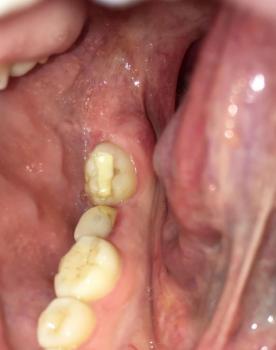
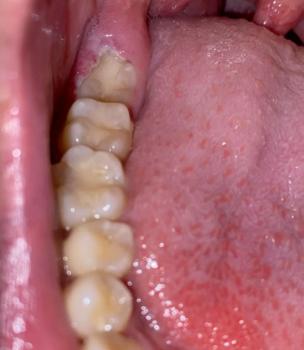
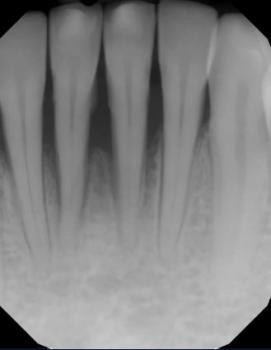
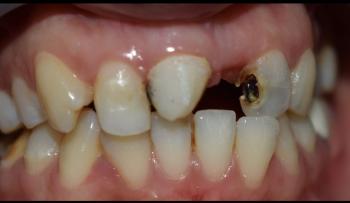
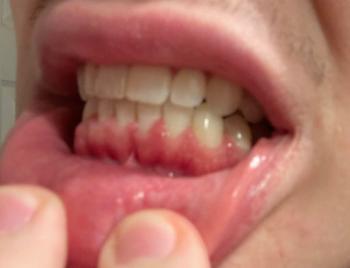
Patients with lower front gum inflammation may also experience tartar buildup, periodontal disease, gum abscesses, or tooth decay. Explore these related clinical case studies.
Other topics:
Other Dental Clinic
 |
 |
 |
 |




