Where Bright Smiles Begin.

Dental Implant Problems and Complications: Warning Signs, Risks & What to Do
Dental implants have a high success rate, but like any surgical treatment, they can sometimes develop problems or complications. Knowing what is normal during healing—and what requires immediate attention—can help you feel more confident about your treatment.
A dental implant problem does not automatically mean the implant will be lost. Many complications can be treated successfully when they are identified early.
What Problems Can Happen After a Dental Implant?
Some symptoms are expected after implant surgery, while others may indicate a complication.
Common Short-Term Problems
During the first few days, patients may experience:
- Swelling around the surgical area
- Mild bleeding
- Bruising
- Gum tenderness
- Discomfort or soreness
- Temporary difficulty chewing
- Mild sensitivity
- Feeling tired after the procedure
These symptoms often improve as the mouth heals.
However, symptoms that become increasingly severe instead of gradually improving should be discussed with your dentist.
Possible Dental Implant Complications
1. Infection Around the Implant
Bacteria can cause infection around an implant or the surrounding gum tissue.
Possible warning signs include:
- Increasing pain
- Persistent swelling
- Pus or drainage
- Bad taste or odor
- Red or inflamed gums
- Fever
- Increasing tenderness
An infection should not be ignored. Your dentist may need to examine the implant, clean the area, and determine whether additional treatment is necessary.
2. Implant Failure
Sometimes an implant does not properly integrate with the surrounding bone.
This process is called osseointegration.
Possible signs of implant failure include:
- Implant movement
- Persistent discomfort
- Pain when biting
- Loss of supporting bone
- Repeated inflammation around the implant
In some cases, the implant may need to be removed and the area allowed to heal before another implant is considered.
Implant failure is not necessarily the end of the treatment plan. Your dentist can investigate why it happened and determine whether another approach is possible.
3. Peri-Implantitis
Peri-implantitis is inflammation and infection affecting the tissues around a dental implant and may be associated with bone loss.
It can develop gradually and may not cause significant pain in the early stages.
Regular dental examinations are important because early problems can sometimes be detected before substantial bone loss occurs.
4. Bone Loss
The bone supporting an implant can deteriorate for several reasons, including infection, excessive forces, poor oral hygiene, or other biological factors.
Significant bone loss can make an implant less stable.
Depending on the situation, treatment may involve cleaning, periodontal treatment, changes to the restoration, or procedures designed to rebuild supporting bone.
5. Nerve-Related Problems
Implant surgery in certain areas of the jaw can potentially affect nearby nerves.
Patients may experience:
- Numbness
- Tingling
- Altered sensation
- Burning sensations
- Changes in feeling around the lip, chin, tongue, or gums
Persistent or worsening numbness should be reported to your dentist or oral surgeon promptly.
6. Sinus Complications
Implants placed in the upper back jaw can be close to the maxillary sinus.
In patients with limited bone height, additional procedures such as sinus augmentation may sometimes be considered.
A dentist should evaluate the relationship between the proposed implant and the sinus before treatment.
7. Loose Implant or Loose Crown
A patient may sometimes notice that something feels loose.
Importantly, a loose crown or prosthetic component is different from a loose implant.
The dentist needs to determine exactly which part is moving. A loose restoration may sometimes be repaired without removing the implant itself.
8. Gum Recession or Aesthetic Problems
In some patients, the gum around an implant can recede or change shape.
This may expose part of the implant or create an aesthetic concern, particularly around front teeth.
The amount of gum tissue, bone volume, implant position, tooth position, and individual healing can all influence the final appearance.
What About the Worst-Case Scenario?
Patients sometimes search for dental implant complications because they are frightened about the worst possible outcome.
Severe complications are uncommon, but they should be taken seriously.
A serious case could involve:
- Significant infection
- Extensive bone loss
- Persistent nerve symptoms
- Severe swelling
- Implant mobility
- Failure of the implant
- Damage to nearby anatomical structures
The important point is that a complication does not always mean permanent damage or complete treatment failure.
The dentist needs to identify the cause first.
Depending on the problem, treatment could involve medication, professional cleaning, adjustment of the restoration, additional surgery, bone or soft-tissue procedures, or removal and replacement of the implant.
When Should You Contact Your Dentist?
Contact your dental implant provider if you notice:
Increasing pain instead of improvement
Severe or increasing swelling
Pus or significant drainage
Fever or feeling seriously unwell
An implant that moves
Persistent numbness or unusual sensation
Difficulty swallowing or breathing
Heavy bleeding that does not stop with the instructions provided
Difficulty breathing or severe swelling affecting the airway requires urgent medical attention.
FAQ: Dental Implant Problems & Complications
Is it normal to have pain after a dental implant?
Some discomfort is expected after surgery. Pain should generally become easier to manage as healing progresses. Severe, worsening, or persistent pain should be evaluated by your dentist.
What if my dental implant is moving?
A dental implant itself should not normally be noticeably mobile after successful integration. Contact your dentist promptly so they can determine whether the implant or only the crown/restoration is loose.
Does a failed dental implant have to be removed?
Not every problem requires immediate removal. The appropriate treatment depends on the cause, stability of the implant, infection, bone condition, and stage of healing. Your dentist needs to examine the implant before deciding.
Can a dental implant get infected?
Yes. Infection can affect the gum and bone around an implant. Early diagnosis and treatment are important.
Is peri-implantitis dangerous?
It can become serious because inflammation around an implant can be associated with bone loss. Regular maintenance and early treatment can help reduce the risk of progression.
Can dental implants damage nerves?
Nerve injury is an uncommon but recognized potential complication of implant surgery, particularly when implants are placed near important nerves. Your dentist should evaluate the anatomy before surgery.
Can an implant damage the sinus?
Upper-jaw implants are sometimes close to the maxillary sinus. Careful imaging and treatment planning help the dentist understand the available bone and the relationship to the sinus.
What happens if there is not enough bone?
Your dentist may consider bone grafting or another approach depending on the location and amount of available bone. Not having enough bone does not automatically mean dental implants are impossible.
Can smoking increase dental implant complications?
Smoking can interfere with healing and may increase the risk of complications. Tell your dentist honestly about your smoking habits so they can provide appropriate recommendations.
Can poor oral hygiene cause implant problems?
Yes. Plaque and bacteria can contribute to inflammation around implants. Daily cleaning and professional maintenance are important even after the implant has healed.
How do I know if my implant is failing?
Possible warning signs include mobility, persistent pain, repeated swelling or infection, and changes in the supporting tissues. However, symptoms alone cannot confirm implant failure. Your dentist may need clinical examination and dental imaging.
What if my implant fails?
Try not to panic. Your dentist can determine why the implant failed and whether the implant needs to be removed. After healing, another implant or alternative restoration may sometimes be possible.
I'm middle-aged. Am I too old for dental implants?
Age alone does not determine whether you are a candidate for dental implants. Your dentist will consider your bone condition, oral health, medical history, healing ability, and overall suitability for treatment.
I'm scared of dental implant complications. What should I do?
Feeling nervous is understandable. Before treatment, ask your dentist to explain the potential risks, expected recovery, alternative treatments, and what would happen if a complication occurred. Understanding the treatment plan can make the process feel much less frightening.
Questions to Ask Your Dentist Before Implant Surgery
Before agreeing to treatment, consider asking:
- How much bone do I have in the implant area?
- Is a bone graft necessary?
- How close is the implant site to a nerve or sinus?
- What complications are most relevant to my case?
- What symptoms are normal during recovery?
- Which symptoms mean I should call you immediately?
- What happens if the implant does not integrate with the bone?
- How will you monitor the implant after surgery?
- How often will I need professional maintenance?
- What alternatives do I have if an implant is not suitable?
Final Takeaway
Dental implant complications can sound frightening, especially when you read about severe cases online. But most patients should not assume that a possible complication will happen to them.
Good treatment planning, appropriate imaging, experienced clinical care, good oral hygiene, and regular follow-up can all play important roles in protecting the implant.
And if something doesn't feel right after your procedure, don't wait and hope it goes away. Contact your dental professional and have the area examined.
This page provides general educational information and is not a diagnosis. Your dentist, implantologist, periodontist, or oral surgeon can evaluate your individual situation and explain your specific risks.
Related Clinical Cases
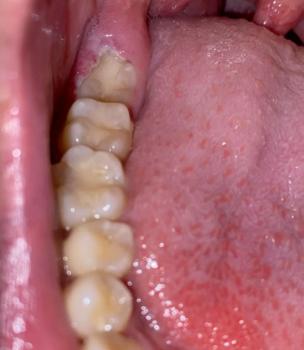
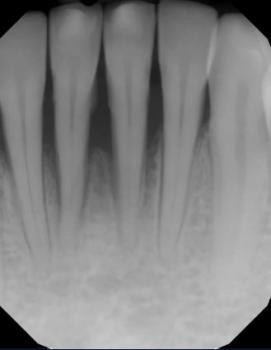
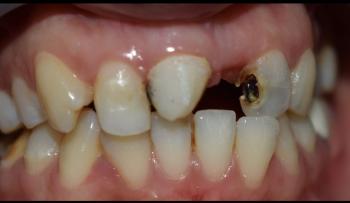
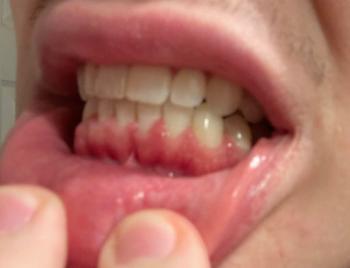
Patients with lower front gum inflammation may also experience tartar buildup, periodontal disease, gum abscesses, or tooth decay. Explore these related clinical case studies.